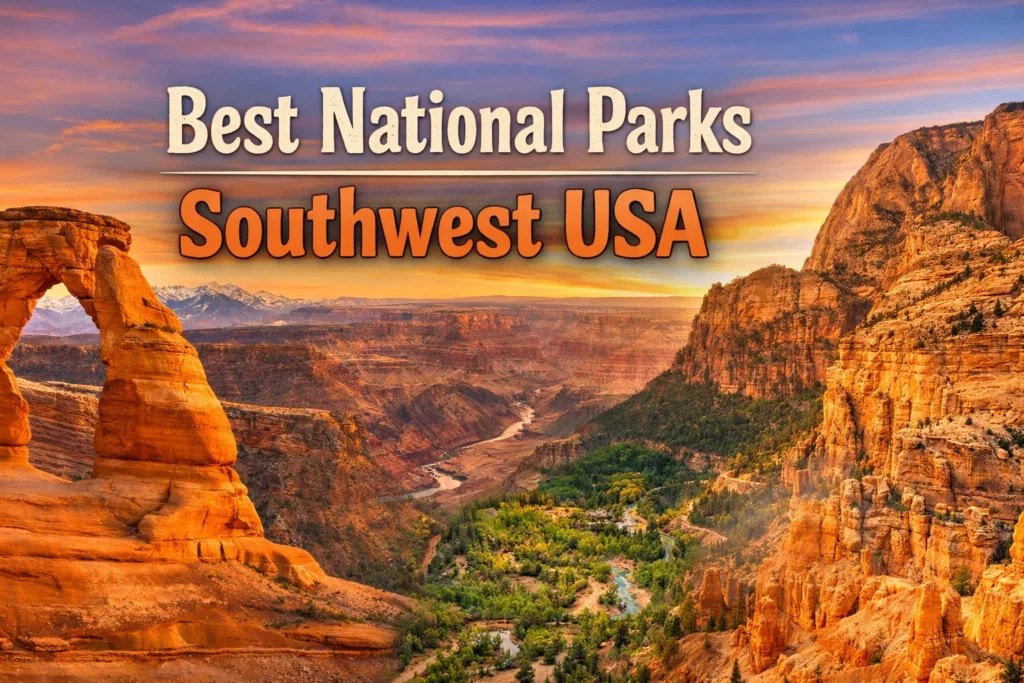
Best National Parks in the Southwest USA (Complete Visitor Guide 2026)
The Southwestern United States is home to some of the most spectacular national parks in the world. From towering red rock cliffs and massive canyons to ancient ruins and underground cave systems, this region offers landscapes that seem almost unreal.
Every year, millions of travelers visit the Southwest to hike scenic trails, take unforgettable road trips, photograph stunning natural wonders, and experience some of America’s most iconic outdoor destinations. Whether you are planning your first national park adventure or looking to explore new places, the Southwest offers options for every type of traveler.
In this complete visitor guide, you’ll discover the best national parks in the Southwest USA, what makes each park unique, the top attractions, best times to visit, and practical travel tips to help you plan an unforgettable trip in 2026.
What Is Considered the Southwest USA?
The Southwest USA generally includes Arizona, Utah, New Mexico, Nevada, and parts of Colorado and Texas. This region is known for dramatic desert landscapes, colorful rock formations, deep canyons, unique wildlife, and some of the clearest night skies in North America.
States Included in the Southwest Region
- Arizona
- Utah
- New Mexico
- Nevada
- Southern Colorado
- Western Texas
Why the Southwest Is Famous for National Parks
The Southwest contains some of the most visually impressive landscapes in the United States. Visitors come here to experience:
- Massive canyons and gorges
- Red rock formations
- Desert ecosystems
- Ancient Native American sites
- Scenic drives
- World-class hiking trails
- Stargazing opportunities
The region is also home to several internationally recognized national parks that appear on many travelers’ bucket lists.
Quick Comparison of the Best National Parks in the Southwest USA
| National Park | State | Best For | Best Time to Visit |
|---|---|---|---|
| Grand Canyon | Arizona | Canyon Views | Spring & Fall |
| Zion | Utah | Hiking | Spring |
| Bryce Canyon | Utah | Unique Rock Formations | Summer & Fall |
| Arches | Utah | Photography | Spring & Fall |
| Canyonlands | Utah | Scenic Drives | Spring |
| Capitol Reef | Utah | Fewer Crowds | Spring |
| Mesa Verde | Colorado | History | Summer |
| Petrified Forest | Arizona | Fossils | Fall |
| Great Sand Dunes | Colorado | Adventure Activities | Spring |
| Carlsbad Caverns | New Mexico | Cave Exploration | Summer |
1. Grand Canyon National Park, Arizona
Few places in the world are as instantly recognizable as Grand Canyon National Park. Stretching approximately 277 miles across northern Arizona, the canyon was carved by the Colorado River over millions of years and remains one of the most visited national parks in the United States.
Why Visit Grand Canyon?
The sheer size of the canyon is difficult to understand until you see it in person. Vast layers of colorful rock reveal millions of years of geological history, creating breathtaking views from nearly every overlook.
Visitors can enjoy:
- Scenic viewpoints
- Hiking trails
- River adventures
- Wildlife viewing
- Sunrise and sunset photography
Top Attractions
South Rim
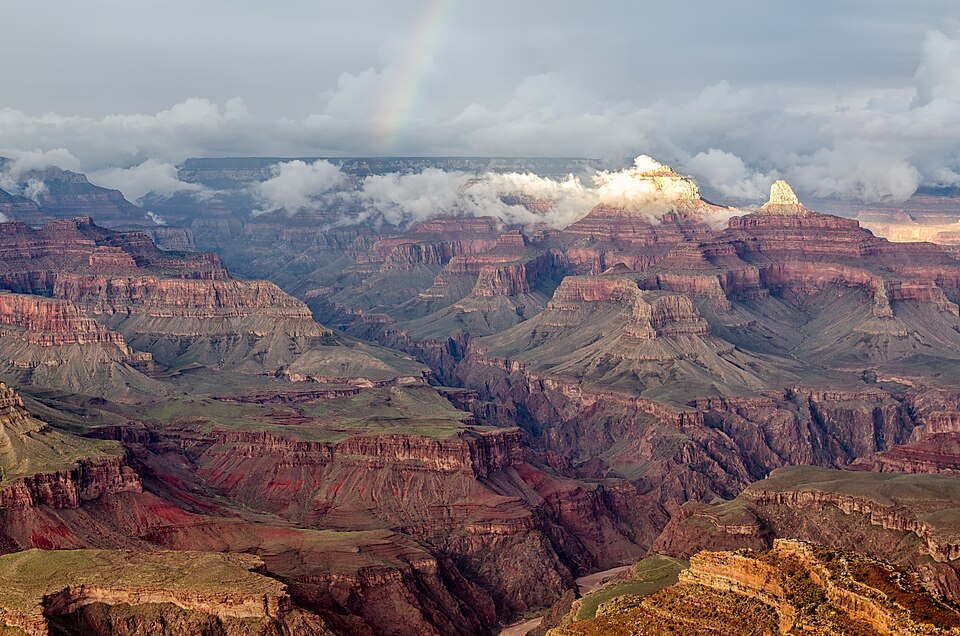
The South Rim is the most popular section of the park and remains open year-round. It offers easy access to visitor centers, viewpoints, lodging, and hiking trails.
Desert View Watchtower
This historic stone tower provides panoramic canyon views and excellent photography opportunities.
Grand Canyon Village
The main visitor hub includes museums, restaurants, lodges, and educational exhibits.
Best Hiking Trails
Bright Angel Trail
One of the most famous hiking trails in the park, offering stunning canyon views and multiple turnaround points for day hikers.
South Kaibab Trail
Known for dramatic vistas and excellent photo opportunities.
Rim Trail
Perfect for visitors seeking easier walks along the canyon edge.
Best Viewpoints
Some of the most popular viewpoints include:
- Mather Point
- Yavapai Point
- Hopi Point
- Desert View
- Yaki Point
Each viewpoint offers a unique perspective of the canyon’s colorful rock layers.
Entrance Fees and Hours
The park operates 24 hours a day, while entrance stations and visitor centers have seasonal schedules. A private vehicle pass typically covers multiple days of access.
Best Time to Visit
Spring and fall are generally considered the best seasons because temperatures are comfortable and crowds are lower than summer.
Spring
- Pleasant weather
- Wildflowers
- Great hiking conditions
Fall
- Cooler temperatures
- Clear skies
- Excellent photography opportunities
Visitor Tips
- Start hikes early.
- Carry plenty of water.
- Wear sun protection.
- Book lodging months in advance during peak seasons.
- Never underestimate canyon temperatures.
2. Zion National Park, Utah
Zion National Park is one of the most dramatic and exciting destinations in the Southwest. Famous for towering sandstone cliffs, narrow canyons, and thrilling hikes, Zion attracts outdoor enthusiasts from around the world.
What Makes Zion Special?
Unlike many parks where visitors mainly view scenery from overlooks, Zion allows visitors to immerse themselves directly within the landscape.
Massive canyon walls rise thousands of feet above the valley floor, creating a unique environment filled with stunning scenery.
Best Hikes in Zion
Angels Landing
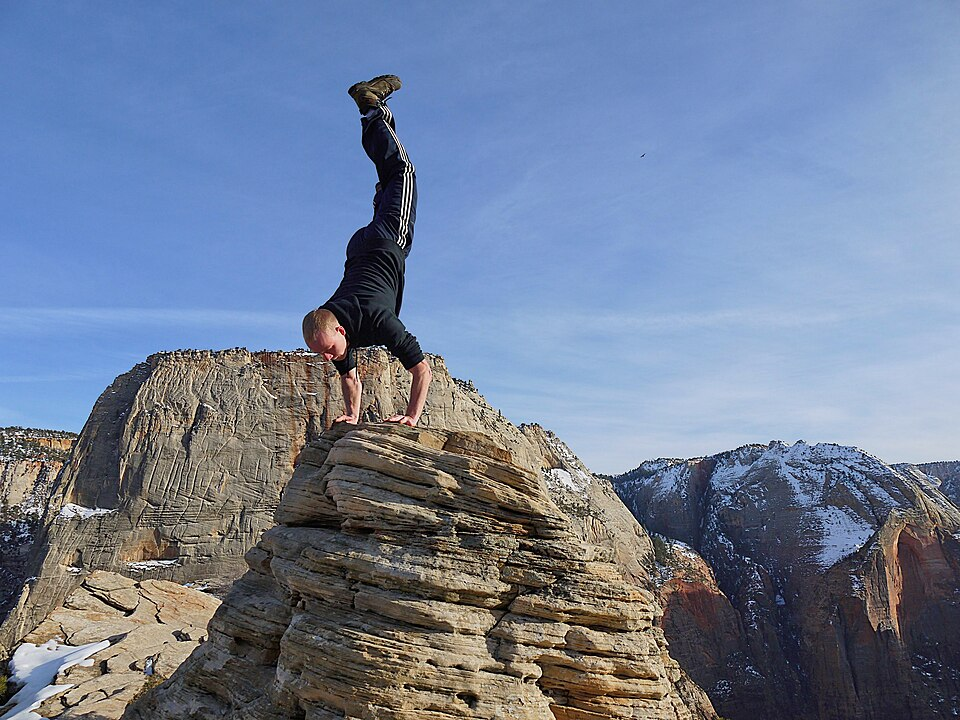
One of the most famous hikes in America.
The trail features steep switchbacks and a narrow ridge leading to breathtaking views. A permit is required for the final section.
The Narrows
This unique hike takes visitors directly through the Virgin River between towering canyon walls.
Many visitors consider it the most memorable hike in the park.
Emerald Pools Trail
A family-friendly trail leading to waterfalls and scenic pools.
Scenic Drives and Shuttle System
During busy months, private vehicles are restricted in Zion Canyon.
Visitors use the park shuttle system to access major trailheads and viewpoints. The shuttle helps reduce traffic and protects park resources.
Popular shuttle stops include:
- Zion Lodge
- The Grotto
- Temple of Sinawava
- Visitor Center
Where to Stay Near Zion
Springdale
The gateway town to Zion offers hotels, restaurants, shops, and easy park access.
Zion Lodge
Located inside the park and ideal for visitors wanting to stay close to major attractions.
Nearby Vacation Rentals
Many travelers choose accommodations in surrounding communities for more budget-friendly options.
Best Time to Visit
Spring
Spring offers mild temperatures, flowing waterfalls, and excellent hiking conditions.
Fall
Many visitors prefer fall because temperatures are cooler and summer crowds begin to decrease.
Summer
Summer is popular but can be very crowded and hot.
Winter
Winter provides quieter experiences and occasional snow-dusted canyon views.
Visitor Tips
- Arrive early for parking.
- Reserve permits if required.
- Carry plenty of water.
- Check weather conditions before hiking.
- Wear proper footwear for river hikes.
Zion remains one of the most unforgettable national park experiences in the Southwest and is often considered a must-visit destination for anyone planning a regional road trip.
3. Bryce Canyon National Park, Utah
Despite its name, Bryce Canyon is not actually a canyon. Instead, it is a series of natural amphitheaters filled with thousands of colorful rock spires known as hoodoos. These unique formations make Bryce Canyon one of the most visually distinctive national parks in the United States.
Many visitors are surprised by how different Bryce Canyon feels compared to nearby Zion National Park. While Zion is known for towering cliffs and deep valleys, Bryce Canyon is famous for its surreal landscape of orange, red, and pink rock formations.
Famous Hoodoo Rock Formations
Hoodoos are tall, thin rock pillars created through millions of years of weathering and erosion. Bryce Canyon contains the largest concentration of hoodoos found anywhere on Earth.
The colorful formations create an almost otherworldly landscape, especially during sunrise and sunset when the rocks glow with vibrant shades of orange and red.
Best Viewpoints
Sunrise Point
One of the most popular locations in the park, Sunrise Point offers incredible early morning views of the hoodoo-filled amphitheater.
Sunset Point
Despite the name, this viewpoint is excellent throughout the day. It provides some of the park’s most iconic views.
Inspiration Point
Visitors can enjoy panoramic views across multiple levels of the canyon.
Bryce Point
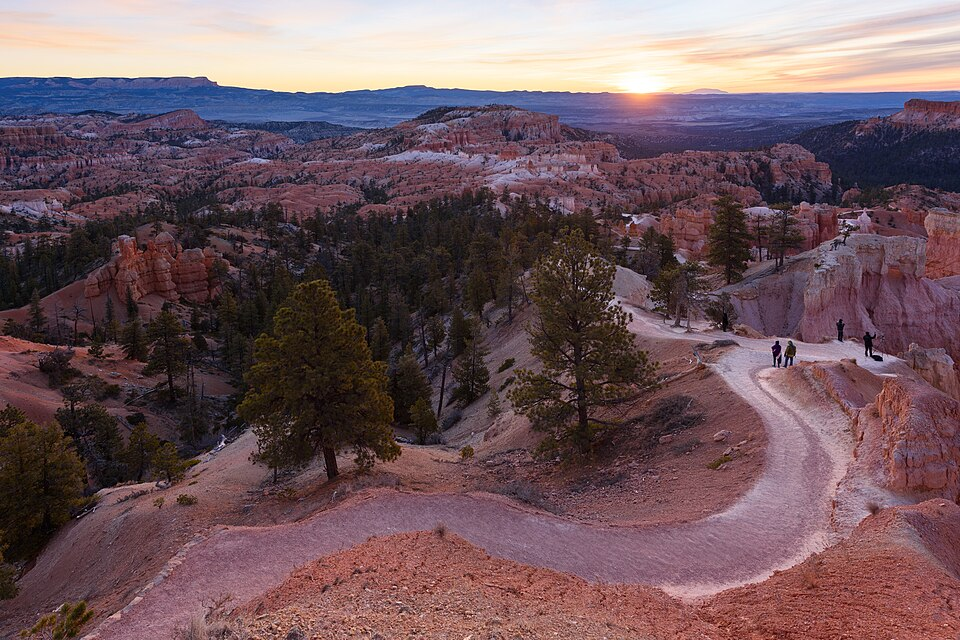
A favorite location for photographers looking to capture sweeping landscapes.
Top Hiking Trails
Navajo Loop Trail
The most famous trail in Bryce Canyon. It takes hikers down into the hoodoos and passes through dramatic rock formations.
Queen’s Garden Trail
A relatively easy hike that showcases some of the park’s most beautiful scenery.
Peekaboo Loop Trail
A longer trail ideal for hikers seeking a more challenging adventure.
Sunrise vs Sunset Experience
Both sunrise and sunset are spectacular at Bryce Canyon.
Sunrise
- Fewer crowds
- Cooler temperatures
- Soft golden lighting
- Excellent photography opportunities
Sunset
- Rich red and orange colors
- Dramatic shadows
- Beautiful panoramic views
Many regular visitors recommend experiencing both if possible.
Visitor Information
Bryce Canyon sits at a higher elevation than many Southwest parks, which means temperatures can be significantly cooler.
Important tips include:
- Dress in layers.
- Stay hydrated.
- Expect cooler mornings and evenings.
- Prepare for snow during winter months.
- Carry sunscreen even on cooler days.
Best Time to Visit
Late spring through early fall is the most popular period. However, winter offers a unique experience when snow contrasts against the bright red hoodoos.
4. Arches National Park, Utah
Arches National Park contains more than 2,000 natural stone arches, making it one of the most unique geological destinations in the world.
Located near the city of Moab, Arches attracts photographers, hikers, and outdoor enthusiasts who come to explore its incredible rock formations.
Why Arches Is One of the Most Photogenic Parks
Every turn in Arches reveals dramatic sandstone formations sculpted by wind and water over millions of years.
The park is especially famous for:
- Natural arches
- Massive fins
- Balanced rocks
- Desert landscapes
- Incredible sunsets
Photographers often consider Arches one of the best national parks in America for landscape photography.
Must-See Rock Arches
Delicate Arch
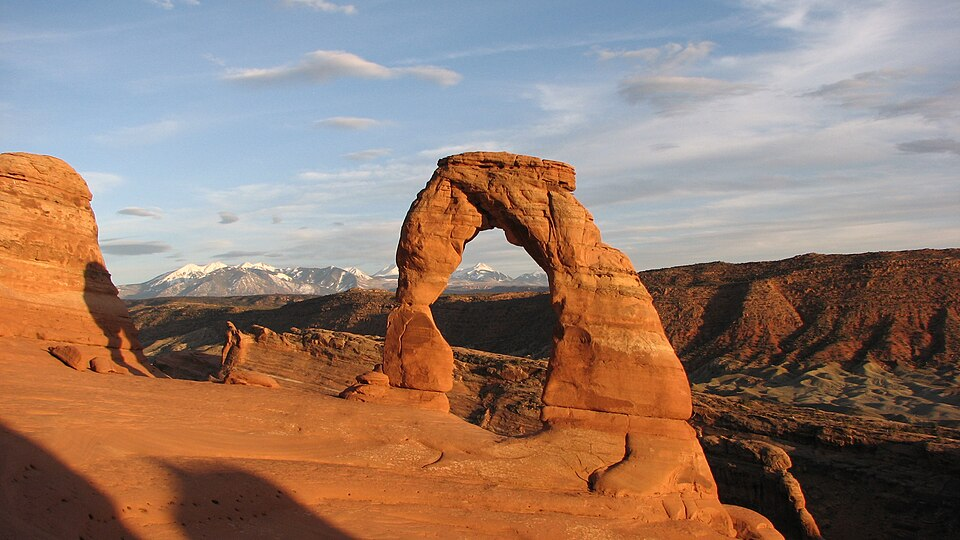
The most famous landmark in the park and one of the most recognizable natural features in the United States.
Landscape Arch
One of the world’s longest natural arches.
Double Arch
A unique formation consisting of two connected arches.
North and South Window Arches
Easy-to-access formations that provide excellent photo opportunities.
Best Photography Spots
Delicate Arch Viewpoint
Perfect for sunrise and sunset photography.
Balanced Rock
A massive rock balancing on a narrow pedestal.
Garden of Eden
Offers stunning views and fewer crowds.
Park Avenue
A scenic area featuring towering rock walls resembling a city skyline.
Timed Entry Permit Information (2026)
During busy seasons, the National Park Service may require timed-entry reservations to help manage visitor numbers.
Travelers should check official park updates before visiting to determine current reservation requirements.
Travel Tips
- Arrive early to avoid crowds.
- Carry plenty of water.
- Avoid strenuous hikes during midday heat.
- Wear sturdy hiking shoes.
- Stay on marked trails to protect fragile desert environments.
Best Time to Visit
Spring and fall offer the most comfortable temperatures.
Summer can be extremely hot, with temperatures often exceeding 100°F (38°C).
5. Canyonlands National Park, Utah
Canyonlands National Park is the largest national park in Utah and offers some of the most dramatic desert scenery in the American Southwest.
Many visitors compare Canyonlands to a less crowded version of the Grand Canyon because of its vast landscapes and breathtaking overlooks.
Districts of Canyonlands Explained
The park is divided into four distinct districts.
Island in the Sky
The most visited section of the park.
Features include:
- Scenic overlooks
- Easy hiking trails
- Stunning canyon views
The Needles
Known for colorful rock spires and backcountry adventures.
The Maze
One of the most remote and challenging regions in the National Park System.
Rivers District
Created by the Colorado and Green Rivers that cut through the landscape.
Best Scenic Drives
Island in the Sky Scenic Drive
Offers access to several major viewpoints and attractions.
Grand View Point Road
Provides some of the park’s most spectacular vistas.
Hiking Opportunities
Mesa Arch Trail
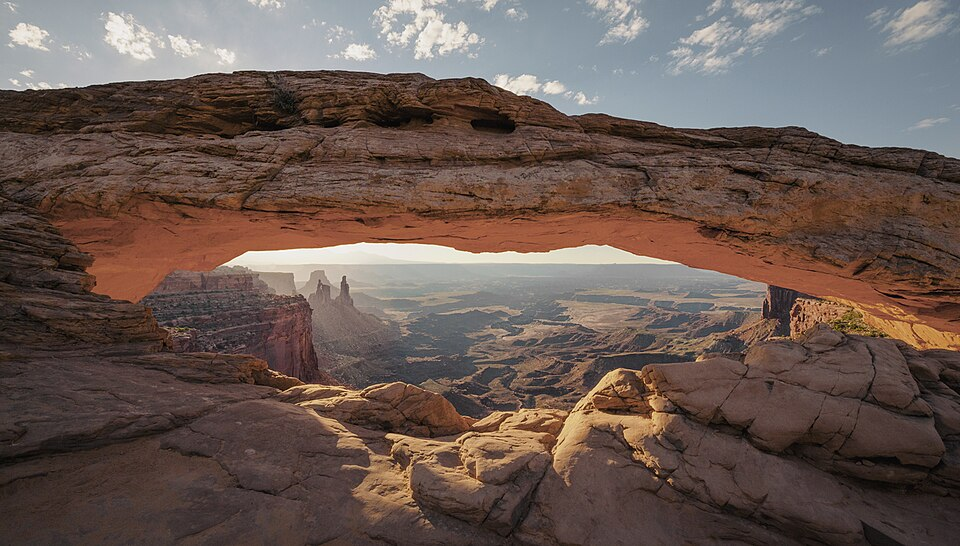
A short hike leading to one of the Southwest’s most photographed arches.
Grand View Point Trail
Features panoramic canyon views.
Murphy Point Trail
A quieter trail with rewarding scenery.
Island in the Sky Highlights
Mesa Arch
Particularly popular at sunrise.
Grand View Point
Offers sweeping views across deep canyons.
Green River Overlook
A stunning viewpoint overlooking the winding river below.
Best Time to Visit
Spring and fall provide the most comfortable temperatures for hiking and sightseeing.
Summer temperatures can become extremely hot, especially in exposed areas.
Visitor Tips
- Carry extra water.
- Fill fuel tanks before entering remote areas.
- Download maps in advance.
- Be prepared for limited services inside the park.
6. Capitol Reef National Park, Utah
Capitol Reef is often considered the most underrated member of Utah’s famous “Mighty Five” national parks.
While it receives fewer visitors than Zion or Arches, many travelers discover that Capitol Reef offers some of the Southwest’s most rewarding experiences.
Hidden Gem of Utah’s Mighty Five
Capitol Reef protects a massive geological feature called the Waterpocket Fold, a nearly 100-mile-long wrinkle in the Earth’s crust.
The park features:
- Colorful cliffs
- Deep canyons
- Natural bridges
- Historic orchards
- Scenic drives
Because visitor numbers are lower, many areas feel peaceful and uncrowded.
Scenic Drive Highlights
Capitol Reef Scenic Drive
A beautiful route through colorful rock formations and canyon landscapes.
Grand Wash
A narrow canyon with impressive rock walls.
Capitol Gorge
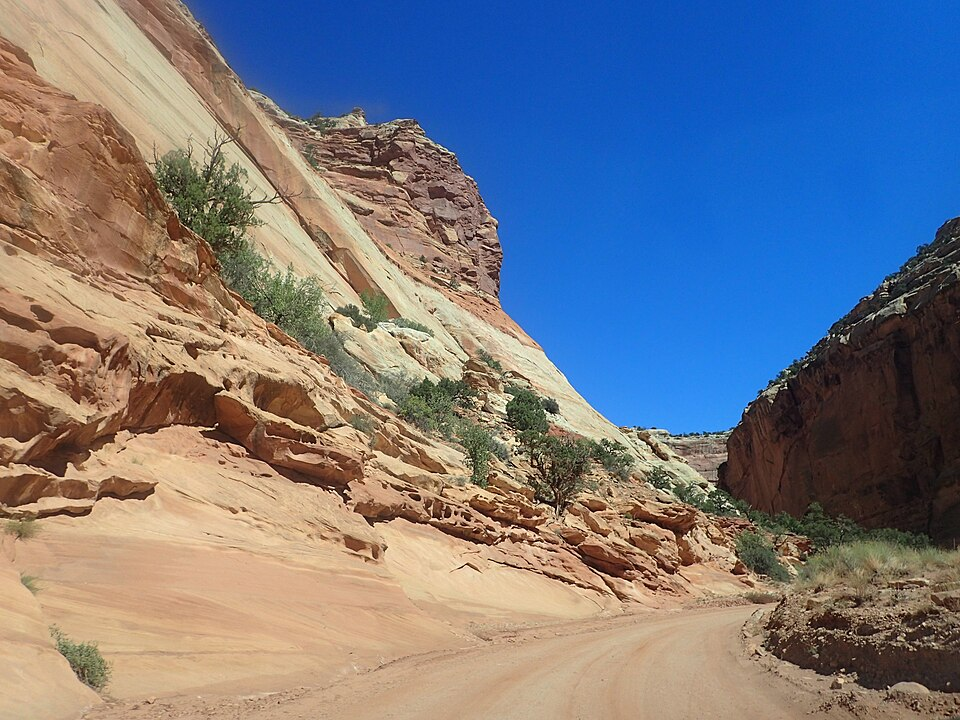
Features historic inscriptions left by early travelers.
Fruita Historic District
One of the park’s most unique attractions.
The Fruita area includes:
- Historic buildings
- Fruit orchards
- Picnic areas
- Visitor facilities
Seasonal fruit picking is often available, depending on harvest schedules.
Best Things to Do
Explore Hickman Bridge
A popular natural bridge accessible via a moderate hiking trail.
Drive Scenic Routes
Many visitors spend a full day exploring the park’s scenic roads.
Visit Fruita Orchards
A favorite activity for families and photographers.
Stargazing
Capitol Reef is recognized for its exceptionally dark night skies.
Visitor Tips
- Bring food and supplies.
- Expect fewer services than larger parks.
- Carry extra water.
- Allow time to explore beyond the main highway.
Best Time to Visit
Spring and fall provide ideal temperatures and comfortable hiking conditions.
Summer remains less crowded than many nearby parks but can still be very hot during the afternoon.
For travelers seeking beautiful landscapes without massive crowds, Capitol Reef is often one of the most rewarding national parks in the Southwest.
7. Mesa Verde National Park, Colorado
Mesa Verde National Park offers a completely different experience from many other Southwest parks. Instead of focusing mainly on natural landscapes, Mesa Verde protects one of the most important archaeological sites in North America.
The park preserves thousands of ancient cultural sites built by the Ancestral Pueblo people, who lived in the region for centuries.
Ancient Cliff Dwellings
Mesa Verde is most famous for its remarkable cliff dwellings. These stone structures were built directly into the sides of cliffs and remain among the best-preserved archaeological sites in the United States.
Visitors can see:
- Multi-room dwellings
- Ancient villages
- Ceremonial structures
- Storage rooms
- Historical artifacts
The craftsmanship and engineering skills demonstrated by these communities continue to impress visitors today.
Guided Tours
Many of the park’s most famous cliff dwellings can only be visited through ranger-guided tours.
Popular sites include:
Cliff Palace
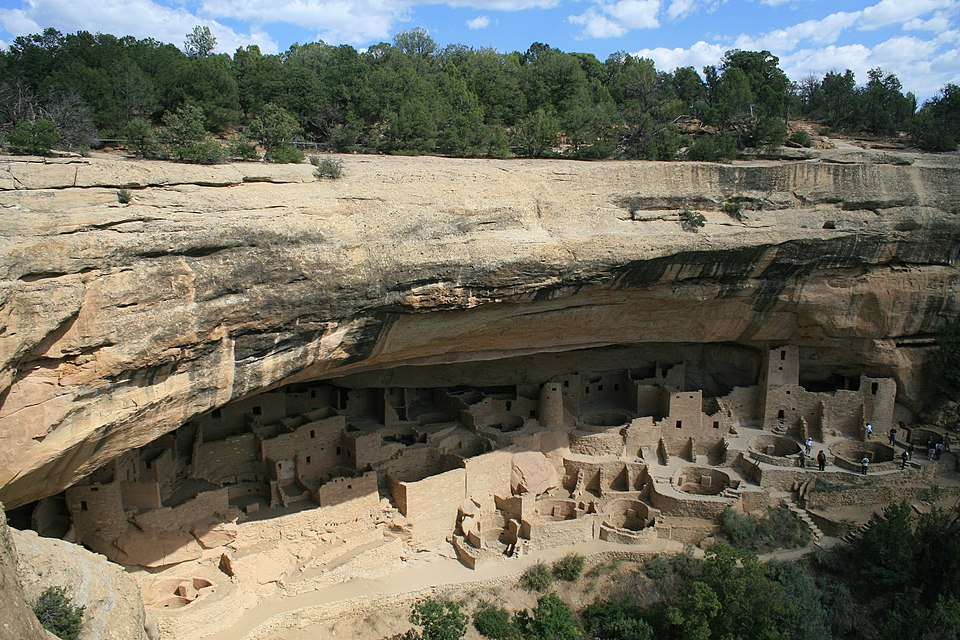
The largest cliff dwelling in North America and the park’s most famous attraction.
Balcony House
An adventurous tour involving ladders and narrow passageways.
Long House
One of the largest and most impressive archaeological sites in the park.
Cultural and Historical Significance
Mesa Verde provides valuable insight into the lives of the Ancestral Pueblo people.
Visitors can learn about:
- Ancient farming practices
- Community life
- Architecture
- Religious traditions
- Adaptation to challenging environments
Best Time to Visit
Summer is the most popular season because all facilities and tours are generally available.
Spring and fall offer fewer crowds and pleasant temperatures.
Visitor Tips
- Reserve guided tours early.
- Wear comfortable walking shoes.
- Bring water and sun protection.
- Allow at least one full day to explore the park.
8. Petrified Forest National Park, Arizona
Petrified Forest National Park is one of the most unique parks in the Southwest. It protects ancient fossilized trees that turned into colorful stone over millions of years.
The park also contains parts of the spectacular Painted Desert.
What Makes the Park Unique?
The park showcases prehistoric history through massive petrified logs scattered across the landscape.
These trees lived more than 200 million years ago and were gradually transformed into stone through mineral replacement.
Today, visitors can see brilliant colors including:
- Red
- Purple
- Blue
- Orange
- Yellow
Painted Desert Highlights
The Painted Desert features colorful badlands stretching across northern Arizona.
Changing sunlight throughout the day creates constantly shifting colors across the landscape.
Popular viewpoints include:
- Tawa Point
- Kachina Point
- Pintado Point
- Chinde Point
Best Scenic Stops
Crystal Forest
One of the best places to view petrified wood.
Blue Mesa
Known for striking blue and purple badlands.
Newspaper Rock
Features hundreds of ancient petroglyphs.
Agate Bridge
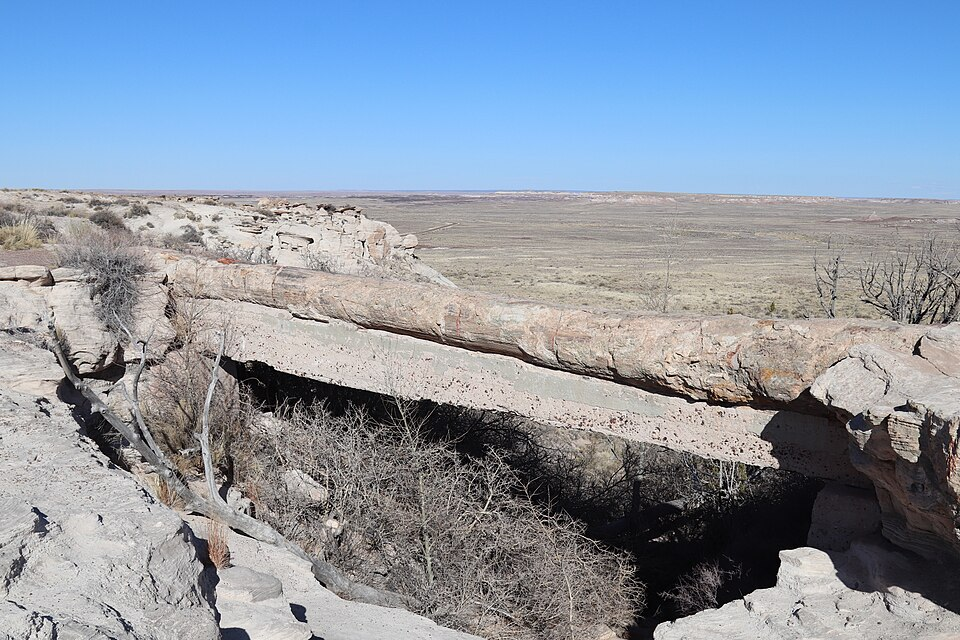
A large petrified log naturally spanning a small ravine.
Visitor Information
The park is easy to explore by car thanks to its scenic road connecting major attractions.
Most visitors spend half a day to a full day exploring the park.
Best Time to Visit
Fall and spring offer pleasant temperatures and excellent visibility.
Summer can be hot but remains manageable compared to some desert parks.
9. Great Sand Dunes National Park, Colorado
Great Sand Dunes National Park protects the tallest sand dunes in North America.
Rising dramatically against a backdrop of mountains, the dunes create one of the most unexpected landscapes in the Southwest.
Massive Sand Dunes Explained
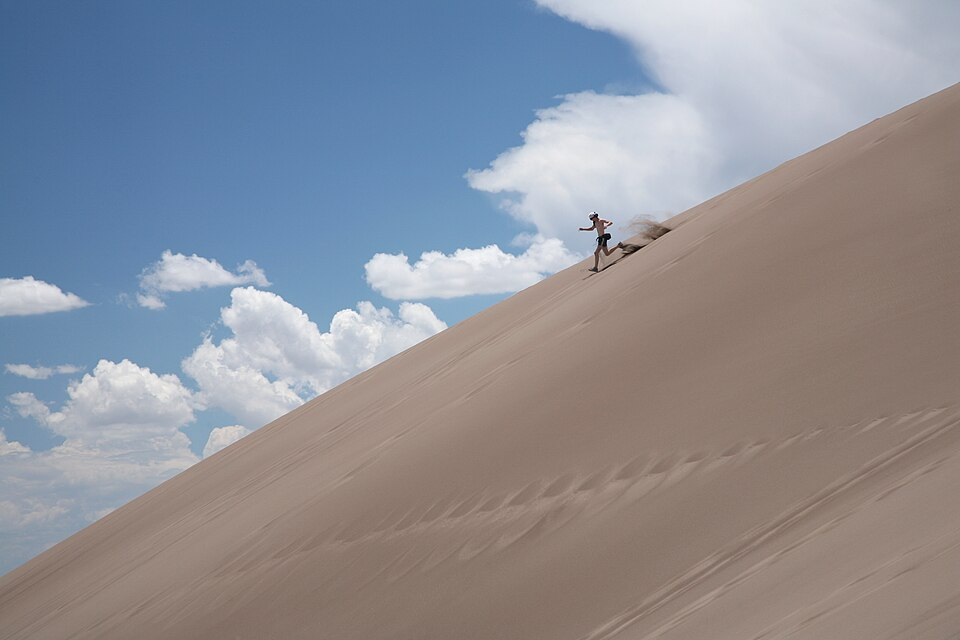
Some dunes rise more than 700 feet above the surrounding valley floor.
Scientists believe winds and geological forces gradually accumulated sand over thousands of years to create these enormous formations.
Sandboarding and Sledding
One of the park’s most popular activities is sliding down the dunes.
Visitors can:
- Rent sandboards
- Try sand sledding
- Explore dune fields
- Enjoy family-friendly adventures
These activities make Great Sand Dunes especially popular with children and adventure seekers.
Stargazing Opportunities
The park’s remote location creates excellent dark-sky conditions.
On clear nights, visitors can often see:
- The Milky Way
- Meteor showers
- Thousands of stars
- Planetary observations
Best Season to Visit
Spring is often considered the ideal time because temperatures are comfortable and seasonal streams flow across the sand.
Summer is popular but can bring very hot sand surfaces.
Visitor Tips
- Wear footwear suitable for hot sand.
- Bring more water than expected.
- Start hikes early in the morning.
- Protect electronics from blowing sand.
10. Carlsbad Caverns National Park, New Mexico
Carlsbad Caverns offers one of the most fascinating underground experiences in North America.
The park protects more than 100 caves formed through unique geological processes over millions of years.
Underground Cave System Overview
The main attraction is the famous Big Room, one of the largest underground chambers in North America.
Visitors are often amazed by:
- Massive cave formations
- Underground chambers
- Stalactites
- Stalagmites
- Unique rock features
Self-Guided vs Ranger Tours
Self-Guided Tours
Perfect for first-time visitors wanting flexibility.
Ranger-Guided Tours
Provide access to areas not available through standard routes and offer deeper educational experiences.
Bat Flight Program
One of the park’s most famous events occurs during warmer months.
Thousands of bats emerge from cave entrances at sunset in search of food.
Many visitors consider this one of the most memorable wildlife experiences in the Southwest.
Essential Visitor Tips
- Bring a light jacket because cave temperatures remain cool year-round.
- Reserve tickets when required.
- Arrive early during peak seasons.
- Follow cave conservation rules.
Best Time to Visit
The park can be visited year-round.
Summer is especially popular due to the seasonal bat flight program.
Best National Parks for Different Types of Travelers
Best National Parks for First-Time Visitors
- Grand Canyon National Park
- Zion National Park
- Bryce Canyon National Park
These parks offer iconic scenery and easy access to major attractions.
Best Parks for Families
- Great Sand Dunes National Park
- Bryce Canyon National Park
- Arches National Park
Families appreciate the accessible trails and interactive outdoor experiences.
Best Parks for Hiking
- Zion National Park
- Canyonlands National Park
- Grand Canyon National Park
These parks offer trails ranging from beginner walks to challenging backcountry adventures.
Best Parks for Photography
- Arches National Park
- Bryce Canyon National Park
- Grand Canyon National Park
The dramatic lighting and colorful landscapes create endless photo opportunities.
Best Parks for Scenic Drives
- Capitol Reef National Park
- Canyonlands National Park
- Petrified Forest National Park
These parks allow visitors to experience incredible scenery with minimal hiking.
Best Parks for Avoiding Crowds
- Capitol Reef National Park
- Great Sand Dunes National Park
- Petrified Forest National Park
They typically receive fewer visitors than more famous destinations.
Suggested Southwest USA National Parks Road Trip Itineraries
5-Day Southwest National Parks Trip
Day 1: Arrive at Zion
Day 2: Explore Zion
Day 3: Bryce Canyon
Day 4: Capitol Reef
Day 5: Return Journey
7-Day Utah Mighty Five Road Trip
Day 1–2: Zion
Day 3: Bryce Canyon
Day 4: Capitol Reef
Day 5: Canyonlands
Day 6–7: Arches
10-Day Ultimate Southwest Adventure
Include:
- Grand Canyon
- Zion
- Bryce Canyon
- Capitol Reef
- Canyonlands
- Arches
This route covers many of the Southwest’s most famous landscapes.
14-Day Complete Southwest National Parks Journey
Add:
- Mesa Verde
- Great Sand Dunes
- Petrified Forest
- Carlsbad Caverns
This itinerary provides a comprehensive Southwest experience.
Best Time to Visit Southwest USA National Parks
Spring (March–May)
Advantages:
- Comfortable temperatures
- Wildflowers
- Excellent hiking conditions
Often considered the best overall season.
Summer (June–August)
Advantages:
- Long daylight hours
- Family vacation season
Challenges:
- Crowds
- High temperatures
Fall (September–November)
Advantages:
- Cooler weather
- Fewer crowds
- Beautiful lighting
Many experienced travelers prefer this season.
Winter (December–February)
Advantages:
- Quiet parks
- Unique snowy landscapes
- Lower accommodation costs
Some roads and facilities may have seasonal closures.
National Park Passes and Entrance Fees
America the Beautiful Pass Explained
This annual pass provides access to hundreds of federal recreation sites across the United States.
The pass is especially valuable for travelers visiting multiple national parks during the year.
Is the Annual Pass Worth It?
For most Southwest road trips, the answer is yes.
Visiting only a few major parks can often justify the cost of the pass.
Money-Saving Tips
- Purchase passes before your trip.
- Combine multiple parks into one vacation.
- Check eligibility for special discounts.
Essential Packing List for Southwest National Parks
Clothing
- Moisture-wicking shirts
- Hiking pants
- Lightweight jacket
- Extra layers
Hiking Gear
- Hiking boots
- Daypack
- Trekking poles
- Navigation tools
Sun Protection
- Sunscreen
- Sunglasses
- Wide-brim hat
- Lip balm
Water and Hydration Essentials
- Reusable water bottles
- Hydration reservoir
- Electrolyte supplements
Photography Equipment
- Camera
- Extra batteries
- Memory cards
- Tripod
Safety Tips for Visiting Southwest National Parks
Heat Safety
Desert temperatures can become dangerous quickly.
Drink water regularly and avoid strenuous activity during peak afternoon heat.
Wildlife Awareness
Observe wildlife from a safe distance and never feed animals.
Flash Flood Precautions
Many Southwest parks contain slot canyons vulnerable to sudden flooding.
Always check weather forecasts before entering narrow canyon areas.
Hiking Safety Guidelines
- Inform someone of your plans.
- Carry emergency supplies.
- Stay on marked trails.
- Turn back if conditions become unsafe.
Frequently Asked Questions
Which national park is best in the Southwest USA?
Grand Canyon National Park is often considered the most iconic, while Zion National Park is frequently ranked as the best for hiking.
How many national parks are in the Southwest USA?
The exact number depends on how the region is defined, but the Southwest contains numerous national parks spread across Arizona, Utah, New Mexico, Colorado, Nevada, and Texas.
What is the best month to visit Southwest national parks?
April, May, September, and October generally provide the most comfortable weather.
Is a Southwest national parks road trip worth it?
Yes. The region offers some of the most diverse and spectacular landscapes in North America.
Which Southwest national park is best for hiking?
Zion National Park is often considered the top hiking destination due to trails like Angels Landing and The Narrows.
Which national park has the fewest crowds?
Capitol Reef National Park is commonly considered one of the least crowded major national parks in the Southwest.
How many days do you need for a Southwest USA national parks trip?
A week allows visitors to experience several parks, while two weeks provides a more complete regional adventure.
Should I buy the America the Beautiful Pass?
If you plan to visit multiple national parks in a single year, the pass is usually an excellent value.
Final Thoughts
The Southwest United States contains some of the most extraordinary national parks on Earth. Whether you want to stand on the edge of the Grand Canyon, hike through Zion’s towering cliffs, photograph the arches of Utah, explore ancient cliff dwellings, or venture deep underground into Carlsbad Caverns, the region offers unforgettable experiences for every traveler.
For first-time visitors, Grand Canyon, Zion, Bryce Canyon, and Arches should be at the top of the list. Travelers with more time can expand their journey to include hidden gems such as Capitol Reef, Great Sand Dunes, Petrified Forest, and Mesa Verde.
No matter which parks you choose, careful planning, proper preparation, and respect for these protected landscapes will help ensure an amazing Southwest adventure in 2026 and beyond.
Read Also: How Many National Parks Are in Utah? Complete Guide to Utah’s Mighty 5