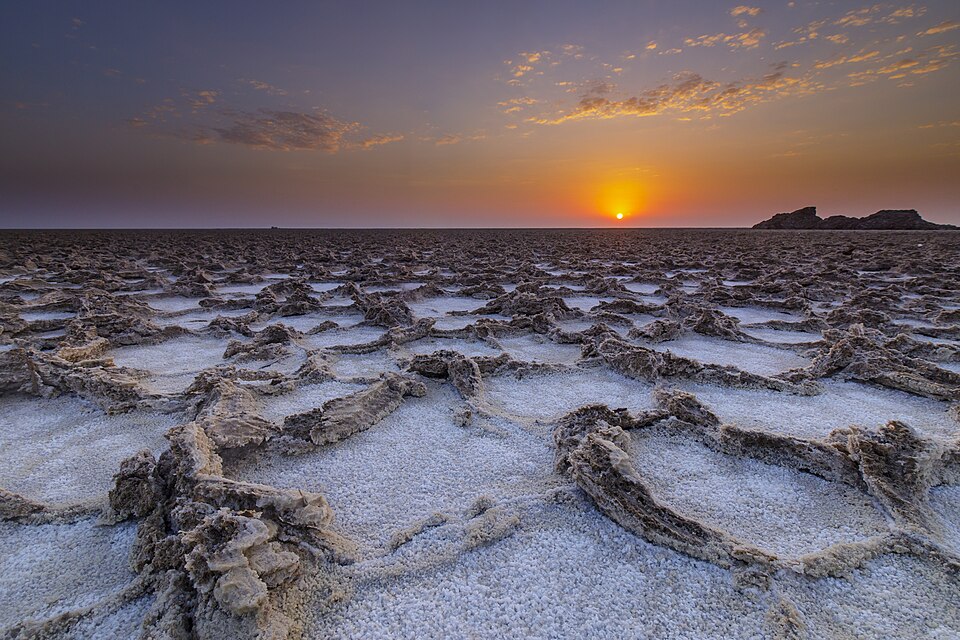
Parks Where Sunrise Entry Is Allowed: Your Complete Guide
For travelers who enjoy early mornings, few experiences compare to watching the first sunlight spread across mountains, forests, lakes, or canyons inside a national park. But not every park allows visitors to enter before regular opening hours. Some parks stay open 24 hours, while others require reservations, permits, or overnight stays if you want to catch sunrise from inside the park.
If you’re planning a sunrise adventure, knowing which parks welcome early visitors can save you from arriving at a locked entrance or missing the best light. This guide explains where sunrise entry is commonly allowed, what restrictions you may encounter, and how to plan a smooth early-morning visit.
Why Sunrise Entry Matters
Sunrise offers a completely different park experience than the middle of the day. Temperatures are cooler, wildlife is often more active, crowds are smaller, and photographers enjoy softer natural light.
For many visitors, arriving before sunrise is worth the early alarm because it provides:
- Peaceful trails with fewer people
- Better wildlife viewing opportunities
- Comfortable hiking temperatures during warmer months
- Ideal lighting for photography
- A chance to enjoy popular viewpoints before parking fills up
However, access depends on how each park manages its entrances.
Not All National Parks Have the Same Entry Rules
One common mistake is assuming every U.S. national park operates around the clock. In reality, entrance policies vary.
Generally, parks fall into three categories:
Parks That Stay Open 24 Hours
Many large national parks allow vehicle access at any time, although entrance stations may be unstaffed overnight. Visitors are still expected to pay entrance fees using self-service kiosks or digital payment systems where available.
These parks often make sunrise visits relatively easy.
Examples include parks where roads remain accessible outside ranger station hours, although temporary closures due to weather or maintenance can still occur.
Parks With Limited Entrance Hours
Some parks lock entrance gates overnight for visitor safety or staffing reasons.
Even if sunrise is a major attraction, you may not be able to drive inside before opening time unless you already have permission through camping, lodging, or a special permit.
Parks With Seasonal Restrictions
Certain parks adjust operating hours depending on:
- Winter snow conditions
- Road construction
- Fire danger
- Wildlife protection
- Seasonal staffing
A sunrise plan that works in summer may not be possible during winter.
Parks Commonly Known for Sunrise Visits
Several national parks are especially popular for early morning viewing because access is generally available or easily arranged.
Yellowstone National Park
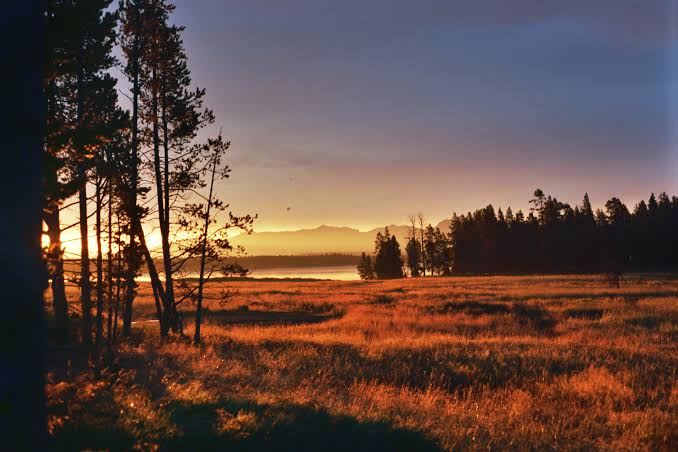
Yellowstone’s roads are typically accessible around the clock during operating seasons, making sunrise one of the best times to spot wildlife such as bison, elk, and sometimes wolves from a safe distance.
Morning also brings quieter roads before daytime traffic increases.
Grand Canyon National Park (South Rim)
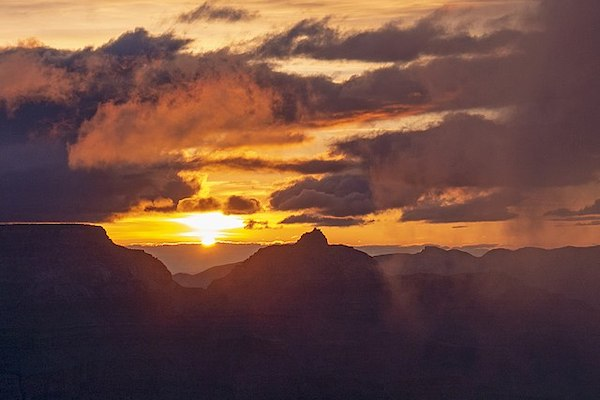
The South Rim is famous for sunrise viewpoints like Mather Point and Yaki Point. Many visitors arrive well before sunrise to secure parking and enjoy changing canyon colors.
Road access is generally available throughout the day, although shuttle operations follow scheduled hours.
Read Also: Grand Canyon Admission Charge Guide for Visitors 2026
Zion National Park
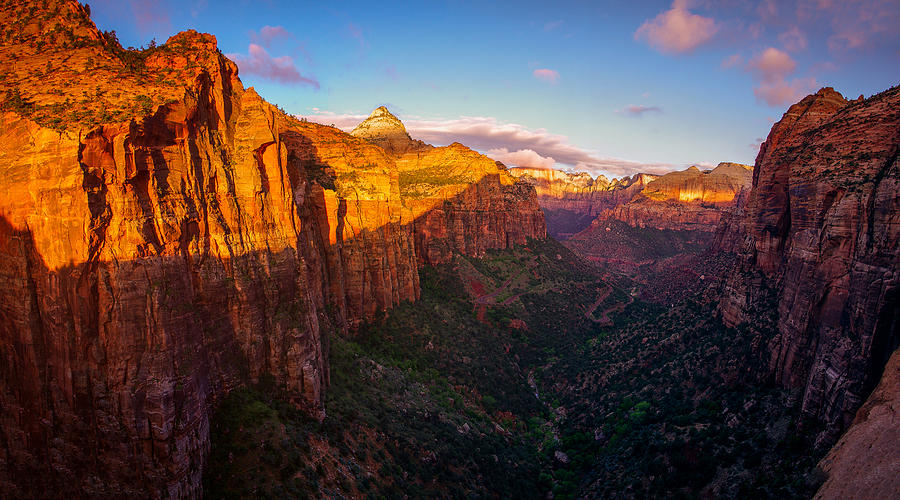
Sunrise can be spectacular, but planning depends on the season.
During shuttle seasons, private vehicle access to Zion Canyon is restricted. Visitors wanting sunrise inside the canyon should carefully review current shuttle schedules or stay inside the park where permitted.
Great Smoky Mountains National Park
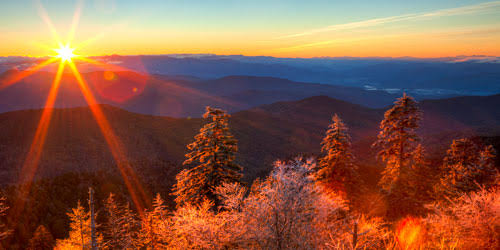
The park never officially closes, making sunrise visits to overlooks such as Clingmans Dome area (when roads are open seasonally) especially popular.
Fog-filled valleys often create dramatic morning scenery.
Acadia National Park
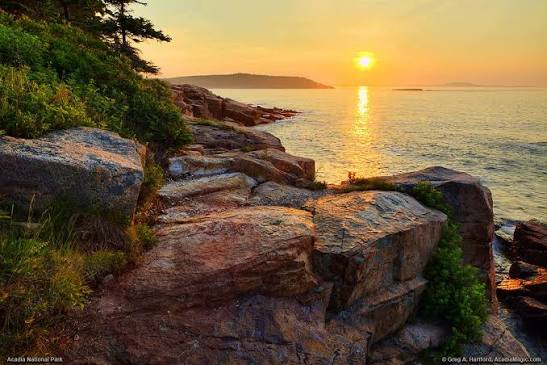
Acadia is famous for being one of the first places in the United States to see the sunrise during parts of the year.
Cadillac Mountain attracts large sunrise crowds, but vehicle reservations may be required during certain seasons. Visitors should confirm current reservation requirements before planning a sunrise drive.
Situations Where Sunrise Entry May Be Difficult
Even parks that usually allow early access can present challenges.
You may encounter:
- Temporary road closures
- Construction projects
- Weather-related gate closures
- Wildfire restrictions
- Flood damage
- Snow removal operations
Some scenic roads also open later in the morning after safety inspections.
Always check the park’s latest alerts before leaving your accommodation.
Staying Inside the Park Makes Sunrise Easier
If sunrise is your main goal, consider booking accommodation inside the park.
Options may include:
- National park lodges
- Campgrounds
- Backcountry campsites (with permits where required)
Staying inside reduces driving time and eliminates concerns about arriving before entrance gates open.
It also gives you flexibility if sunrise times change slightly throughout the season.
Planning Your Morning Timeline
Many first-time visitors underestimate how early they need to leave.
A practical schedule often looks like this:
- Check sunrise time for your visit date.
- Arrive at your viewpoint at least 30–45 minutes before sunrise.
- Allow extra driving time in darkness.
- Add time for parking and walking to overlooks.
- Carry a flashlight or headlamp if hiking before daylight.
The most beautiful colors often appear before the sun actually rises above the horizon.
Safety Tips for Early Morning Visits
Exploring a park before daylight requires extra preparation.
Bring:
- Warm layers, even during summer
- A fully charged phone
- Water and light snacks
- Flashlight or headlamp
- Offline maps in case cell service is limited
Drive carefully because wildlife frequently crosses roads around sunrise.
If hiking, stay on marked trails and avoid walking alone in unfamiliar areas when visibility is limited.
Photography Tips for Sunrise
Morning light changes quickly, so preparation helps.
Some useful tips include:
- Reach your location early enough to set up equipment.
- Use a tripod if photographing landscapes in low light.
- Include foreground elements for more depth.
- Stay after sunrise for another 20–30 minutes, as lighting often improves.
- Dress warmly since you’ll likely remain still while waiting.
Even smartphone cameras can capture impressive sunrise photos with good composition.
Check Official Information Before You Go
National parks regularly update:
- Entrance hours
- Road conditions
- Reservation requirements
- Shuttle schedules
- Weather alerts
- Temporary closures
Because these conditions can change without much notice, always verify the latest visitor information on the official National Park Service website before your trip. This is especially important if sunrise photography or hiking is the main reason for your visit.
Frequently Asked Questions
Can I enter every national park before sunrise?
No. Some parks allow 24-hour access, while others lock entrance gates overnight or have seasonal operating hours.
Do I need a reservation for sunrise?
Most parks do not require one simply for sunrise entry, but certain locations or scenic roads may have timed-entry or vehicle reservation systems during busy seasons.
Is it safe to hike before sunrise?
It can be, provided you stay on established trails, carry proper lighting, check weather conditions, and prepare for wildlife encounters. Beginners should avoid unfamiliar or difficult trails in darkness.
What if the entrance station is closed?
In many parks, entrance stations close while roads remain open. Visitors are still responsible for paying applicable entrance fees using the park’s approved payment methods.
Make Sunrise Part of Your Park Experience
A sunrise visit often becomes one of the most memorable moments of a national park trip. Cooler temperatures, quieter landscapes, and beautiful morning light create an atmosphere that’s difficult to experience later in the day. With a little planning—and by confirming current park access rules before you travel—you’ll be well prepared to enjoy the day from its very first light.