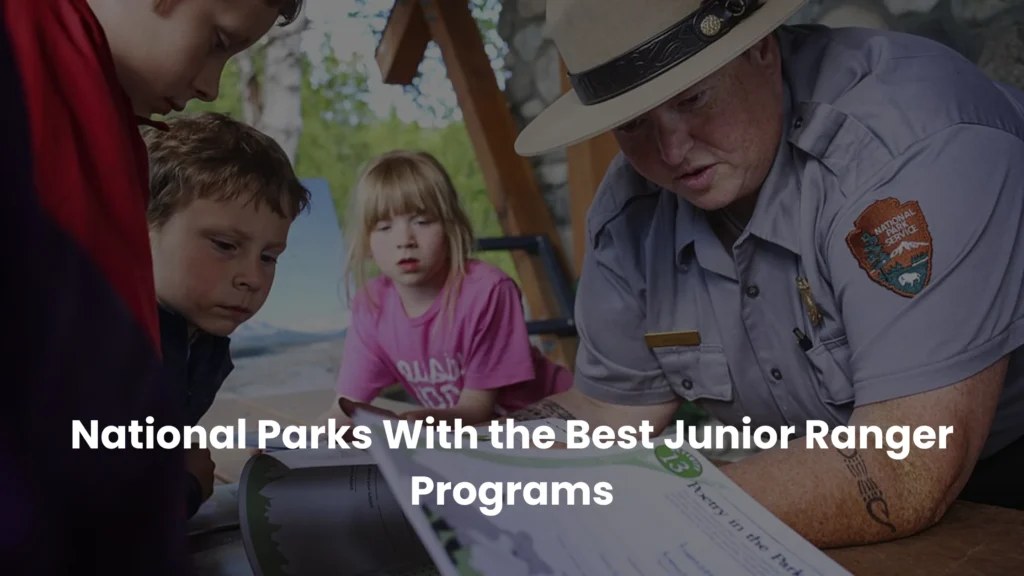
National Parks With the Best Junior Ranger Programs
America’s national parks are often seen as destinations for hikers, photographers, and nature lovers. But for families traveling with children, there is another side to the national park experience that many visitors overlook—the Junior Ranger Program.
At first glance, it may seem like a simple activity book handed out at a visitor center. In reality, the Junior Ranger Program is one of the most successful educational programs in the United States. It transforms a family vacation into a hands-on adventure where children learn about wildlife, geology, history, conservation, and cultural heritage while exploring some of the country’s most incredible landscapes.
Children who complete program activities earn an official Junior Ranger badge, patch, or certificate. For many kids, collecting these badges becomes just as exciting as seeing waterfalls, wildlife, or famous landmarks.
While almost every national park offers some version of the Junior Ranger Program, a few parks stand out for their creativity, educational value, and overall experience. These parks go beyond a simple workbook and create memorable adventures that children talk about long after the trip ends.
What Is the Junior Ranger Program?
The Junior Ranger Program is operated by the National Park Service and is designed to help children engage with park resources in a fun and meaningful way.
Most programs work like this:
- Visit a park visitor center
- Pick up a Junior Ranger activity booklet
- Complete age-appropriate activities
- Attend ranger talks when available
- Return the completed booklet
- Take the Junior Ranger pledge
- Receive an official badge or certificate
Activities often include:
- Wildlife observation
- Nature scavenger hunts
- History challenges
- Mapping exercises
- Conservation lessons
- Creative drawing projects
Many parks now offer digital and online Junior Ranger activities as well.
Why Some Junior Ranger Programs Are Better Than Others
Not all Junior Ranger programs provide the same experience.
Some parks offer only a few pages of activities, while others create immersive educational adventures with specialized badges, ranger-led programs, and hands-on learning opportunities.
The best programs usually include:
- Interactive learning
- Multiple activity options
- Strong educational content
- Opportunities to meet park rangers
- Unique badges or patches
- Activities connected directly to park features
The following national parks consistently rank among the most rewarding Junior Ranger experiences for families.
Yellowstone National Park
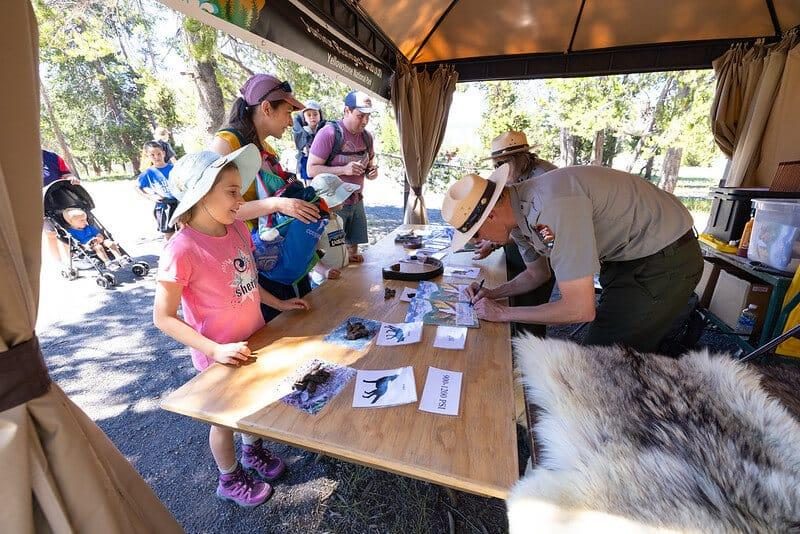
Yellowstone National Park offers one of the most comprehensive Junior Ranger programs in the country.
The park’s activity book encourages children to explore geothermal features, wildlife habitats, forests, rivers, and conservation efforts.
What makes Yellowstone special is the variety of learning opportunities.
Kids can:
- Learn how geysers work
- Identify animal tracks
- Study wolves and bears
- Explore volcanic geology
- Understand ecosystem balance
Because Yellowstone is enormous, children experience different environments during the same trip, making the workbook feel like a real exploration mission rather than a simple checklist.
Many families consider Yellowstone’s badge one of the most memorable in the entire National Park System.
Best Age Range
6 to 12 years old
Grand Canyon National Park
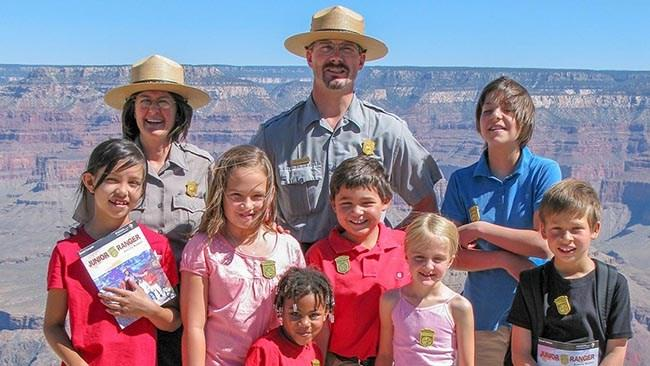
Grand Canyon National Park turns one of the world’s most famous landscapes into a giant outdoor classroom.
The Junior Ranger activities focus on:
- Canyon geology
- Rock layers
- Native cultures
- Wildlife
- Water conservation
Children often become fascinated by the fact that the canyon tells a story spanning nearly two billion years of Earth’s history.
The program encourages observation rather than simply providing answers. Kids learn to look closely at the landscape and understand why the canyon looks the way it does today.
Ranger-led talks often enhance the experience and help children connect with the park on a deeper level.
Great Smoky Mountains National Park
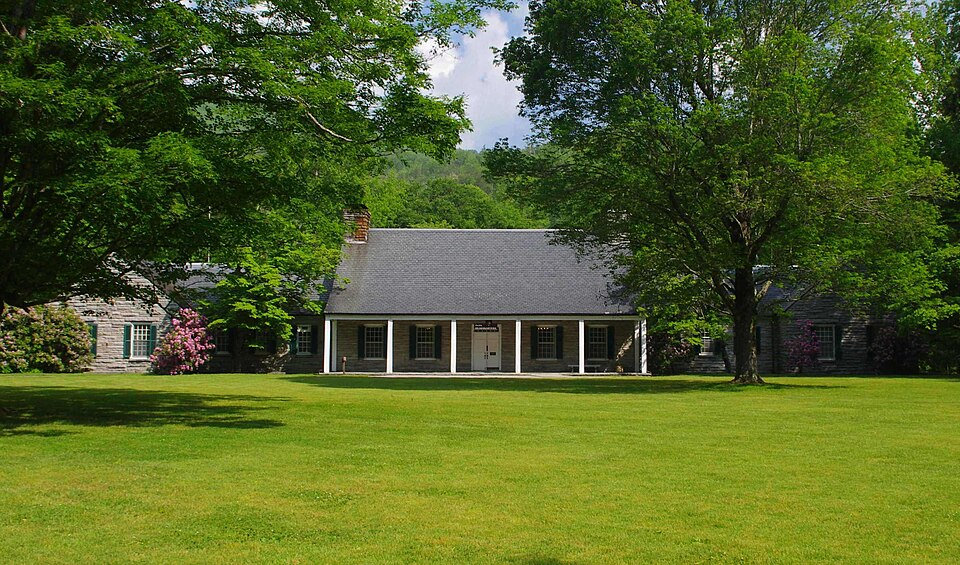
Great Smoky Mountains National Park is one of the most family-friendly parks in America, and its Junior Ranger program reflects that reputation.
The park focuses heavily on biodiversity.
Children discover:
- Salamanders
- Wildflowers
- Forest ecosystems
- Mountain streams
- Appalachian history
Because the Smokies are rich in wildlife and easy hiking trails, families can complete many Junior Ranger activities without strenuous hiking.
Children often enjoy the wildlife observation sections because animals are relatively easy to spot compared with some western parks.
The educational material feels practical and closely connected to what kids actually see during their visit.
Acadia National Park
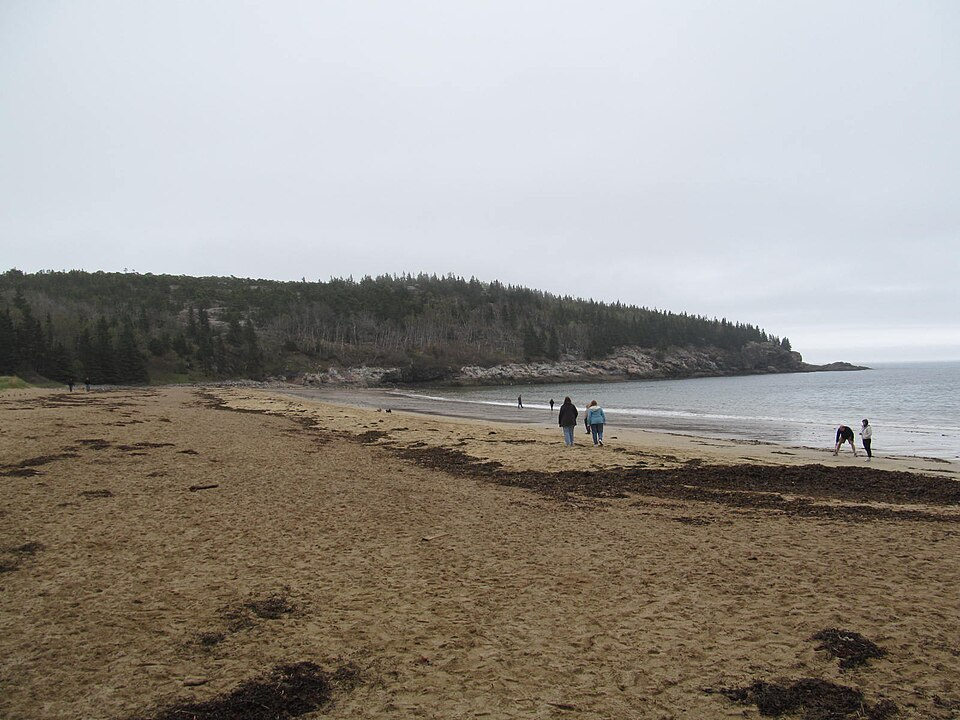
Acadia National Park offers one of the most creative coastal Junior Ranger experiences.
Unlike many parks that focus primarily on mountains or forests, Acadia introduces children to marine ecosystems and coastal environments.
Activities include:
- Tide pool exploration
- Seabird identification
- Coastal conservation
- Ocean ecology
- Lighthouse history
Children learn how life adapts to harsh coastal conditions while exploring rocky shorelines and scenic viewpoints.
The combination of ocean landscapes and hands-on activities makes Acadia especially appealing for curious young explorers.
Yosemite National Park

Yosemite National Park combines natural beauty with one of the most respected educational programs in the National Park System.
Yosemite’s Junior Ranger activities focus on:
- Granite cliffs
- Waterfalls
- Black bears
- Forest ecology
- Leave No Trace principles
Many activities encourage children to become active observers rather than passive visitors.
The park’s spectacular scenery naturally keeps children engaged.
When kids stand beneath giant sequoias or watch waterfalls plunge from towering cliffs, the educational lessons become easier to remember.
Yosemite also offers seasonal ranger programs specifically designed for families.
Read Also: Is Yosemite National Park Open? Complete Visitor Guide (2026 Update)
Everglades National Park
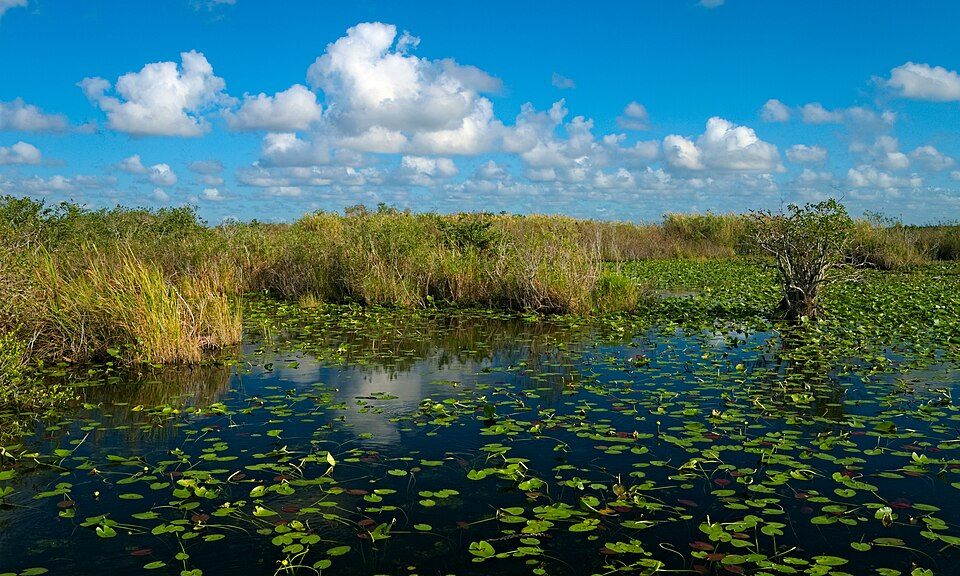
Everglades National Park provides one of the most unique Junior Ranger experiences in America.
The Everglades ecosystem is unlike anything most children have ever seen.
Activities focus on:
- Wetlands
- Alligators
- Crocodiles
- Mangrove forests
- Water systems
- Endangered species
Kids quickly learn that the Everglades is not simply a swamp but one of the most important ecosystems in North America.
Wildlife sightings often make the learning experience especially memorable.
Seeing an alligator after reading about it in the activity booklet creates a strong connection between education and real-world observation.
Rocky Mountain National Park
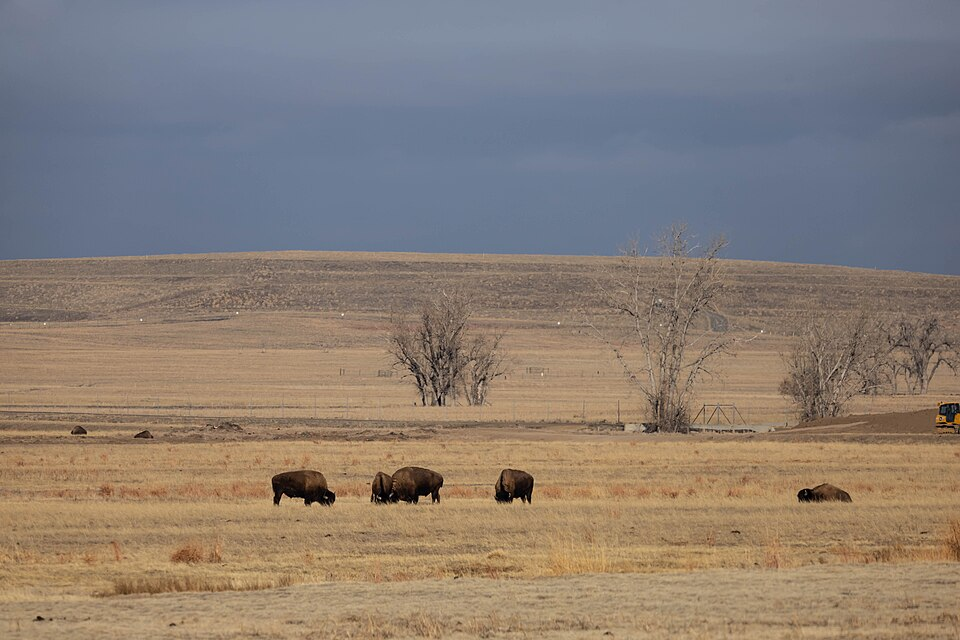
Rocky Mountain National Park offers a Junior Ranger program built around high-altitude environments.
Children learn about:
- Alpine tundra
- Mountain wildlife
- Weather patterns
- Conservation
- Ecosystem adaptation
Elk sightings frequently become highlights of the trip.
The program helps children understand how plants and animals survive in challenging mountain conditions.
Many families appreciate how the activities encourage curiosity about science and environmental stewardship.
Olympic National Park
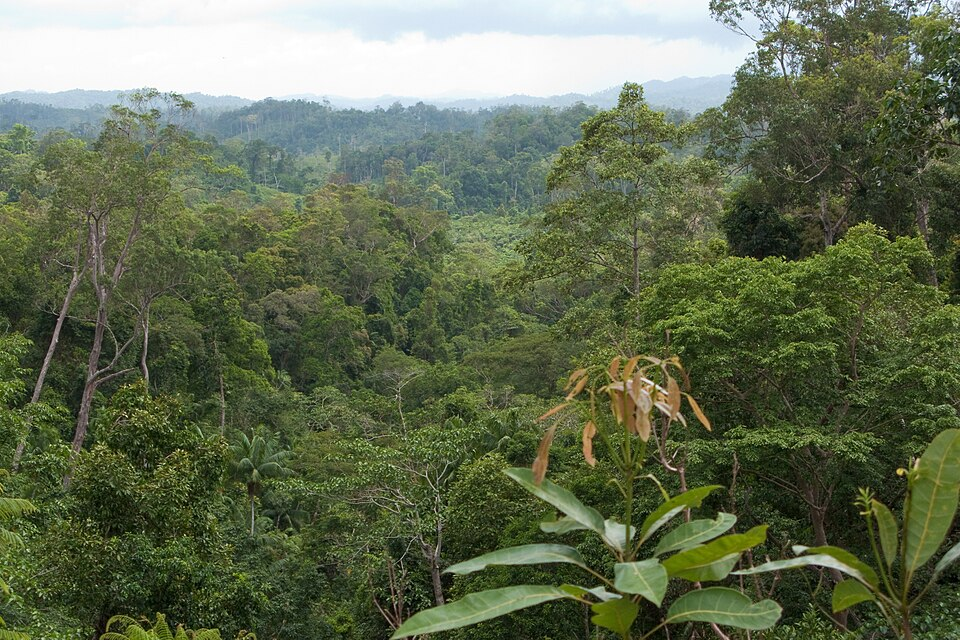
Olympic National Park may offer one of the most diverse Junior Ranger experiences in the country.
Few parks contain:
- Mountains
- Rainforests
- Beaches
- Rivers
- Wildlife habitats
Because children can experience multiple ecosystems in a single trip, the educational opportunities are exceptional.
The Junior Ranger activities encourage comparisons between environments and help children understand how ecosystems are connected.
Many parents find Olympic’s program surprisingly educational without feeling overly academic.
Mesa Verde National Park
Mesa Verde National Park provides something many parks cannot—direct interaction with ancient human history.
Children explore:
- Cliff dwellings
- Archaeology
- Indigenous cultures
- Ancient architecture
- Cultural preservation
The Junior Ranger activities help children understand that national parks protect history as well as nature.
For families interested in culture and history, Mesa Verde is one of the most rewarding Junior Ranger destinations in the United States.
Carlsbad Caverns National Park
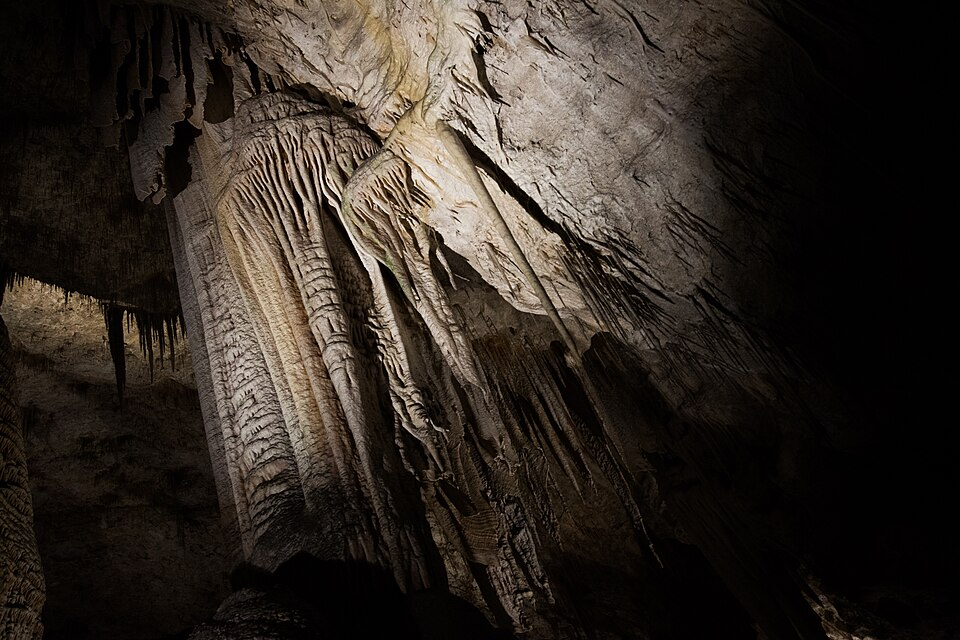
Carlsbad Caverns National Park offers an underground adventure that immediately captures children’s attention.
The cave environment creates a sense of mystery and excitement.
Activities focus on:
- Cave formation
- Bats
- Underground ecosystems
- Geology
- Conservation
Many children consider this one of the most unusual Junior Ranger experiences because much of the learning takes place beneath the Earth’s surface.
Tips for Families Collecting Junior Ranger Badges
Many families turn Junior Ranger programs into a long-term hobby.
A few helpful tips include:
Bring a Small Notebook
Children can record wildlife sightings, ranger talks, and interesting discoveries from each park.
Visit the Visitor Center Early
Some programs require extra activities that are easier to complete when you start early.
Attend Ranger Programs
Live ranger presentations often count toward Junior Ranger requirements and make the experience more memorable.
Save Every Badge
Many children enjoy creating a collection board or scrapbook featuring badges from different parks.
Encourage Independent Exploration
Allow children to complete activities themselves whenever possible. The program works best when kids feel ownership of their discoveries.
Why Junior Ranger Programs Matter
The true value of the Junior Ranger Program goes far beyond earning a badge.
These programs help children:
- Develop curiosity
- Learn scientific thinking
- Respect wildlife
- Understand conservation
- Connect with history
- Appreciate public lands
Many adults who visit national parks today were introduced to conservation through Junior Ranger activities as children.
A simple booklet can inspire a lifelong appreciation for nature, history, and environmental stewardship.
Final Thoughts
The best Junior Ranger programs do more than entertain children. They turn national parks into living classrooms where learning happens naturally through exploration.
Whether your family visits Yellowstone’s geysers, Yosemite’s giant cliffs, Acadia’s rocky coastline, or the ancient dwellings of Mesa Verde, the Junior Ranger experience adds another layer of discovery to the trip.
If your goal is to help children engage with nature instead of simply observing it from a distance, participating in a Junior Ranger program is one of the most rewarding activities available in America’s national parks.
The badge may be small, but the memories and lessons often last a lifetime.
FAQs
Is the Junior Ranger Program free?
Most national parks offer the Junior Ranger Program free of charge. Some parks may charge a small fee for special activity books or badges, but the majority are free.
What age is the Junior Ranger Program designed for?
Most programs are designed for children between 5 and 13 years old, although many parks offer activities for younger children, teenagers, and even adults.
Can children earn more than one Junior Ranger badge?
Yes. Every participating national park typically offers its own badge, allowing children to build a collection over time.
Do adults participate in Junior Ranger programs?
Many adults complete the activities alongside their children, and some parks even offer special programs for adult learners.
Which national park has the most educational Junior Ranger program?
Yellowstone, Yosemite, Olympic, and Grand Canyon are often considered among the most educational because of their diverse natural features and extensive ranger-led activities.
Is the Junior Ranger badge worth collecting?
For many families, collecting Junior Ranger badges becomes one of the most enjoyable parts of visiting national parks because it encourages children to actively engage with each destination.