Is Cumberland Gap a National Park in Blue Ridge? A Complete Guide for Visitors
Many travelers exploring the Appalachian Mountains often ask: “Is Cumberland Gap a national park in Blue Ridge?” The question is understandable because both Cumberland Gap and the Blue Ridge region are famous for scenic mountain landscapes, hiking trails, wildlife, and rich American history.
However, the answer is not as simple as a yes or no. Cumberland Gap is indeed a protected national park site managed by the National Park Service, but it is not actually located within the Blue Ridge Mountains. Instead, it sits farther west in the Appalachian Mountain system, where Kentucky, Tennessee, and Virginia meet.
What Is Cumberland Gap?
Cumberland Gap is a natural mountain pass through the Appalachian Mountains. For thousands of years, Native American tribes used this passage as a travel route through the rugged mountains.
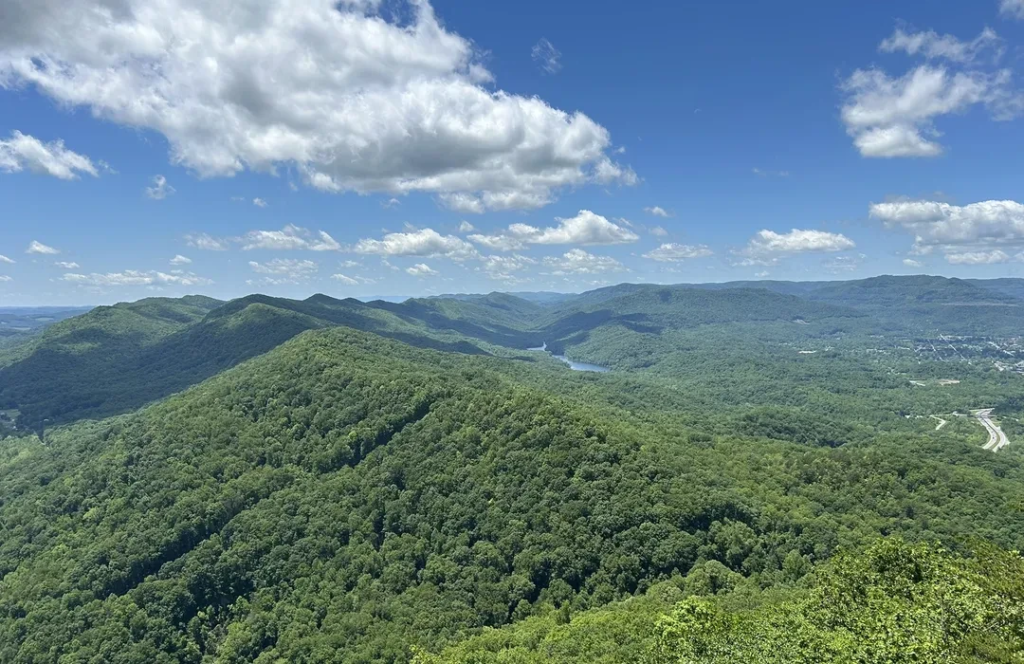
Later, European settlers and pioneers traveling westward relied on Cumberland Gap as one of the most important gateways into the American frontier.
Today, the area is protected as:
Cumberland Gap National Historical Park
The park preserves:
- Historic pioneer routes
- Mountain landscapes
- Wildlife habitats
- Historic settlements
- Cave systems
- Scenic overlooks
- Hiking trails
The park covers more than 24,000 acres across three states:
- Kentucky
- Tennessee
- Virginia
Because of its importance in American westward expansion, it is one of the most significant historical sites in the National Park System.
Is Cumberland Gap a National Park?
Technically, yes.
Cumberland Gap is part of the United States National Park System. Its official designation is:
Cumberland Gap National Historical Park
Many visitors casually refer to it as a national park because it is managed by the National Park Service (NPS).
However, it is not classified as a “National Park” in the same category as:
- Yellowstone National Park
- Yosemite National Park
- Grand Canyon National Park
Instead, it is a National Historical Park, a designation used for places that preserve important historical events and cultural resources.
Is Cumberland Gap Located in the Blue Ridge Mountains?
No.
This is where many people become confused.
Cumberland Gap is not located within the Blue Ridge Mountains.
Instead, it lies within the broader Appalachian Mountain region.
The Appalachian Mountains Include Several Subranges
The Appalachian Mountains stretch from Canada to the southeastern United States and include:
- Blue Ridge Mountains
- Great Smoky Mountains
- Allegheny Mountains
- Cumberland Mountains
- Black Mountains
- Green Mountains
Cumberland Gap is associated primarily with the Cumberland Mountains, not the Blue Ridge Mountains.
Therefore, while both areas belong to the larger Appalachian chain, they are separate geographic regions.
Understanding the Difference Between Cumberland Gap and the Blue Ridge Mountains
Blue Ridge Mountains
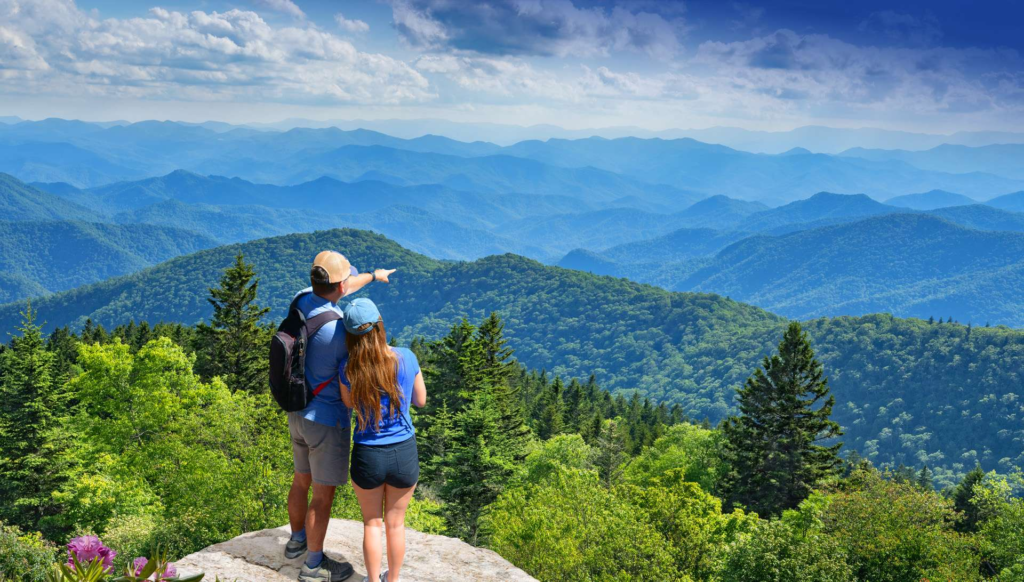
The Blue Ridge Mountains are famous for:
- Blue Ridge Parkway
- Shenandoah National Park
- Spectacular overlooks
- Fall foliage
- Mountain drives
- Waterfalls
The range extends through:
- Virginia
- North Carolina
- Tennessee
- Georgia
The mountains often appear blue from a distance due to natural atmospheric conditions and vegetation.
Cumberland Gap Region
The Cumberland Gap region is known for:
- Pioneer history
- Wilderness hiking
- Historic trails
- Mountain passes
- Cave exploration
- Scenic overlooks
Instead of focusing primarily on scenic drives, Cumberland Gap is famous for its role in American expansion and frontier settlement.
Why Is Cumberland Gap Historically Important?
Few locations played a bigger role in the westward movement of early Americans.
Native American Travel Route
Long before European settlers arrived, Indigenous peoples used the gap as a natural passage through the mountains.
Daniel Boone and the Wilderness Road
In 1775, frontiersman Daniel Boone helped establish the Wilderness Road through Cumberland Gap.
This route became one of the most important migration corridors in American history.
Historians estimate that more than 200,000 settlers passed through Cumberland Gap during westward expansion.
Families traveling to Kentucky and beyond often crossed the mountains through this narrow passage.
Because of this history, Cumberland Gap is sometimes called:
“The First Gateway to the West.”
Where Exactly Is Cumberland Gap?
Cumberland Gap sits near the point where:
- Kentucky
- Virginia
- Tennessee
all meet.
Visitors can actually stand near the famous Tri-State Peak and see all three states from one location.
This unique geographical position makes the park especially attractive to travelers exploring the Appalachian region.
Major Attractions in Cumberland Gap National Historical Park
Pinnacle Overlook
Pinnacle Overlook is one of the park’s most popular viewpoints.
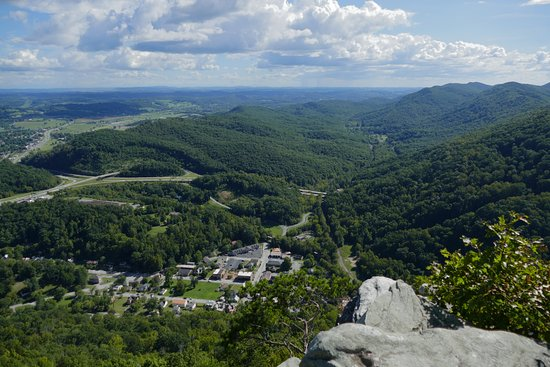
From the overlook, visitors can enjoy:
- Panoramic mountain views
- Valleys stretching for miles
- Sunset photography opportunities
- Scenic Appalachian landscapes
On clear days, visibility can extend for dozens of miles.
Tri-State Peak Trail
This trail leads hikers to the point where Kentucky, Tennessee, and Virginia meet.
Highlights include:
- Historic markers
- Forest scenery
- Mountain views
- State boundary monument
Many visitors enjoy taking photographs while standing in three states at once.
Gap Cave
Gap Cave is among the most fascinating natural features in the park.
Features include:
- Limestone formations
- Underground passages
- Stalactites
- Stalagmites
- Guided cave tours
The cave also serves as an important habitat for bats and other wildlife.
Wilderness Road Trail
This trail follows sections of the historic route used by early settlers.
Walking the trail allows visitors to experience a landscape similar to what pioneers encountered centuries ago.
Wildlife in Cumberland Gap
Nature lovers will find a diverse ecosystem throughout the park.
Common wildlife includes:
- White-tailed deer
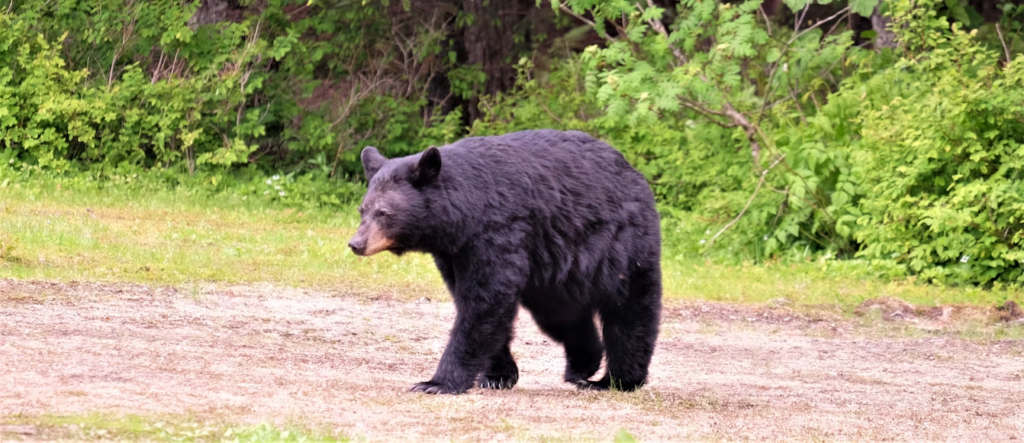
- Black bears
- Wild turkeys
- Foxes
- Bobcats
- Raccoons
- Various bird species
The park’s forests provide excellent opportunities for wildlife observation throughout the year.
Hiking Opportunities
Cumberland Gap National Historical Park offers more than 80 miles of trails.
Popular activities include:
- Day hiking
- Backpacking
- Nature photography
- Birdwatching
- Trail running
Trail difficulty ranges from beginner-friendly walks to challenging mountain hikes.
Best Time to Visit Cumberland Gap
Spring
Spring brings:
- Wildflowers
- Mild temperatures
- Fresh green forests
It is one of the best seasons for hiking.
Summer
Summer offers:
- Long daylight hours
- Family-friendly activities
- Cave tours
- Ranger programs
Visitors should prepare for heat and humidity.
Fall
Many travelers consider fall the most beautiful season.
Highlights include:
- Colorful foliage
- Clear mountain views
- Comfortable temperatures
- Excellent photography conditions
Winter
Winter provides:
- Fewer crowds
- Quiet hiking trails
- Occasional snow-covered landscapes
The park becomes especially peaceful during this season.
Can You Visit Cumberland Gap and the Blue Ridge Mountains on the Same Trip?
Absolutely.
Many travelers combine visits to:
- Cumberland Gap National Historical Park
- Blue Ridge Parkway
- Shenandoah National Park
- Great Smoky Mountains National Park
Because these destinations are all part of the larger Appalachian region, they can fit into an extended mountain road trip.
Such a journey offers a blend of:
- American history
- Scenic drives
- Mountain hiking
- Wildlife viewing
- Cultural attractions
Why Cumberland Gap Is Worth Visiting
Although it is sometimes overshadowed by larger national parks, Cumberland Gap offers something unique.
Visitors can experience:
- A major chapter of American history
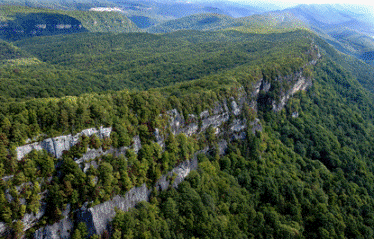
- Scenic Appalachian landscapes
- Less crowded hiking trails
- Historic pioneer routes
- Beautiful overlooks
- Rich wildlife habitats
The combination of natural beauty and historical significance makes it one of the most underrated destinations in the National Park System.
Conclusion
So, is Cumberland Gap a national park in Blue Ridge?
The accurate answer is no, Cumberland Gap is not located in the Blue Ridge Mountains. It is situated in the Cumberland Mountains, another section of the Appalachian Mountain range.
However, Cumberland Gap is part of the National Park System as Cumberland Gap National Historical Park, making it an important protected area managed by the National Park Service.
Whether you are interested in American history, mountain scenery, hiking trails, or exploring lesser-known national park destinations, Cumberland Gap offers a memorable experience. Its role as the historic gateway to the American frontier ensures that it remains one of the most fascinating places to visit in the Appalachian region.
Read Also: Going-to-the-Sun Road Map: Every Stop, Viewpoint & Hidden Pullout You Shouldn’t Miss (2026 Guide)
Frequently Asked Questions
Is Cumberland Gap considered a national park?
Yes. It is officially designated as Cumberland Gap National Historical Park and is managed by the National Park Service.
Is Cumberland Gap in the Blue Ridge Mountains?
No. Cumberland Gap is located in the Cumberland Mountains, not the Blue Ridge Mountains.
Which states does Cumberland Gap National Historical Park cover?
The park spans parts of Kentucky, Tennessee, and Virginia.
Why is Cumberland Gap famous?
It served as a major route for Native Americans and later became a critical passage for settlers moving westward through the Appalachian Mountains.
What is the most popular attraction in Cumberland Gap?
Pinnacle Overlook is widely considered one of the park’s top attractions because of its expansive mountain views and excellent photography opportunities.
Also See: Is It Safe to Drink Stream Water in National Parks? The Real Answer by Park and Trail