Which National Parks Are Open in December and January? A Winter Visitor’s Guide
Many people think national parks are only fun in spring and summer. But winter is actually a great time to visit some of the most beautiful parks in the world. In December and January, you can enjoy snow-covered mountains, quiet trails, smaller crowds, and great chances to spot wildlife.
If you are planning a winter trip and want to know which national parks you can visit in December and January, this guide is for you. Some roads and facilities may be closed due to weather, but many parks stay open all winter and offer amazing experiences you will never forget.
Are National Parks Open During Winter?
Yes, many national parks remain open during December and January. However, winter operations vary from park to park.
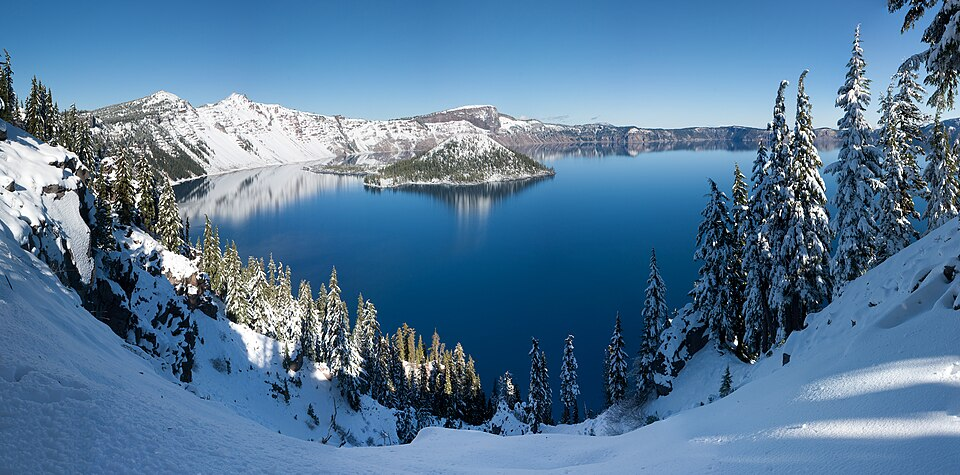
Some parks experience heavy snowfall, causing certain roads, campgrounds, and visitor centers to close temporarily. Others, especially those located in desert or warmer regions, offer ideal weather conditions during winter.
Before traveling, always check the official park website for current weather updates, road conditions, and visitor information.
Why Visit National Parks in December and January?
Winter visits offer several advantages:
Fewer Crowds
Popular parks that are packed during summer become much quieter during winter. This allows visitors to enjoy scenic viewpoints and hiking trails without large crowds.
Beautiful Winter Landscapes
Snow-covered mountains, frozen lakes, and icy waterfalls create breathtaking scenery that is impossible to see during other seasons.
Better Wildlife Viewing
Many animals become easier to spot in winter because vegetation is thinner and wildlife often moves to lower elevations.
Comfortable Temperatures in Southern Parks
Desert and southern national parks are often much more pleasant during winter than during the hot summer months.
Best National Parks Open in December and January
1. Yellowstone National Park
Yellowstone transforms into a magical winter wonderland during December and January.
What Makes Winter Special?
- Snow-covered geysers
- Frozen waterfalls
- Wildlife viewing opportunities
- Snowcoach tours
- Cross-country skiing trails
Visitors can often see:
- Bison
- Elk
- Wolves
- Coyotes
The contrast between steaming geothermal features and snowy landscapes creates a unique experience that few places on Earth can match.
Winter Travel Tips
Some roads close to regular vehicles during winter. Access is usually available through snowcoaches and guided tours.
2. Yosemite National Park
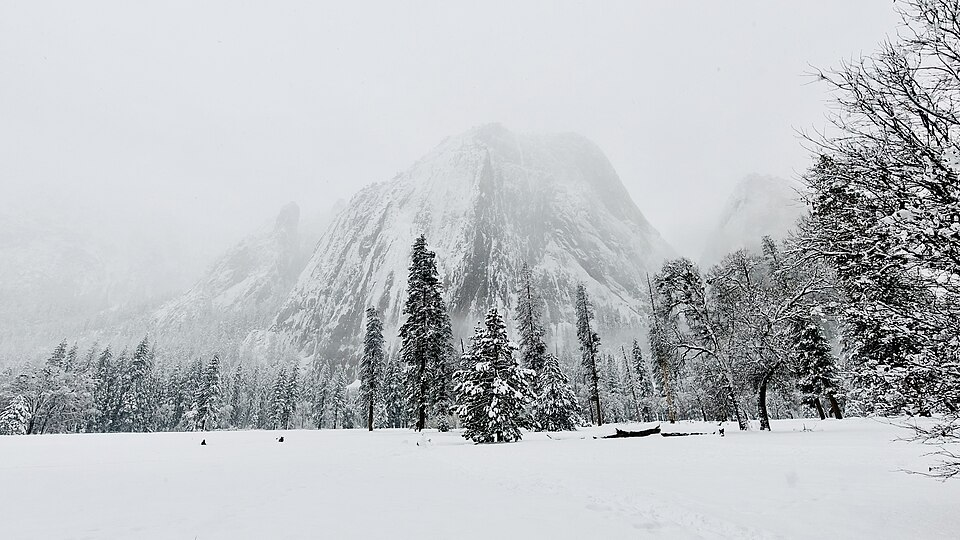
Winter is one of the most beautiful times to visit Yosemite.
Highlights
- Snow-covered granite cliffs
- Frozen waterfalls
- Fewer tourists
- Winter photography opportunities
Popular winter attractions include:
- Yosemite Valley
- Tunnel View
- Bridalveil Fall
- Half Dome viewpoints
The park often receives snowfall, creating stunning scenery throughout the valley.
Activities
- Snowshoeing
- Hiking
- Ice skating
- Photography
3. Grand Canyon National Park
The Grand Canyon remains open year-round and offers incredible winter views.
Why Visit in Winter?
Snow occasionally dusts the canyon rim, creating dramatic scenery that many visitors never expect.
Benefits include:
- Smaller crowds
- Easier parking
- Cooler temperatures
- Unique photography opportunities
The South Rim remains open throughout the year and provides excellent viewpoints.
Best Viewpoints
- Mather Point
- Yavapai Point
- Desert View Watchtower
4. Zion National Park
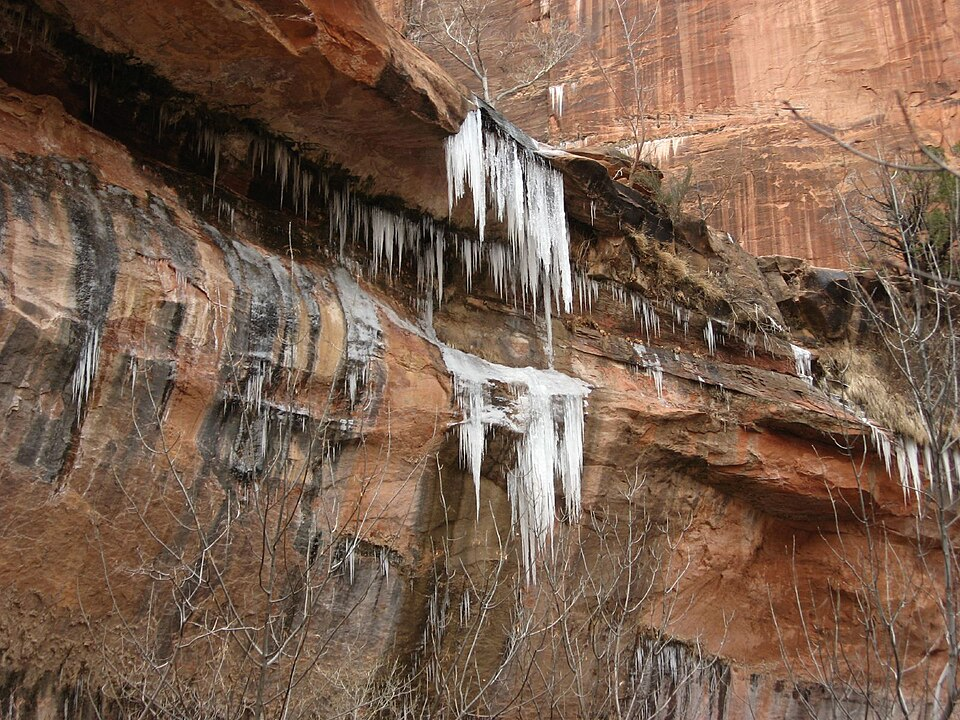
Winter is one of the best seasons to explore Zion.
Advantages
- Pleasant temperatures
- Less crowded trails
- Better parking availability
Visitors can enjoy:
- Angels Landing views
- The Narrows (weather permitting)
- Canyon Overlook Trail
- Scenic drives
The red rock cliffs often look even more impressive when dusted with snow.
Weather
Daytime temperatures are generally comfortable compared to the extreme summer heat.
5. Death Valley National Park
Death Valley is actually one of the best national parks to visit during December and January.
Why Winter Is Ideal
Summer temperatures can become dangerously hot, but winter offers comfortable conditions for sightseeing and hiking.
Top Attractions
- Badwater Basin
- Zabriskie Point
- Mesquite Flat Sand Dunes
- Artist’s Drive
Winter temperatures are often perfect for outdoor activities.
6. Joshua Tree National Park
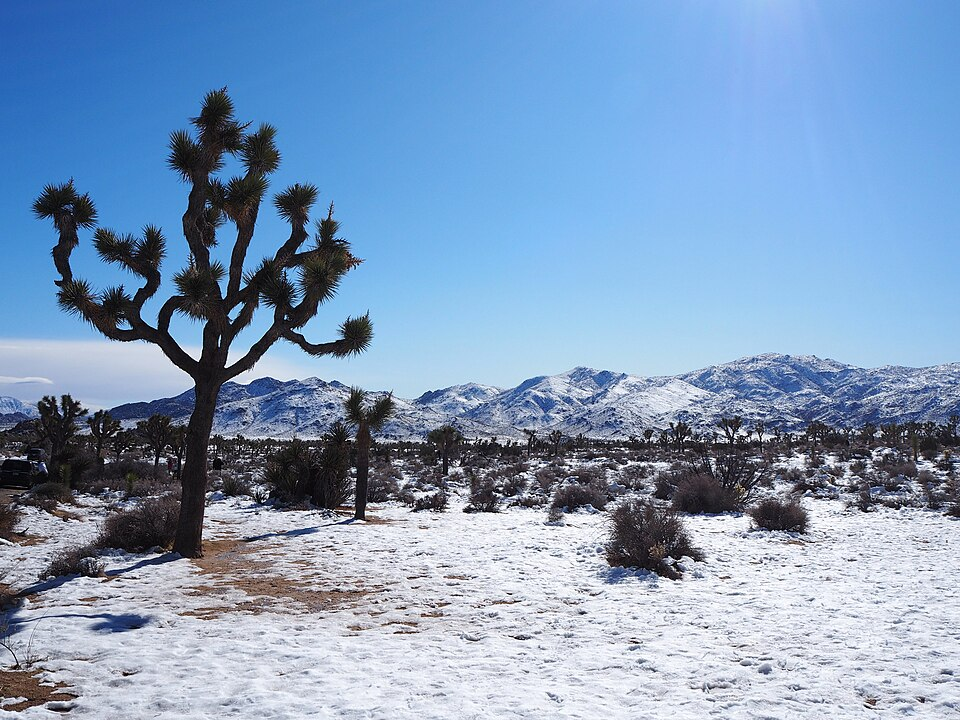
Joshua Tree is another excellent winter destination.
Winter Benefits
- Mild daytime temperatures
- Great hiking conditions
- Clear desert skies
- Excellent stargazing
Popular Activities
- Rock climbing
- Hiking
- Photography
- Camping
The cooler weather makes outdoor exploration much more enjoyable than during summer.
7. Great Smoky Mountains National Park
The Great Smoky Mountains remain open year-round and offer a peaceful winter experience.
What to Expect
- Scenic mountain views
- Quiet trails
- Possible snowfall at higher elevations
- Wildlife sightings
Many visitors enjoy winter because visibility improves after leaves have fallen from the trees.
Popular Winter Stops
- Newfound Gap
- Cades Cove
- Clingmans Dome area
8. Rocky Mountain National Park
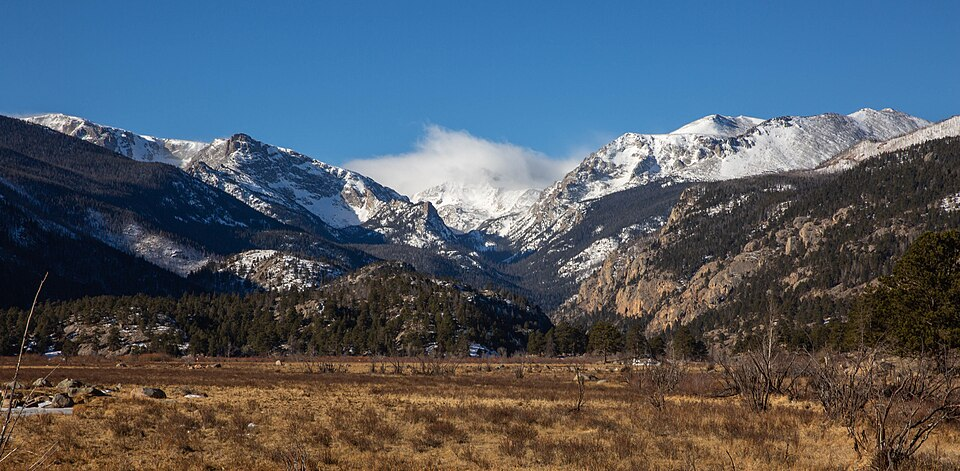
Rocky Mountain National Park offers incredible winter scenery.
Winter Activities
- Snowshoeing
- Cross-country skiing
- Wildlife viewing
- Winter photography
Visitors often spot:
- Elk
- Mule deer
- Bighorn sheep
Snow-covered peaks create spectacular views throughout the park.
9. Bryce Canyon National Park
Bryce Canyon becomes especially beautiful during winter.
Why Visit?
The park’s red-orange hoodoos look stunning when covered with fresh snow.
Winter Highlights
- Unique photography opportunities
- Snow-covered viewpoints
- Fewer visitors
- Quiet hiking trails
Popular viewpoints remain accessible depending on weather conditions.
10. Everglades National Park
For travelers who prefer warm weather, Everglades National Park is an excellent choice.
Winter Advantages
December and January are considered among the best months to visit.
Benefits include:
- Comfortable temperatures
- Lower humidity
- Fewer mosquitoes
- Better wildlife viewing
Animals You May See
- Alligators
- Manatees
- Birds
- Turtles
The dry season provides ideal conditions for exploring the park.
National Parks That May Have Seasonal Closures
Although many parks stay open, visitors should expect some seasonal restrictions.
Common winter closures may include:
- Mountain roads
- High-elevation trails
- Campgrounds
- Visitor centers
Examples include:
- Glacier National Park
- Mount Rainier National Park
- Sequoia National Park (partial closures)
- Lassen Volcanic National Park
Always verify conditions before your trip.
Winter Safety Tips for National Park Visitors
Check Weather Forecasts
Winter weather can change quickly, especially in mountainous areas.
Dress in Layers
Wear:
- Thermal base layers
- Insulated jackets
- Waterproof outer layers
Carry Emergency Supplies
Bring:
- Water
- Snacks
- Flashlights
- First-aid kits
- Extra clothing
Watch for Road Conditions
Snow and ice can affect driving conditions. Some parks require snow chains or winter tires.
Start Activities Early
Winter days are shorter, so plan hikes and sightseeing accordingly.
What to Pack for a Winter National Park Trip
Essential items include:
- Warm clothing
- Waterproof boots
- Gloves
- Hat
- Sunglasses
- Sunscreen
- Camera
- Reusable water bottle
- Portable charger
Proper preparation helps ensure a safe and enjoyable experience.
Read Also: Can You Visit Yellowstone in Winter Without Snow Tires?
Frequently Asked Questions
Are all national parks open in December?
No. While many national parks remain open, some facilities, roads, and trails may close due to snow and severe weather.
Is January a good time to visit national parks?
Yes. January often offers fewer crowds, beautiful winter scenery, and excellent wildlife viewing opportunities.
Which national park is best for warm weather in winter?
Death Valley, Joshua Tree, and Everglades National Park are among the best warm-weather national parks during December and January.
Can you camp in national parks during winter?
Yes. Some campgrounds remain open year-round, although services may be limited.
Do I need reservations during winter?
Requirements vary by park. Winter generally has lower visitor numbers, but accommodations and special tours may still require advance booking.
Conclusion
Did you know that many national parks stay open in December and January? You can visit them in winter and see really cool things that you can’t see at any other time of year!
You can see mountains covered in snow at Yellowstone, or look at the beautiful ice at Yosemite. If you don’t like the cold, you can go hiking at Zion where it’s nice and comfortable, or visit Death Valley and the Everglades where it’s actually warm and sunny!
Winter is a great time to visit these parks because they are not too crowded, so you get to enjoy the pretty views in peace. You might even spot some cool animals!
So, with a little planning, a winter trip to a national park can be one of the best adventures ever.
Read Also: Is It Safe to Drink Stream Water in National Parks? The Real Answer by Park and Trail