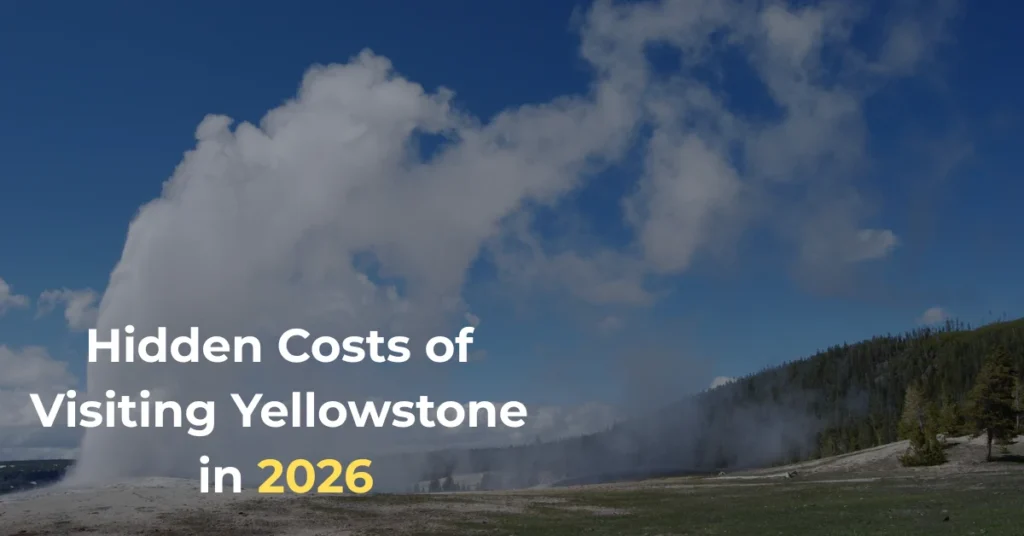
Hidden Costs of Visiting Yellowstone National Park in 2026
Yellowstone sounds like a dream trip. Geysers, bison roaming the roads, those sweeping landscapes you’ve seen a hundred times on TV. You start planning and think, okay, entrance fee, a hotel, some gas money. How expensive can it really get?
Pretty expensive, it turns out.
First-time visitors almost always leave with the same regret — not about the park itself, but about the money they didn’t see coming. The travel guides will tell you what it costs to get in. They won’t tell you what happens after. The fuel prices near the park that make you do a double take. The $22 bison burger because there’s nowhere else to eat for forty miles. The lodge you had to book last minute because you didn’t know reservations fill up months in advance.
Yellowstone is genuinely worth it. But going in without a real budget is how a memorable trip turns into a stressful one.
If you are preparing for a Yellowstone trip in 2026, understanding these hidden expenses ahead of time can help you save money and avoid unnecessary stress during your vacation.
Yellowstone Is Bigger and More Expensive Than Most Visitors Expect
One common mistake travelers make is underestimating how massive Yellowstone National Park actually is. The park covers parts of Wyoming, Montana, and Idaho, and driving from one area to another can take several hours.
Because of these long driving distances, visitors often spend more money on fuel than expected. Even if you stay outside the park, daily driving inside Yellowstone can quickly increase your gas expenses.
Many regular visitors say that Yellowstone trips become expensive mainly because people do not realize how much transportation affects the overall budget.
Entrance Fees Are Only the Beginning
The standard entrance fee for Yellowstone is usually one of the first costs travelers check. However, that fee is often the smallest part of the total trip budget.
In 2026, travelers should also expect extra expenses like:
- Parking-related costs near crowded areas
- Reservation fees for campgrounds
- Vehicle expenses
- Travel insurance
- National park passes for multiple parks
- Guided tour charges
Families visiting multiple national parks during one trip may benefit from buying the America the Beautiful Pass, but even then, other travel-related expenses continue adding up.
Lodging Near Yellowstone Can Be Shockingly Expensive
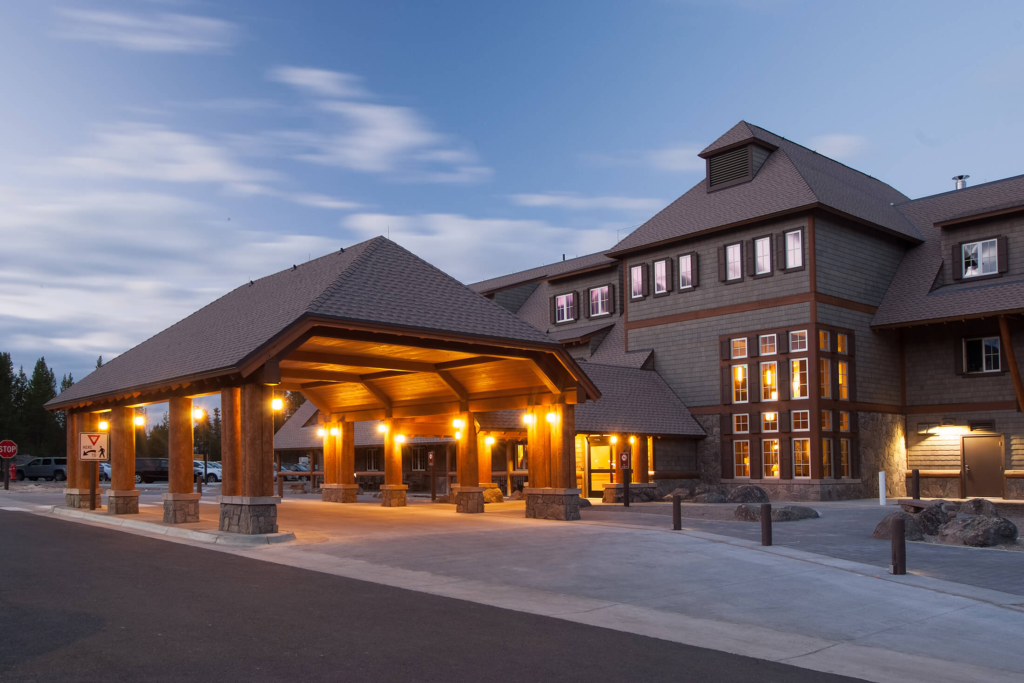
Hotels and lodges around Yellowstone are one of the biggest hidden expenses for travelers. Prices rise dramatically during peak summer months, especially between June and August.
Inside-the-park lodges are convenient, but many of them are booked months in advance. When travelers wait too long to reserve accommodations, they are often forced to book expensive last-minute hotels outside the park.
Even budget motels near popular entrances like West Yellowstone or Gardiner can become surprisingly expensive during busy travel weeks.
Some visitors also forget about extra lodging costs such as:
- Parking fees
- Resort fees
- Taxes
- Pet fees
- Cancellation charges
Staying farther away may seem cheaper initially, but long daily drives can increase fuel expenses and reduce overall trip comfort.
Food Prices Inside Yellowstone Are Higher Than Expected
Food is another area where many travelers overspend without realizing it.
Restaurants, cafes, and grocery stores inside or near Yellowstone are usually more expensive compared to normal city prices. Since food delivery options are extremely limited in most areas around the park, visitors have fewer affordable choices.
A simple lunch for a family can easily cost much more than expected, especially in tourist-heavy locations during peak season.
One practical way to reduce food expenses is to bring snacks, bottled water, sandwiches, and basic groceries before entering the park. Many experienced Yellowstone travelers prefer carrying coolers because it saves both money and time.
Gas Stations Around Yellowstone Often Charge Premium Prices
Fuel prices near national parks are usually higher than average, and Yellowstone is no exception.
Since the park covers such a huge area, visitors often use more fuel than they planned. Wildlife traffic jams, road construction, and scenic detours can increase driving time significantly.
Gas stations inside Yellowstone are limited, and prices can sometimes be noticeably higher compared to nearby cities.
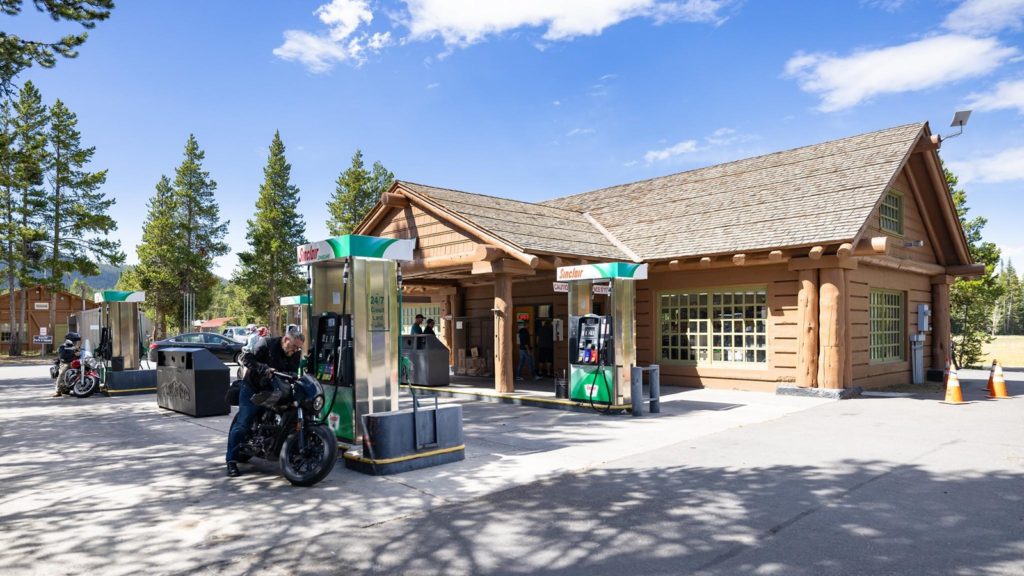
Visitors driving RVs or larger vehicles usually experience even higher fuel costs throughout the trip.
Last-Minute Planning Can Become Very Expensive
One of the biggest hidden costs in Yellowstone is poor trip planning.
Many first-time visitors assume they can simply arrive and figure things out later. Unfortunately, Yellowstone is one of the most visited national parks in the United States, and availability becomes limited quickly during peak travel months.
Last-minute travelers often pay more for:
- Hotels
- Rental cars
- Flights
- Campsites
- Guided tours
- Parking areas
In some cases, travelers even need to stay several hours away because nearby accommodations are already fully booked.
Planning early is one of the easiest ways to keep your Yellowstone budget under control.
Wildlife Viewing Can Lead to Unexpected Expenses
Seeing animals like bears, wolves, elk, and bison is one of the biggest reasons people visit Yellowstone. However, wildlife viewing sometimes creates extra costs that visitors do not initially consider.
For example:
- Binocular rentals
- Camera equipment
- Wildlife tours
- Bear spray purchases
- Emergency supplies
Bear spray is especially important for hikers exploring certain areas of the park. Buying it near Yellowstone can cost more compared to outdoor stores in larger cities.
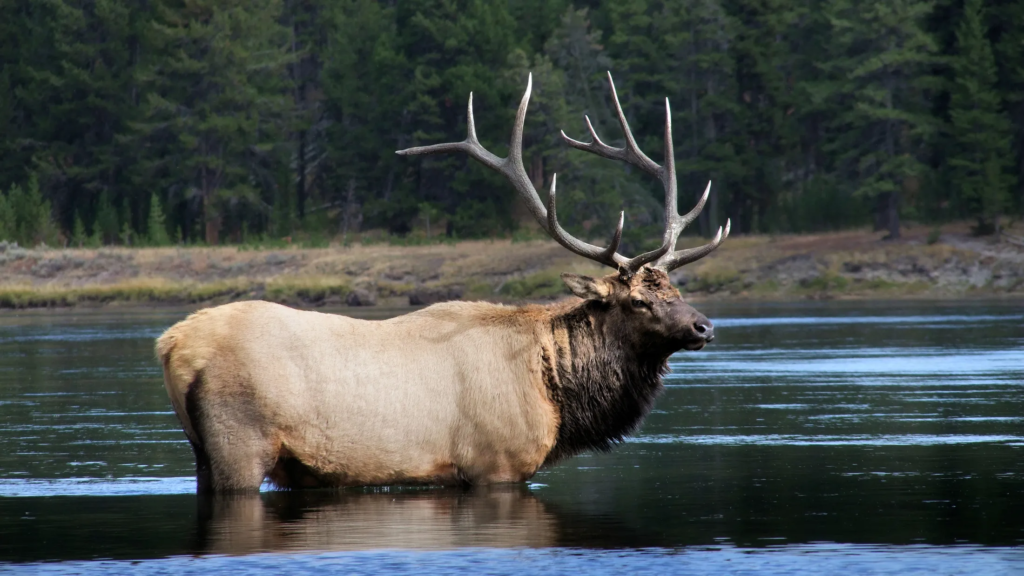
Some travelers also spend money upgrading their phones or cameras after realizing regular equipment may not capture distant wildlife properly.
Limited Mobile Service Creates Unexpected Problems
Many areas inside Yellowstone have weak or no mobile network coverage. While this can feel peaceful, it also creates practical problems for travelers.
Without proper preparation, visitors may struggle with:
- GPS navigation
- Online bookings
- Emergency communication
- Digital payment systems
- Travel updates
As a result, some travelers end up buying printed maps, offline GPS tools, portable chargers, or even emergency communication devices.
Downloading maps and travel information before entering the park can prevent these unnecessary costs.
Weather Changes Can Force Emergency Purchases
Yellowstone weather changes very quickly, even during summer.
Warm mornings can suddenly turn into cold evenings, rainstorms, or windy conditions. Travelers who pack lightly often end up buying expensive jackets, rain gear, or hiking supplies from gift shops near the park.
Many regular visitors recommend packing layers instead of relying on tourist stores around Yellowstone.
Essential items include:
- Waterproof jackets
- Comfortable hiking shoes
- Extra socks
- Flashlights
- Reusable water bottles
- Sunscreen
Buying these items before the trip is usually much cheaper.
Road Closures and Construction Can Increase Costs
Road conditions in Yellowstone change regularly due to weather, wildlife activity, and construction projects.
Unexpected road closures can force travelers to take longer driving routes, increasing fuel usage and travel time.
Some visitors even need additional hotel nights because of sudden itinerary changes.
Checking official Yellowstone road updates before daily travel plans can help avoid unnecessary expenses and frustration.
Souvenirs and Gift Shops Can Easily Affect Your Budget
Many visitors underestimate how much they spend on souvenirs.
Gift shops inside Yellowstone sell everything from mugs and t-shirts to wildlife-themed products and outdoor gear. Prices are usually much higher compared to stores outside tourist areas.
Families traveling with children especially notice how quickly souvenir expenses increase.
Setting a fixed souvenir budget before the trip can help avoid overspending.
Budget-Friendly Tips for Visiting Yellowstone in 2026
Although Yellowstone can be expensive, there are several smart ways to reduce overall costs without ruining the experience.
Book Accommodations Early
Hotels and campsites are usually cheaper when reserved months ahead of time.
Carry Food and Snacks
Packing simple meals and drinks can save a surprising amount of money during multi-day trips.
Fill Your Gas Tank Before Entering the Park
Fuel prices outside Yellowstone are often lower.
Travel During Shoulder Seasons
Late spring and early fall are sometimes less crowded and slightly more affordable compared to peak summer months.
Download Offline Maps
This reduces navigation problems in areas with weak mobile signals.
Pack Proper Clothing
Avoid emergency shopping by preparing for changing weather conditions in advance.
Is Yellowstone Still Worth Visiting Despite the Hidden Costs?
Absolutely.
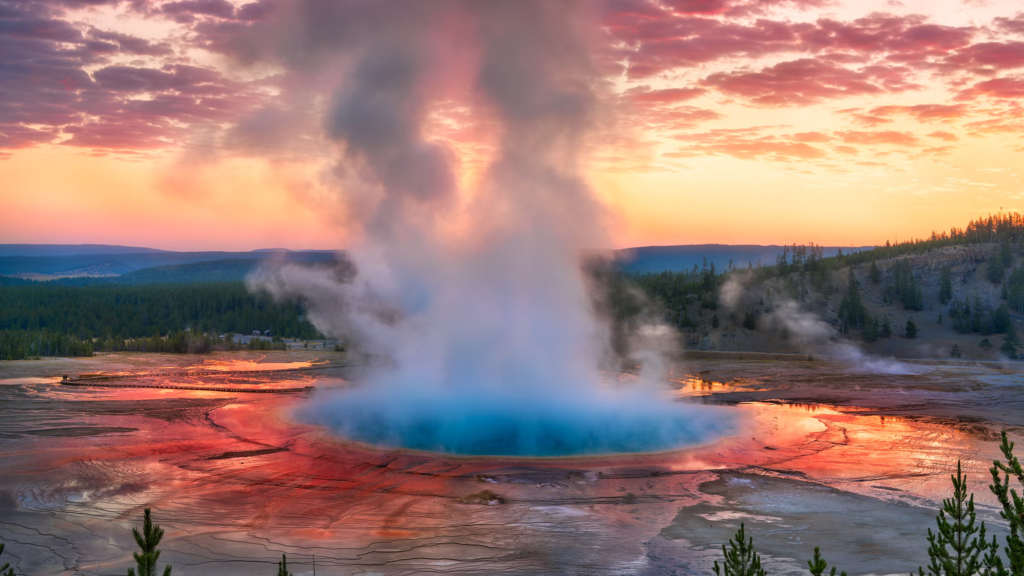
Even with the extra expenses, Yellowstone remains one of the most unique travel destinations in the United States. The geothermal features, wildlife, mountain scenery, and overall atmosphere make it a memorable experience for many travelers.
However, understanding the hidden costs before your trip can make a major difference. Visitors who plan carefully usually enjoy Yellowstone more because they avoid unnecessary stress and surprise expenses.
Instead of treating Yellowstone like a casual weekend destination, it helps to approach the trip with realistic budgeting and preparation.
That simple mindset can save money, improve comfort, and make the entire national park experience far more enjoyable.
FAQs About Yellowstone Travel Costs
Why is Yellowstone so expensive during summer?
Summer is the busiest travel season in Yellowstone. Hotel demand, fuel usage, food prices, and tourism activity all increase significantly during this time.
How much money should I budget for a Yellowstone trip?
The total budget depends on your travel style, group size, and trip duration. Many travelers underestimate lodging, food, and transportation expenses.
Is staying outside Yellowstone cheaper?
Sometimes, but not always. Staying far from the park may reduce hotel prices but increase fuel costs and daily driving time.
Are Yellowstone restaurants expensive?
Yes, many food options near or inside the park are more expensive than average city restaurants.
What is the cheapest time to visit Yellowstone?
Late spring and early fall are usually more affordable compared to peak summer months.