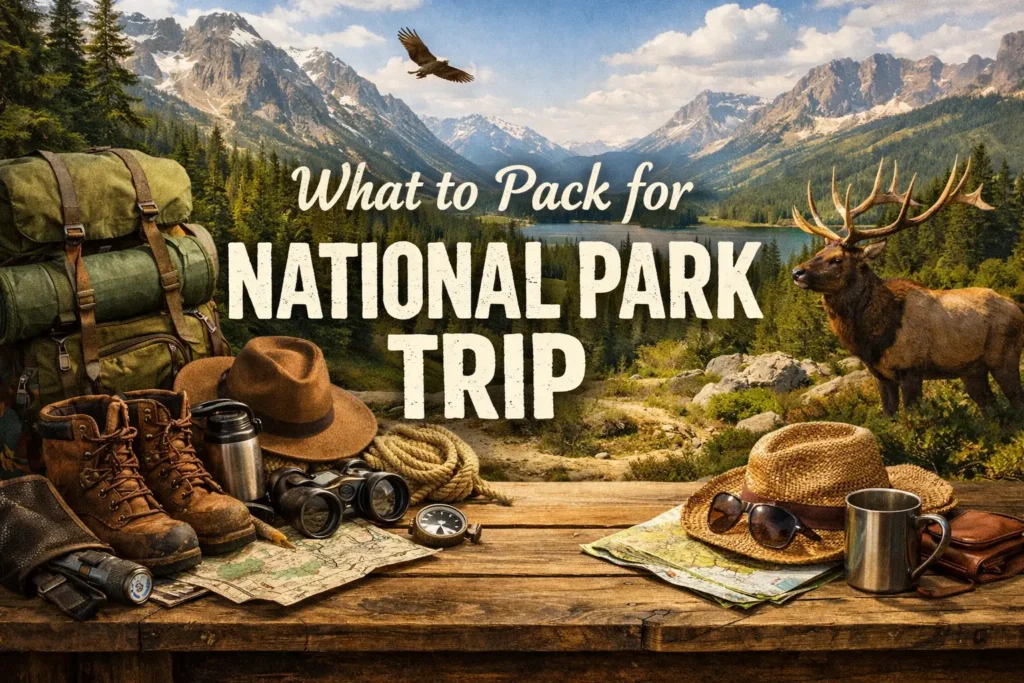
What to Pack for a National Park Trip: The Ultimate Checklist (2026)
Imagine arriving at a national park early in the morning. The sun is lighting up the mountains, the air feels fresh, and you’re excited to start your adventure. Then you reach for your water bottle and realize you forgot it at home.
Small mistakes like this happen more often than people think. Every year, the National Park Service handles thousands of search-and-rescue incidents, and many of them happen because visitors were not properly prepared.
Packing for a national park trip is about more than just bringing a few extra items. It helps keep you safe, comfortable, and ready to enjoy your visit. Whether you’re taking a short day hike, spending a weekend camping, or heading into the backcountry for several days, having the right gear can make a huge difference.
This guide will help you pack everything you need for a successful national park adventure.
Why Packing Right Actually Matters (More Than You Think)
There’s a reason seasoned hikers talk about gear the way chefs talk about knives. The right equipment doesn’t just make your trip easier — it can make it survivable.
According to data from the National Park Service, over 250 million visits are recorded across U.S. national parks each year. With that volume of visitors, rangers frequently encounter people who showed up underprepared — wearing flip-flops on rocky trails, carrying no food, or hiking without a map in areas with zero cell service.
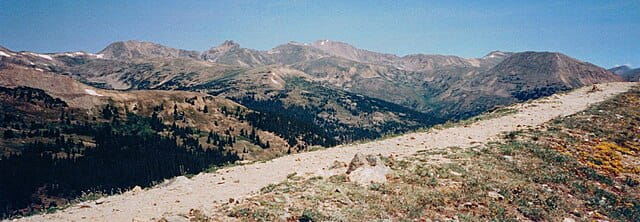
The good news? Preparation isn’t complicated. It’s just a checklist — and that’s exactly what this is.
The Core Principle: Pack Smart, Not Heavy
Before we dive into the list, let’s talk strategy. The goal is never to carry everything — it’s to carry the right things.
A classic rule of thumb in the hiking community is the “10 Essentials” framework, originally developed by The Mountaineers in the 1930s and still used by wilderness educators today. It covers navigation, sun protection, insulation, illumination, first-aid, fire, repair tools, nutrition, hydration, and emergency shelter.
We’ve built this checklist around those principles and updated it for 2026 realities — including solar charging, satellite communication, and lightweight gear technology that simply didn’t exist a decade ago.
The Ultimate National Park Packing Checklist for 2026
Navigation & Trip Planning Essentials
Cell service in national parks is notoriously unreliable. Yellowstone, the Boundary Waters, and Great Smoky Mountains all have vast areas where your smartphone is basically a very expensive compass that doesn’t work.
What to bring:
- Printed or downloaded offline maps — Apps like AllTrails Pro and Gaia GPS allow offline downloads. Use them.
- Physical trail map — Available at every park visitor center. Free. Waterproof versions are even better.
- Compass — A basic orienteering compass costs under $15 and could save your life.
- Park permit confirmation — Many parks (Havasupai, Half Dome in Yosemite, Mount Whitney) now require advance permits. Screenshot them and print a copy.
- Emergency contact list — Written on paper. Not just saved in your phone.
Pro Tip: Download the NPS App before your trip. It includes offline maps, ranger alerts, and trail conditions for most major parks — completely free.
Hydration — The #1 Thing People Get Wrong
Dehydration is the leading cause of medical emergencies in national parks. This is true even in cooler climates. Altitude, dry air, and physical exertion accelerate fluid loss faster than most people expect.
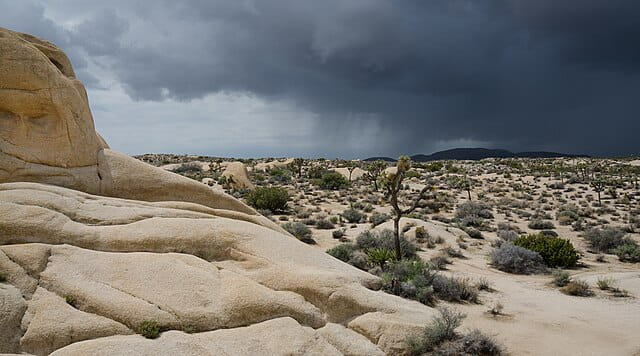
The general rule: Drink about half a liter of water per hour of moderate hiking. In desert parks like Joshua Tree or Big Bend, bump that up significantly.
What to pack:
- Water bottles or hydration reservoir — Aim for a minimum 2-liter capacity per person
- Portable water filter or purifier — Sawyer Squeeze and Katadyn BeFree are trail favorites; great for longer hikes near streams
- Water purification tablets — Backup option; lightweight and cheap
- Electrolyte packets — Nuun tablets or similar; plain water alone won’t replace what you sweat out
What NOT to do: Assume water will be available on trail. Many park water stations are seasonal or limited. Check the park’s website before you go.
Food & Snacks for the Trail
You don’t need gourmet meals on a day hike, but you absolutely need enough fuel to keep moving — especially at elevation where your body burns through calories faster than usual.
For Day Hikes
- Trail mix, nuts, and dried fruit (calorie-dense, lightweight)
- Energy bars — Clif, RXBar, or similar
- Peanut butter and tortilla wraps
- Fresh fruit for early-trip legs
- Jerky or meat sticks for protein
For Overnight and Backcountry Trips
- Freeze-dried meals (Mountain House and Backpacker’s Pantry are reliable brands)
- Instant oatmeal for mornings
- Hard cheeses — they travel well for 2–3 days without refrigeration
- Backpacking stove + fuel canister (check if campfires are restricted in your park)
- Lightweight cooking pot and utensils
Important: Follow all Leave No Trace food storage guidelines. In many parks — especially bear country — food must be stored in a certified bear canister or park-provided bear box. Yosemite and Grand Teton strictly enforce this.
Clothing — Layer Smart, Not Warm
The biggest packing mistake people make with clothing? Dressing for the weather they expect instead of the weather they might encounter.
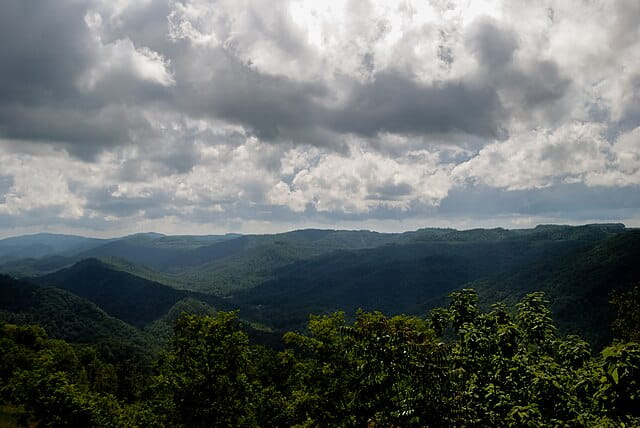
Conditions in national parks shift fast. A sunny morning at the Smoky Mountains can turn into a cold, foggy afternoon. Afternoon thunderstorms are routine in Rocky Mountain National Park from June through August. Nights in the desert drop dramatically even in summer.
The Layering System That Actually Works:
Base Layer
- Moisture-wicking t-shirt or long sleeve (merino wool or synthetic — never cotton)
- Lightweight leggings or base layer pants for cool mornings or alpine hikes
Mid Layer
- Fleece pullover or lightweight down jacket
- Packable insulated vest (takes up almost no space in your pack)
Outer Layer (Shell)
- Waterproof, breathable rain jacket — non-negotiable
- Rain pants if you’re doing multi-day or shoulder season hiking
Other Clothing Essentials
- Hiking pants or zip-off convertible pants
- Moisture-wicking underwear (chafing on a 10-mile trail is a special kind of misery)
- Wool or synthetic hiking socks — 2–3 pairs minimum
- Sun hat with a brim
- Warm beanie for mornings, evenings, or higher elevations
- Lightweight gloves if hiking above 8,000 feet or in spring/fall
A note on footwear: Wear broken-in hiking boots or trail runners — never brand new shoes. Blisters are one of the most common reasons hikers cut trips short. If you’re heading into wet terrain or rivers (hello, Zion Narrows), get water shoes or quick-dry trail runners specifically designed for it.
Safety & First Aid
No one plans to twist an ankle or get a blister the size of a quarter. But it happens. Having a proper first aid kit means a small problem stays small.
First Aid Kit Essentials:
- Adhesive bandages in multiple sizes
- Moleskin or blister pads (gel is even better)
- Medical tape and gauze
- Antiseptic wipes and antibiotic ointment
- Ibuprofen and antihistamines
- Personal medications (plus extra doses — don’t risk running out)
- Ace bandage or SAM splint for sprains
Safety Items You Should Never Skip:
- Headlamp with extra batteries — Trails get dark fast. Don’t rely on your phone flashlight.
- Emergency whistle — Three blasts is the universal distress signal. Weighs nothing.
- Space/emergency blanket — Mylar blankets fold to the size of a deck of cards and can prevent hypothermia in a survival situation.
- Multi-tool or knife — Leatherman or a simple folding knife covers most trail needs.
- Fire starter — Waterproof matches, a lighter, or a ferro rod. Know the rules around campfires in your park.
Communication in 2026
This is where things have genuinely changed. Satellite communicators like the Garmin inReach Mini 2 or SPOT X allow two-way texting and SOS signaling anywhere on Earth — no cell service required. If you’re doing any backcountry hiking, this is worth every penny.
For less remote trips, simply downloading offline content to your phone and telling someone your planned route and expected return time can make all the difference.
Read Also: How to Get a National Park Permit: Complete Guide for Popular Trails
Sun & Insect Protection
Underestimating the sun in high-altitude parks is a classic mistake. At 11,000 feet in Colorado or on an exposed rim trail in Bryce Canyon, UV radiation is significantly more intense than at sea level — you burn faster, period.
What to pack:
- Sunscreen SPF 50+ — Reef-safe versions are required in some parks with water features
- UV-protective lip balm
- Sunglasses with UV400 protection — polarized lenses help on snow or water
- Insect repellent with DEET or Picaridin — Especially critical in the Everglades, Great Smoky Mountains, and Boundary Waters
- Tick key or tick removal tool — Lyme disease is no joke; check yourself after every wooded hike
Shelter & Sleep (For Overnight Trips)
If you’re camping, gear quality directly impacts how well you’ll rest — and how much you’ll enjoy the next day.
Camping Shelter Checklist:
- Tent rated for the season you’re visiting (3-season tent covers most scenarios)
- Sleeping bag rated for 10°F below the expected low temperature
- Sleeping pad — R-value matters; higher = warmer (R-3 for summer, R-5+ for shoulder season)
- Tent footprint or ground cloth
Campsite Comfort Extras:
- Camp pillow (compressible versions are a game-changer)
- Lantern or string lights for camp ambience
- Camp chair (ultralight options exist for backpackers)
- Tarp for extra weather protection or a shaded cooking area
Leave No Trace Essentials
This section isn’t optional — it’s part of what makes you a responsible visitor.
Pack these to minimize your impact:
- Trowel — For cat holes if no restrooms are available (dig 6–8 inches deep, 200 feet from water/trails)
- Biodegradable soap — Dr. Bronner’s is a trail classic
- Waste bags — For packing out trash, food scraps, and in some parks (Rainier, Whitney), human waste (WAG bags)
- Reusable bags — To separate trash from other gear
- Bear canister or Ursack — Required in many parks; check your specific park’s regulations
Tech & Extras Worth Packing in 2026
Technology has made national park trips safer and more enjoyable — when used right.
Useful Tech to Consider:
- Solar charger or power bank — Anker and BioLite both make trail-friendly options
- Action camera (GoPro or similar) — More durable than a smartphone in water and dust
- Trekking poles — Underrated for knee protection on descents and crossing streams
- Dry bags or waterproof phone case — Essential for river hikes and rainy conditions
- Park-specific guidebook — Sometimes old-school is best; books by Moon Guides or Falcon Guides cover trail details apps miss
Quick-Reference Packing Checklist Summary
Navigation: Offline maps, physical map, compass, permits, emergency contacts
Hydration: 2L+ water capacity, filter, purification tabs, electrolytes
Food: Trail snacks for day hikes; freeze-dried meals + stove for overnight
Clothing: Base layer, mid layer, rain shell, hiking pants, wool socks, sun hat, beanie
Safety: First aid kit, headlamp, whistle, space blanket, multi-tool, fire starter
Sun & Bugs: SPF 50+ sunscreen, sunglasses, insect repellent, tick tool
Shelter: Tent, sleeping bag, sleeping pad (for overnight)
LNT Gear: Trowel, biodegradable soap, waste bags, bear canister
Tech: Power bank, satellite communicator (backcountry), trekking poles
Final Thoughts: The Best Trip Is a Prepared Trip
There’s something quietly transformative about standing in the middle of a national park — away from screens, traffic, and the general noise of daily life. These places exist for all of us, and with the right preparation, they’re incredibly accessible.
You don’t need to spend thousands of dollars on gear. Start with what you have, borrow what you can, and invest gradually in the pieces that matter most: a good water filter, a reliable headlamp, a rain jacket that actually works. The rest tends to fall into place.
The most important thing is to go. Research your park, download your maps, pack your checklist — and show up ready to be amazed.
Frequently Asked Questions
What are the most important items to pack for a national park trip?
The most important items include water, snacks, comfortable hiking shoes, weather-appropriate clothing, a map, sunscreen, a first-aid kit, and a fully charged phone or GPS device.
How much water should I bring to a national park?
A good rule is to carry at least 2 liters of water per person for short hikes. For longer hikes or hot weather, bring more and consider carrying a water filter or purification tablets.
What should I wear when visiting a national park?
Wear comfortable, moisture-wicking clothing and sturdy hiking shoes. Layer your clothing so you can easily adjust to changing temperatures throughout the day.
Do I need a first-aid kit for a national park visit?
Yes. Even on short hikes, a basic first-aid kit can help treat minor cuts, blisters, insect bites, and other common outdoor injuries.
Should I bring a map if I have a smartphone?
Yes. Cell service can be unreliable in many national parks. A paper map is a useful backup if your phone loses signal or runs out of battery.
What food should I pack for a national park trip?
Pack lightweight, high-energy snacks such as trail mix, granola bars, nuts, dried fruit, and sandwiches. Choose foods that are easy to carry and do not spoil quickly.
Do I need insect repellent in national parks?
Insect repellent is recommended, especially during warmer months or when visiting areas with mosquitoes, ticks, or other biting insects.
What should I pack for a national park trip with kids?
Bring extra water, snacks, sunscreen, hats, a small first-aid kit, wet wipes, and activities to keep children entertained during travel breaks.
Are trekking poles necessary for national park hikes?
Trekking poles are optional but can provide extra stability on steep, uneven, or rocky trails. They are especially helpful for longer hikes.
What should I pack for a national park trip in winter?
Winter visitors should pack warm layers, waterproof boots, gloves, a hat, extra food and water, and emergency supplies in case weather conditions change unexpectedly.
Can I bring a drone to a national park?
In most U.S. national parks, recreational drone use is prohibited. Always check the park’s official regulations before your visit.
How can I avoid overpacking for a national park trip?
Focus on essentials such as water, food, safety gear, appropriate clothing, and navigation tools. Pack only what you are likely to use during your visit.
What emergency items should I carry in a national park?
Emergency essentials include a flashlight or headlamp, first-aid kit, whistle, emergency blanket, multi-tool, extra food, and additional water.
Is a backpack necessary for a national park visit?
A backpack is highly recommended because it allows you to comfortably carry water, snacks, extra clothing, and other essentials while keeping your hands free.
What should first-time visitors pack for a national park?
First-time visitors should focus on the basics: water, snacks, comfortable footwear, sunscreen, a hat, a map, a first-aid kit, and weather-appropriate clothing. These items will help ensure a safe and enjoyable trip.
Also See: How Long Does a National Park Road Trip Usually Take