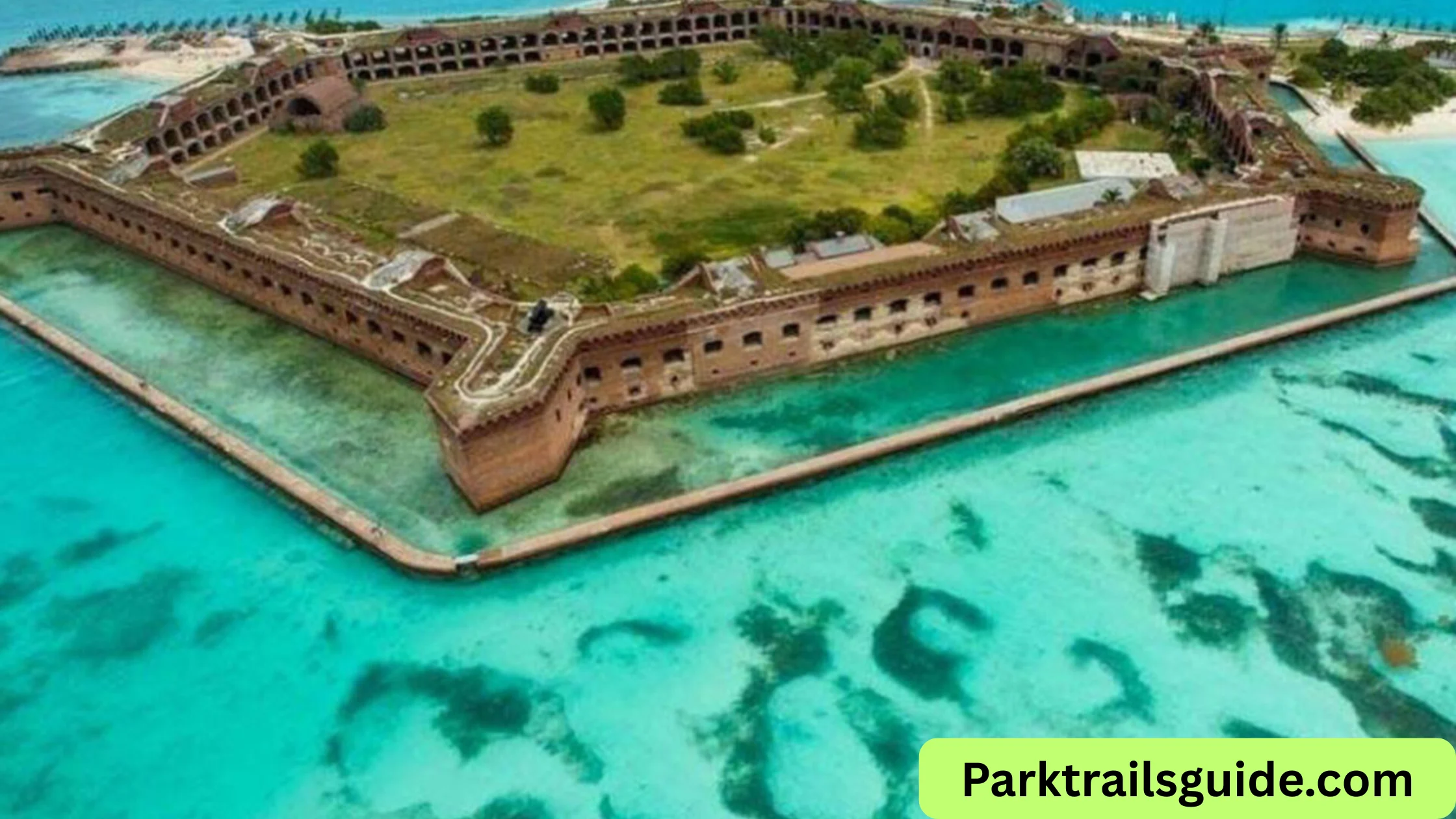
Dry Tortugas National Park, a remote chain of islands situated approximately 70 miles west of Key West, Florida, is often celebrated for its crystal-clear waters, historic Fort Jefferson, and abundant marine life. While many visitors flock to the park for its iconic landmarks, the true allure of the Dry Tortugas lies in its lesser-known, offbeat locations—secret coves, hidden sandbars, and serene snorkeling spots that promise unique experiences far from the crowds. This guide dives deep into these extraordinary, underexplored corners of Dry Tortugas, offering an insider’s roadmap to the park’s most intriguing and secluded treasures.
The Enigmatic Fort Jefferson Beyond the Tourist Trail
Exploring the Unseen Angles
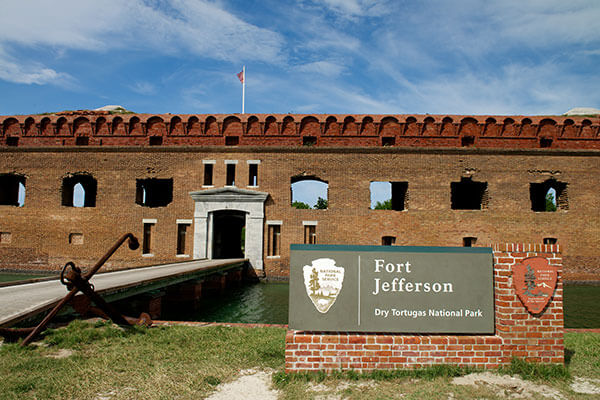
While Fort Jefferson dominates the landscape and draws the majority of visitors, its full historical depth is often overlooked. Beyond the main parade grounds and cannons, the fort contains several offbeat areas worth exploring:
- The Moat and Dry Channels: Surrounding the fort is a largely forgotten moat system. Quiet and shadowed, it offers rare photo opportunities, particularly during early morning or late afternoon light.
- The Secret Casemates: Many visitors explore only the main casemates. Some of the fort’s side casemates, accessible via less conspicuous pathways, reveal the intricate brickwork and original cannon placements that date back to the mid-19th century.
- Hidden Courtyards: Small, overlooked courtyards inside the fort provide solitude, offering an immersive historical atmosphere devoid of crowds. These spaces are perfect for reflection or a quiet picnic.
Exploring these areas provides a more intimate connection to the fort’s history and architecture, allowing visitors to step beyond the usual tourist lens.
Remote Sandbars: Nature’s Untouched Masterpieces
Garden Key Sandbar
One of the most enchanting features of the Dry Tortugas is its collection of remote sandbars. The Garden Key sandbar is a secluded stretch of soft white sand that emerges prominently at low tide.
- Best Time to Visit: Low tide is ideal for walking along the sandbar while observing small marine life trapped in tidal pools.
- Activities: Birdwatching is particularly rewarding here, as the sandbar becomes a resting spot for migrating species such as brown pelicans and terns.
- Photography: The juxtaposition of turquoise water against the pristine sand creates an almost surreal backdrop, ideal for landscape and drone photography.
Loggerhead Sandbar
Further afield, Loggerhead Sandbar remains largely untouched by most visitors. Reaching it requires either a boat or a guided excursion.
- Privacy: Unlike the more frequented areas near Fort Jefferson, this sandbar offers nearly complete isolation.
- Marine Life Encounters: Snorkelers report spotting nurse sharks, rays, and colorful reef fish in the shallow waters surrounding the bar.
- Seclusion Tip: Visiting during weekdays or off-peak seasons enhances the sense of solitude, allowing visitors to fully appreciate the untouched environment.
Hidden Snorkeling and Diving Spots
While many visitors enjoy snorkeling near Garden Key, the Dry Tortugas hold numerous secret spots teeming with marine life.
Hospital Key Reef
A small reef located near Hospital Key remains off the beaten path for most tourists.
- Marine Diversity: Expect to encounter vibrant coral formations, parrotfish, angelfish, and occasionally sea turtles. The reef’s shallow areas are ideal for beginner snorkelers, while the deeper sections appeal to advanced divers.
- Unique Features: Some areas host unusual sponges and soft corals that aren’t commonly seen in the busier sections of the park.
- Timing: Mid-morning is optimal for visibility, as the sun illuminates the water and enhances underwater photography.
Bush Key Reef
Bush Key, often overshadowed by Garden Key, harbors its own reef system. Access is limited, making it a hidden gem.
- Snorkeling Highlights: Pristine coral gardens, small caves, and a diverse range of reef fish species make this a rewarding destination.
- Bird-Watching Integration: Above water, Bush Key serves as a nesting site for seabirds, allowing visitors to combine snorkeling with wildlife observation.
- Eco-Friendly Practices: To preserve the fragile coral, it is crucial to practice responsible snorkeling, avoiding touching or stepping on any formations.
Tranquil Kayaking Routes
Exploring Dry Tortugas by kayak provides access to hidden coves, narrow channels, and wildlife-rich areas often unreachable by larger vessels.
Northwest Channel
The Northwest Channel is a narrow waterway flanked by mangrove-lined keys and tiny sandbanks.
- Wildlife Encounters: Kayakers often spot herons, egrets, and occasionally manatees gliding silently through the channel.
- Adventure Level: While suitable for intermediate kayakers, beginners should exercise caution during windy conditions.
- Photography Tip: Early morning paddles yield dramatic sunrise shots with calm reflective waters.
Southeast Lagoon
The Southeast Lagoon offers calm waters ideal for relaxed exploration.
- Flora and Fauna: Dense seagrass beds attract juvenile fish, stingrays, and occasionally barracudas.
- Seclusion Factor: Few visitors venture here, making it an ideal location for meditation, sketching, or simply enjoying uninterrupted solitude.
- Route Strategy: Combining kayaking with a picnic on a small sand key transforms this into a half-day adventure.
Birdwatching Havens Off the Beaten Path
Dry Tortugas is a renowned migratory bird stopover, yet some areas see far fewer human visitors, making them perfect for serious birdwatchers.
Bush Key Bird Sanctuary
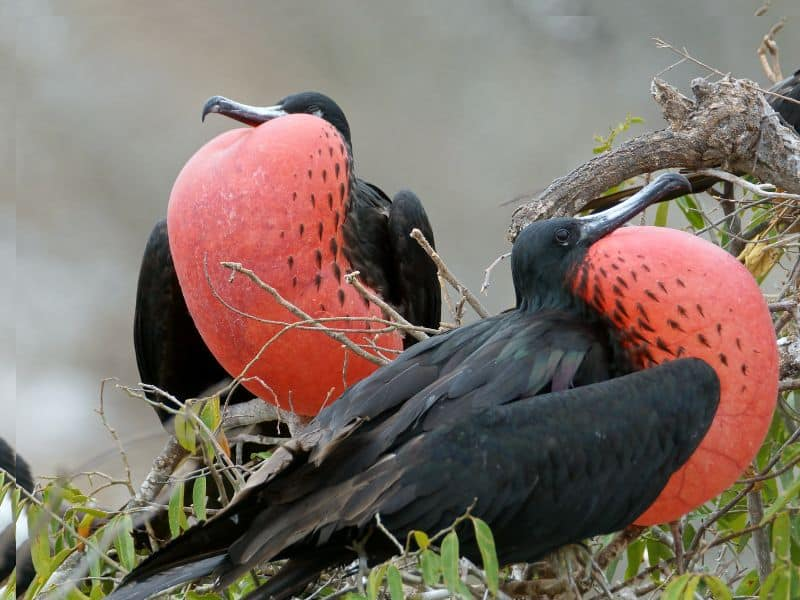
Accessible only by boat, Bush Key’s restricted areas protect the nesting colonies of several seabird species.
- Species Spotlight: Sooty terns, brown noddies, and magnificent frigatebirds dominate this sanctuary.
- Observation Tips: Binoculars are essential, as birds are sensitive to human presence and may retreat if approached too closely.
- Timing: Spring and early summer mark peak nesting periods, offering an unparalleled opportunity to witness avian courtship and rearing behaviors.
Long Key Flats
Long Key’s shallow flats attract wading birds and migratory shorebirds.
- Hidden Gem Factor: Most visitors pass this area on route to Fort Jefferson, overlooking its rich biodiversity.
- Photographic Opportunities: Early morning low tides reveal mudflats and reflective waters, perfect for capturing silhouettes of feeding birds.
- Conservation Note: The delicate ecosystems require minimal disturbance; sticking to marked paths and shallow waters is vital.
Nighttime Wonders: Bioluminescent Beaches
One of the most magical offbeat experiences in the Dry Tortugas occurs after dark: the glowing waters.
Understanding Bioluminescence
Certain microorganisms in the waters surrounding the islands emit light when agitated, creating a natural luminescent effect.
- Best Locations: Small, undisturbed beaches on Garden Key and Loggerhead Sandbar provide optimal conditions.
- Viewing Tips: Avoid artificial light to fully appreciate the glowing plankton. A gentle paddle or slow wade through shallow water creates the most striking visual displays.
- Timing: New moon nights enhance the bioluminescent effect, as darker skies allow the glow to be more prominent.
Experiencing the Night Sky
The isolation of Dry Tortugas also makes it an exceptional stargazing destination.
- Dark Sky Advantage: With minimal light pollution, visitors can see constellations, planets, and even meteor showers with incredible clarity.
- Tips for Stargazing: Bring a reclining chair, binoculars, and a thermos of something warm for a truly serene experience.
Tips for Exploring Offbeat Locations Safely
Planning and Navigation
Given the remote nature of Dry Tortugas, careful planning is essential:
- Access: Most offbeat spots require a combination of ferry, private boat, or kayaking.
- Navigation Tools: GPS, nautical charts, and tide schedules are crucial to avoid stranding or missing key sandbars.
- Timing: Early arrivals maximize solitude and reduce encounters with crowded ferries.
Safety and Conservation
Safety and environmental respect are paramount:
- Sun Protection: The open waters and sandbars offer little shade; sunscreen, hats, and UV-protective clothing are essential.
- Hydration and Supplies: Carry sufficient water, snacks, and a basic first aid kit.
- Leave No Trace: Preserve these pristine areas by packing out all trash and minimizing disturbance to wildlife and fragile coral ecosystems.
Conclusion: The Allure of the Offbeat Dry Tortugas
While Fort Jefferson and popular snorkeling spots define the typical Dry Tortugas experience, the park’s offbeat locations unlock a deeper, more intimate adventure. From secret sandbars and hidden reefs to tranquil kayaking routes and bioluminescent beaches, these lesser-known areas reveal the park’s remarkable biodiversity, historical depth, and serene beauty. Exploring these hidden gems allows visitors to connect with the Dry Tortugas in a way few ever do—immersed in solitude, nature, and the untouched charm of one of America’s most unique national parks. For those willing to venture beyond the obvious, the Dry Tortugas offers a treasure trove of experiences that linger long after the journey home.
Read Also: How Big Is Arches National Park? Size & Facts Guide
Rubie Rose is a travel writer with a focused specialty in USA national parks, hiking trails, and practical outdoor trip planning. She is the founder and lead writer of Park Trails Guide — an independent resource built to help everyday visitors explore America’s parks with real confidence, not just enthusiasm.