How Big Is Arches National Park? Size & Facts Guide
If you are planning a trip or just curious, one of the most common questions people ask is: how big is Arches National Park?
In this easy guide, you’ll learn the park’s size, area in acres and miles, how it compares to other parks, and what that size means for your visit.
How Big Is Arches National Park?
Arches National Park covers about 76,679 acres of land.
- In square miles: ~119.8 sq miles
- In square kilometers: ~310 sq km
This makes it a medium-sized national park in the United States—not too big, not too small.
To give you a simple idea:
- It’s bigger than many cities
- But smaller than huge parks like Yellowstone National Park
Arches National Park Size in Different Units
| Measurement Type | Size |
|---|---|
| Acres | 76,679 acres |
| Square Miles | 119.8 sq mi |
| Square Kilometers | 310 sq km |
This size includes desert landscapes, rock formations, hiking trails, and over 2,000 natural stone arches.
What Does This Size Actually Mean for Visitors?

Even though the park sounds large, it’s very easy to explore.
Scenic Drive Access
- The main road is about 18 miles (29 km) long
- You can drive to most major viewpoints
- Perfect for short trips or family visits
Hiking Areas
- Trails are spread across the park
- Famous hikes include:
- Delicate Arch Trail
- Devils Garden Trail
- Windows Section walk
Time Needed
- Half day: Quick highlights
- 1 full day: Most popular spots
- 2 days: Relaxed exploration
How Does Arches Compare to Other National Parks?
Here’s a simple comparison to help you understand its size better:
| National Park | Size |
|---|---|
| Arches National Park | 76,679 acres |
| Grand Canyon National Park | 1.2 million acres |
| Zion National Park | 146,000 acres |
| Bryce Canyon National Park | 35,835 acres |
Conclusion:
- Bigger than Bryce Canyon
- Smaller than Zion
- Much smaller than Grand Canyon
Why Arches Feels Bigger Than It Is
Even though it’s not the largest park, it feels huge because:
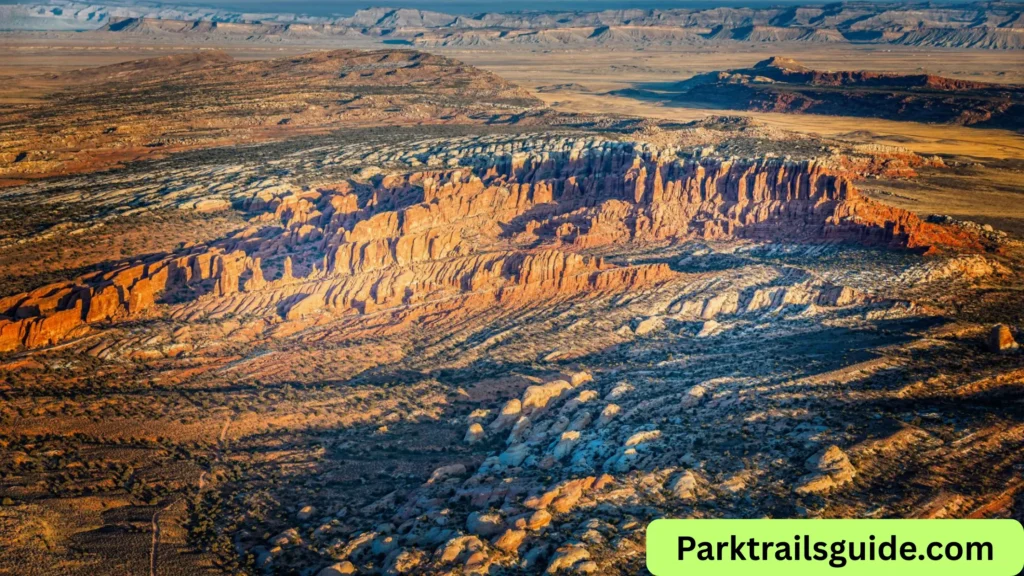
- Wide open desert landscapes
- Large rock formations
- Big sky views
- Long distances between stops
This creates a feeling of endless space.
How Much of the Park Is Covered by Arches?

- Over 2,000 natural arches exist in the park
- Arches are spread across different sections
- Some are roadside, others require hiking
Famous Arches:
- Delicate Arch
- Landscape Arch
- Double Arch
- North & South Windows
Can You See the Whole Park in One Day?
Yes, because of its manageable size.
One-Day Plan:
- Drive the scenic road
- Stop at major viewpoints
- Do 1–2 short hikes
Two-Day Plan:
- Add longer hikes
- Visit sunrise and sunset spots
- Explore less crowded areas
Where Is Arches National Park Located?
Arches National Park is located in:
- State: Utah
- Near the city of Moab
It is part of the famous Utah Mighty 5 national parks, making it easy to combine with other destinations.
Also See: Best Things to Do in Acadia National Park in 2026
Quick Facts About Arches National Park
- Established: 1971
- Total arches: 2,000+
- Highest elevation: ~5,653 feet
- Climate: Desert (hot summers, cool winters)
FAQs
1. Is Arches National Park big or small?
It is medium-sized compared to other U.S. national parks.
2. How long does it take to drive through Arches?
You can drive the main road in 1.5 to 2 hours, without stops.
3. How many miles is Arches National Park?
It covers about 120 square miles.
4. Can you visit Arches in one day?
Yes, many visitors explore the main highlights in one day.
5. What is Arches National Park best known for?
It is famous for its natural sandstone arches and desert landscapes.
Final Thoughts
So, how big is Arches National Park?
At 76,679 acres, it’s the perfect size for travelers who want to explore a national park without needing many days. You get easy access, stunning views, and plenty of iconic spots—all in a manageable area.
If you’re planning a trip, this size makes Arches one of the best beginner-friendly national parks in the U.S.