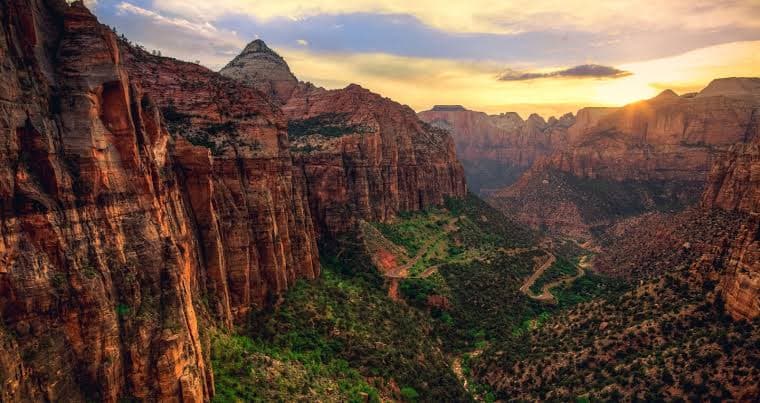
Best Time to Visit Zion National Park (2026): Weather, Crowds & Hiking Guide
If you are wondering about the best time to visit Zion National Park, the short answer is spring and fall, especially April to May and October to early November. These months generally offer a better balance of comfortable hiking weather, beautiful scenery, and fewer visitors than the peak summer season.
However, the ideal month depends on what you want to do. Spring brings blooming vegetation and flowing water, fall offers cooler hiking conditions and changing colors, summer provides the longest daylight and the most complete park operations, while winter is the best choice for travelers who want more solitude.
Zion National Park is open year-round, so there is no single “wrong” season to visit.
Best Time to Visit Zion National Park
For most travelers, October is one of the best months to visit Zion National Park. Temperatures are more comfortable for hiking than during the hot summer months, fall colors begin appearing at higher elevations, and visitation starts to decline as autumn progresses.
April and May are also excellent choices if you want pleasant spring weather, longer daylight, and active park operations. However, spring can bring snowmelt and higher water levels in the Virgin River, which can affect access to some trails, including The Narrows.
If avoiding crowds is your biggest priority, consider November, December, January, or February. Winter is considerably quieter, although colder temperatures, snow, ice, and shorter daylight hours can affect hiking plans.
According to National Park Service visitation averages from 2019–2023, April through September account for about 65% of Zion’s annual visitors, with June and July among the busiest months.
Zion National Park by Season
Spring: March to May
Spring is a beautiful time to visit Zion. As temperatures rise, trees begin developing leaves and early wildflowers appear. Daytime conditions become more comfortable, although nights can still be cold and temperature swings can be significant.
March and April can be particularly busy because of spring break. March visitation is much higher than February, according to the National Park Service.
One thing to keep in mind is water. Snowmelt can raise river levels, and that can result in temporary closures or difficult conditions for The Narrows. Always check current conditions before planning a water-based hike.
Best for:
- Spring scenery
- Wildflowers
- Moderate temperatures
- Longer hiking days
- Travelers who don’t mind some crowds
Summer: June to September
Summer is the busiest season at Zion National Park. It offers long daylight hours and the most extensive staffing and facility operations, but the heat and crowds can make hiking more challenging.
Temperatures in summer can regularly exceed 100°F (38°C), particularly in lower elevations. The National Park Service recommends carrying plenty of water and taking precautions against heat illness.
Summer also overlaps with the Southwest monsoon season. From July through September, sudden thunderstorms can develop, creating a risk of flash floods. Conditions can change rapidly, especially in narrow canyons.
Crowds are another major consideration. Zion can see hundreds of thousands of visitors during individual summer months, and parking in Zion Canyon can fill early in the morning.
If summer is the only time you can visit, start your hikes early, carry sufficient water, and check the weather and park conditions before entering the canyon.
Best for:
- Long daylight hours
- Families traveling during school vacations
- Full seasonal park operations
- Travelers who can handle heat and crowds
Fall: October to November
For many visitors, fall is the best overall time to visit Zion National Park.
October brings cooler temperatures that make hiking much more comfortable than during summer. Fall colors begin at higher elevations and gradually move into Zion Canyon toward late October and early November. Visitation also begins to decrease, particularly in November.
This combination makes fall particularly attractive for hikers and photographers. You can enjoy the famous canyon scenery without dealing with the extreme heat of summer.
October can still be busy, so don’t expect complete solitude. If your priority is a quieter experience, early to mid-November can be an excellent compromise between weather and crowds.
Best for:
- Hiking
- Fall colors
- Photography
- Cooler weather
- Fewer visitors than summer
Winter: December to February
Winter is Zion’s quiet season and can provide a completely different experience.
Temperatures are colder, with daytime highs often around 50–60°F while nighttime temperatures can drop below freezing. Zion also receives a significant portion of its annual precipitation during the winter months.
Snow can accumulate at higher elevations, creating beautiful scenery. At lower elevations, however, snow may disappear quickly after storms.
Winter also means shorter days and the possibility of icy or snow-covered trails. Some trails may close because of falling-ice hazards, so checking current conditions is particularly important.
The reward is solitude. December and January are generally among Zion’s quieter months, although holiday periods can still become busy.
Best for:
- Solitude
- Snowy scenery
- Photography
- Budget-conscious travelers
- A quieter park experience
Best Month to Visit Zion National Park
If you want to choose just one month, October is a strong overall choice.
Here’s how the main months compare:
| Month | Weather | Crowds | Overall Experience |
|---|---|---|---|
| March | Cool to mild | High | Good for spring scenery |
| April | Mild | High | Excellent but busy |
| May | Warm | High | Great hiking conditions |
| June | Hot | Very high | Long days, heavy crowds |
| July | Very hot | Very high | Crowded and monsoon risk |
| August | Very hot | High | Good daylight, storm risk |
| September | Warm | High | Better than peak summer |
| October | Cool to mild | Moderate | Excellent overall |
| November | Cool | Lower | Excellent for quieter trips |
| December | Cold | Low* | Peaceful winter visit |
| January | Cold | Low | Quietest period |
| February | Cool | Low | Quiet before spring crowds |
*Holiday periods can be significantly busier than normal winter days.
The National Park Service notes that March through November are generally the busiest period, while December and January tend to be less busy except around holidays.
Best Time to Visit Zion for Hiking
If hiking is the main reason for your trip, April through May and October through early November are excellent choices.
Spring offers pleasant temperatures, but snowmelt can affect some higher-elevation trails and The Narrows. Fall generally provides more predictable hiking conditions, cooler temperatures, and beautiful seasonal colors.
Regardless of the month, start important hikes early in the day. Zion’s popular trails can become crowded, and summer heat can become uncomfortable as the day progresses.
If you plan to hike The Narrows, pay particular attention to river conditions and flash-flood warnings. The National Park Service closes The Narrows when the Virgin River flow exceeds certain safety thresholds or when a flash-flood warning is issued.
Best Time to Visit Zion to Avoid Crowds
The easiest way to avoid Zion’s biggest crowds is to visit during late fall or winter, particularly on weekdays.
The park is busy throughout much of the year, but March through November generally sees the highest visitation. Weekdays are typically quieter than weekends, and arriving early in the morning can make a major difference.
The National Park Service also recommends considering an arrival before the busiest part of the day or after 3 p.m. when appropriate. Parking can fill early, so visitors should be prepared to park in Springdale and use the shuttle system.
Try to avoid major holiday weekends if you want a peaceful experience. Memorial Day, Independence Day, Labor Day, Easter week, and other popular holiday periods can bring exceptionally large crowds.
Zion Shuttle: What to Know Before Visiting
The Zion Canyon Shuttle System is an important part of planning a trip during much of the year.
When the shuttle is operating, private vehicles are generally not permitted on Zion Canyon Scenic Drive. Visitors can park at the Zion Canyon Visitor Center or in Springdale and use the shuttle to reach popular trailheads and destinations.
For example, in the 2026 schedule, Zion Canyon shuttle service begins at 7 a.m. during much of the spring, summer, and fall operating period, although schedules change throughout the year. Visitors should always check the current schedule before their trip.
This is another reason to arrive early. Parking can fill quickly, especially during the busiest seasons.
What Is the Worst Time to Visit Zion National Park?
There isn’t necessarily a bad time to visit Zion, but mid-summer can be challenging if you dislike heat and crowds.
June, July, and August combine high visitation with very warm temperatures. Summer thunderstorms also bring potential flash-flood hazards during the monsoon season.
That doesn’t mean you should avoid summer completely. If you plan carefully, start hiking early, stay hydrated, and monitor weather conditions, a summer visit can still be rewarding.
Another challenging period can be spring break in March and major holiday weekends throughout the year because of increased visitation.
Tips for Choosing the Right Time to Visit Zion
Before choosing your dates, think about what matters most to you.
For the best overall experience: Choose October.
For spring scenery: Choose April or May.
For the best hiking temperatures: Choose April, May, October, or early November.
For fewer crowds: Choose November through February, avoiding major holidays.
For the longest days: Choose June through August.
For fall colors: Visit from late October into early November.
For the quietest experience: Winter is generally your best option.
Whatever season you choose, check the National Park Service’s current conditions, weather forecast, trail information, and shuttle schedule immediately before your trip. Zion’s weather can change quickly, and trails or roads may close because of flooding, rockfall, snow, or other hazards.
Final Thoughts
The best time to visit Zion National Park is generally October, especially if your priorities are comfortable hiking weather, spectacular scenery, and somewhat smaller crowds. April and May are also excellent alternatives for travelers who prefer spring conditions.
Summer is best for visitors who want maximum daylight and full seasonal operations but are prepared for heat and crowds. Winter is ideal for solitude, peaceful trails, and a different view of Zion’s dramatic landscape.
No matter when you visit, don’t choose your dates based on weather alone. Check current park conditions, trail closures, river levels, flash-flood warnings, and shuttle information before setting out. A little planning can make a major difference in your Zion National Park experience.