
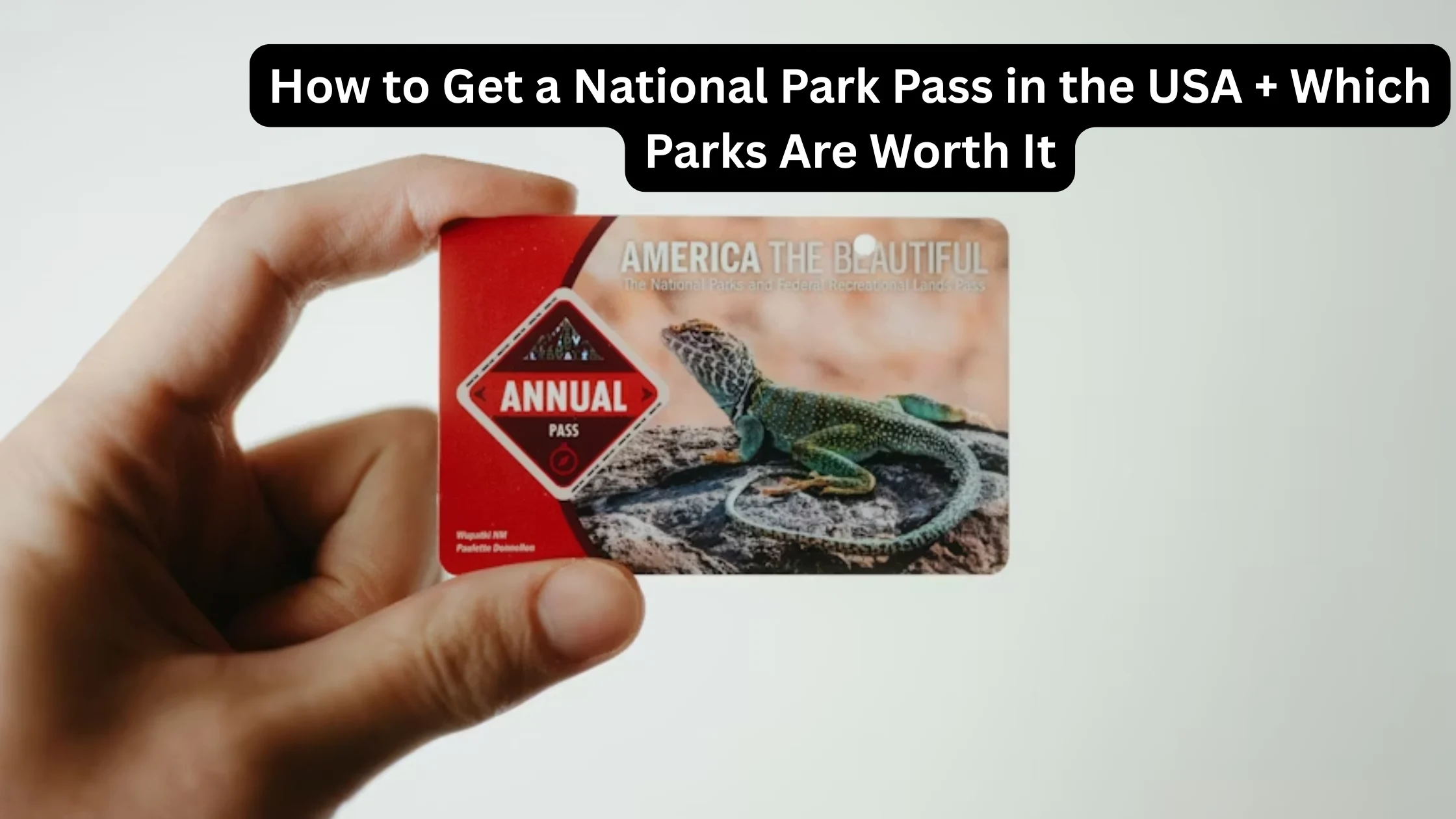
So, you’ve seen the TikToks, bought overpriced hiking socks, and convinced yourself that this is your “outdoors era.” Deep down, you’re ready to trade Wi-Fi for wildlife—except you still Googled “how to get a National Park Pass” because you’re a responsible chaos gremlin. Welcome. You’re about to learn how to cheat the system (legally) and look way more adventurous than your bank account should allow.
The government calls it “America the Beautiful Pass.” It’s $80 a year. That’s right—$80 for a year of mountains, deserts, and moral superiority over everyone still at home scrolling Instagram. But which parks are worth your time, energy, and general will to live? Grab your emotional support coffee and let’s unpack it, one sarcastic breakdown at a time.

Step One: America the Beautiful (and Also Exhausting)
First off, this pass isn’t expensive, but it feels like commitment—which, for Millennials and Gen Z, is terrifying. Eighty dollars sounds fine until you mentally convert it into lattes, streaming subscriptions, or therapy sessions. Still, this little card gets you into every [National Park], forest, monument, and wildlife refuge that usually charges a fee.
Here’s the gist:
- Costs $80. Lasts 12 months from the day you buy it.
- Works for one vehicle of degenerates (up to 4 adults, because kids under 16 are free).
- Covers per‑person entry parks too, so you can flex your “I already paid for this” energy anywhere.
You can buy it:
- Online through the U.S. Geological Survey website (yes, that’s real).
- In person at most [National Park] entrances or visitor centers.
- At select REI stores, if you want to feel superior shopping in fleece.
Bold truth: It’s the only government fee that doesn’t make you hate capitalism—for about three months until you forget it in your other backpack.
Side comment: Getting this pass doesn’t make you “granola girl” certified. It just labels you “budget conscious with delusions of adventure.”
Step Two: The Math That’ll Either Convince You or Confuse You
Let’s justify this purchase with questionable math. A single park visit can cost $20–$35, so if you plan to visit three or more parks in a year, congrats—you’re basically a financial prodigy.
Here’s the breakdown:
- Yellowstone – $35 per vehicle.
- Yosemite – $35 per vehicle.
- Grand Canyon – $35 per vehicle.
- Zion – $35 per vehicle.
That’s $140 in fees—or you could buy one $80 pass and feel fiscally smug every time you breeze past the ticket line flashing your shiny new card like a student ID to heaven.
Other passes exist:
- Senior pass ($80 for life, honestly rude to everyone under 62).
- 4th‑grade student pass (free, because kids haven’t tasted disappointment yet).
- Military, disabled, and volunteer passes (also free—bless).
But for the rest of us emotionally fried digital nomads, the standard $80 pass is the golden ticket.
Bold confession: You’ll forget the pass at least once, pay full price, and pretend “it’s fine.” It’s not fine—but it builds character.
Step Three: The [National Parks] Worth Your Drive, Gas Money, and Blisters
Now for the good stuff—the parks that justify the yearly fee. Spoiler: not all of them do. Some are majestic; some are glorified parking lots with trees.
1. Yosemite National Park (California) – The Instagram Model of Parks
Yosemite’s breathtaking—but also crowded enough to make Disneyland blush. The waterfalls? Gorgeous. The parking? Psychological warfare. Still, standing in front of Half Dome while pretending you enjoy hiking is worth the entry fee.
Must‑do: Glacier Point at sunrise, Fall hikes when people go back to their boring office jobs.
Dark truth: One in every three hikers here has cried mid‑climb. You’ll fit right in.
2. Yellowstone National Park (Wyoming, Montana, Idaho) – The OG Drama Queen
Old Faithful, steamy geysers, and tourists risking third‑degree burns for selfies—welcome to Yellowstone. It’s America’s chaotic miracle, complete with bison traffic jams. You’ll swear you’re in another world until someone honks at wildlife.
Cost‑to‑experience ratio: Elite. $35 value each visit minimum, and you can return again and again until the geyser stops caring.
Pro tip: Stay till sunset—nature throws a better light show than Vegas.
3. Zion National Park (Utah) – Nature’s StairMaster
If you’ve ever wanted to combine your fear of heights with your fear of crowds, congrats—this is the park for you. Angels Landing will humble your soul and your core muscles. But once you reach the top, you’ll forget that you almost died and instead post about “the journey.”
Worth it? Absolutely—if you like paying for leg day with adrenaline.
4. Glacier National Park (Montana) – The Ghost of Climate Past
Go before the glaciers vanish entirely, because yes, they’re on a timer. Hiking here is brutal but gorgeous, like dating someone who eats kale voluntarily.
When to go: July or August. Bring bear spray and emotional support snacks.
Disappointment warning: Most of your photos will look like you copied National Geographic, badly.
5. Great Smoky Mountains (Tennessee, North Carolina) – Free Therapy but Muggy
America’s most visited park—also the most fog‑addled. It’s chill, romantic, and free (you heard that right, no entry fee ironically). So, technically, it doesn’t even require the pass. But who’s counting? It’s a great flex to say you “disconnected in the Smokies” while secretly TikToking every waterfall.
6. Arches & Canyonlands (Utah) – Red Rocks, Existential Crises
This pair of parks gives off Martian energy and spiritual awakening mixed with dehydration. Every arch feels like a screensaver. Every mile feels endless. And yet you’ll call it “worth it.”

7. Joshua Tree National Park (California) – Indie Film Core
You came for the desert aesthetic, you stayed because your phone died and you needed symbolism. The pass gets you in easily, but what it doesn’t buy is patience—the park’s hotter than your laptop running Chrome tabs.
Bring water, vintage dreams, and zero expectations for shade.
8. Acadia National Park (Maine) – Moody, Coastal Main Character Energy
East Coast hikes with cliffs, oceans, and smug lobster rolls nearby. Perfect if you want autumn leaves or the illusion of productivity on your long‑deferred remote work vacation.
Entry cost: $35. Mood cost: priceless.
Fun fact: Everyone’s friendly here because freezing temperatures bond souls.
9. Grand Canyon (Arizona) – Nature’s Power Move
Massive, humbling, and surprisingly photogenic from every angle. Hiking down means eventual regret, and hiking back up means reconsidering religion. Still, the park pass spares you repeat entry—because trust me, you’ll want to sit, stare, and process your smallness more than once.
10. Olympic National Park (Washington) – Nature’s Personality Disorder
It’s got beaches, forests, and snow‑capped peaks—all in one dizzying package. Rain guaranteed. Pose for a selfie, look poetic, then immediately slip on moss.
Bold statement: If you only go to one [National Park] with your pass, make it Olympic. It’s like nature threw a tantrum and we got lucky.
Step Four: The Secret Parks Nobody Talks About but You Should
Everyone knows Yosemite, Yellowstone, and Bryce. But the real park pass value? Those underrated hits that don’t involve elbowing 400 tourists for one sad photo.
Hidden (under‑hyped) champs:
- Capitol Reef, Utah: Looks fake. Feels personal. No crowds.
- Lassen Volcanic, California: Sleepy, underrated cousin of Yellowstone.
- Black Canyon of the Gunnison, Colorado: Steep, quiet, emotionally intense.
- Theodore Roosevelt, North Dakota: You’ll ask, “Why am I here?” Then the sunset answers.
These places are perfect for introverts who want “solitude” without abandoning capitalism entirely.
Step Five: Maximizing Your Pass—Cheapskate Edition
You paid $80. Now milk it for all it’s worth.
How to make the most of your shiny [National Park] pass:
- Cluster your parks. Hit Utah’s Mighty 5 in one trip. Logistics nightmare, wallet dream.
- Use recreation areas. It covers forests and monuments, not just parks—because “free” tastes sweet.
- Avoid holiday weekends. Parks on July 4th are battlefields with hiking poles.
- Flex shamelessly. Show your pass at parties like it’s a black card.
Bold reminder: Don’t lose it. The replacement process makes DMV lines look efficient.
Side comment: Tape it to your dashboard like a manifesto.
Step Six: When the Pass Doesn’t Pay Off
Shockingly, the pass doesn’t work everywhere—state parks, local trails, and overpriced tourist traps laugh in its face. If you’re staying East Coast, it’s harder to justify because so many parks there are free or spread apart like bad Wi-Fi coverage.
Skip the pass if:
- You’re visiting one or two parks a year max.
- You only hike near cities (we see you, weekend warriors).
- You’re already a Smoky Mountains loyalist—again, free.
- You’re the kind of person who cancels plans when it’s cloudy.
Otherwise? Invest. The pass instantly upgrades your identity to “traveler who posts photos captioned simply: breathe.”
Bold truth: Even if you only break even money‑wise, you’ll gain free bragging rights for a year.
Step Seven: Pro Tips for National Park Survival
Because having the pass doesn’t mean you’re ready—only allowed in.
Expert‑level advice from someone who’s learned the hard way:
- Get there early. America loves parks, but also loves traffic. Sunrise or bust.
- Bring snacks. “Healthy trail mix” is code for “emergency lifesaver.”
- Pack layers. Every park operates its own microclimate and chaos.
- Book campsites months out. Or find yourself crying in a parking lot with a $400 hotel bill.
- Don’t touch wildlife. Seriously. They’re prettier than you, and they bite.
Side note: You’re outdoors for fun—not survival. Don’t make it complicated.
Honorable Mentions: Parks That’ll Steal Your Soul (in a Good Way)
Once you’ve committed to the pass lifestyle, you’ll inevitably start collecting parks like Pokémon. Here are a few that’ll turn you irrationally emotional:
- Badlands – Existential crisis in landscape form.
- Canyonlands – Utah’s fever dream.
- Mount Rainier – Massive, moody, magnificent.
- Hawaii Volcanoes – Literal fire hazard, but magical.
- Denali – Reminds you how useless Wi-Fi is when you’re busy being awe‑struck.
The “You Bought It for the Vibes” Realization
After a year with your America the Beautiful pass, you’ll notice something: you didn’t just buy a plastic card—you bought personality points. The vibe of “I could pack my car and disappear into nature” even if you never actually do it.
Pro truth: You won’t regret buying it—but you might regret all the gas money you spent “making it worth it.”
Still. The bragging rights, the stories, the sunsets, the deception? Priceless.
The “You Actually Read to the End?” Ending
Wow—look at you, hiking hero, reading an entire post about park passes instead of doom‑scrolling. You now officially know how to buy—and maximize—the best $80 you’ll spend all year.
Will it lead to enlightenment? No. But it’ll give you an excuse to leave your apartment, stare at mountains, and say “this view was worth it” even when your calves disagree.
So yes, go get that [National Park] pass. Explore. Sweat. Complain. Repeat. Because no amount of Starbucks or streaming fees will beat crying at sunrise over nature’s unpaid beauty.
See you in the parking lot, beautiful disaster.
Rubie Rose is the founder of Park Trails Guide. As a USA resident and nature lover, she is dedicated to creating helpful national park guides using official sources and real visitor experiences. Her mission is to make planning trips to places like Yosemite, Grand Canyon, and Zion easier for families, beginners, and travelers.