
When you plan your first hiking trip in the USA, you naturally feel very excited; however, this excitement is often accompanied by a good deal of confusion regarding what the experience will actually be like. Since the USA boasts a vast number of trails, parks, and forests that offer enjoyable hiking opportunities, selecting the right option from such a wide array of choices can indeed be a bit confusing.
The good news is that hiking does not have to be complicated. With the right planning, even first-time hikers can enjoy a safe, affordable, and memorable outdoor adventure.
In this complete beginner’s guide, you will learn exactly how to plan a hiking trip in the USA step by step. This article covers everything visitors usually search for on Google, including choosing hiking trails, packing lists, hiking safety tips, budgeting, permits, weather planning, beginner mistakes, and much more.
Why Hiking in the USA Is So Popular
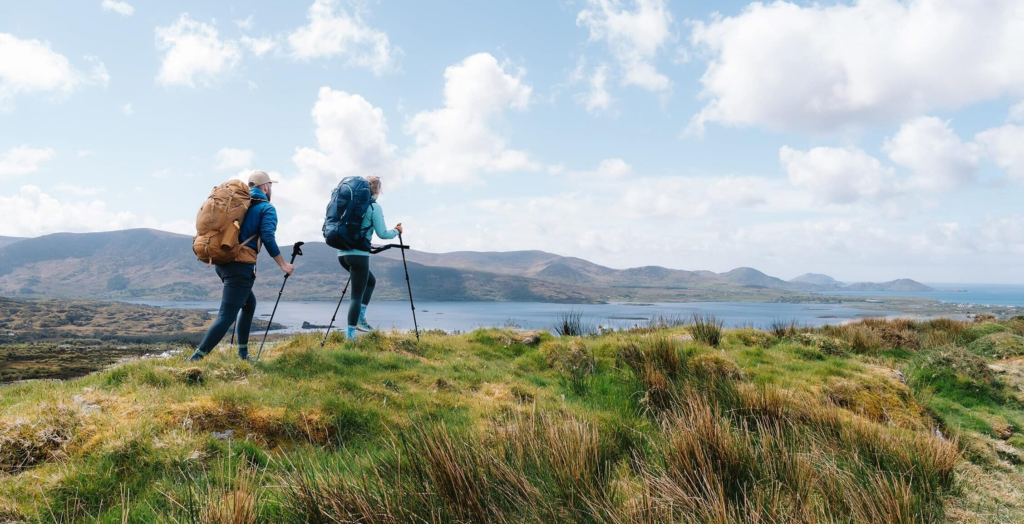
The USA is home to some of the world’s most beautiful hiking destinations. From deserts and waterfalls to forests and snowy mountains, there is something for every type of traveler.
Popular hiking regions include:
- Yosemite National Park
- Grand Canyon National Park
- Zion National Park
- Rocky Mountain National Park
- Great Smoky Mountains National Park
Many hiking trails are beginner-friendly, making the USA a great place for first-time hikers.
Step 1: Decide What Type of Hiking Trip You Want
Before choosing a trail, decide what kind of experience you want.
Ask yourself:
- Do you want an easy day hike or overnight camping trip?
- Do you prefer mountains, forests, lakes, or desert views?
- How many days can you travel?
- What is your fitness level?
- Will you hike alone or with friends/family?
Types of Hiking Trips
Day Hiking
Perfect for beginners. You hike during the day and return without camping overnight.
Backpacking
You carry camping gear, food, and water for multi-day hiking trips.
National Park Hiking
Popular for scenic trails, visitor centers, and marked paths.
Wilderness Hiking
Remote hiking areas with fewer facilities and more adventure.
For first-timers, day hiking inside national parks is usually the safest and easiest option.
Step 2: Choose the Best Hiking Destination
Many beginners search:
- Best hiking places in the USA for beginners
- Easy national park hikes
- Safe hiking trails for first-time hikers
Here are some beginner-friendly destinations.
Best USA Hiking Destinations for Beginners
Shenandoah National Park
Known for easy scenic trails and beautiful mountain views.
Acadia National Park
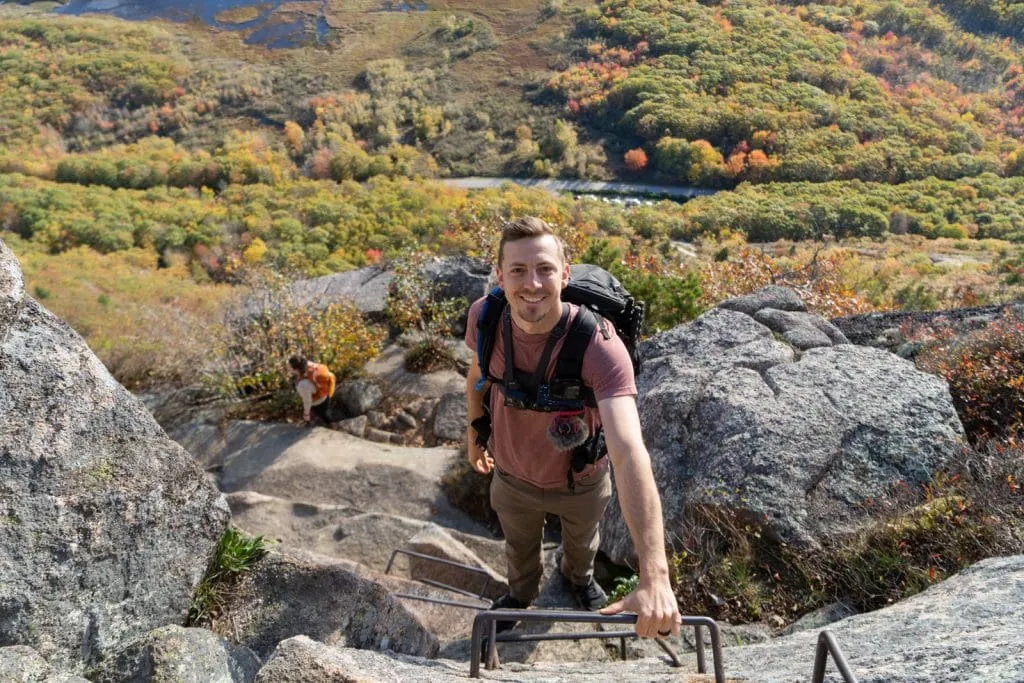
Great coastal hiking with beginner-friendly paths.
Bryce Canyon National Park
Offers short and beautiful hiking trails.
Olympic National Park
Perfect for forest and waterfall hikes.
Great Smoky Mountains National Park
One of the best choices for first-time hikers because of easy trails and good facilities.
Step 3: Research Hiking Trails Carefully
Never choose a hiking trail without research.
Important things to check:
- Trail difficulty
- Distance
- Elevation gain
- Weather conditions
- Trail closures
- Wildlife warnings
- Water availability
- Parking information
What Is a Good Hiking Distance for Beginners?
For first-time hikers:
- 2–5 miles is ideal
- Choose trails with low elevation gain
- Avoid steep mountain climbs initially
Understand Trail Difficulty Levels
Easy Trails
- Flat terrain
- Short distance
- Clearly marked
Moderate Trails
- Longer distances
- Some climbing
- Uneven surfaces
Difficult Trails
- Steep elevation
- Rocky terrain
- Long hiking hours
Beginners should start with easy or moderate trails only.
Step 4: Pick the Right Season for Hiking
Weather can completely change your hiking experience.
Best Seasons for Hiking in the USA
Spring
- Comfortable temperatures
- Flowers and waterfalls
- Great for national parks
Summer
- Best for mountain hiking
- Popular travel season
- Hot temperatures in desert areas
Fall
- Beautiful autumn colors
- Cooler weather
- Less crowded trails
Winter
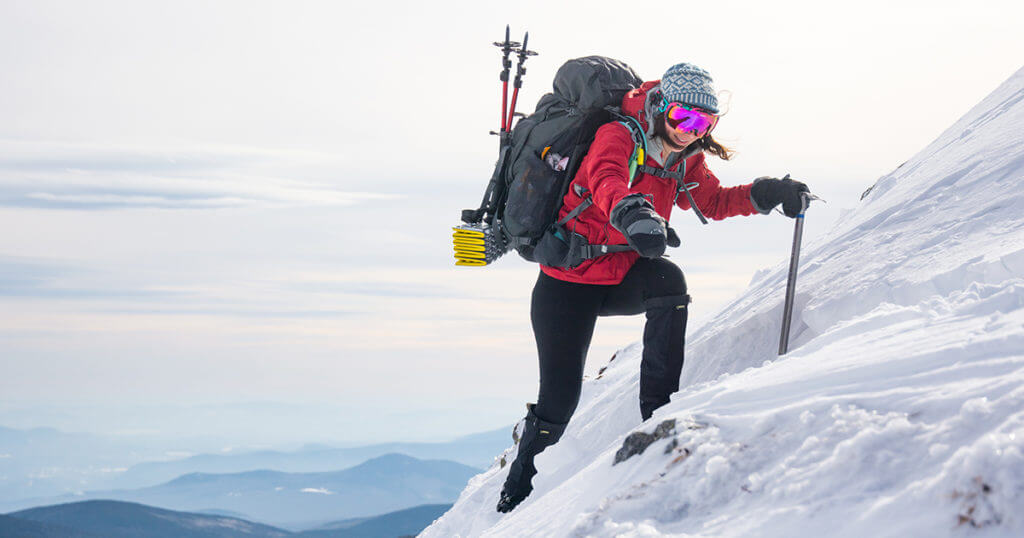
- Snow hiking opportunities
- Requires special gear and experience
For beginners, spring and fall are usually the best seasons.
Step 5: Check Weather Before Your Trip
Weather changes quickly in hiking areas.
Always check:
- Rain forecasts
- Heat warnings
- Snow conditions
- Thunderstorms
- Wind speed
Many hikers underestimate weather conditions and get into dangerous situations.
Why Weather Matters During Hiking
Bad weather can cause:
- Slippery trails
- Flash floods
- Hypothermia
- Heat exhaustion
- Poor visibility
Never ignore weather updates before hiking.
Step 6: Create a Hiking Budget
One of the most searched questions is:
How Much Does a Hiking Trip Cost in the USA?
Costs depend on location and travel style.
Common Hiking Expenses
| Expense | Estimated Cost |
|---|---|
| National park entry | $20–$35 |
| Hiking shoes | $60–$200 |
| Backpack | $40–$150 |
| Camping fees | $15–$50 |
| Food and water | $20–$100 |
| Travel and fuel | Varies |
Budget Tips for First-Time Hikers
- Start with local trails
- Borrow gear from friends
- Use reusable water bottles
- Avoid expensive camping equipment initially
Step 7: Buy Essential Hiking Gear
You do not need expensive equipment for beginner hikes.
Essential Hiking Gear Checklist
Hiking Shoes
Good hiking shoes are very important.
Look for:
- Comfortable fit
- Good grip
- Water resistance
- Ankle support
Backpack
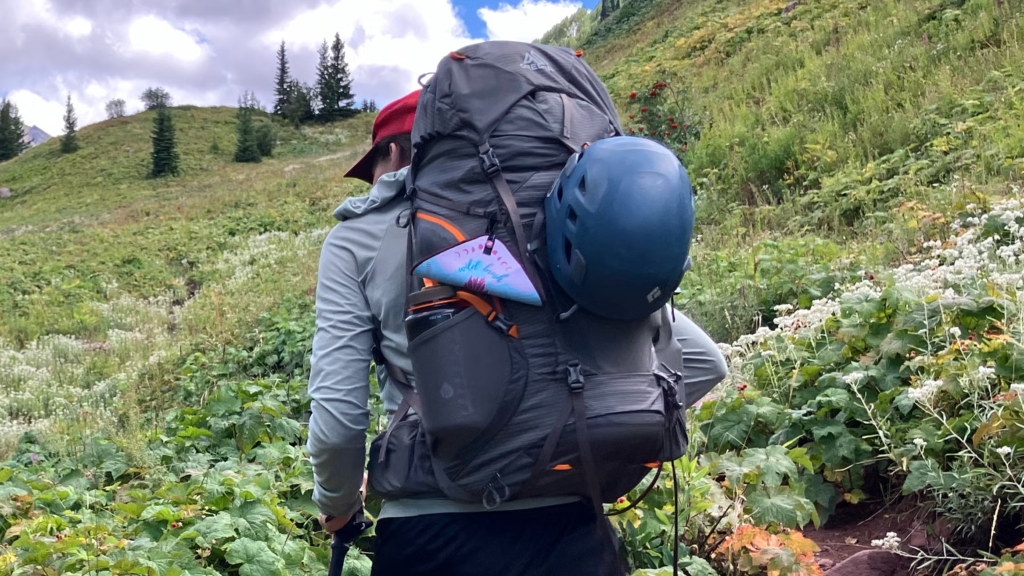
Choose a lightweight backpack with:
- Water bottle pockets
- Comfortable straps
- Enough storage
Water Bottles or Hydration Pack
Staying hydrated is critical during hiking.
Weather-Appropriate Clothing
Wear:
- Moisture-wicking shirts
- Lightweight layers
- Rain jacket
- Hiking pants or shorts
Avoid cotton clothing because it absorbs sweat.
Navigation Tools
Carry:
- Phone with offline maps
- Trail map
- Compass
First Aid Kit
Include:
- Bandages
- Pain relievers
- Blister care
- Emergency medicines
Step 8: Pack Smart for the Hike
Many beginners overpack or forget essential items.
What to Pack for a Day Hike
Must-Have Items
- Water
- Snacks
- Sunscreen
- Hat
- Phone
- Power bank
- First aid kit
- Flashlight
- Rain jacket
Best Hiking Snacks
Popular choices include:
- Energy bars
- Nuts
- Fruits
- Sandwiches
- Trail mix
Step 9: Learn Basic Hiking Safety Rules
Safety should always come first.
Important Hiking Safety Tips
Stay on Marked Trails
Avoid shortcuts and unknown routes.
Tell Someone Your Plans
Always share:
- Trail name
- Start time
- Expected return time
Start Early
Morning hikes are safer and cooler.
Carry Enough Water
Dehydration is one of the biggest hiking problems.
Watch for Wildlife
In some areas you may encounter:
- Bears
- Snakes
- Mountain lions
Keep distance and never feed wildlife.
Step 10: Understand Hiking Permits and Rules
Some hiking locations require permits.
Where Hiking Permits Are Common
- National parks
- Overnight backpacking trails
- Wilderness areas
Always check official park websites before visiting.
Leave No Trace Principles
Protect nature by following these rules:
- Carry out your trash
- Stay on trails
- Respect wildlife
- Avoid damaging plants
- Keep noise low
Responsible hiking helps preserve trails for future visitors.
Step 11: Plan Transportation and Accommodation
Transportation Options
Depending on the destination:
- Personal car
- Rental car
- Shuttle buses
- Public transportation
Some national parks have shuttle systems during busy seasons.
Accommodation Options
Hotels
Comfortable but more expensive.
Campgrounds
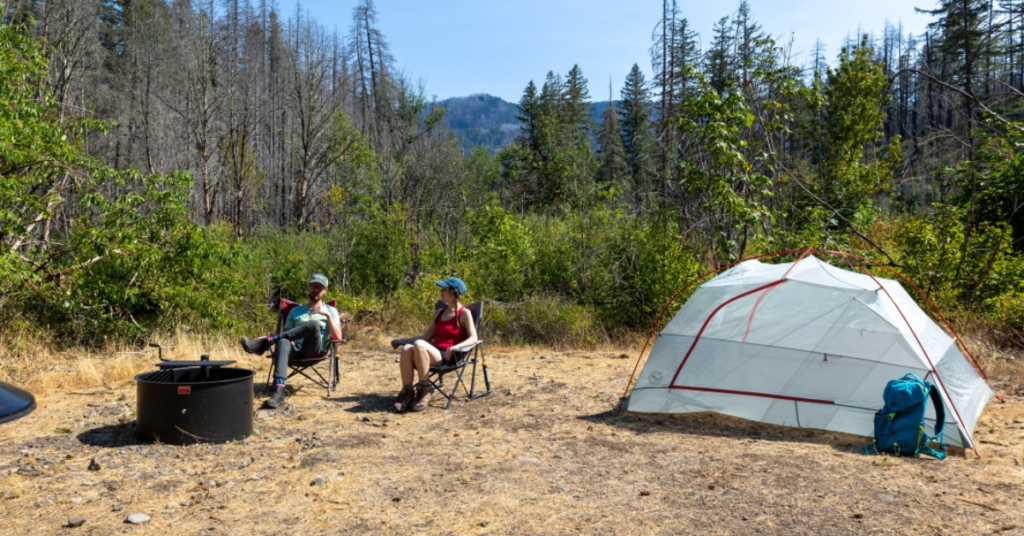
Affordable and close to trails.
Cabins
Good for families and groups.
RV Camping
Popular in national parks.
Book accommodation early during summer and holidays.
Step 12: Download Offline Maps
Phone signals often disappear in mountain and forest areas.
Offline maps can help you:
- Avoid getting lost
- Track your route
- Find water sources
- Locate emergency exits
Never depend only on mobile internet during hiking.
Step 13: Prepare Your Body Before Hiking
You do not need to be an athlete for beginner hikes, but basic fitness helps a lot.
How to Train for Your First Hike
Simple preparation:
- Walk daily
- Climb stairs
- Do light cardio exercises
- Practice short local hikes
Comfortable fitness improves the hiking experience.
Common Beginner Hiking Mistakes
Avoid these common problems:
Wearing New Shoes Without Testing
New shoes may cause painful blisters.
Starting With Difficult Trails
Choose easy hikes first.
Carrying Too Much Weight
Heavy backpacks make hiking exhausting.
Ignoring Weather Forecasts
Weather changes can become dangerous.
Not Bringing Enough Water
Always carry extra water.
Best Apps for Hiking in the USA
Many visitors search for hiking apps before traveling.
Popular options include:
- AllTrails
- Gaia GPS
- Google Maps
These apps help with:
- Trail maps
- Reviews
- Navigation
- Difficulty ratings
Solo Hiking Tips for Beginners
Solo hiking can be peaceful, but safety matters more.
Tips for Hiking Alone
- Choose busy trails
- Avoid remote areas initially
- Carry emergency contacts
- Stay aware of surroundings
- Inform someone about your trip
For first-time hikers, hiking with a friend is usually better.
Family Hiking Tips
Planning a family hiking trip?
Important Tips
- Choose short trails
- Carry extra snacks
- Take breaks often
- Bring sun protection
- Keep children hydrated
National parks often have excellent family-friendly hiking trails.
Best National Parks for First-Time Hikers
Yellowstone National Park
Famous for geysers, wildlife, and scenic trails.
Arches National Park
Great short hikes with stunning rock formations.
Joshua Tree National Park
Perfect desert hiking destination.
Mount Rainier National Park
Beautiful mountain scenery and wildflowers.
How to Avoid Altitude Sickness While Hiking
Mountain destinations may cause altitude problems.
Symptoms Include
- Headache
- Dizziness
- Nausea
- Fatigue
Prevention Tips
- Drink water
- Climb slowly
- Rest often
- Avoid alcohol
Beginners should avoid very high elevations initially.
Eco-Friendly Hiking Tips
Many travelers now search for sustainable hiking tips.
Simple Ways to Protect Nature
- Use reusable bottles
- Avoid plastic waste
- Stay on marked paths
- Respect wildlife habitats
- Support eco-friendly tourism
Small actions make a big difference.
Read Also: Mobile Network Reality in National Parks (Where You’ll Lose Signal)
Frequently Asked Questions
Is hiking in the USA safe for beginners?
Yes, many trails are beginner-friendly if you prepare properly and follow safety rules.
What is the best hiking trip for first-timers?
Day hikes in national parks are usually the easiest and safest option.
How much water should I carry while hiking?
Carry at least 2 liters for short hikes. More may be needed in hot weather.
What should beginners wear while hiking?
Wear lightweight, breathable clothes and comfortable hiking shoes.
Can I hike without expensive gear?
Yes. Beginners only need basic essentials for short hikes.
What is the best time to hike in the USA?
Spring and fall are usually best because of pleasant weather.
Planning your first hiking trip in the USA does not have to feel stressful. Start small, choose beginner-friendly trails, pack smart, and always prioritize safety.
Hiking is one of the best ways to explore America’s natural beauty, reduce stress, improve fitness, and create unforgettable memories. Whether you visit mountains, forests, waterfalls, or national parks, your first hiking adventure can become the start of a lifelong passion.
Take your time, prepare carefully, and enjoy the journey one step at a time.

Rubie Rose is the founder of Park Trails Guide. As a USA resident and nature lover, she is dedicated to creating helpful national park guides using official sources and real visitor experiences. Her mission is to make planning trips to places like Yosemite, Grand Canyon, and Zion easier for families, beginners, and travelers.