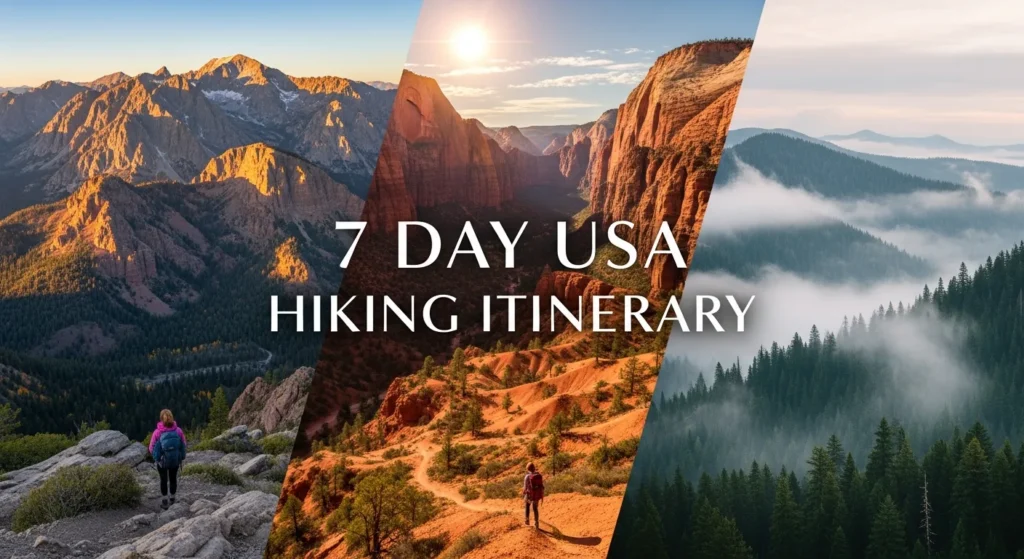
7 Day USA Hiking Itinerary: The Perfect National Park Road Trip Plan
The United States is home to some of the world’s most spectacular national parks, making it a dream destination for hiking enthusiasts. From towering red rock cliffs and dramatic canyons to scenic arches and breathtaking overlooks, a hiking road trip through America’s national parks offers unforgettable experiences every day.
This 7-day itinerary takes you through Utah’s famous national parks, often called the “Mighty 5.” The route combines incredible hiking trails, scenic drives, wildlife viewing opportunities, and stunning landscapes. Whether you’re a first-time visitor, a family looking for adventure, or an experienced hiker, this itinerary provides the perfect balance of exploration and relaxation.
Why Choose a National Park Hiking Road Trip in the USA?
A national park road trip allows you to experience multiple destinations in a single vacation. Instead of staying in one location, you can explore different landscapes and hiking trails every day.
Some of the biggest benefits include:
- Access to world-famous hiking trails
- Spectacular scenery and photography opportunities
- Flexibility to travel at your own pace
- Affordable travel compared to international destinations
- Opportunities to spot wildlife in natural habitats
- Diverse experiences ranging from deserts to mountains
Each park offers something unique, ensuring that every day feels different from the last.
Before You Go: Essential Trip Planning Tips
Proper preparation can make your hiking road trip safer and more enjoyable.
Best Time to Take This Hiking Road Trip
Spring (March–May)
Spring is one of the best seasons for this itinerary. Temperatures are comfortable, wildflowers begin blooming, and crowds are generally smaller than summer.
Summer (June–August)
Summer offers long daylight hours, but temperatures can become extremely hot, especially in desert parks. Start hikes early in the morning and carry plenty of water.
Fall (September–November)
Many travelers consider fall the ideal season. Temperatures are pleasant, trails are comfortable, and the scenery remains beautiful.
Winter (December–February)
Some areas may receive snow, but winter provides peaceful landscapes and fewer visitors.
What to Pack for a 7-Day Hiking Adventure
Packing correctly is essential for comfort and safety.
Hiking Boots
Choose comfortable hiking shoes with good grip and ankle support.
Daypack
A lightweight backpack helps carry water, snacks, sunscreen, and other essentials.
Water Bottles
Always carry more water than you think you’ll need. Desert climates can cause dehydration quickly.
Navigation Tools
Download offline maps before entering remote areas where mobile signals may be weak.
Clothing Layers
Weather can change rapidly, especially at higher elevations.
First-Aid Kit
Include bandages, blister treatment, medications, and emergency supplies.
National Park Pass Information
The America the Beautiful Pass provides access to most national parks across the country.
For travelers visiting multiple parks, purchasing this pass often saves money compared to paying separate entrance fees at each location.
Day 1 – Arrive in Las Vegas and Explore Zion National Park
Your adventure begins in Las Vegas, one of the most convenient gateway cities for Utah’s national parks.
The drive from Las Vegas to Zion National Park takes approximately 2.5 to 3 hours.
Morning Drive to Zion
Leave early to maximize your time inside the park. As you approach Zion, you’ll notice dramatic sandstone cliffs rising above the valley floor.
Best Beginner-Friendly Hikes in Zion
Canyon Overlook Trail
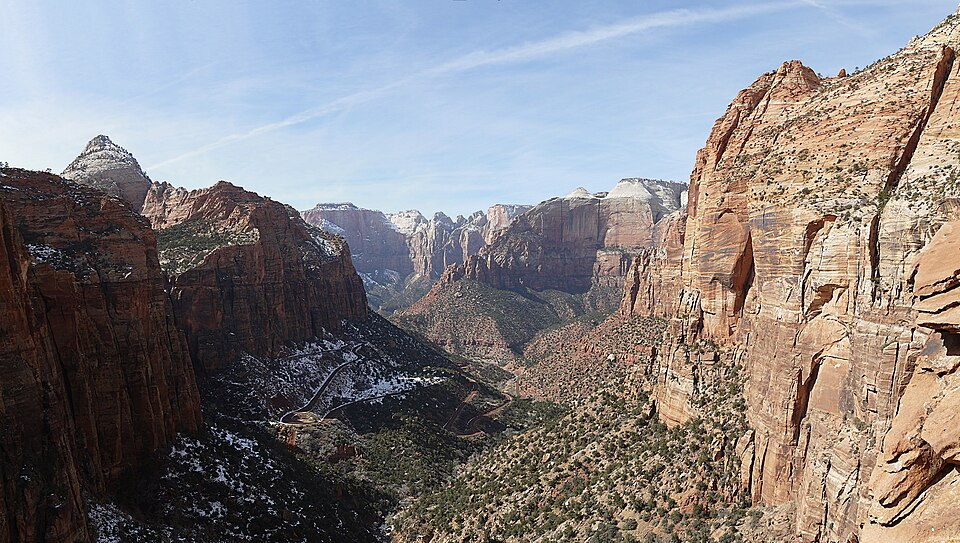
This short trail offers one of the best viewpoints in the park.
Highlights include:
- Stunning canyon views
- Relatively easy hiking
- Excellent photography opportunities
Riverside Walk
The Riverside Walk follows the Virgin River through towering canyon walls.
Visitors enjoy:
- Flat walking paths
- Scenic river views
- Opportunities to spot wildlife
Sunset Views and Overnight Stay
Watch the sunset from Canyon Junction Bridge or another scenic overlook before staying overnight in Springdale, the gateway town near Zion.
Day 2 – Full Day Hiking in Zion National Park
Today is dedicated entirely to exploring Zion’s most famous trails.
Angels Landing (Permit Information)

Angels Landing is one of America’s most famous hikes.
The trail includes:
- Steep switchbacks
- Narrow ridges
- Incredible panoramic views
Because of its popularity, hikers typically need a permit.
This hike is recommended only for experienced hikers comfortable with heights.
The Narrows Hiking Experience
The Narrows is unlike most hiking trails.
Instead of walking on a path, you’ll hike directly through the Virgin River.
Expect:
- Towering canyon walls
- Cool water crossings
- Unique scenery unavailable anywhere else
Waterproof footwear and walking sticks are highly recommended.
Safety Tips for Zion Hikers
- Start early to avoid crowds.
- Carry plenty of water.
- Monitor weather conditions.
- Avoid risky behavior near cliffs.
- Stay on marked trails.
Day 3 – Bryce Canyon National Park Adventure
After Zion, drive about two hours to Bryce Canyon National Park.
Bryce Canyon is famous for its colorful hoodoos—unique rock formations created by erosion.
Drive from Zion to Bryce Canyon
The drive itself is incredibly scenic, passing through forests, cliffs, and mountain landscapes.
Plan several photo stops along the route.
Navajo Loop Trail
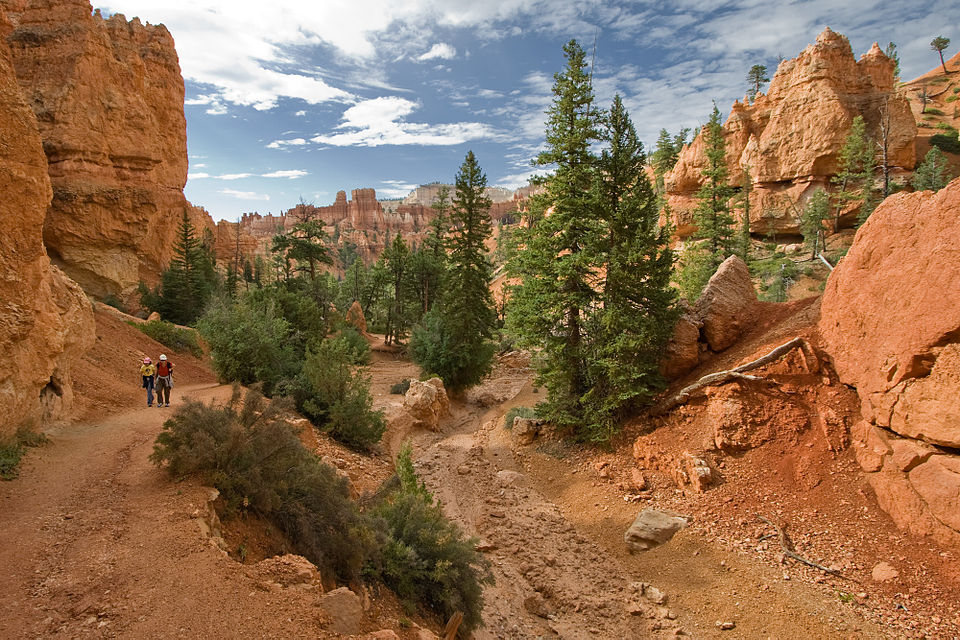
This is Bryce Canyon’s signature hike.
Highlights include:
- Wall Street section
- Massive hoodoos
- Beautiful viewpoints
The trail provides a close-up look at Bryce Canyon’s unique geology.
Queen’s Garden Trail
This family-friendly hike descends into the canyon and offers excellent views of the surrounding rock formations.
Many visitors combine it with the Navajo Loop Trail for a longer adventure.
Best Sunrise and Sunset Viewpoints
Popular locations include:
- Sunrise Point
- Sunset Point
- Inspiration Point
- Bryce Point
The changing light creates spectacular colors across the canyon.
Day 4 – Scenic Drive to Capitol Reef National Park
Capitol Reef is often overlooked by visitors, making it one of Utah’s hidden gems.
The drive from Bryce Canyon takes approximately 2.5 hours.
Hidden Gem of Utah’s National Parks
Unlike the more crowded parks, Capitol Reef offers peaceful hiking and fewer visitors.
You’ll find:
- Colorful cliffs
- Historic orchards
- Scenic drives
- Quiet hiking trails
Hickman Bridge Trail
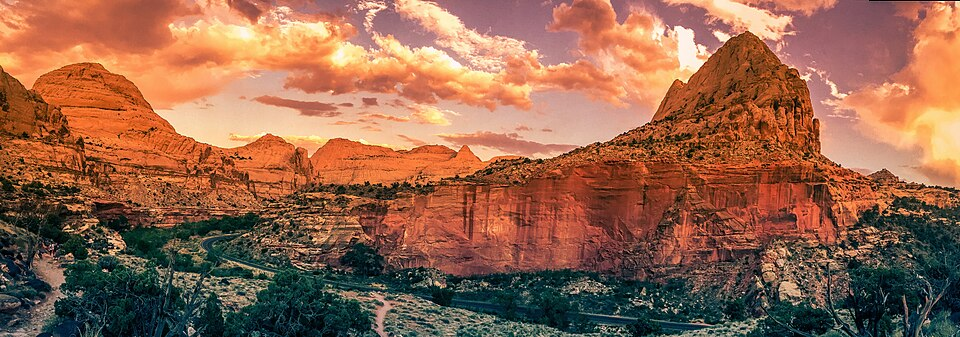
This moderate hike leads to a massive natural bridge.
Along the way you’ll encounter:
- Desert landscapes
- Rock formations
- Excellent viewpoints
Scenic Highway Highlights
The Capitol Reef Scenic Drive passes through dramatic cliffs and colorful rock layers.
Numerous pullouts allow visitors to stop and admire the scenery.
Stargazing Opportunities
Capitol Reef is recognized for its dark skies.
On clear nights, thousands of stars become visible, creating incredible stargazing conditions.
Day 5 – Explore Arches National Park
Arches National Park contains more than 2,000 natural stone arches.
Its unique landscape makes it one of America’s most photographed parks.
Delicate Arch Trail
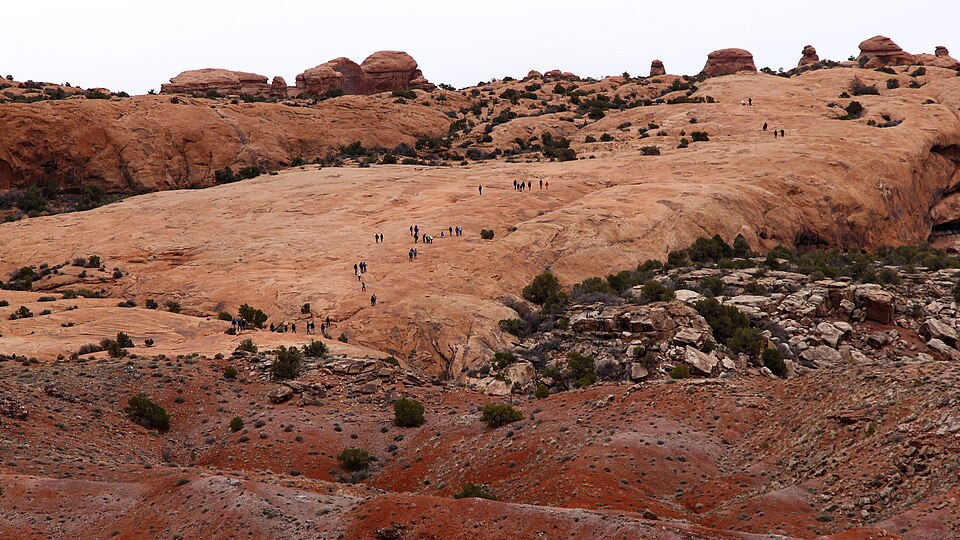
Delicate Arch is the park’s most famous landmark.
The hike includes:
- Moderate elevation gain
- Open slickrock terrain
- Amazing views at the end
Watching sunset at Delicate Arch is a memorable experience.
Landscape Arch Trail
This relatively easy trail leads to one of the longest natural arches in the world.
The route is suitable for most visitors.
Photography Spots You Shouldn’t Miss
Top locations include:
- Balanced Rock
- Double Arch
- The Windows Section
- Park Avenue
- Delicate Arch
Early morning and sunset provide the best lighting conditions.
Day 6 – Canyonlands National Park Hiking Day
Canyonlands features vast desert landscapes carved by rivers over millions of years.
It offers some of the most dramatic views in the American Southwest.
Mesa Arch Sunrise
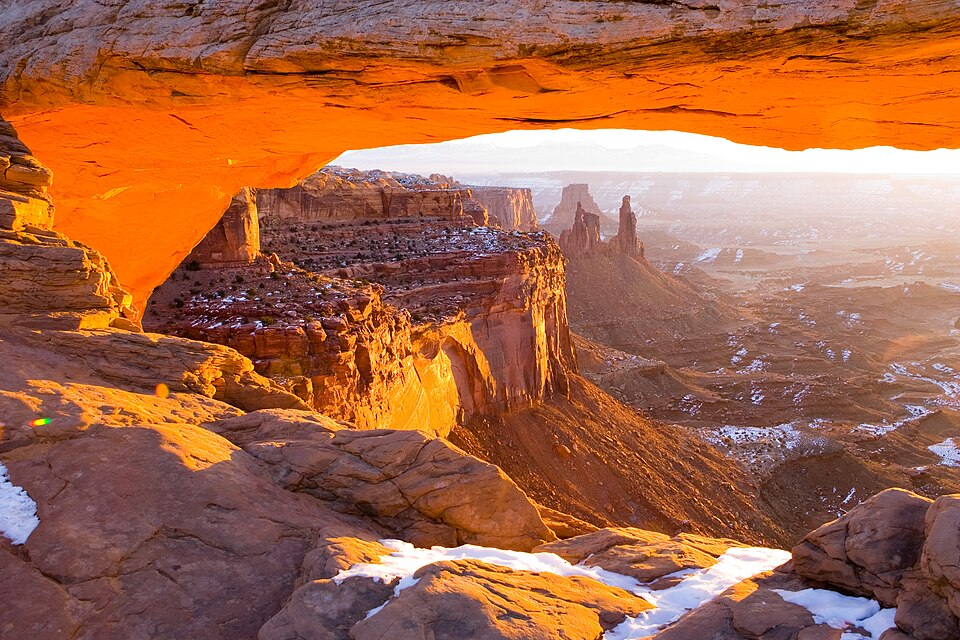
Mesa Arch is one of the most photographed sunrise locations in the United States.
The rising sun illuminates the arch and canyon below with golden light.
Arrive before dawn to secure a good viewing spot.
Grand View Point Trail
This easy-to-moderate trail offers incredible panoramic views.
Visitors can see:
- Deep canyons
- Rock formations
- Distant mountain ranges
Whale Rock Trail
Whale Rock is a fun hike featuring slickrock surfaces and elevated viewpoints.
Families often enjoy this unique trail.
Wildlife and Scenic Overlooks
Watch for:
- Desert bighorn sheep
- Mule deer
- Lizards
- Various bird species
Numerous overlooks provide spectacular views throughout the park.
Day 7 – Dead Horse Point State Park and Return Journey
Finish your adventure with one of Utah’s most famous viewpoints.
Morning Hike and Scenic Views
Dead Horse Point offers breathtaking overlooks of the Colorado River and surrounding canyons.
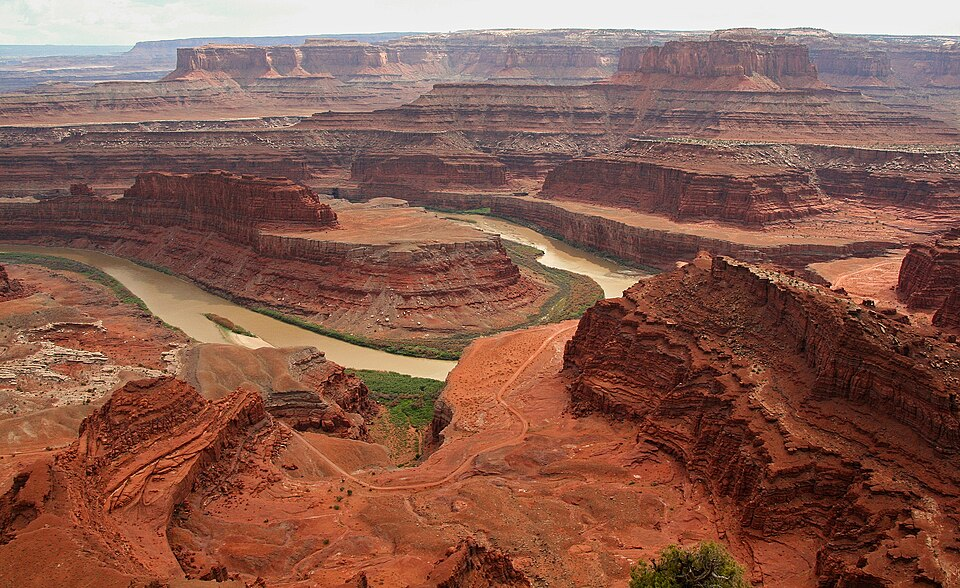
Several easy hiking trails connect scenic viewpoints throughout the park.
Final Photography Stops
This is the perfect location for capturing:
- Canyon panoramas
- Sunrise landscapes
- River bends
- Desert scenery
Drive Back and Trip Wrap-Up
Depending on your travel plans, begin driving back toward Las Vegas or continue exploring other destinations in the American Southwest.
Take time to reflect on an incredible week filled with hiking, adventure, and unforgettable scenery.
Estimated Budget for This 7-Day USA Hiking Road Trip
Costs vary based on travel style.
Transportation Costs
- Rental car: $300–$700
- Fuel: $100–$250
Accommodation Costs
- Budget hotels: $80–$150 per night
- Mid-range hotels: $150–$300 per night
- Lodges: $250+ per night
Food Expenses
- Budget travelers: $25–$40 per day
- Moderate travelers: $50–$80 per day
National Park Fees
An annual park pass often provides the best value for visitors entering multiple parks.
Total Estimated Budget
Budget Traveler
Approximately $900–$1,300
Mid-Range Traveler
Approximately $1,500–$2,500
Premium Traveler
Approximately $3,000 or more
Suggested Accommodation Options Along the Route
Budget-Friendly Hotels
Budget hotels are available in:
- Springdale
- Bryce Canyon City
- Torrey
- Moab
Campgrounds
Camping provides an affordable and immersive national park experience.
Reservations are recommended, especially during peak seasons.
Mid-Range Lodges
Many gateway towns offer comfortable lodges with excellent access to hiking trails.
Family-Friendly Stays
Families may prefer larger hotels, vacation rentals, or suites with kitchen facilities.
Safety Tips for Hiking in US National Parks
Stay Hydrated
Drink water consistently throughout the day.
Check Weather Conditions
Weather can change quickly, especially in canyon environments.
Wildlife Safety
Observe animals from a safe distance and never feed wildlife.
Leave No Trace Principles
Help protect national parks by:
- Staying on trails
- Packing out trash
- Respecting nature
Emergency Preparedness
Carry:
- Extra water
- Snacks
- Flashlight
- First-aid supplies
- Emergency contact information
Frequently Asked Questions
What is the best national park road trip for first-time visitors?
The Utah Mighty 5 route is often considered one of the best because it combines incredible scenery, excellent roads, and diverse hiking opportunities.
How much does a 7-day national park road trip cost?
Most travelers spend between $900 and $2,500 depending on accommodations, transportation, and dining choices.
Is this itinerary suitable for beginners?
Yes. While some hikes are challenging, many trails are beginner-friendly and can be adjusted based on fitness level.
Can I camp inside the national parks?
Yes. Most parks offer campgrounds, but reservations are strongly recommended.
Do I need permits for any hikes?
Some popular hikes, such as Angels Landing, require permits.
What is the best month for hiking in these parks?
April, May, September, and October generally provide the most comfortable weather conditions.
How many miles will I drive during this trip?
Expect approximately 700–900 miles of driving, depending on side trips and sightseeing stops.
Can families with children follow this itinerary?
Absolutely. Many trails and viewpoints are family-friendly and suitable for children.
This 7 Day USA Hiking Itinerary is one of the most rewarding national park road trips in America. From the towering cliffs of Zion National Park and the colorful hoodoos of Bryce Canyon National Park to the arches, canyons, and scenic overlooks found throughout Utah, every day offers a new adventure.
Whether you’re seeking challenging hikes, family-friendly trails, incredible photography opportunities, or simply a chance to experience some of America’s most beautiful landscapes, this road trip delivers an unforgettable week of exploration. With proper planning, comfortable accommodations, and a spirit of adventure, you’ll create memories that last a lifetime while discovering why these parks are among the most beloved outdoor destinations in the United States.
Read Also: Solo Hiking in the USA: Safety Tips, Best Trails & Trip Planning Checklist