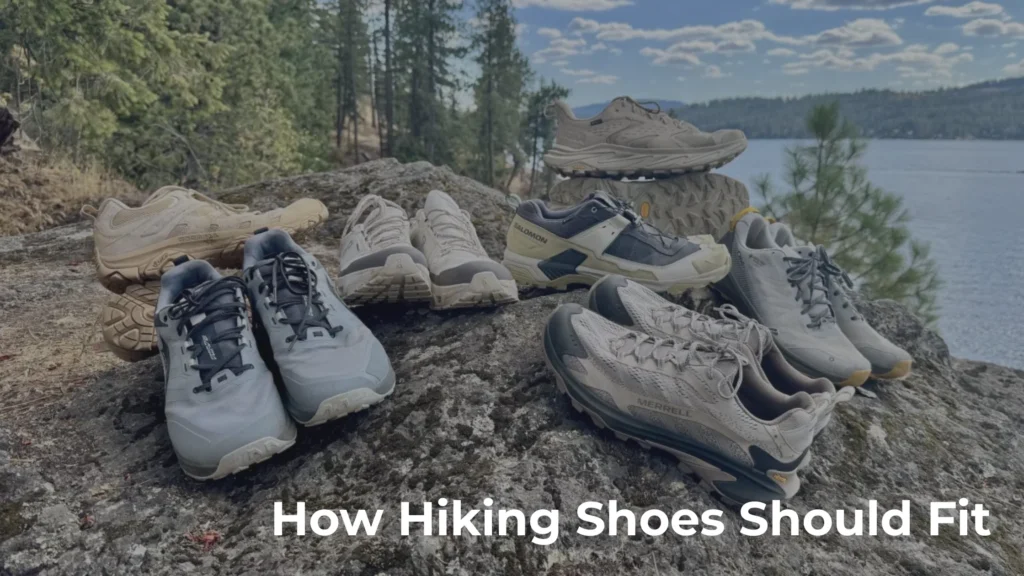
How Hiking Shoes Should Fit: Complete Guide for Comfort, Safety & Performance
One of the most important decisions for each hiker is selecting the right hiking shoes. Your comfort, safety, and overall experience can be greatly affected by the fit of your hiking shoes, whether you’re planning a long mountain journey or a quick nature walk.
Many individuals ignore the most important part of hiking shoes—fit—in favor of brand, style, or appearance. If they don’t fit properly, even the priciest hiking shoes can lead to swollen feet, discomfort, and foot pain.
This in-depth guide will teach you how hiking shoes should fit correctly, how to try them before purchasing, typical mistakes to avoid, and useful advice for selecting the ideal pair.
Why the Right Fit Is Important for Hiking Shoes

A proper fit does much more than simply make your feet comfortable.
Prevents Blisters and Hot Spots
Blisters are one of the most common hiking problems. They usually occur when your feet move excessively inside your shoes. A properly fitted hiking shoe keeps your foot secure while reducing friction that causes painful blisters.
Improves Comfort on Long Hikes
Even a small fit issue can become a major problem after several hours of walking. Properly fitted shoes distribute pressure evenly across your feet, allowing you to hike longer without discomfort.
Reduces Foot Fatigue
Your feet work hard during hikes. Shoes that fit correctly support your arches, stabilize your foot, and reduce strain on muscles and joints.
Improves Stability and Balance
Hiking often involves uneven terrain, rocks, roots, and steep trails. Shoes that fit well help you maintain better balance and reduce the risk of slips and falls.
Protects Your Toenails
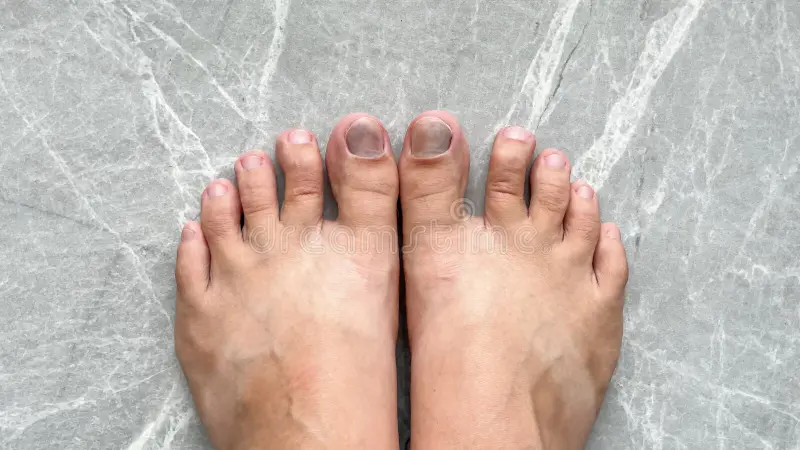
Many hikers experience bruised or black toenails because their toes repeatedly hit the front of their shoes during downhill sections. Proper toe room helps prevent this issue.
How Hiking Shoes Should Fit: The Basic Rule
The ideal hiking shoe should feel snug, secure, and comfortable without being tight.
Your foot should stay in place while walking, but you should still have enough room to move your toes naturally.
A good hiking shoe fit consists of three key elements:
- Comfortable toe room
- Secure heel fit
- Proper midfoot support
Let’s examine each area in detail.
Snug but Not Tight
Many beginners mistakenly believe hiking shoes should feel very tight to provide support. This is not true.
A hiking shoe should hold your foot securely without creating pressure points.
When you wear the shoes:
- Your foot should not slide around.
- Your toes should not feel squeezed.
- There should be no painful pressure on the sides of your feet.
- You should be able to walk naturally.
If the shoe feels uncomfortable while trying it on, it is unlikely to become comfortable during a long hike.
Enough Room for Toe Movement
Your toes need space to spread and move naturally.
When standing upright:
- You should be able to wiggle all your toes.
- Your longest toe should not touch the front of the shoe.
- There should be approximately a thumb’s width of space between your longest toe and the front of the shoe.
This extra space becomes especially important during downhill hiking when your feet naturally slide forward.
Without sufficient toe room, you may experience:
- Toe pain
- Bruised toenails
- Black toenails
- Foot fatigue
Secure Heel Fit
Your heel should remain securely in place when walking.
A properly fitted heel area should:
- Hold the heel firmly.
- Prevent excessive lifting.
- Minimize rubbing against the back of the shoe.
A small amount of movement is normal, but noticeable heel slippage often leads to blisters.
To test heel fit:
- Lace the shoes securely.
- Walk around.
- Climb a few stairs if possible.
- Pay attention to heel movement.
If your heel repeatedly lifts away from the shoe, consider another size or model.
How Much Toe Room Should Hiking Shoes Have?
One of the most frequently asked questions among hikers is how much space should be left in front of the toes.
The answer is simple: enough room to protect your toes during descents without allowing excessive movement.
The Thumb Width Rule
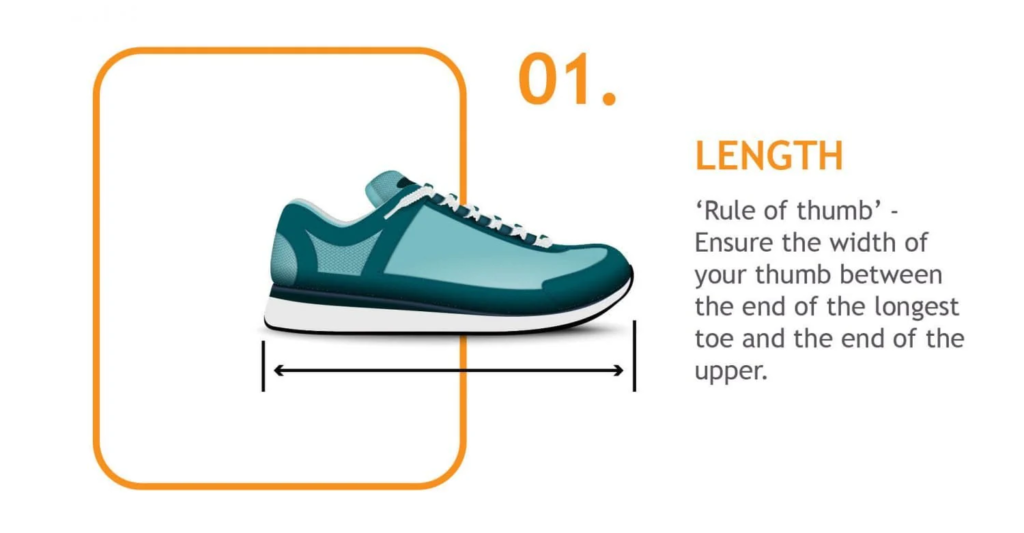
Most hiking experts recommend leaving about one thumb’s width of space between your longest toe and the front of the shoe.
This guideline works well because:
- Feet swell during long hikes.
- Downhill walking pushes feet forward.
- Additional space improves comfort on extended trails.
Testing Toe Space Correctly
When trying hiking shoes:
- Put on hiking socks.
- Lace the shoes normally.
- Stand upright.
- Slide your foot forward gently.
- Check the space behind your heel.
The gap should be approximately equal to the width of your thumb.
This simple test helps determine whether the shoe length is appropriate.
Signs Your Toe Box Is Too Small
A hiking shoe may be too small if you notice:
- Toes touching the front.
- Tingling sensations.
- Numbness.
- Pressure on the sides of your toes.
- Pain during downhill walking.
These symptoms often worsen during long hikes.
How Should Hiking Shoes Feel Around the Midfoot?
The midfoot is the area between your heel and toes. It plays a major role in comfort, support, and stability.
Many hikers focus only on shoe length, but a poor midfoot fit can cause discomfort even if the shoe size is correct.
Proper Arch Support
Your arch helps distribute body weight while walking. Hiking shoes should support your natural foot shape.
Generally, feet fall into three categories:
- High arches
- Neutral arches
- Flat feet
A hiking shoe that matches your arch type can improve comfort and reduce fatigue.
Signs of good arch support include:
- Even pressure across the foot
- No arch pain after walking
- Better stability on uneven terrain
Avoid Excessive Pressure
The midfoot should feel secure but never cramped.
If you feel:
- Tight squeezing around the foot
- Burning sensations
- Pressure points
- Tingling or numbness
the shoe may be too narrow or poorly shaped for your foot.
Importance of Adjustable Lacing
Modern hiking shoes often include advanced lacing systems that allow you to customize the fit.
Proper lacing can help:
- Reduce heel slippage
- Improve stability
- Relieve pressure points
- Create a more personalized fit
Many fit problems can be improved by adjusting lacing before changing shoe size.
Should Hiking Shoes Be Tight or Loose?
The ideal hiking shoe is neither tight nor loose.
A shoe that is too tight can cause pain and circulation problems, while a shoe that is too loose can lead to blisters and instability.
Problems with Shoes That Are Too Tight
Tight hiking shoes often create immediate discomfort that becomes worse during long hikes.
Common issues include:
Blisters
Tight shoes create pressure and friction against the skin.
Numb Toes
Restricted blood flow can cause tingling and numbness.
Foot Pain
Pressure points may develop around the toes, arches, and sides of the foot.
Swelling Problems
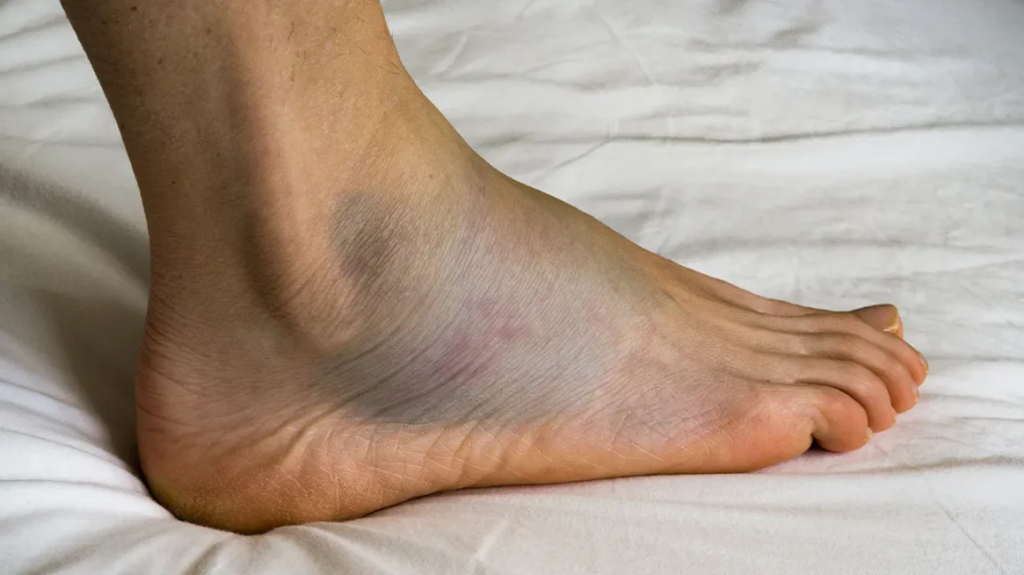
Feet naturally swell during hiking. Tight shoes leave no room for expansion, making hikes increasingly uncomfortable.
Problems with Shoes That Are Too Loose
Many hikers buy larger shoes thinking extra room equals extra comfort.
Unfortunately, excessive space can create several problems.
Heel Rubbing
A loose shoe allows the heel to move excessively, creating friction and blisters.
Reduced Stability
Your foot may slide inside the shoe on uneven trails.
Higher Injury Risk
Poor foot control can increase the chances of ankle twists and slips.
Faster Fatigue
Your muscles work harder to stabilize the foot inside an oversized shoe.
How to Test Hiking Shoes Before Buying
Never buy hiking shoes based only on size numbers.
Different brands and models fit differently.
Instead, focus on how the shoes actually feel.
Wear Hiking Socks
Always try hiking shoes with the same socks you plan to wear on the trail.
Hiking socks are often thicker than regular socks and can significantly affect fit.
Testing with regular socks may result in choosing the wrong size.
Walk Around for at Least 10 Minutes
Do not judge the fit after standing still for a few seconds.
Spend time walking around the store.
Pay attention to:
- Heel movement
- Toe comfort
- Arch support
- Pressure points
- Overall stability
A comfortable shoe should feel natural from the start.
Test on Inclines if Possible
Many outdoor stores provide ramps or incline platforms.
These help simulate trail conditions.
During Uphill Testing
Check whether:
- The heel stays secure.
- The shoe remains comfortable.
- The foot does not slide backward excessively.
During Downhill Testing
Check whether:
- Toes touch the front.
- Pressure develops around the toenails.
- Feet slide forward excessively.
This is one of the best ways to identify sizing problems before purchasing.
Common Signs Your Hiking Shoes Fit Correctly
A properly fitted hiking shoe usually feels comfortable immediately.
Here are some positive signs to look for.
Toes Can Wiggle Freely
Your toes should move naturally without feeling squeezed.
Heel Stays Secure
The heel should remain stable with minimal lifting.
No Pressure Points
You should not feel sharp pressure anywhere inside the shoe.
Comfortable Arch Support
The arch should feel supported without being forced into an unnatural position.
No Rubbing While Walking
Walking should feel smooth and comfortable.
Any rubbing during a short test walk may become a serious problem on a long hike.
Common Signs Your Hiking Shoes Do Not Fit Properly
Recognizing poor fit early can save you from discomfort on the trail.
Heel Slipping
Excessive heel movement often causes blisters.
Toe Jamming
If your toes hit the front of the shoe, especially during downhill movement, the shoe may be too short.
Side Pressure
Pressure along the sides often indicates the shoe is too narrow.
Hot Spots
Hot spots are areas of irritation that often develop into blisters.
Foot Numbness
Numbness is usually a sign that the shoe is too tight or restricting circulation.
Should You Size Up in Hiking Shoes?
Many hikers wonder whether they should buy hiking shoes one size larger than normal.
The answer depends on your feet and hiking style.
When Sizing Up Makes Sense
Sizing up may be beneficial if:
- You regularly hike long distances.
- Your feet swell significantly.
- You wear thick hiking socks.
- You frequently hike in hot weather.
In these situations, a slightly larger size can improve comfort.
When You Should Not Size Up
Buying a much larger shoe can create problems.
Oversized hiking shoes may cause:
- Excessive foot movement
- Reduced stability
- Heel blisters
- Poor control on technical trails
Instead of automatically sizing up, focus on achieving the correct overall fit.
Hiking Shoe Fit Tips for Different Foot Types
Not all feet are the same. A hiking shoe that fits one person perfectly may feel uncomfortable for another. Understanding your foot type can make it much easier to find the right hiking shoes.
Wide Feet
People with wide feet often struggle with shoes that feel tight around the forefoot.
If you have wide feet:
- Look for wide-fit versions when available.
- Choose models with a roomy toe box.
- Avoid shoes that squeeze the sides of your feet.
- Test shoes carefully while wearing hiking socks.
Signs a shoe is too narrow include pressure on the sides of the foot, numb toes, and discomfort after walking.
Narrow Feet
People with narrow feet often experience heel slippage and excessive foot movement.
If you have narrow feet:
- Look for shoes with a snug heel cup.
- Use proper lacing techniques to lock the heel in place.
- Avoid shoes with excessive internal volume.
A secure fit is especially important on uneven trails where stability matters.
High Arches
High arches can place extra pressure on certain areas of the foot.
Tips for hikers with high arches:
- Choose shoes with good arch support.
- Consider supportive insoles if necessary.
- Ensure the midfoot feels comfortable and stable.
Proper support can reduce foot fatigue during long hikes.
Flat Feet
Flat feet often require additional support and stability.
If you have flat feet:
- Look for hiking shoes with strong arch support.
- Choose stable hiking shoes rather than extremely flexible models.
- Consider custom orthotics if recommended by a specialist.
A supportive shoe can improve comfort and help prevent foot pain.
Best Time of Day to Try Hiking Shoes
Many people do not realize that the time of day can affect shoe fitting.
Your feet naturally swell throughout the day due to walking, standing, and normal activity.
Because of this, the best time to try hiking shoes is:
- Late afternoon
- Early evening
Trying shoes during these times provides a more realistic idea of how they will fit during actual hikes.
If you buy shoes early in the morning when your feet are smaller, they may feel tighter later in the day.
Additional Fitting Tips
Before trying hiking shoes:
- Wear your hiking socks.
- Spend some time walking beforehand.
- Test both shoes, not just one.
- Walk around for several minutes.
These simple steps help ensure a more accurate fit.
Hiking Shoes vs Trail Running Shoes Fit Differences
Both hiking shoes and trail running shoes are popular for outdoor adventures, but their fit characteristics can differ.
Hiking Shoes
Hiking shoes typically provide:
- More support
- Better protection
- Greater durability
- Improved stability on rough terrain
They often feel slightly more structured around the foot.
Trail Running Shoes
Trail running shoes generally offer:
- Lighter weight
- Greater flexibility
- More cushioning
- Faster movement
Many trail running shoes feature wider toe boxes to allow natural toe movement during running.
Which Fit Is Better?
Neither is automatically better.
Your choice depends on:
- Trail conditions
- Hiking distance
- Personal comfort preferences
- Backpack weight
The most important factor remains proper fit, regardless of shoe type.
Read Also: Ultimate Guide: How to Make Your Hiking Backpack Lighter
Frequently Asked Questions
How much room should be in front of my toes in hiking shoes?
Most hikers should have about a thumb’s width of space between their longest toe and the front of the shoe. This helps protect the toes during downhill hiking and allows room for foot swelling.
Should hiking shoes fit tighter than regular shoes?
No. Hiking shoes should feel secure but not tighter than necessary. They should provide enough room for toe movement while keeping the heel and midfoot stable.
Is it normal for hiking shoes to feel stiff at first?
Yes. Many hiking shoes feel slightly stiffer than everyday footwear because they are designed to provide support and protection on uneven terrain. However, they should never feel painful.
Should I buy hiking shoes one size bigger?
Not always. Some hikers benefit from a slightly larger size, especially for long-distance hiking, but the overall fit is more important than the size number.
How can I tell if my hiking shoes are too small?
Common signs include:
- Toes touching the front
- Foot numbness
- Pressure points
- Pain during downhill walking
- Lack of toe movement
If you experience these issues, you may need a larger size or a different shoe model.
Can loose hiking shoes cause blisters?
Yes. Excessive movement inside the shoe increases friction, which often leads to blisters, especially around the heel.
Do hiking shoes stretch over time?
Some hiking shoes stretch slightly during use, especially models made with leather. However, they should feel comfortable from the beginning and should not rely on stretching to solve major fit issues.
Should I wear thick socks with hiking shoes?
Most hikers wear hiking-specific socks because they provide cushioning, moisture control, and blister protection. Always test hiking shoes with the socks you plan to wear on the trail.
Common Mistakes People Make When Buying Hiking Shoes
Many hikers end up with uncomfortable footwear because they make avoidable mistakes.
Here are some of the most common ones:
Buying Based on Appearance
A shoe may look great but still fit poorly. Comfort should always come before style.
Ignoring Toe Space
Insufficient toe room is one of the leading causes of hiking discomfort and toenail injuries.
Choosing the Wrong Width
Many people focus only on shoe length and forget that width is equally important.
Not Testing Shoes Properly
A quick try-on is rarely enough. Walking around and testing the shoes thoroughly helps identify fit problems.
Buying Without Hiking Socks
Socks can significantly affect fit, so always test shoes with the socks you will actually use.
Final Thoughts
Understanding how hiking shoes should fit can make the difference between an enjoyable adventure and a painful experience on the trail.
The ideal hiking shoe should feel secure, comfortable, and supportive without being tight. Your toes should have room to move, your heel should stay in place, and your midfoot should feel stable without pressure points.
Before buying, always test shoes while wearing hiking socks, walk around for several minutes, and pay close attention to comfort rather than the size printed on the box.
Remember that every foot is unique. The best hiking shoe is not necessarily the most expensive or the most popular—it is the one that fits your feet properly.
By following the tips in this guide, you can choose hiking shoes that provide lasting comfort, reduce the risk of blisters, and help you enjoy every step of your outdoor adventures.