
A Safety and Confidence Guide for First-Timers
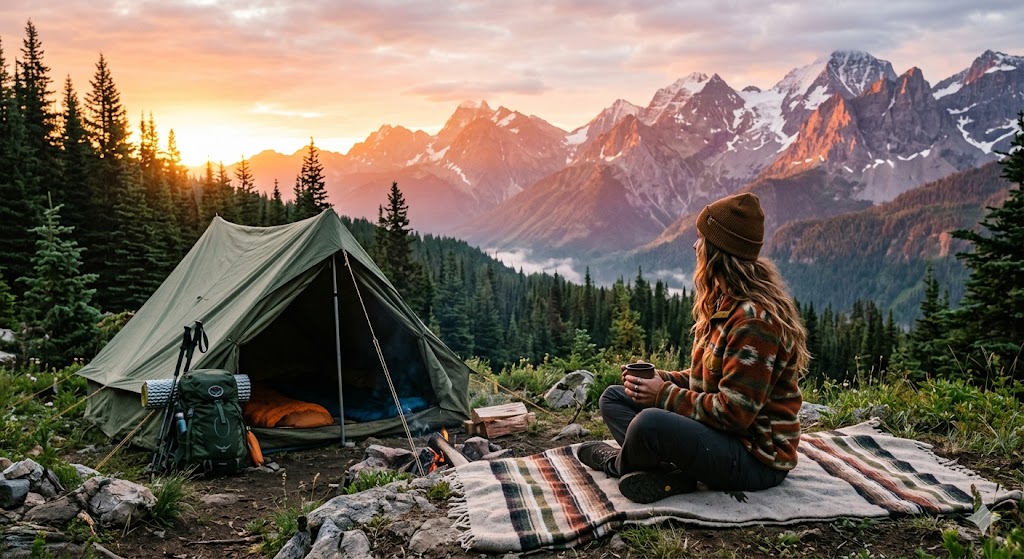
A safety and confidence guide for first-timers — because the wilderness has always belonged to those brave enough to enter it alone.
Quick Facts
| Topic | Details |
|---|---|
| Solo female hikers in the US | 63M+ |
| National parks to explore | 425 |
| What it takes to start | Just 1 trip |
Why Go Alone?
The Case for Solo Camping
Total Freedom
Set your own pace, choose your own trail, wake up at dawn or sleep in — no compromise required.
Deep Self-Trust
Navigating challenges solo builds a kind of quiet confidence that follows you back into everyday life.
Real Stillness
Alone in the woods, you notice what you’d otherwise miss — birdsong, stars, your own thoughts.
Unexpected Community
Solo travelers often meet more people, not fewer. Trails are full of kind strangers ready to connect.
Planning Your First Solo Trip
1. Choose a Beginner-Friendly Park
Start with well-trafficked parks like Shenandoah, Great Smoky Mountains, or Olympic. These parks usually have clear trail signs, ranger stations, and more visitors nearby.
2. Reserve a Designated Campsite
For your first trip, stay in established campgrounds. Most national park reservations can be made through Recreation.gov. Popular parks often require booking 3–6 months in advance.
3. Share Your Full Itinerary
Tell a trusted friend or family member:
- Your campsite location
- Planned hiking routes
- Car parking location
- Expected return time
Check in whenever you have mobile service.
4. Research the Area Properly
Read recent trail reviews and park updates. Learn:
- Wildlife rules
- Weather conditions
- Water availability
- Trail difficulty
5. Practice Your Gear at Home
Before your trip:
- Set up your tent
- Test your stove
- Use your headlamp
- Organize your backpack
It is much easier to learn these things at home than in the dark forest.
Safety Strategies That Actually Work
Carry a Satellite Communicator
Devices like Garmin inReach or SPOT can send SOS messages even without mobile network coverage.
Trust Your Instincts
If a place or person makes you uncomfortable, leave immediately. Your safety matters more than being polite.
Camp Near Other People
For early trips, choose campsites closer to:
- Ranger stations
- Main campground loops
- Other campers
Do Not Advertise That You Are Alone
If strangers ask, you can simply say:
“My friends are nearby” or “I’m meeting my group later.”
Learn Wildlife Safety Rules
Different parks have different risks:
- Bear spray in grizzly country
- Food canisters in bear areas
- Snake awareness in desert parks
Never keep food inside your tent.
Important Reality About Safet
Most national park emergencies are caused by:
- Weather
- Falls
- Dehydration
- Getting lost
- Lack of preparation
Good planning is your best protection.
Essential Packing Checklist
Safety Essentials
- Satellite communicator
- Bear spray (if required)
- First aid kit
- Emergency whistle
- Headlamp with extra batteries
- Emergency blanket
Navigation Tools
- Offline trail maps
- Paper map
- Compass
- GPS or hiking apps
- Ranger station contact numbers
Sleep & Shelter
- Strong tent
- Warm sleeping bag
- Sleeping pad
- Groundsheet
- Ear plugs
Food & Water
- Water filter
- 2L water capacity minimum
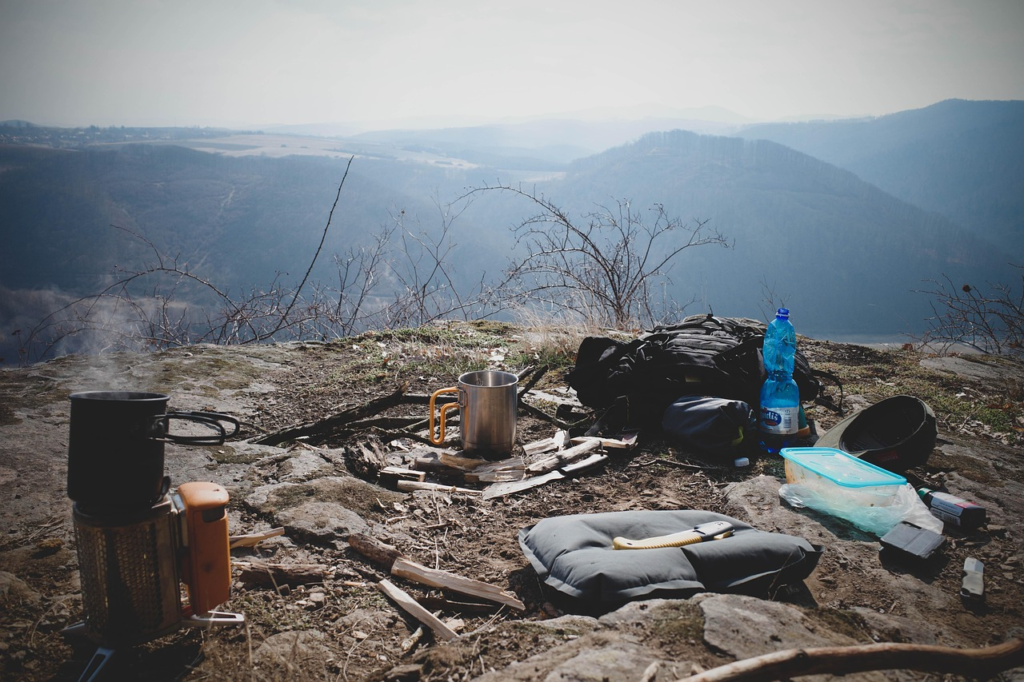
- Camp stove
- Fuel
- Energy snacks
- Bear-safe food storage
Best National Parks for First-Time Solo Campers
| National Park | Why It’s Good |
|---|---|
| Shenandoah | Well-marked trails |
| Great Smoky Mountains | Busy and beginner-friendly |
| Olympic | Beautiful diverse landscapes |
| Joshua Tree | Accessible desert camping |
| Acadia | Friendly atmosphere and smaller size |
Building Confidence as a Solo Camper
Start Small
Your first trip can simply be:
- One campground
- One night
- One short hike
You do not need a huge adventure immediately.
Expect Some Discomfort
You may:
- Sleep poorly
- Forget small things
- Feel nervous
That is completely normal for beginners.
Talk to Park Rangers
Rangers are extremely helpful. Ask them:
- Which trails are safest
- Current weather updates
- Wildlife activity
- Beginner recommendations
Join Outdoor Communities
Online groups can help you learn from experienced campers:
- Reddit camping communities
- Women hiking groups
- Solo travel communities
Final Thoughts
The mountains, forests, and national parks belong to everyone — including solo female travelers. Confidence does not appear overnight. It grows slowly through preparation, experience, and small successful trips.
Start with one night, one trail, and one simple adventure.
Read Also: Can You Visit Yellowstone in Winter Without Snow Tires?
Rubie Rose is the founder of Park Trails Guide. As a USA resident and nature lover, she is dedicated to creating helpful national park guides using official sources and real visitor experiences. Her mission is to make planning trips to places like Yosemite, Grand Canyon, and Zion easier for families, beginners, and travelers.