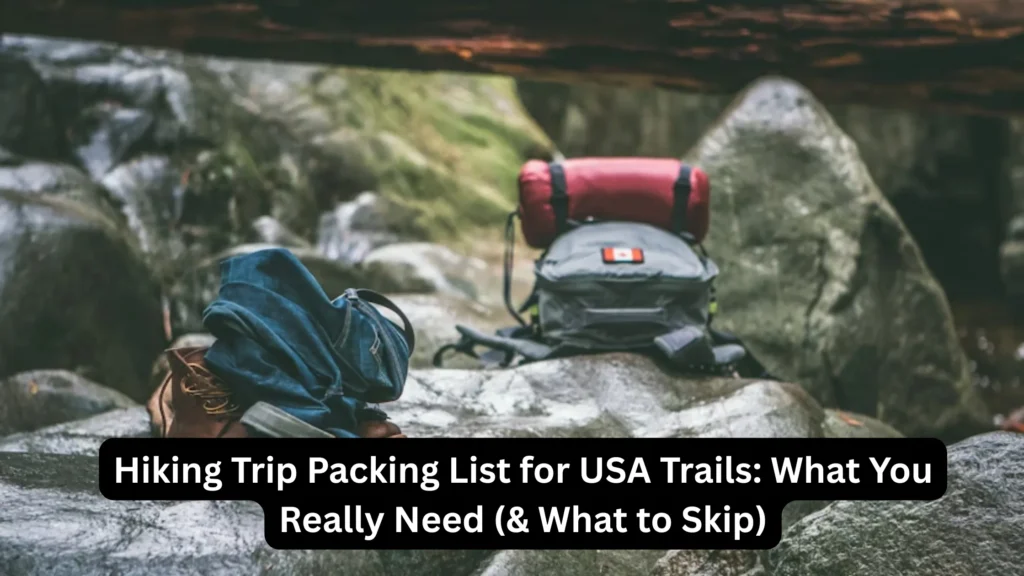
Hiking Trip Packing List for USA Trails: What You Really Need (& What to Skip)
What you bring in your backpack may make or ruin your trip, whether you’re going on a difficult trek in Grand Canyon National Park, a day hike in Yosemite National Park, or a short walk through the woodlands of Great Smoky Mountains National Park.
Many beginner hikers either overpack or overlook important needs. They wind up carrying extra weight and losing things that would be useful in an emergency.
The reality is straightforward. Carrying extra equipment is not the goal of a good hiking packing list. It’s about having the appropriate equipment.
After reading countless trail reports and studying what experienced hikers actually use on American trails, one pattern becomes clear: successful hikers focus on essentials, comfort, safety, and weather preparedness—not gadgets and unnecessary extras.
This guide will help you pack smarter by showing exactly what you need and what you can safely leave at home.
Why Packing is very important?
A backpack that feels comfortable in your living room can feel like a sack of bricks after five miles.
Every extra item adds weight. Extra weight leads to fatigue. Fatigue leads to mistakes. Mistakes on a hiking trail can turn a fun adventure into a difficult day.
At the same time, underpacking can create serious problems if weather changes suddenly, you get lost, or the hike takes longer than expected.
The goal is balance.
You want to be prepared without carrying your entire house on your back.
The Essential Hiking Packing List
These are the items that belong in almost every hiking backpack, whether you are hiking for two hours or spending a full day on the trail.
1. Water
If there is one thing you should never underestimate, it is hydration.
Many beginners focus on food and clothing but forget that dehydration can happen surprisingly fast, especially in hot and dry environments.
A general guideline is:
- 0.5 to 1 liter per hour of hiking
- More during summer
- More on steep trails
- More at higher elevations
For most day hikes, carrying 2–3 liters is a safe starting point.
A reusable water bottle or hydration bladder works well.
2. Snacks and Energy Food
Hiking burns more calories than many people realize.
Pack lightweight foods that provide energy without taking up much space.
Good options include:
- Trail mix
- Protein bars
- Nuts
- Peanut butter sandwiches
- Dried fruits
- Energy chews
Even if your hike is short, bring extra food.
Unexpected delays happen.
3. Navigation Tools
Many hikers assume their phone will guide them everywhere.
That works until:
- Battery dies
- Signal disappears
- GPS becomes unreliable
Always have at least one backup navigation option.
Carry:
- Offline trail map
- Downloaded GPS map
- Paper trail map
- Compass if hiking remote areas
Cell service disappears quickly in many national parks.
4. First Aid Kit
You do not need a huge medical bag.
A small hiking first aid kit is enough.
Include:
- Bandages
- Blister treatment
- Antiseptic wipes
- Pain relievers
- Medical tape
- Personal medications
Blisters are among the most common hiking injuries.
Preparing for them can save an entire trip.
5. Sun Protection
Many hikers think they only need sunscreen at the beach.
Sun exposure on trails can actually be stronger because you spend hours outdoors without shade.
Pack:
- Sunscreen
- Sunglasses
- Lip balm with SPF
- Hat or cap
This becomes especially important in desert parks and mountain regions.
6. Lightweight Rain Protection
Weather forecasts are useful but not perfect.
A sunny morning can turn into an afternoon thunderstorm.
A lightweight rain jacket should be a permanent item in your hiking bag.
Even if rain never arrives, it can provide extra warmth when temperatures drop unexpectedly.
7. Extra Layer
Temperature changes surprise many visitors in American national parks.
A warm afternoon can become chilly after sunset or at higher elevations.
Carry:
- Lightweight fleece
- Long-sleeve layer
- Packable insulated jacket
Even summer hikes can feel cold in the mountains.
8. Headlamp or Flashlight
Many hikers skip this item because they expect to finish before dark.
Unfortunately, trail delays happen.
You may hike slower than expected.
You may stop for photos.
You may encounter trail closures or difficult terrain.
A small headlamp weighs very little but can become incredibly valuable if daylight disappears.
9. Emergency Whistle
This tiny item is often overlooked.
If you become injured or lost, a whistle can help rescuers locate you much more effectively than shouting.
It weighs almost nothing and takes up almost no space.
10. Fully Charged Phone
Even if you have maps and navigation backups, your phone remains useful for:
- Emergency calls
- GPS tracking
- Photos
- Weather updates
Before every hike:
- Charge your phone fully
- Download maps offline
- Enable battery-saving mode
Also See: What to Pack for Hiking in the US: The Essential Gear Checklist for 2026
Clothing That Actually Works on USA Trails
Many hiking problems start with poor clothing choices.
The goal is comfort and weather protection.
Wear Moisture-Wicking Clothes
Avoid cotton whenever possible.
Cotton absorbs sweat and dries slowly.
Instead choose:
- Polyester
- Nylon
- Merino wool
These fabrics dry faster and stay comfortable longer.
Choose Proper Hiking Footwear
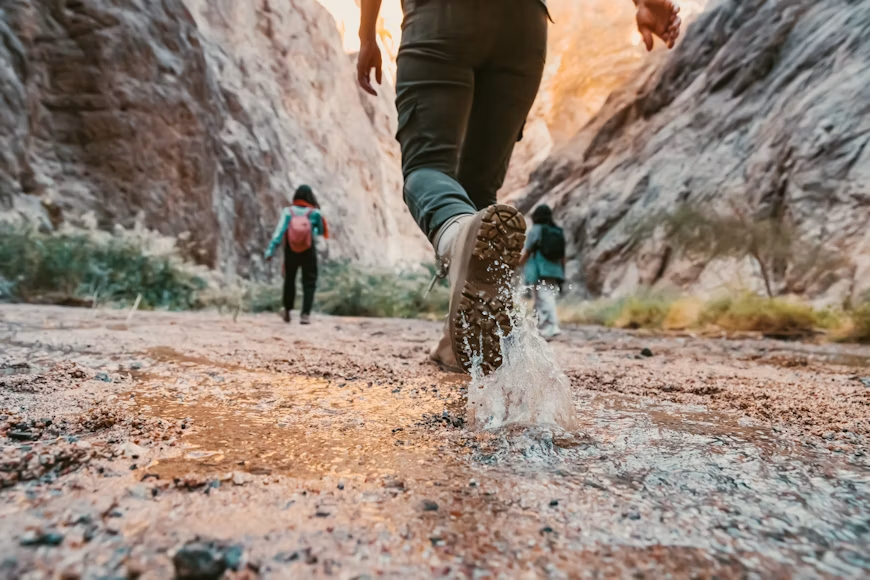
Footwear depends on the trail.
For easy trails:
- Trail runners
- Hiking shoes
For rugged terrain:
- Hiking boots
Never wear brand-new boots on a major hike.
Break them in beforehand.
Wear Quality Hiking Socks
Experienced hikers often say socks matter more than boots.
Good hiking socks help prevent:
- Blisters
- Hot spots
- Foot fatigue
Merino wool socks remain a favorite among long-distance hikers.
What Most Beginners Pack But Rarely Use
This is where many backpacks become unnecessarily heavy.
Large Knives
Most hikers never use them.
A small multitool is usually enough.
Multiple Changes of Clothes
For a day hike, one spare layer is typically sufficient.
Three or four extra shirts only add weight.
Heavy Cameras
Unless photography is the primary goal, modern smartphones capture excellent trail photos.
Large Towels
Bulky towels rarely serve a purpose on most day hikes.
A small microfiber towel is much more practical.
Excessive Food
Bringing some extra food is smart.
Bringing enough food for three days on a four-hour hike is not.
Huge First Aid Kits
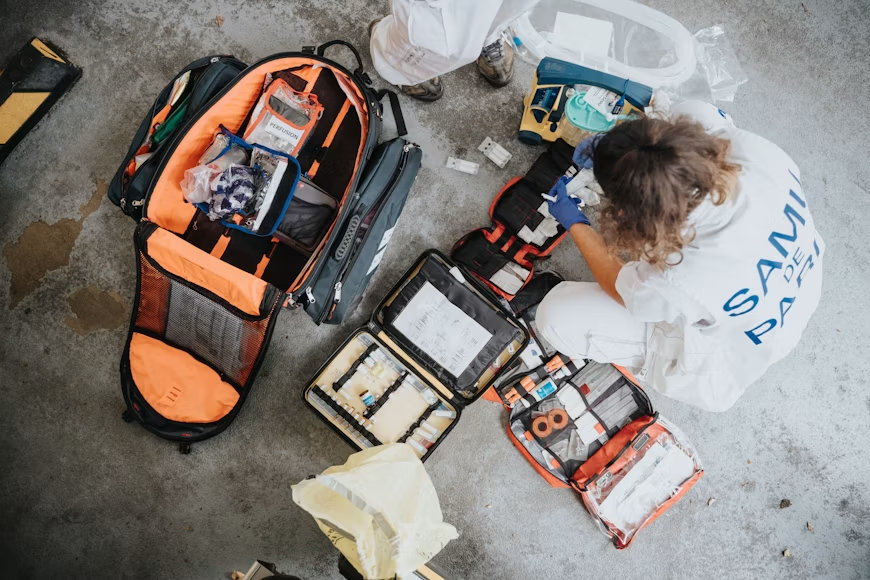
Many store-bought kits contain items most hikers never use.
Build a simple kit based on your actual needs.
Packing for Different Types of USA Trails
Not all hiking destinations are the same.
Your packing strategy should change based on location.
Desert Trails
Examples include areas around:
- Arches National Park
- Zion National Park
- Death Valley National Park
Bring:
- Extra water
- Sunscreen
- Electrolytes
- Sun hat
Water becomes the highest priority.
Mountain Trails
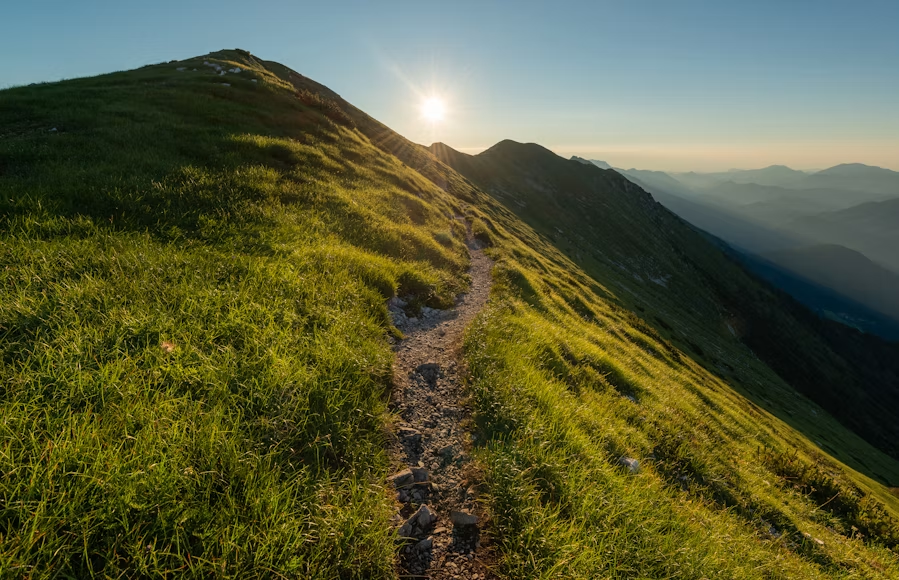
Examples include:
- Rocky Mountain National Park
- Mount Rainier National Park
Bring:
- Extra layers
- Rain protection
- Gloves during cooler months
Mountain weather changes quickly.
Forest Trails
Examples include:
- Olympic National Park
- Shenandoah National Park
Bring:
- Insect repellent
- Rain gear
- Waterproof storage bags
Moisture becomes more important than heat.
Backpack Organization Tips
A well-organized backpack feels lighter and more comfortable.
Easy Access Pocket
Store:
- Snacks
- Phone
- Map
- Sunscreen
Main Compartment
Store:
- Extra clothing
- Food
- First aid kit
Bottom Section
Store:
- Emergency gear
- Items rarely needed during the hike
This setup prevents constant unpacking.
Common Hiking Packing Mistakes
Many trail problems happen because of simple mistakes.
Avoid these:
Carrying Too Much Water Weight Without Planning
Know where refill points exist.
Forgetting Weather Changes
Mountain weather can change in minutes.
Ignoring Foot Care
Most hiking discomfort starts with the feet.
Depending Only on Phone Navigation
Always have a backup.
Testing New Gear on a Long Hike
Use new equipment on short hikes first.
A Simple One-Day Hiking Checklist
Before leaving your vehicle, make sure you have:
✓ Water
✓ Snacks
✓ Trail map
✓ Fully charged phone
✓ First aid kit
✓ Rain jacket
✓ Extra layer
✓ Sun protection
✓ Headlamp
✓ Emergency whistle
✓ Proper footwear
✓ Identification
If every box is checked, you are ready for most day hikes across the United States.
Final Thoughts
The best hiking packing list is usually shorter than most people expect.
You do not need expensive gear, oversized backpacks, or dozens of gadgets to enjoy America’s trails. What you need is a thoughtful collection of essentials that keep you hydrated, protected, comfortable, and prepared for unexpected situations.
When packing for a hike, ask yourself a simple question for every item:
“Will I realistically use this, or am I carrying it just because I might?”
The answer often reveals what truly belongs in your backpack.
Pack light, pack smart, and focus on enjoying the trail rather than hauling unnecessary weight. That approach has helped countless hikers explore everything from the forests of the East Coast to the deserts of the Southwest—and it will make your next hiking adventure far more enjoyable too.
FAQs
What is the most important item for a hiking trip?
Water is generally the most important item. Dehydration can quickly become dangerous, especially on hot trails or strenuous hikes.
How much water should I carry for a day hike?
Most hikers need between 2 and 3 liters for a typical day hike, though hot weather and difficult terrain may require more.
Should I carry a first aid kit on every hike?
Yes. Even on short hikes, a small first aid kit can help treat blisters, cuts, and minor injuries.
Are hiking boots necessary for all trails?
No. Easy and well-maintained trails can often be completed comfortably with trail running shoes or hiking shoes. Rugged terrain may require hiking boots.
What should beginners avoid packing?
Beginners often overpack clothing, food, large knives, heavy camera equipment, and oversized first aid kits. These items add unnecessary weight.
Is a rain jacket necessary if the forecast shows sunshine?
Yes. Weather conditions can change unexpectedly, especially in mountains and national parks. A lightweight rain jacket is one of the most useful emergency items you can carry.