Great Smoky Mountains National Park: Complete Guide for First-Time Visitors
There’s a moment on Clingmans Dome — just as the morning fog rolls through the valley like a slow tide — when you finally understand why people come back to the Great Smoky Mountains year after year. It’s not just the scenery. It’s the feeling that you’ve stepped into something ancient, something that existed long before highways and hotels.
With over 12 million visitors annually, Great Smoky Mountains National Park is the most-visited national park in the United States — more than Yellowstone and the Grand Canyon combined. And yet, with the right plan, you can find trails with barely a soul in sight, catch a black bear ambling through a meadow at dusk, and sleep under a canopy of stars that city dwellers have long forgotten.
This guide is written for first-timers who want to do more than just drive through. Whether you have a long weekend or a full week, you’ll find everything you need to plan a trip that’s genuinely worth the journey.
Why the Smokies Should Be on Your Bucket List
The Great Smoky Mountains straddle the border between North Carolina and Tennessee, spanning roughly 520,000 acres of protected Appalachian wilderness. The park was established in 1934 and was designated a UNESCO World Heritage Site in 1983 — one of only a handful of U.S. national parks to hold that distinction.
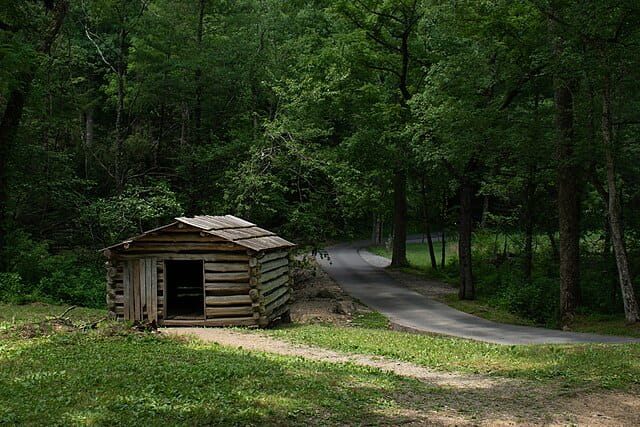
What sets the Smokies apart is remarkable biodiversity. The park is home to more than 19,000 documented species of plants, animals, and fungi — a number that biologists believe represents only a fraction of what’s actually out there. Researchers are still discovering new species here every year. There are more tree species in this single park than in all of Northern Europe combined. Let that sink in for a moment.
📌 Park at a Glance
- Location: Tennessee & North Carolina border
- Size: 522,427 acres
- Established: 1934 (UNESCO Site since 1983)
- Annual Visitors: ~12.5 million
- Highest Peak: Clingmans Dome — 6,643 ft
- Miles of Trails: 800+
- Admission: Free (no entry fee)
The park’s name comes from the Cherokee word “shaconage,” meaning “land of blue smoke” — a reference to the natural mist that perpetually clings to the ridgelines, created by the volatile organic compounds released by the dense forest vegetation. It’s not pollution. It’s the trees, breathing.
Best Time to Visit the Great Smoky Mountains
Choosing when to visit matters more here than at almost any other national park. The Smokies transform dramatically with each season, and your experience will depend heavily on when you arrive.
🌸 Spring (March–May)
Wildflowers blanket the forest floor. Waterfalls run at full force. Fewer crowds than fall. Cool mornings, mild afternoons. Best for: wildflower hikes, waterfall chasing.
☀️ Summer (June–August)
Peak season. Hot and humid in the valleys, but surprisingly cool at higher elevations. Expect heavy traffic on weekends. Best for: family trips, firefly viewing in June.
🍂 Fall (Sept–Nov)
The most visually spectacular season. Foliage peaks mid-October. Also the most crowded. Book accommodations months in advance. Best for: leaf peeping, photography.
❄️ Winter (Dec–Feb)
The secret gem. Near-empty trails, snow-dusted ridgelines, and a quiet the park rarely sees. Some roads close. Best for: solitude seekers, winter photography.
The Firefly Phenomenon: June’s Hidden Marvel
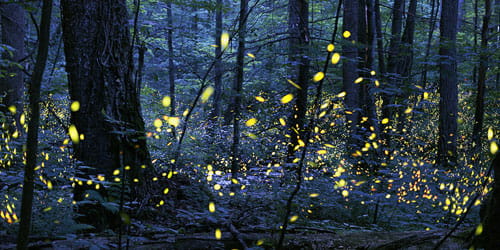
If you can manage to visit in early June, consider entering the lottery for the synchronous firefly viewing event near Elkmont Campground. The park is home to Photinus carolinus, one of the only species of fireflies in the world that synchronize their flashing patterns. For about two weeks each year, thousands of fireflies blink in perfect unison across the dark forest, creating one of nature’s most astonishing light shows. The National Park Service runs a shuttle system during peak nights to manage the crowds — entry is by lottery only, so plan well ahead.
“The synchronous fireflies of the Smokies are one of the most remarkable natural displays in North America — and one of the least-known outside the region.”— National Park Service, Great Smoky Mountains
Entry, Fees, and Getting There
Is There an Admission Fee?
Here’s a fact that surprises almost every first-timer: Great Smoky Mountains National Park charges no entry fee. When the park was established in the 1930s, it was funded in part by private donations and state contributions under the condition that it would always remain free to the public. That promise has held for nearly a century.
However, if you plan to park overnight or use certain facilities, you will need to pay for parking permits or campsite reservations through the Recreation.gov website. A vehicle parking tag ($5/day, $15/week, or $40/year) is required at most popular trailheads.
How to Get There
The park has two main gateway towns: Gatlinburg, Tennessee on the north side, and Cherokee, North Carolina on the south side. Both are accessible from major interstates, and each offers a very different vibe — Gatlinburg is rowdy and commercial; Cherokee is quieter and rich with Cherokee Nation culture and heritage.
The nearest major airports are McGhee Tyson Airport in Knoxville, Tennessee (about 45 miles from Gatlinburg) and Asheville Regional Airport in North Carolina (about 60 miles from the Cherokee entrance). There is no public transportation into the park itself, so a rental car or personal vehicle is essentially required.
⚠️ Heads Up
Cell service inside the park is unreliable to nonexistent. Download offline maps (Google Maps or Gaia GPS) before you arrive, and pick up a physical trail map at any visitor center. Don’t rely on GPS routing once you’re inside the park boundaries.
Top Hikes for First-Time Visitors
With over 800 miles of maintained trails, the Smokies can feel overwhelming. The key for first-timers is to resist the urge to do everything and instead pick two or three hikes that genuinely match your fitness level and interests. Here’s a curated selection that covers a range of difficulty levels.
| Trail Name | Distance | Difficulty | Highlight |
|---|---|---|---|
| Laurel Falls Trail | 2.6 mi RT | Easy | Most-visited waterfall in the park |
| Alum Cave Trail | 4.4 mi RT | Moderate | Stunning rock formations, summit views |
| Charlies Bunion | 8.1 mi RT | Strenuous | Dramatic Appalachian Trail ridge views |
| Ramsey Cascades | 8 mi RT | Strenuous | Tallest waterfall in the park (100 ft) |
| Clingmans Dome Trail | 1 mi RT | Easy–Moderate | Highest point in the park, panoramic views |
| Hen Wallow Falls | 4.4 mi RT | Moderate | Secluded, rarely crowded |
The Alum Cave Trail: The Best All-Around First Hike
If you’re only going to do one hike, make it the Alum Cave Trail. In 4.4 miles roundtrip, it manages to pack in a bubbling creek crossing, a series of log bridges, massive arching rock overhangs, and sweeping views from Inspiration Point — all without requiring the kind of cardio fitness that Charlies Bunion demands. Arrive before 8 a.m. to grab a parking spot and have the trail largely to yourself for the first hour.
Trail Safety Basics
Always carry more water than you think you need — a minimum of two liters per person for any hike over three miles. Afternoon thunderstorms are common between June and August, so aim to be off exposed ridgelines by early afternoon. Bears are active throughout the park; carry bear spray, never approach wildlife, and store food in the provided bear canisters at all backcountry campsites.
Wildlife You’ll Actually See
The Smokies are one of the best places in the eastern United States for wildlife watching — and unlike many national parks, you don’t have to be particularly lucky to see something remarkable.
Black Bears
The park is home to an estimated 1,500 black bears, giving it one of the highest bear densities in the eastern U.S. — about two bears per square mile. Your best chance of spotting one is early morning or late evening in Cades Cove, a historic valley on the Tennessee side of the park, where bears frequently graze in the open meadows. Keep a distance of at least 50 yards at all times. Never feed bears — it’s not just dangerous, it’s illegal and can result in the bear being euthanized.
Elk
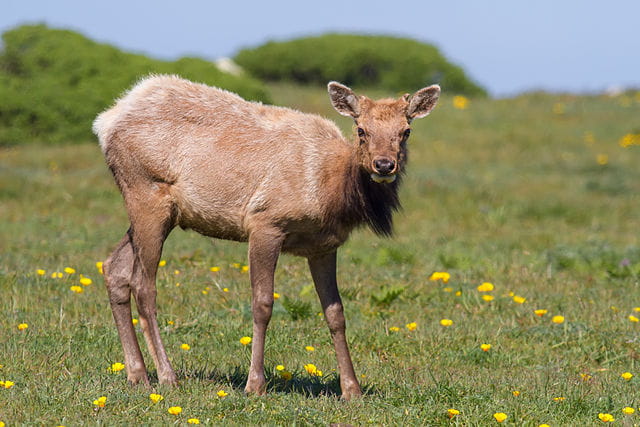
Elk were reintroduced to the park in 2001 after being absent from the Appalachians for more than 150 years. Today, a herd of roughly 200 animals roams the Cataloochee Valley on the North Carolina side. Cataloochee is the single best wildlife-viewing spot in the park — at dusk in fall, you may see dozens of elk in the meadow, hear bulls bugling across the valley, and watch antler displays that feel genuinely prehistoric. It requires a winding drive on a narrow mountain road, but the payoff is extraordinary.
Other Species Worth Watching For
Beyond bears and elk, the park hosts white-tailed deer, wild turkeys, river otters, red foxes, and over 240 species of birds. The park’s streams support 67 native fish species, including the brook trout — a species found nowhere else in the world at such density. During spring migrations, birders from across the country descend on the Smokies to chase warblers along the Appalachian Trail corridor.
Where to Stay: Camping vs. Cabins vs. Hotels
Camping Inside the Park
The park operates ten frontcountry campgrounds. The most popular — Cades Cove, Elkmont, and Smokemont — require reservations that open six months in advance on Recreation.gov and fill within minutes. If you miss the reservation window, look for Cosby Campground, which tends to be quieter and has rolling availability. Sites range from about $17.50 to $30 per night depending on the facility and season.
Backcountry camping requires a permit ($8/person/night) and pre-assigned shelter or campsite. It’s one of the best ways to experience the park without crowds — but it demands solid navigation skills and bear-safe food storage practices.
Cabins and Rentals Outside the Park
The towns of Gatlinburg, Pigeon Forge, and Bryson City are lined with private cabin rentals, many offering mountain views, hot tubs, and full kitchens. Platforms like Airbnb and VRBO have extensive listings, but booking early — especially for fall weekends — is essential. Expect to pay $150–$400 per night for a well-located cabin in peak season.
Hotels in the Gateway Towns
If cabins aren’t your style, both Gatlinburg and Cherokee have a full range of hotels. The LeConte Lodge inside the park itself — accessible only by a strenuous 5-mile hike — is arguably the most unique accommodation experience in any national park in the country. It’s rustic, communal, and includes dinner and breakfast. Reservations open in October each year and typically sell out within hours. It’s genuinely worth setting an alarm for.
Insider Tips to Make Your Trip Count
✅ First-Timer Checklist
7 Things to Do Before You Arrive
- Download offline maps (Gaia GPS or AllTrails Pro) — cell service is unreliable inside the park.
- Make campsite or LeConte Lodge reservations as far in advance as possible.
- Purchase your Recreational Access parking tag at nps.gov before your trip.
- Plan to hit popular trailheads before 9 a.m. — parking fills by mid-morning on weekends.
- Pack bear spray and know how to use it before you hit any backcountry trail.
- Check the park’s road closures — Clingmans Dome Road closes in winter and during inclement weather.
- If visiting in fall, book lodging 3–6 months early and expect heavy traffic on Newfound Gap Road.
Beat the Crowds Without Waking Up at 4 a.m.
Here’s what most travel blogs won’t tell you: the crowds are almost entirely concentrated in a handful of well-known spots. Cades Cove, Laurel Falls, and Clingmans Dome will be packed on any summer or fall weekend. But hike to Hen Wallow Falls on a Tuesday morning, or drive to the Cataloochee Valley before dawn, and you’ll have the kind of experience that makes people move to the mountains.
Weekdays are dramatically less crowded than weekends, even in peak season. If you have any flexibility in your schedule, shifting your trip to Monday through Thursday makes a measurable difference.
Explore the North Carolina Side
Most first-time visitors approach from the Tennessee side through Gatlinburg, and many never cross into North Carolina. This is a missed opportunity. The Deep Creek area near Bryson City offers tubing, three beautiful waterfalls on a single easy trail, and an entirely different atmosphere from the crowded Tennessee entrance. The Blue Ridge Parkway connects the southern park boundary to Asheville, one of the most vibrant small cities in the South — a day trip well worth adding to your itinerary.
FAQs: Great Smoky Mountains for First-Timers
Do you need a permit to hike in the Smokies?
Day hiking doesn’t require a permit. Overnight backcountry camping requires a reservation and permit ($8/person/night) through the park’s backcountry reservation system at smokiespermits.nps.gov.
Is it safe to swim in the park’s streams?
Swimming is allowed in many streams, but be aware that water levels and currents change rapidly after rain. Several swimming areas near Abrams Falls and in the Deep Creek area are popular, but always check conditions and never swim near waterfalls.
Can I bring my dog to the Smokies?
Pets are permitted in the park but are restricted from most trails. They are allowed on the Gatlinburg Trail, Oconaluftee River Trail, and in campgrounds and picnic areas. They must be on a leash no longer than six feet at all times.
How much time do you need to see the park properly?
A minimum of three full days is recommended for first-time visitors. This allows you to explore both the Tennessee and North Carolina sides, complete two or three meaningful hikes, and spend an evening in Cades Cove or Cataloochee for wildlife viewing. A full week lets you go deeper — backcountry camping, longer summit hikes, and the kind of unhurried exploration the park actually rewards.
Great Smoky MountainsNational Park TravelAppalachian HikingTennessee TourismNorth Carolina MountainsWildlife WatchingFamily CampingBlue Ridge ParkwayFirst-Time VisitorSmoky Mountains Trails
Ready to Plan Your Trip?
The Smokies reward those who come prepared and stay curious. Start with one great hike, one quiet morning, and one honest look at those blue ridgelines — you’ll understand why people never stop coming back.

Rubie Rose is a travel writer who focuses on USA national parks, hiking trails, and practical travel planning. She shares easy-to-follow guides to help visitors explore parks safely and confidently. Her work on parktrailsguide.com is built on deep research, firsthand accounts from park visitors, and a commitment to giving readers information they can actually use on the trail.