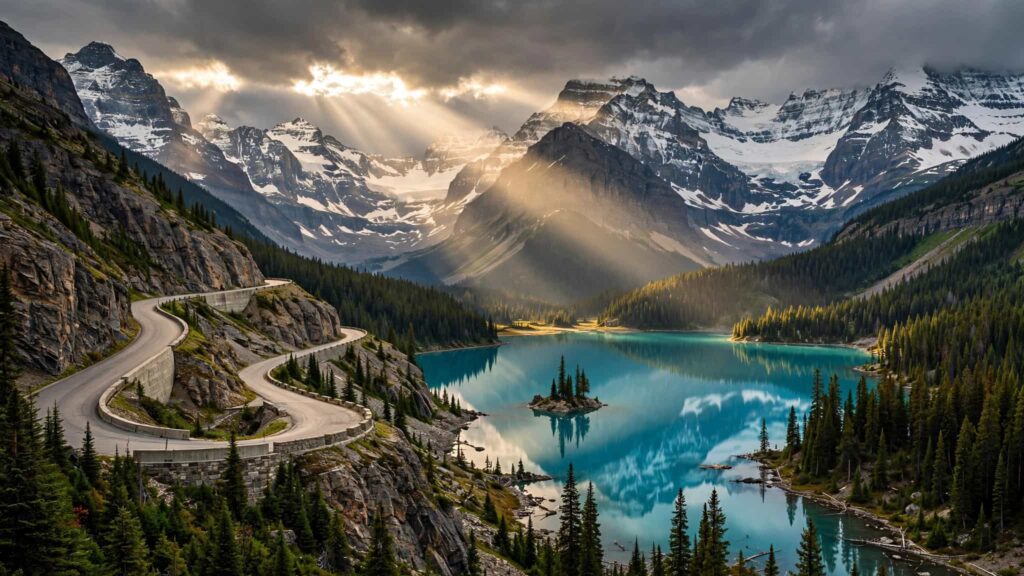
Montana Glacier National Park: Complete Visitor Guide for 2026
Glacier National Park in Montana is one of the most spectacular mountain destinations in the United States, known for rugged peaks, alpine lakes, wildlife, waterfalls, and scenic drives. Whether you’re planning a road trip, hiking vacation, photography trip, or first visit to Montana, Glacier offers plenty to explore.
For 2026, there are some important changes to know before visiting, especially concerning Logan Pass parking and shuttle service. Vehicle reservations are not required anywhere in the park in 2026, but visitors heading to Logan Pass should understand the new timed-parking and shuttle system.
This complete guide covers where Glacier National Park is, how to get there, entrance fees, the best time to visit, Going-to-the-Sun Road, things to do, hiking, camping, wildlife, where to stay, and important 2026 visitor information.
Glacier National Park at a Glance
| Information | Details |
|---|---|
| Location | Northwestern Montana, USA |
| Nearest major city | Kalispell |
| Main entrances | West Glacier, St. Mary, Many Glacier, Two Medicine and others |
| Famous scenic road | Going-to-the-Sun Road |
| Highest point on Going-to-the-Sun Road | Logan Pass, about 6,646 feet |
| Hiking trails | More than 700 miles |
| Best summer months | July–August |
| Fall scenery | September–October |
| 2026 vehicle reservation | Not required |
| Logan Pass parking | Three-hour limit July 1–September 7, 2026 |
| Park entrance | Standard entrance fees apply |
| Official park website | National Park Service |
Glacier has more than 700 miles of trails, ranging from short walks to demanding backcountry routes.
Where Is Glacier National Park in Montana?
Glacier National Park is located in northwestern Montana along the Canadian border. The park is part of the Northern Rocky Mountains and is divided into several major areas, including the Lake McDonald Valley, Logan Pass, St. Mary, Many Glacier, Two Medicine, and the North Fork.
The park’s location makes it particularly popular for road trips through Montana and the northern Rocky Mountain region.
The nearest larger communities commonly used as bases for a Glacier trip include:
- West Glacier
- Columbia Falls
- Whitefish
- Kalispell
- St. Mary
- Browning
If you’re flying to Montana, Glacier Park International Airport (FCA) near Kalispell is one of the most convenient airports for the park’s west side.
How to Get to Glacier National Park

There are several ways to reach Glacier National Park.
By car
Driving is one of the easiest ways to explore the park because Glacier is spread across a large area and many attractions are separated by considerable distances.
The main western gateway is West Glacier, while St. Mary provides access from the east.
By air
For visitors arriving by plane, Glacier Park International Airport near Kalispell is a popular choice for the western side of the park.
You can rent a car at or near the airport and drive to the park.
By train
Amtrak’s Empire Builder stops at West Glacier, making rail travel another option for reaching the park.
However, you’ll need to plan transportation carefully if you want to explore multiple areas.
Glacier National Park Entrance Fees in 2026
Glacier National Park charges an entrance fee, and the park is cashless.
According to the National Park Service, the standard entrance pass ranges from $20 to $35, depending on the type of entry. The annual park pass is listed at $70.
2026 non-U.S. resident fee
For 2026, the National Park Service lists an additional $100 nonresident fee for visitors aged 16 and older, unless they enter using an applicable Annual or America the Beautiful Pass.
If you’re traveling from outside the United States, check the official NPS fee information shortly before your trip because park fees and entry policies can change.
Do You Need a Vehicle Reservation in Glacier National Park in 2026?
No.
This is one of the most important changes for 2026.
Glacier National Park states that vehicle reservations are not required anywhere in the park during 2026.
However, this does not mean you can simply arrive at Logan Pass and park all day.
The park introduced a different system for Logan Pass in 2026.
Logan Pass Parking Rules for 2026

From July 1 through September 7, 2026, private vehicle parking at Logan Pass is limited to three hours or less. The system is intended to increase parking turnover and give more visitors an opportunity to experience the area.
If you want to spend several hours hiking around Logan Pass, the park’s shuttle system may be more practical.
Glacier National Park Shuttle in 2026
The 2026 shuttle system is different from previous years.
The Logan Pass Shuttle requires a ticket, and shuttle tickets are available through Recreation.gov. The National Park Service says tickets cost a $1 processing fee per person over age two and are released through advance and next-day booking windows.
The shuttle provides access toward Logan Pass from both sides of Going-to-the-Sun Road.
West-side access
Routes operate from locations including:
- Apgar Visitor Center
- Lake McDonald Lodge
- The Loop
- Logan Pass
East-side access
Routes operate from:
- St. Mary Visitor Center
- Rising Sun
- Logan Pass
The park notes that shuttle service is intended to provide express access to Logan Pass, rather than functioning exactly like the previous general shuttle system.
Tip: If Logan Pass is a major part of your itinerary, check the latest NPS shuttle information before traveling and secure your ticket in advance.
Going-to-the-Sun Road

For many visitors, Going-to-the-Sun Road is the highlight of Glacier National Park.
The historic road crosses the park from west to east and travels through some of Glacier’s most dramatic mountain scenery. The route is approximately 50 miles long and reaches Logan Pass at roughly 6,646 feet.
Along the route you’ll find:
- Lake McDonald
- Trail of the Cedars
- Avalanche area
- The Loop
- Logan Pass
- St. Mary Lake
- St. Mary Falls area
- Numerous scenic pullouts
The road is fully paved, but there are vehicle size restrictions on portions of the route. Vehicles longer than 21 feet or wider than 8 feet, including mirrors, are prohibited between Avalanche Campground and the Rising Sun picnic area parking area.
Is Going-to-the-Sun Road open year-round?
No.
Lower sections can remain open throughout the year, but the alpine portion is seasonal. Snow, avalanches and winter conditions determine when the entire route can open.
The NPS says the full road typically opens by early July, although there is no fixed annual opening date.
For 2026, the entire road opened for the season on June 22, allowing visitors to drive the full 50-mile route.
Best Things to Do in Glacier National Park
1. Drive Going-to-the-Sun Road
This should be near the top of most first-time itineraries.
Stop at viewpoints, take short walks, photograph the mountains and allow plenty of time rather than treating the road as simply a way to get from one entrance to another.
2. Visit Lake McDonald

Lake McDonald is the largest lake in Glacier National Park and one of its most recognizable landscapes.
The lake is surrounded by mountains and forest, making it a great location for:
- Photography
- Sunrise and sunset
- Scenic drives
- Lakeside walks
- Boating activities
- Relaxing after a hike
The colorful rocks visible beneath the clear water are another characteristic feature of the lake.
3. Explore Logan Pass
Logan Pass is located at the highest point along Going-to-the-Sun Road.
It’s an excellent place to experience Glacier’s alpine environment and is the starting point for several famous hiking routes.
You may see wildlife such as:
- Mountain goats
- Bighorn sheep
- Marmots
- Pikas
Keep your distance from wildlife and never approach or feed animals.
4. Hike the Highline Trail
The Highline Trail is one of Glacier’s best-known hikes.
The trail begins near Logan Pass and travels through high-elevation terrain with impressive views of the surrounding mountains.
Conditions can change rapidly, particularly early in the season.
Always check current trail conditions before starting.
5. Visit Many Glacier

The Many Glacier area is another major destination within the park.
It is known for:
- Dramatic mountain scenery
- Alpine lakes
- Hiking trails
- Wildlife
- Many Glacier Hotel
- Grinnell Glacier area
Many Glacier can easily justify a full day or more, especially if hiking is one of your priorities.
6. See St. Mary Lake
St. Mary Lake is located on the eastern side of the park and provides some of the most recognizable views in Glacier.
The lake is particularly beautiful when the surrounding mountains are reflected in calm water.
You can combine St. Mary Lake with a drive along the eastern section of Going-to-the-Sun Road.
7. Visit Avalanche Lake
Avalanche Lake is one of the popular hiking destinations in the Lake McDonald area.
The trail passes through forest before reaching the lake, where visitors can see mountains rising above the water.
Because trail conditions can vary, check the current NPS trail status before setting out.
Best Hikes in Glacier National Park
Glacier has more than 700 miles of hiking trails, so choosing hikes based on your fitness level and available time is important.
Some well-known hiking destinations include:
| Hike / Area | What It’s Known For |
|---|---|
| Highline Trail | Alpine scenery and mountain views |
| Hidden Lake | Logan Pass views and wildlife |
| Avalanche Lake | Forest and mountain lake scenery |
| Grinnell Glacier | Glacier and alpine scenery |
| St. Mary Falls | Waterfalls and relatively short hiking |
| Trail of the Cedars | Forest and accessible walking |
| Swiftcurrent area | Lakes, mountains and longer hikes |
Don’t judge a trail only by its distance. Elevation gain, snow, weather and trail conditions can make a relatively short hike much harder than expected.
The NPS also notes that cell coverage is limited outside areas such as Apgar and St. Mary, so hikers should plan ahead and save important information before heading into the backcountry.
Wildlife in Glacier National Park

Glacier provides habitat for a wide variety of wildlife.
Depending on where and when you visit, you may encounter:
- Mountain goats
- Bighorn sheep
- Black bears
- Grizzly bears
- Elk
- Moose
- Marmots
- Pikas
- Deer
Wildlife sightings are never guaranteed.
If you see an animal near a trail or road, give it plenty of space. Carrying bear spray is an important consideration for hikers, and visitors should follow current NPS bear-safety guidance.
Where to Stay Near Glacier National Park
You have several options depending on which side of the park you want to explore.
West side
Consider staying around:
- West Glacier
- Columbia Falls
- Whitefish
- Kalispell
This side works well for exploring Lake McDonald and the western portion of Going-to-the-Sun Road.
East side
Consider:
- St. Mary
- Browning
- East Glacier
The east side can be convenient for St. Mary Lake, Logan Pass access and areas farther east.
Inside the park
Glacier also has historic lodges and campgrounds inside the park.
If you want to stay inside the park during the busy summer season, booking early is important.
Camping in Glacier National Park
Glacier has 13 front-country campgrounds. Some require reservations while others operate on a first-come, first-served basis.
Reservation campgrounds include locations such as:
- Apgar
- Avalanche
- Fish Creek
- Many Glacier
- St. Mary
- Sprague Creek
- Two Medicine
Important for 2026: Two Medicine Campground is closed for construction.
Camping availability and operating dates can change during the season, so check Recreation.gov and the official NPS campground pages before traveling.
Best Time to Visit Glacier National Park in 2026

July and August
These are generally the most convenient months for a classic summer Glacier trip.
You have better access to:
- Going-to-the-Sun Road
- High-elevation trails
- Many campgrounds
- Visitor facilities
- Scenic viewpoints
However, summer is also a busy period.
September
September can be an excellent time for visitors who want cooler temperatures and early fall scenery.
But conditions can change quickly at high elevations.
The NPS warns that snow can occur at lower elevations as early as mid-September.
Since today’s date is September 26, 2026, anyone visiting Glacier now should check road, trail and facility conditions immediately before traveling.
October
October can bring beautiful fall scenery, but winter conditions become increasingly likely.
The alpine section of Going-to-the-Sun Road typically closes around the third Monday of October, although weather can cause an earlier closure.
Winter
Winter completely changes the Glacier experience.
Most roads close, but the road between West Glacier and Lake McDonald Lodge is generally plowed and can remain open when weather permits.
Winter activities can include:
- Snowshoeing
- Cross-country skiing
- Winter photography
- Scenic drives
- Snow-covered mountain viewing
Glacier National Park Weather
Mountain weather can change quickly.
The NPS describes Glacier’s weather as highly variable and potentially extreme. Summer can bring hot days at lower elevations but much cooler conditions higher in the mountains.
Pack layers even if the forecast looks warm.
What to bring
- Waterproof jacket
- Warm layer
- Hiking shoes
- Sun protection
- Water bottle
- Snacks
- Map or offline navigation
- Bear spray for appropriate hiking situations
- Extra clothing
- Headlamp for longer hikes
How Many Days Do You Need in Glacier National Park?
1 day
Possible, but you’ll need to concentrate on a small area.
A one-day trip could focus on:
Going-to-the-Sun Road + Lake McDonald + Logan Pass
2–3 days
This gives you enough time to experience several major areas without rushing constantly.
Example:
Day 1: Lake McDonald + Going-to-the-Sun Road
Day 2: Logan Pass + hiking
Day 3: Many Glacier or St. Mary
4–5 days
Four or five days gives you much more flexibility for hiking, wildlife viewing, scenic drives and weather-related changes.
For a first visit, a longer stay also makes sense because Glacier is too large to experience properly by simply driving through it.
Sample 3-Day Glacier National Park Itinerary
Day 1 — West Glacier
- Enter through West Glacier
- Visit Apgar
- Explore Lake McDonald
- Drive part of Going-to-the-Sun Road
- Stop at scenic viewpoints
- Stay near the west side
Day 2 — Logan Pass
- Start early
- Travel toward Logan Pass
- Explore the Logan Pass area
- Hike depending on trail conditions
- Continue toward St. Mary
- Spend the night on the east side or return west
Day 3 — Many Glacier
- Drive toward Many Glacier
- Explore Swiftcurrent Lake
- Hike according to current conditions
- Look for wildlife
- Enjoy the mountain scenery
- Return to your accommodation
Always adjust the itinerary based on current road and trail conditions.
2026 Glacier National Park Travel Tips
1. Don’t assume vehicle reservations are required.
They are not required anywhere in Glacier in 2026.
2. Plan Logan Pass separately.
The 2026 Logan Pass system includes timed parking and a ticketed shuttle.
3. Check road status before leaving.
Mountain weather can cause closures or changes.
4. Don’t underestimate distances.
The park is much larger than it may look on a map.
5. Download information before entering the park.
Cell service can be limited in many areas.
6. Reserve camping early.
Many campgrounds require advance reservations.
7. Carry layers.
Warm weather in the valley doesn’t guarantee warm conditions at Logan Pass.
8. Give wildlife plenty of space.
9. Start early for popular areas.
10. Check the official NPS website immediately before your trip.
Roads, trails, weather and facilities can change quickly.
Frequently Asked Questions
Is Glacier National Park in Montana?
Yes. Glacier National Park is located in northwestern Montana along the Canadian border.
Is Glacier National Park worth visiting in 2026?
Glacier offers scenic drives, mountain lakes, hiking trails, wildlife and alpine scenery. Visitors should plan around seasonal road openings and the 2026 Logan Pass access system.
Do you need a reservation for Glacier National Park in 2026?
You do not need a vehicle reservation to enter Glacier National Park in 2026. However, a ticket is required for the 2026 Logan Pass shuttle, and Logan Pass has a three-hour parking limit during the specified summer period.
How long is Going-to-the-Sun Road?
Going-to-the-Sun Road is approximately 50 miles from West Glacier to St. Mary.
What is the best month to visit Glacier National Park?
July and August generally provide the best access to the park’s high-elevation roads and trails, but September can offer cooler conditions and fall scenery. Mountain weather can change quickly in any season.
Can you see glaciers at Glacier National Park?
Yes. The park contains glaciers and glacially shaped landscapes, although the number and condition of glaciers have changed over time. Access to individual glacier viewpoints depends on trail and seasonal conditions.
How many days should you spend in Glacier National Park?
For a first visit, 3–5 days provides substantially more flexibility than a one-day visit, particularly if you want to combine Going-to-the-Sun Road, Logan Pass, Lake McDonald and Many Glacier.
Final Thoughts
Montana’s Glacier National Park is a destination where the journey is part of the experience. Going-to-the-Sun Road, Lake McDonald, Logan Pass, Many Glacier, alpine trails and wildlife provide enough variety for a multi-day trip.
For 2026, the biggest planning detail is that vehicle reservations have been eliminated, but Logan Pass has a new timed-parking and ticketed-shuttle system.
Before leaving for Glacier, check the official National Park Service pages for road status, trail closures, weather, shuttle availability and campground information, because conditions can change rapidly in the mountains.
Official planning source: Glacier National Park — National Park Service
Read Also: Best Time to Visit Glacier National Park: Weather, Crowds & Things to Know (2026)