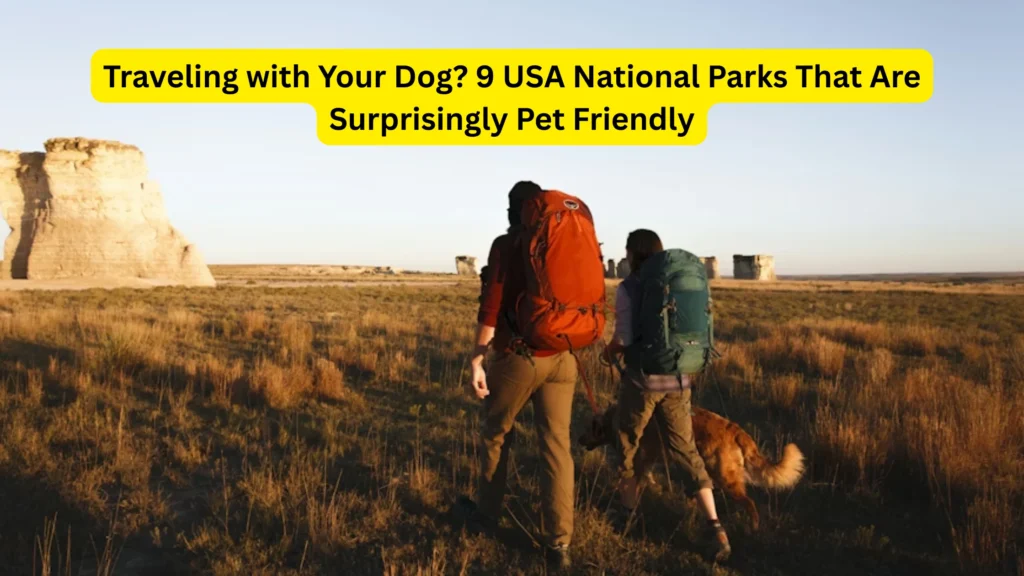
Traveling with Your Dog? 9 USA National Parks That Are Surprisingly Pet Friendly
Most national parks feel like a letdown if you’ve brought your dog along. The rule you’ll hear over and over is “pets aren’t allowed on trails,” and after a while, you start assuming every park is the same. But that’s not entirely true. A handful of national parks have figured out how to let dogs enjoy a real visit too — not just a parking lot and a leash-only sidewalk.
Before we think, here’s the one rule that applies almost everywhere: dogs are generally allowed in campgrounds, picnic areas, and on paved roads, but rarely on backcountry trails because of wildlife safety. The parks below stand out because they go further than that minimum, offering actual trails, lakeshores, or scenic routes where leashed dogs can join you.
A quick note before you go: pet policies can change with the season, due to wildlife activity, or after park management updates rules. Always check the official NPS page for the specific park shortly before your trip.
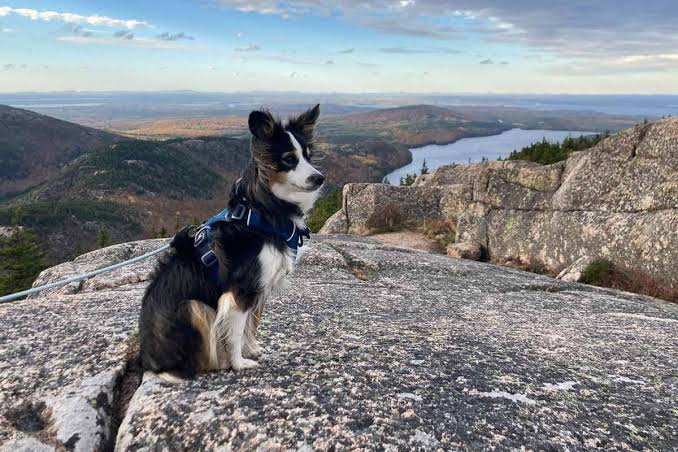
1. Acadia National Park, Maine
Acadia is often the first park people mention when this topic comes up, and for good reason. Around 100 miles of its famous carriage roads allow leashed dogs, which is a massive amount of trail access compared to most parks. You can walk beside lakes, through forests, and past stone bridges without feeling restricted.
Some hiking trails are off-limits because of steep, ladder-like sections, but plenty of moderate trails welcome dogs too. Sand Beach and Jordan Pond Path are popular, dog-friendly spots if you want scenery without a tough climb.
Tip: Carriage roads can get busy with cyclists and horses, so keep your dog close and aware on narrower stretches.
2. Shenandoah National Park, Virginia
Shenandoah takes a refreshingly open approach: dogs are allowed on nearly every trail in the park, including most of the Appalachian Trail section that runs through it. That’s rare. Only a few trails near caves or with rock scrambling sections restrict dogs for safety reasons.
This makes Shenandoah a genuinely good choice if hiking together is the whole point of your trip, not just walking around camp.
Local insight: Skyline Drive offers numerous overlooks where you can stretch your dog’s legs without committing to a full trail, which is great for older dogs or shorter visits.
3. Cuyahoga Valley National Park, Ohio
Because Cuyahoga Valley protects a mix of farmland, forest, and old canal paths rather than fragile alpine wilderness, it’s naturally more relaxed about dog access. The Towpath Trail, which follows the historic Ohio and Erie Canal, is flat, shaded, and dog-friendly for long stretches.
It’s an easy park for a low-stress day with your dog, especially if you’re not looking for dramatic mountain views, just a pleasant walk.
4. Congaree National Park, South Carolina
Congaree’s boardwalk trail through old-growth floodplain forest allows leashed dogs, which surprises a lot of visitors given how delicate the ecosystem looks. The elevated boardwalk also means your dog won’t be wading through mud or disturbing ground-level wildlife.
Just be mindful of southern heat and humidity. Bring water for your dog and avoid midday hikes in summer.
5. Mammoth Cave National Park, Kentucky
While the caves themselves are off-limits to dogs (for obvious reasons), the surface trails at Mammoth Cave are far more welcoming than most people expect. There are also boarding kennels on-site if you want to explore the cave tours without leaving your dog behind in a hot car.
This makes it a practical stop if your itinerary includes both an underground tour and some outdoor time.
6. Voyageurs National Park, Minnesota
Voyageurs is mostly accessed by water, and dogs are allowed on boats, at campsites, and on several trails near the visitor centers. If your dog is comfortable around boats, this park offers a different kind of adventure — paddling between islands rather than walking forest paths.
Common mistake to avoid: Don’t assume a “water park” means easy access everywhere. Some areas are still trail-only or have specific dock rules, so check ahead.
7. Indiana Dunes National Park, Indiana
Right along Lake Michigan, Indiana Dunes allows dogs on several trails and even on a portion of the beach. It’s a low-key park, often overshadowed by bigger names, but that also means fewer crowds and an easier experience for a dog that gets anxious around large groups of people.
8. Hot Springs National Park, Arkansas
Because Hot Springs sits within an actual town rather than deep wilderness, the rules feel more relaxed. Dogs are welcome on most trails throughout the park, including the scenic Hot Springs Mountain Trail.
It’s a good option if you want a park experience without isolating yourself from restaurants, shops, or other everyday conveniences during the trip.
9. Great Smoky Mountains National Park (Limited but Worth Knowing)
This one comes with a catch, but it’s worth including because so many people don’t realize even this much is possible. Great Smoky Mountains restricts dogs from almost every trail, except two paved, multi-use paths: the Gatlinburg Trail and the Oconaluftee River Trail.
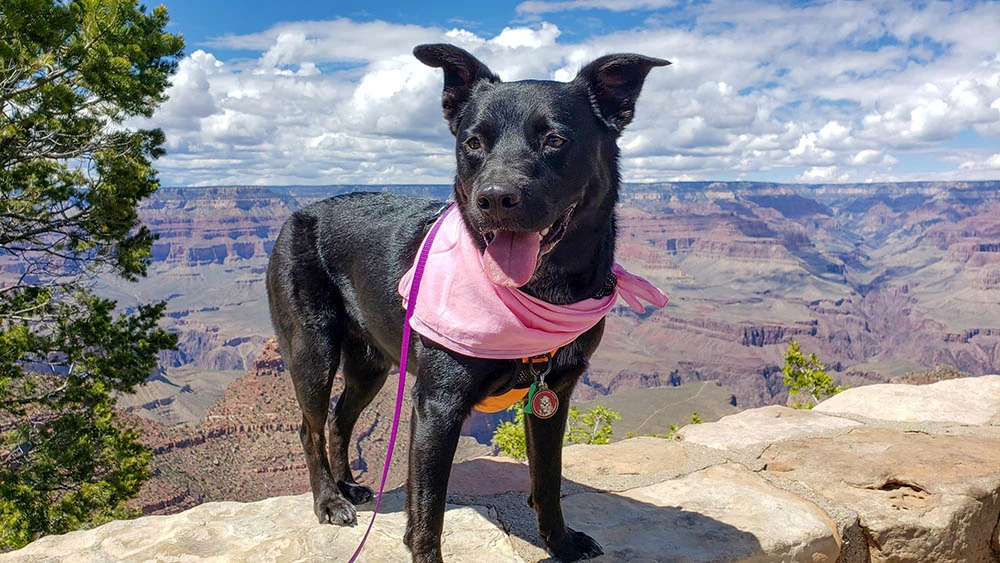
It’s not a dog-hiking destination, but if your trip already includes this park, these two short trails give your dog a chance to get out and move without breaking any rules.
What to Pack When Hiking With Your Dog in National Parks
A few practical items make these trips smoother:
- A sturdy leash (most parks require six feet or shorter)
- Collapsible water bowl and extra water — even shaded trails get warm
- Waste bags, since “leave no trace” rules apply to dogs too
- Paw protection if you’re visiting somewhere with hot pavement or sharp rocks
- Updated vaccination records, in case a campground or kennel asks
A Realistic Expectation to Keep in Mind
Even in the most dog-friendly parks on this list, certain areas will still be closed off — caves, fragile wetlands, or trails with steep drop-offs. That’s not the park being difficult; it’s genuinely about protecting wildlife and keeping your dog safe from things like sudden cliffs or unfamiliar predators. Going in with that mindset helps avoid disappointment if one specific trail turns out to be off-limits.
If you build your trip around two or three of these parks rather than trying to squeeze in every famous national park on a road trip, you’ll likely have a far better experience — for both you and your dog.
Read Also: Are Dogs Allowed in Rocky Mountain National Park? Rules Guide 2026