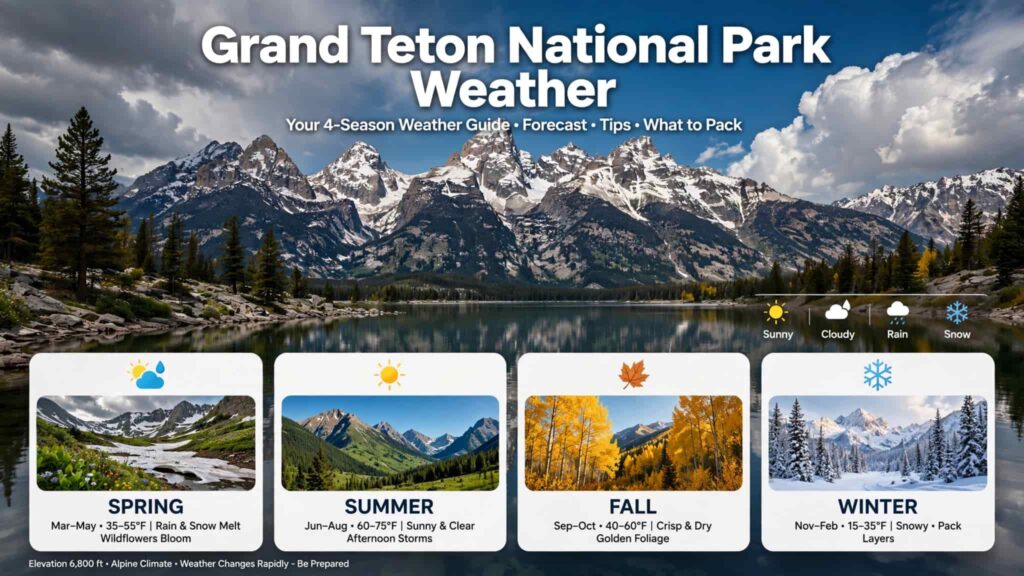
Grand Teton National Park Weather: Monthly Guide, Temperatures & Snow (2026)
Grand Teton National Park weather can change dramatically throughout the year. Summers are generally warm during the day but cool at night, while winter brings freezing temperatures, heavy snowfall, and snow-covered roads and trails. Spring and fall are transition seasons, with a mix of rain, snow, sunshine, and rapidly changing conditions.
If you’re planning a trip to Grand Teton National Park in 2026, understanding the weather by month can help you choose when to visit, what to pack, and what conditions to expect on the roads and hiking trails.
The National Park Service notes that snow and frost are possible during any month, while mountain conditions can be very different from conditions in the valley.
Grand Teton National Park Weather at a Glance
Grand Teton experiences a high-elevation Rocky Mountain climate with long, cold winters and relatively short summers.
According to National Park Service climate data collected at Moose, Wyoming, average summer daytime highs reach about 80°F in July and 79°F in August. January and December are among the coldest months, with average highs around 26°F.
Winter is also the park’s main snow season. The NPS averages approximately 43 inches of snowfall in January, 29 inches in February, 20 inches in March, and 40 inches in December at Moose.
Quick Weather Guide
| Month | Avg. High | Avg. Low | Avg. Snowfall |
|---|---|---|---|
| January | 26°F | 1°F | 43.1 in |
| February | 31°F | 3°F | 28.7 in |
| March | 39°F | 12°F | 20.3 in |
| April | 49°F | 22°F | 9.5 in |
| May | 61°F | 31°F | 2.4 in |
| June | 71°F | 37°F | 0.1 in |
| July | 81°F | 42°F | 0 in |
| August | 79°F | 40°F | 0 in |
| September | 69°F | 32°F | 0.4 in |
| October | 56°F | 23°F | 4.7 in |
| November | 38°F | 14°F | 23.4 in |
| December | 27°F | 2°F | 39.5 in |
These are long-term averages from NPS data collected at Moose, Wyoming, from 1958–2016, rather than a forecast for 2026.
Grand Teton National Park Weather by Month
January
January is one of the coldest and snowiest months in Grand Teton National Park.
The average high at Moose is around 26°F, while the average low is approximately 1°F. Average snowfall is about 43 inches, and average snow depth is around 27 inches.
Snow blankets much of the valley and mountains, and winter conditions can affect roads and travel.
If you visit in January, expect:
- Freezing temperatures
- Heavy snow
- Icy roads
- Short daylight hours
- Snow-covered trails
- Very cold mornings and nights
Winter clothing, insulated boots, gloves, and multiple layers are essential.
February
February remains firmly in winter.
Average temperatures at Moose range from about 31°F during the day to 3°F at night, with approximately 29 inches of average snowfall.
Snow depth can actually be greater than in January because snow accumulates throughout the winter.
February is a good month for travelers specifically interested in winter scenery, snow activities, and a quieter national park experience, but visitors need to plan around winter access and road conditions.
March
March brings slightly warmer temperatures, but winter is far from over.
The average high is around 39°F, while the average low is approximately 12°F. Moose receives an average of about 20 inches of snow during March.
Snow and ice can remain widespread, particularly at higher elevations.
Don’t assume that warmer afternoons mean spring has arrived. Weather can still change quickly, and winter conditions can return after a warm day.
April
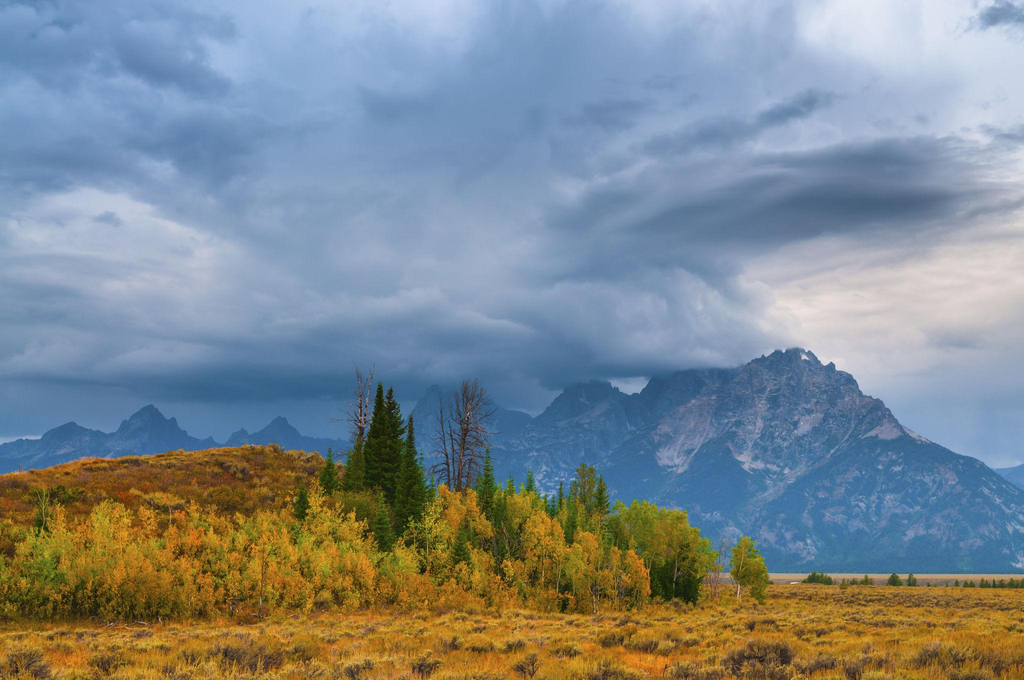
April is a transition month.
Average temperatures rise to approximately 49°F during the day and 22°F at night, while average snowfall falls to about 9.5 inches.
The National Park Service describes April, May, and June as months when mild days and cool nights can alternate with rain and snow. Valley trails can remain snow-covered until late May.
For hiking, April can still feel more like winter than summer.
Pack:
- Waterproof hiking shoes or boots
- Warm layers
- Rain gear
- Gloves
- A hat
- Extra socks
May
May brings noticeably warmer temperatures, with an average high of approximately 61°F and a low near 31°F.
Average snowfall falls to about 2.4 inches, although snow can still occur.
This is an unpredictable month because lower-elevation areas may look like spring while higher trails remain covered in snow.
The NPS specifically warns that mountain conditions can be very different from conditions in the valley.
If hiking is your main goal, check current trail conditions rather than relying only on the calendar.
June
June is one of the most popular months for visiting Grand Teton as temperatures become much more comfortable.
The average high is around 71°F, while the average low is approximately 37°F. Average snowfall at Moose is only about 0.1 inch.
However, that doesn’t mean all snow has disappeared.
The National Park Service says snow can remain in the mountains until mid-July, and high-elevation hiking trails may not be completely snow-free until later in the summer.
Afternoon thunderstorms are also common during summer.
July
July is typically the warmest month in Grand Teton National Park.
At Moose, the long-term average high is approximately 81°F, with an average low around 42°F. The NPS climate table records essentially no average snowfall during July.
Warm afternoons make July popular for:
- Hiking
- Scenic drives
- Camping
- Wildlife viewing
- Boating
- Photography
However, mountain weather can still change quickly.
The National Park Service warns that afternoon storms can develop rapidly and bring lightning, rain, and hail to the mountains.
If you’re hiking, start early and pay attention to changing skies.
August
August has weather very similar to July.
The average high is approximately 79°F, while the average low is around 40°F. Average snowfall at Moose is essentially zero.
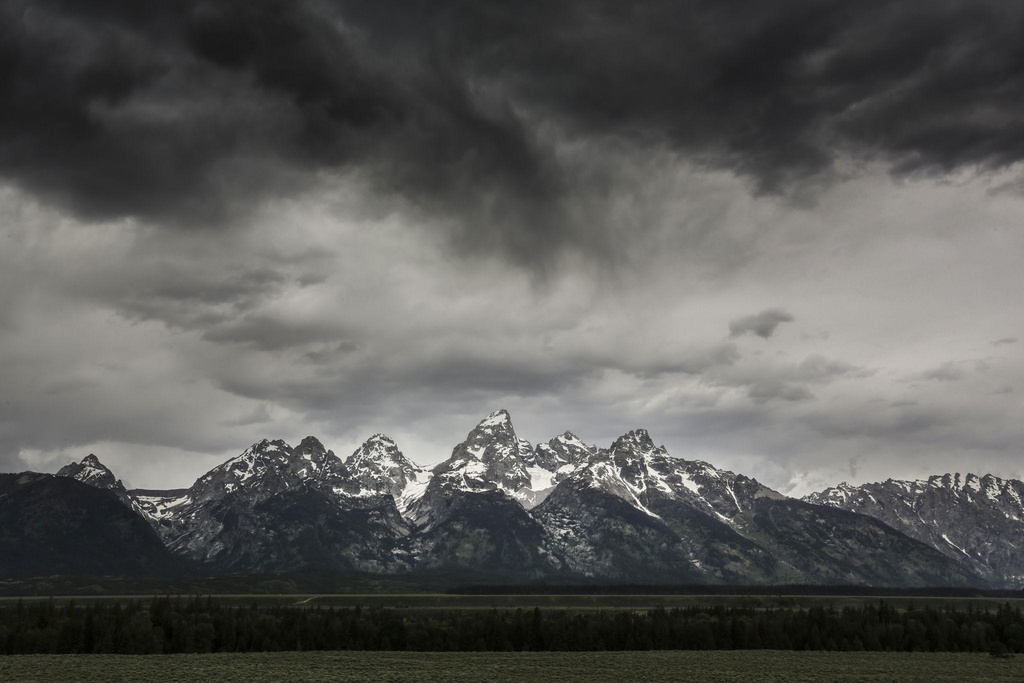
Days are generally warm, but mornings and evenings can feel surprisingly cool.
Thunderstorms remain possible during the afternoon, so visitors should carry rain protection even when the morning forecast looks clear.
August is also an excellent month for combining hiking with scenic drives and lake activities, although conditions vary by elevation.
September
September marks the beginning of the transition toward fall.
The average high at Moose is approximately 69°F, while the average low is around 32°F. Average snowfall is only about 0.4 inches, but frost and occasional snow are possible.
Days can still be pleasantly warm, while nights may drop to freezing.
The National Park Service describes September through November as a period of sunny days and cold nights mixed with rain and occasional snowstorms.
If you’re visiting in September, layers are particularly useful.
October
October brings much cooler weather.
Average temperatures are around 56°F for the high and 23°F for the low, with approximately 4.7 inches of average snowfall.
Fall colors and crisp mountain scenery can make October attractive, but winter weather can arrive quickly.
Morning temperatures may be below freezing, and snow is possible.
Check road and facility conditions before planning a long scenic drive because seasonal operations can change as autumn progresses.
November
November is the beginning of the major winter transition.
The average high is around 38°F, and the average low is approximately 14°F. Average snowfall increases sharply to about 23 inches.
The NPS says the first heavy snows often arrive around November 1 and continue through the winter season.
Visitors should be prepared for:
- Snow-covered roads
- Freezing temperatures
- Icy conditions
- Limited services
- Rapid weather changes
Four-wheel drive, all-wheel drive, or suitable winter tires may be appropriate depending on conditions.
December
December brings full winter conditions to Grand Teton.
The average high is approximately 27°F, while the average low is around 2°F. Average snowfall is nearly 40 inches at Moose.
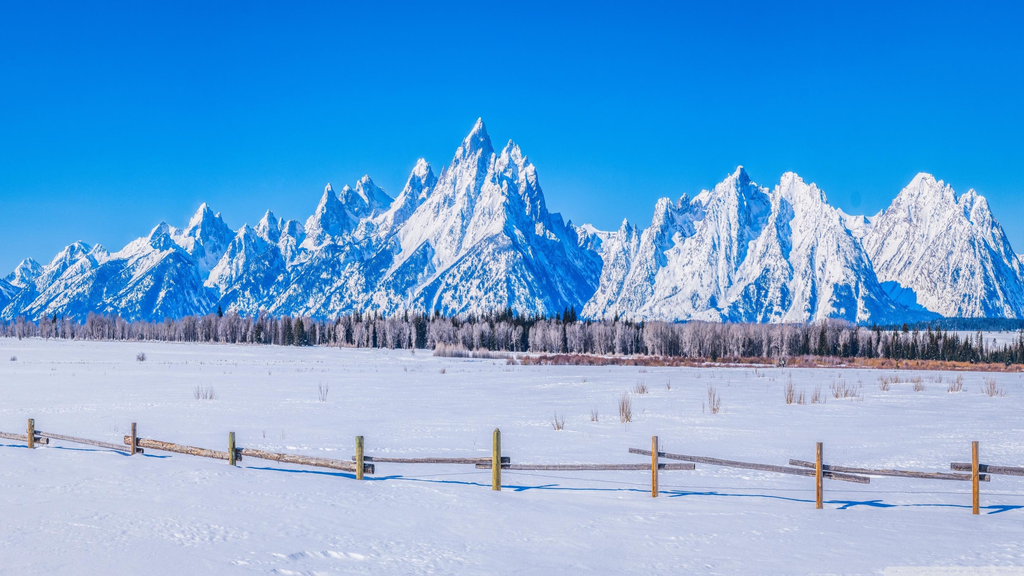
The park can be spectacular under a blanket of snow, but winter travel requires careful planning.
The NPS notes that roads can close during blizzards and recommends appropriate winter vehicle equipment.
When Does It Snow in Grand Teton National Park?
Snow is possible in Grand Teton during any month of the year.
However, the main snow season generally runs from late fall through spring. According to NPS climate averages at Moose, the snowiest months are:
- January — 43.1 inches
- December — 39.5 inches
- February — 28.7 inches
- November — 23.4 inches
- March — 20.3 inches
Higher elevations can have considerably different snow conditions from the valley.
The NPS also notes that snow can remain in the mountains into mid-July, so hikers should not assume that summer automatically means snow-free trails.
Does Grand Teton Have Snow in Summer?
Yes.
While snowfall in the valley becomes uncommon during summer, snow can remain at higher elevations.
The National Park Service specifically notes that mountain snow can remain until mid-July, and some high-elevation trails may not melt out until later in the summer.
This means a trailhead at a lower elevation can have completely dry conditions while a higher section of the same route still contains snow.
Grand Teton Weather in Spring
Spring generally covers April through June.
Temperatures gradually increase, but conditions remain unpredictable. Rain, snow, freezing nights, and muddy or snow-covered trails can all occur.
April is still relatively cold, while May becomes more comfortable in the valley. By June, daytime temperatures are usually much warmer.
For spring trips, waterproof clothing and layers are more useful than relying on a single warm jacket.
Grand Teton Weather in Summer
Summer is the warmest period, particularly from July through August.
Daytime temperatures around the valley can reach the upper 70s or low 80s, while nights can fall into the 30s and 40s.
Summer also brings frequent afternoon thunderstorms.
The combination of warm temperatures and rapidly developing mountain storms means hikers should check the forecast before setting out and be prepared to change plans if thunderstorms approach.
Grand Teton Weather in Fall
Fall weather can change quickly.
September often begins with relatively mild daytime temperatures, but freezing nights become increasingly common. October is significantly cooler, and November brings much more frequent snowfall.
Fall can therefore provide a mix of sunshine, chilly mornings, rain, and snow.
Pack layers and don’t rely on historical averages alone when planning a particular hiking day.
Grand Teton Weather in Winter
Winter is long and cold.
From December through mid-April, the park can experience frigid nights, heavy snow, icy conditions, and winter storms.
The NPS says sub-zero temperatures are common during winter and recommends multiple layers, hats, mittens, and cold-weather boots.
Road conditions can also change quickly. During severe winter storms, some roads may close.
Before driving into the park during winter, check current road conditions and weather forecasts.
What Is the Best Month for Weather in Grand Teton?
There isn’t one weather condition that works for every traveler.
For warm daytime temperatures, July and August are the warmest months based on long-term NPS averages.
For cooler temperatures, September can provide a transition between summer and fall.
For winter scenery and snow, December through March offer the most consistently wintry conditions.
For spring conditions, May and June can be appealing, but visitors should be prepared for lingering snow, particularly at higher elevations.
Your preferred activities matter just as much as temperature.
What to Wear in Grand Teton National Park
Because temperatures can change substantially between morning and afternoon, layering is one of the safest approaches.
Summer
Bring:
- Lightweight hiking clothes
- Fleece or light jacket
- Rain jacket
- Comfortable hiking shoes
- Sun protection
- Warm layer for early mornings
Spring and Fall
Bring:
- Insulating mid-layer
- Waterproof jacket
- Warm hat
- Gloves
- Waterproof footwear
- Extra socks
Winter
Bring:
- Insulated winter jacket
- Thermal base layers
- Insulated boots
- Warm gloves or mittens
- Hat
- Neck gaiter
- Extra layers
The NPS recommends rain gear during spring, summer, and fall and multiple layers during winter.
How Much Does Elevation Affect Grand Teton Weather?
Elevation is extremely important when planning activities in Grand Teton.
Mountain temperatures can be considerably colder than temperatures in the valley.
The National Park Service notes that temperatures can drop approximately 4°F for every 1,000 feet of elevation gain.
That’s one reason a pleasant summer day in Jackson Hole or the valley doesn’t necessarily mean conditions will be equally comfortable on a high-elevation trail.
Always check the forecast for the area you’re actually visiting.
Grand Teton Weather and Thunderstorms
Summer thunderstorms deserve special attention.
Storms can develop during the afternoon and bring lightning, rain, and hail to exposed mountain areas.
If you’re hiking in the Tetons:
- Check the forecast before leaving.
- Start longer hikes early.
- Watch the sky for developing storms.
- Avoid exposed ridges during lightning.
- Be prepared to turn around.
- Carry rain protection even when the morning is sunny.
Mountain weather can change faster than conditions in the valley.
Grand Teton Weather in 2026: What Should Visitors Check?
Historical averages are useful for understanding the climate, but they cannot tell you exactly what weather will occur during your 2026 trip.
Before heading into the park, check:
- Current weather forecast
- Road conditions
- Trail conditions
- Avalanche information during winter
- Snow depth
- Wildfire and smoke conditions
- Temporary closures
The National Park Service provides current weather, snow-depth information, mountain weather resources, and avalanche information for visitors.
Frequently Asked Questions
What is the coldest month in Grand Teton National Park?
January is among the coldest months. At Moose, the average January high is about 26°F, while the average low is approximately 1°F.
What is the hottest month in Grand Teton National Park?
July is typically the warmest month in the NPS long-term climate table, with an average high of approximately 81°F at Moose.
Does it snow in Grand Teton National Park in July?
Snowfall in the valley is generally negligible in July, but snow can remain at higher elevations. The NPS says mountain snow can persist until mid-July.
What month gets the most snow in Grand Teton?
January has the highest average snowfall in the NPS Moose climate table, at approximately 43.1 inches. December follows with about 39.5 inches.
Is Grand Teton cold in summer?
It can be warm during the day but cool at night. July’s average high is around 81°F, while the average low is about 42°F at Moose. Higher elevations can be substantially colder.
Can it snow in Grand Teton in September?
Yes. Snow and frost are possible during any month, although average September snowfall at Moose is only about 0.4 inches.
Is Grand Teton National Park open in winter?
The park itself is open year-round, but visitor services, roads, and motor-vehicle access can vary by season and conditions. Winter storms can also cause road closures.
Final Thoughts
Grand Teton National Park weather changes dramatically from season to season. Winter brings heavy snow and sub-zero temperatures, spring combines warming temperatures with lingering snow, summer provides warm days but frequent afternoon storms, and fall gradually transitions back toward freezing temperatures and snow.
For a 2026 trip, use the monthly averages in this guide to understand the general climate, but always check the latest forecast and park conditions immediately before your visit.
The most important thing to remember is that Grand Teton’s valley weather and mountain weather can be very different. If you’re hiking, camping, driving mountain roads, or exploring higher elevations, plan for conditions that can change quickly.
For current conditions, forecasts, snow information, and safety updates, use the official National Park Service resources before heading out.
Read Also: Is Grand Teton National Park Open? 2026 Park Hours, Closures & Updates