
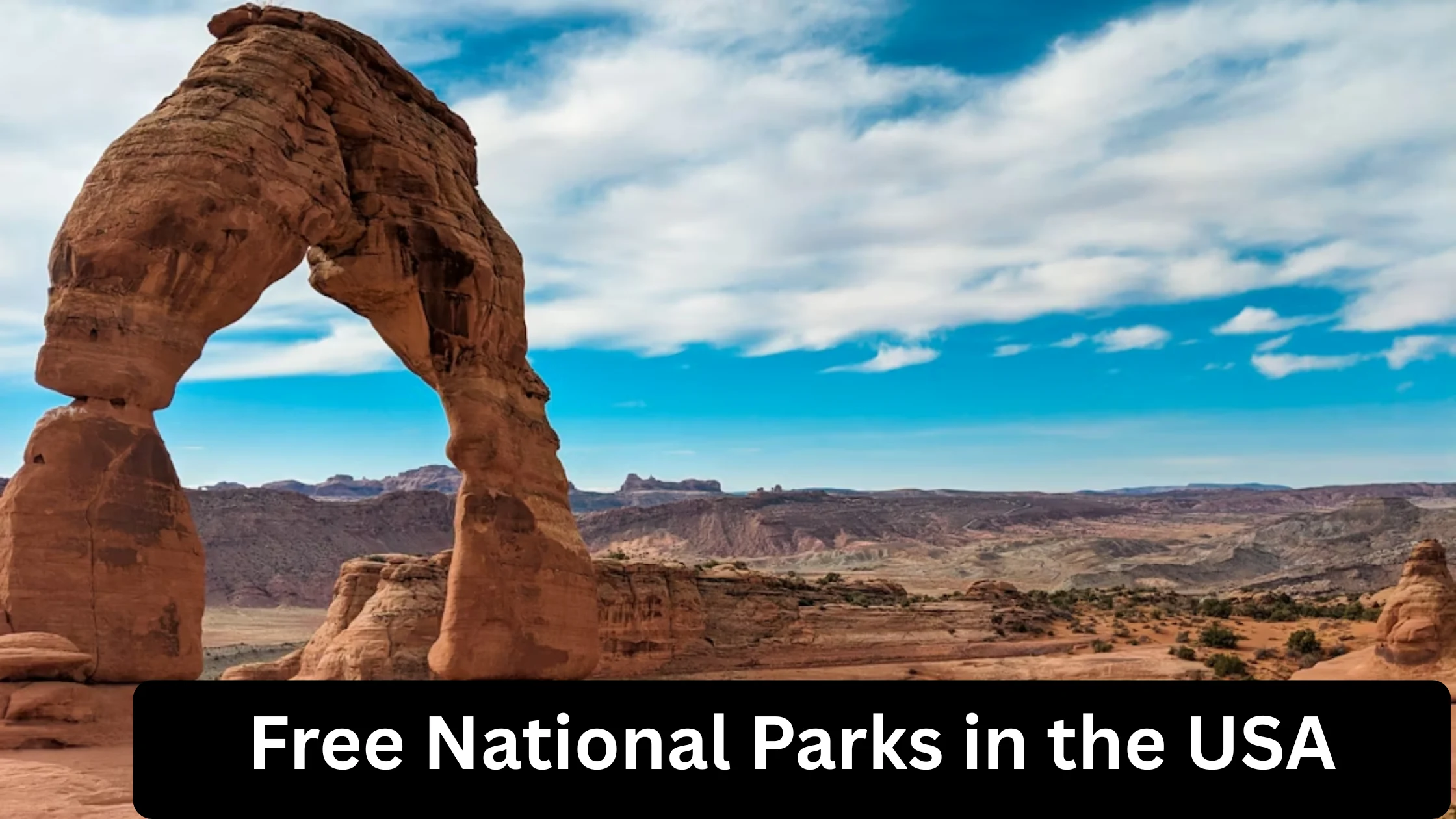
Let’s get one thing straight: you’re not gazing at this article because you suddenly love hiking. You’re here because vibes meeting budget is your new religion. It’s 2026—rent is scary, gas prices feel criminal, and your last paycheck laughed at your dreams. Yet somehow, you’re still craving that “escape into nature” moment that Instagram says heals everything. Spoiler: You can still do that, even if your bank account wheezes before payday. Welcome to the ultimate [Guide] for broke travelers who want national park magic without the entry fee or pressure to own trekking poles.
If you’ve got a car, snacks, and an emotional playlist, you’re good. This isn’t about bougie glamping tents or influencer photo ops—it’s about free adventure powered by caffeine and pure audacity.

So Wait—Some National Parks Are Actually Free?
Yes. Miraculously, not every park demands your credit card. The U.S. has 63 national parks and over 400 “sites” under the National Park Service umbrella; some of them won’t charge you a cent. You just stroll in, feel superior, and pretend the freedom of entry makes up for the fact that the bathroom lines look like a festival.
Bold reality: The government occasionally gives broke wanderers tiny wins. Cherish them.
Why free parks matter? Simple—nature shouldn’t be paywalled. Whether you’re dodging job burnout, escaping roommate drama, or pretending hiking counts as exercise, free parks are the holy grail. Think of this [Guide] as your survival manual for low-cost wonder.
Quick breakdown: most truly “free” national parks don’t have gate fees, though a few have optional passes or parking charges. Still cheaper than that $8 oat milk latte you bought “because self-care.”
Ever wonder why some parks are free? Because they’re either impossible to monetize, underrated, or in areas so rural that no one’s figured out how to charge you yet. You’re welcome.
The Top Free National Parks That Still Look Expensive
We’re diving into the good stuff. Parks that deliver jaw-dropping views without bankrupting you. These places prove adventure doesn’t need Wi-Fi, only snacks and questionable judgment.
Great Smoky Mountains National Park (Tennessee and North Carolina)
It’s America’s most visited park—and totally free. 522,000 acres of foggy forest drama that makes you feel like you’re inside a moody indie movie. You can roam dozens of trails, spot black bears (hopefully from a distance), and pretend you’re starring in a “finding myself” montage.
Try Cades Cove for history buffs, Clingmans Dome for mountain-top selfies, and the 800 miles of hiking trails for everyone regretting gym membership bills.
Then drive the scenic Newfound Gap Road while blasting music that says “I’m outdoorsy now.”
Channel Islands National Park (California)
Remote, wild, and weirdly unadvertised. It’s free to enter, but boat rides to the islands cost extra. Once you arrive, there’s hiking, kayaking, and enough sea caves to make you think nature’s flexing. It’s like California’s secret hideout that influencers haven’t fully ruined yet.
Congaree National Park (South Carolina)
Think endless swamp forest vibes. No fee, plenty of mosquitoes. You get boardwalk trails under towering old-growth trees—and peace so quiet you might start hearing your own intrusive thoughts. “Free therapy,” basically.
Cuyahoga Valley National Park (Ohio)
Ohio gets mocked a lot—but this park’s legit. Free entry, waterfalls, and old train tracks for mood shots. Bike the Ohio & Erie Canal Towpath Trail if you want cardio trauma in exchange for scenery.
Redwood National and State Parks (California)
Want to feel tiny? Here’s where trees are ancient and massive enough to humble your ego. Entry’s free, forests are cinematic, and car commercials could be filmed here. Bring snacks—it’s colder than your landlord’s heart.
Extra shoutouts:
- Hot Springs National Park (Arkansas) – free and therapeutic, like nature’s spa treatment for your bad life choices.
- Voyageurs (Minnesota) – lakes, houseboat heaven, also free because few people realize it exists.
- Wrangell-St. Elias (Alaska) – wild, remote, free, and intimidating enough to make civilization feel fake.
Each one’s insta-worthy, affordable, and has vibes ranging from “wanderlust” to “mild existential crisis.”

Free Entrance Days—AKA Government Holidays Where Everyone Shows Up
Here’s a spicy pro tip: even parks that usually charge money have Free Entrance Days. These are random dates sprinkled across the year when the National Park Service lets everyone in free—like nature’s Black Friday.
Imagine you, thousands of people, and zero entry cost. It’s equal parts joy and chaos—the parking lots look like Coachella in flannel, but at least it’s affordable.
For 2026, you’ll get free entrance on days like:
- Martin Luther King Jr. Day (January)
- Your annual “I forgot my New Year’s goals” crisis trip.
- National Park Week (April)
- Great excuse to say, “I’m reconnecting with the earth.”
- Juneteenth and Veterans Day (June, November)
- Bonus points for pretending your hike honors history while you mostly just sweat.
Bold takeaway: Mark them down, get there early, and pack patience. These days draw crowds who all forgot hydration rules. Still, it’s your best shot at visiting big-ticket parks like Yosemite or Grand Canyon for free.
This [Guide] swears by it—national parks give you freedom, but gas prices bring you right back to reality.
Budget Survival Tips: Because Nature Doesn’t Care You’re Broke
So you made it inside the park without paying. Victory! But everything else still costs. Food, gas, camping fees, and whatever overpriced trail snacks you forgot to bring. Here’s how to make your adventure count without crying financially.
Tip 1: Sleep cheap.
Skip hotels; check campgrounds or car-camping spots. Worst case scenario—fold your back in the passenger seat and call it “rustic minimalism.”
Tip 2: Cook your own food.
Pack a cooler, make sandwiches, accept that instant ramen is gourmet now. Bring a portable stove if you want true budget mastery.
Tip 3: Share the [Guide] with friends who don’t mind chaos.
Road trips are cheaper split four ways—and someone will inevitably bring gas money or emotional stability.
Tip 4: Buy an annual America the Beautiful Pass only if you plan multiple parks. It’s $80 but covers 2,000+ sites. That’s math even your student loan officer might respect.
Tip 5: Don’t shop the visitor center like a tourist cliché. You do not need the $40 hoodie. Take a photo, Photoshop in the logo later.
Being a broke traveler means mastering trade-offs. Fewer lattes, more muddy shoes; fewer deadlines, more sunscreen; fewer bills (hopefully), more sunsets.
Grand finale truth? You don’t need to be rich to have national park memories. Just a car that starts, Wi-Fi to download maps before they vanish, and angst that propels you into adventure.
The “Feel Something” Finale
You made it—both through this blog and maybe, hopefully, to an actual trail. Congrats, icon of low-budget wanderlust! You’re proving that exploring the U.S. isn’t reserved for influencers with sponsorship deals or retirees in RVs.
National parks are for everyone—broke dreamers, caffeine addicts, outdoor skeptics, remote workers with burnout, loners, chaos enthusiasts.
This [Guide] didn’t come here to pretend nature heals everything. But it sure helps. There’s something about standing under a 2,000-year-old tree or watching a sunset over ancient canyons that makes you think, Yeah, maybe I’m doing okay.
Now close the laptop, grab your snacks, and go let nature roast you with beauty. You don’t need money to find awe—just enough gas to get there and the courage to admit you kind of love being broke and free.
Rubie Rose is the founder of Park Trails Guide. As a USA resident and nature lover, she is dedicated to creating helpful national park guides using official sources and real visitor experiences. Her mission is to make planning trips to places like Yosemite, Grand Canyon, and Zion easier for families, beginners, and travelers.