Emerald Lake Rocky Mountain National Park Guide 2026
Emerald Lake is one of those places that often surprises first-time visitors. Many people planning a trip to Rocky Mountain National Park focus on famous lakes like Bear Lake or Dream Lake, only to discover later that Emerald Lake sits just a little farther along the same trail. That extra walk rewards you with one of the park’s most beautiful alpine settings.
If you’re wondering whether Emerald Lake is worth the hike, how difficult the trail is, or what to expect during your visit in 2026, this guide covers everything you need to know before heading out.
Why Emerald Lake Stands Out
Emerald Lake lies high in the Bear Lake area, surrounded by rugged peaks, evergreen forests, and massive granite cliffs. Unlike many roadside viewpoints, reaching the lake requires a moderate hike, which naturally limits crowds compared to easier locations.
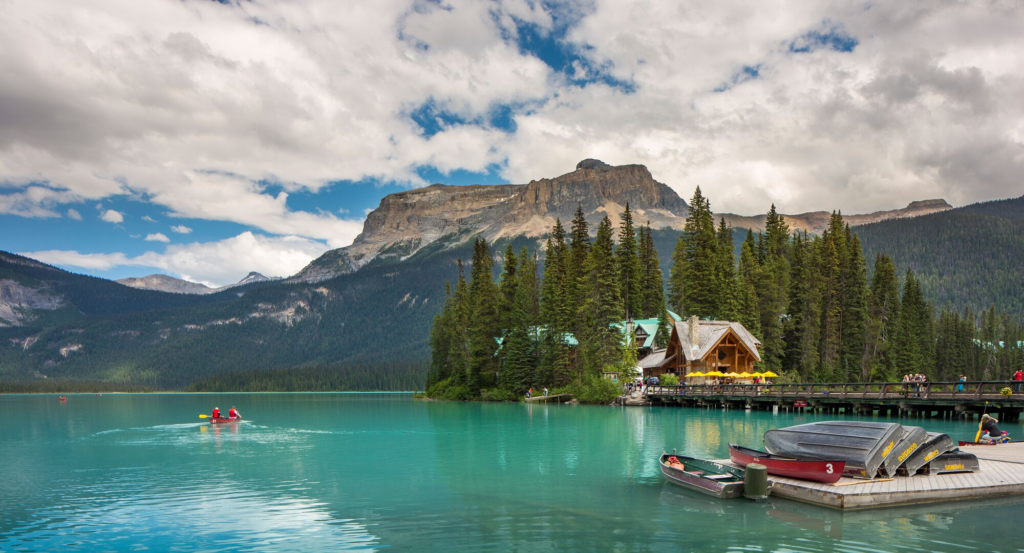
The lake gets its name from its striking green-blue water during the warmer months. Snow-covered mountains reflect on the calm surface, creating one of the most photographed scenes in Rocky Mountain National Park.
Another reason visitors love this destination is that the hike includes multiple lakes along the way, making the journey just as enjoyable as the destination.
What to Expect on the Emerald Lake Trail
The Emerald Lake Trail is one of the park’s most popular hiking routes because it combines relatively moderate effort with excellent scenery.
During the hike, you’ll pass:
- Nymph Lake
- Dream Lake
- Emerald Lake
Each lake has a different character, so the trail never feels repetitive.
The path begins through a forest before gradually climbing over rocky sections. As you gain elevation, the surrounding mountains become more dramatic.
Although many families complete this hike, the final stretch includes some steeper rocky areas that require careful footing.
Trail Distance and Difficulty
Here are the basics:
| Trail Information | Details |
|---|---|
| Round-trip distance | About 3.2 miles (5.1 km) |
| Elevation gain | Around 650 feet (198 m) |
| Difficulty | Moderate |
| Average hiking time | 2 to 3 hours |
The trail is well maintained, but the elevation can make the hike feel harder than expected, especially for visitors arriving from lower elevations.
Take your time and don’t rush.
Where the Trail Starts
The hike begins at the Bear Lake Trailhead, one of the busiest locations inside Rocky Mountain National Park.
Parking fills extremely early during summer, weekends, and fall color season. Many visitors now use the park shuttle instead of trying to find a parking space.
Before your trip, check the latest shuttle schedules, timed-entry reservation requirements, and seasonal road conditions through the official National Park Service website, as these policies can change.
What Makes the Hike Enjoyable
Instead of a long climb with little scenery, the Emerald Lake Trail offers something interesting every few minutes.
Nymph Lake
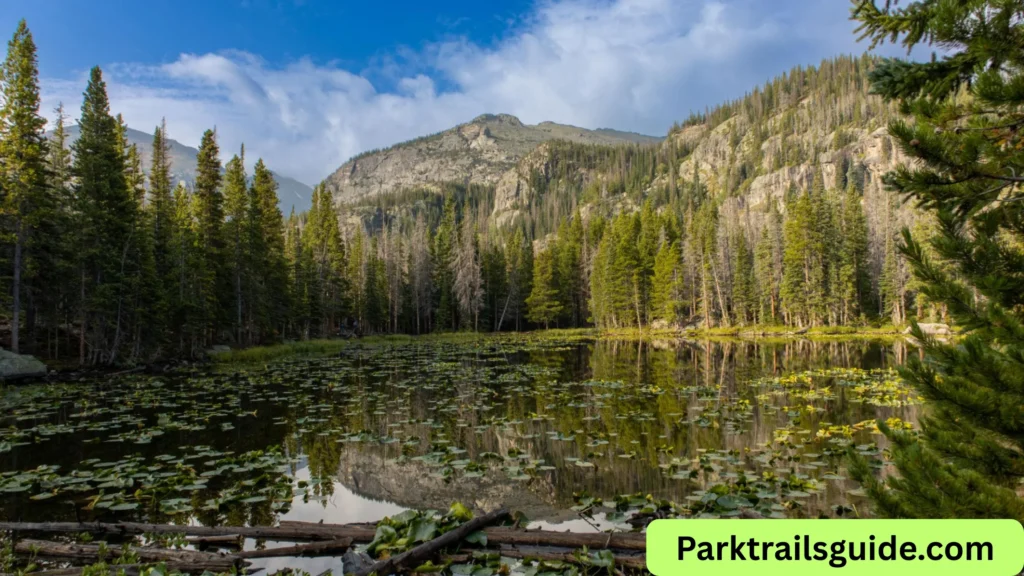
Only a short walk from the trailhead, Nymph Lake features lily pads during summer and peaceful mountain reflections on calm mornings.
Many casual visitors stop here, so the trail usually becomes quieter as you continue.
Dream Lake
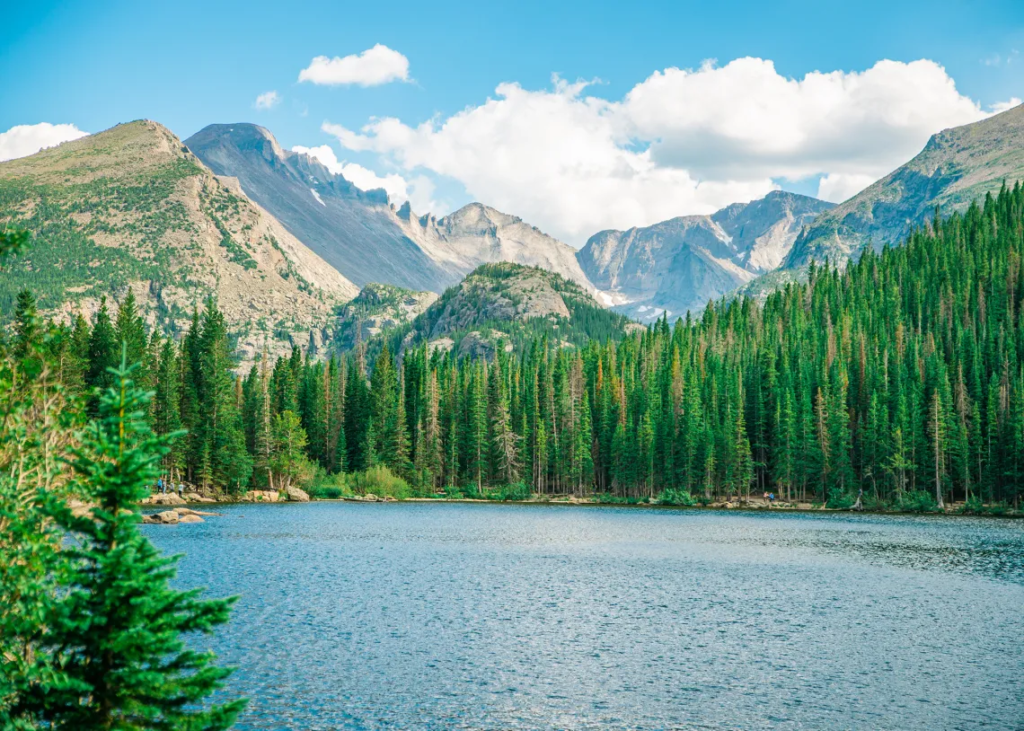
Dream Lake is one of the park’s iconic viewpoints. Large mountain peaks rise directly behind the lake, making it a favorite photography stop.
Don’t hurry past it—you’ll likely want to spend a few minutes here.
Final Stretch to Emerald Lake
The last section becomes rockier and slightly steeper.
As you approach Emerald Lake, towering Hallett Peak and Flattop Mountain dominate the landscape. The scenery changes from forest to open alpine terrain, giving the destination a true mountain feel.
Best Seasons to Visit
Every season offers a different experience.
Summer (June to August)
Summer provides the easiest hiking conditions.
You’ll usually find:
- Snow-free trails
- Comfortable temperatures
- Wildflowers
- Longer daylight hours
This is also the busiest season.
Fall (September to Early October)
Many experienced visitors consider fall one of the best times.
You’ll enjoy:
- Golden aspens at lower elevations
- Cooler hiking weather
- Clear mountain views
- Fewer insects
Crowds remain significant, especially on weekends.
Winter
Emerald Lake transforms into a snowy alpine landscape.
Expect:
- Snow-packed trails
- Ice-covered lakes
- Winter hiking traction devices often recommended
- Much colder temperatures
Winter hiking requires additional preparation and proper clothing.
Spring
Conditions can vary greatly.
You may encounter:
- Melting snow
- Muddy sections
- Ice
- Changing weather
Always check current trail conditions before your visit.
Wildlife You Might See
The Bear Lake area supports a variety of wildlife.
Depending on the season and your luck, you may spot:
- Mule deer
- Elk
- Clark’s nutcrackers
- Steller’s jays
- Marmots
- Pikas
Wildlife sightings are never guaranteed.
Always observe animals from a safe distance and never feed them.
Photography Tips
Emerald Lake is photogenic throughout the day, but lighting makes a noticeable difference.
For the best results:
- Visit early in the morning for calmer water reflections.
- Bring a wide-angle lens if using a camera.
- Include surrounding peaks for scale.
- Keep people in the frame to show the size of the landscape.
- Cloudy days often create softer, more balanced lighting.
If you’re visiting during sunrise, arrive well before daylight because parking and hiking take time.
What to Bring
A small daypack is usually enough.
Recommended items include:
- Water
- Snacks
- Layers for changing weather
- Rain jacket
- Sun protection
- Hiking shoes with good grip
- Camera or smartphone
- Map downloaded for offline use
Mountain weather changes quickly, even during summer.
Common Mistakes First-Time Visitors Make
Starting Too Late
Late morning often means crowded trails and limited parking.
An early start creates a much better experience.
Underestimating the Elevation
Even visitors in good physical shape may feel short of breath because of the altitude.
Walk slowly and drink plenty of water.
Wearing Casual Shoes
Although the trail isn’t extremely difficult, rocky sections can become slippery.
Supportive hiking shoes make the walk safer.
Ignoring Afternoon Weather
Summer thunderstorms frequently develop during the afternoon.
Plan to finish your hike before storms become active.
Is Emerald Lake Worth Visiting?
For most visitors, absolutely.
The hike is manageable for many people with average fitness, yet the scenery feels much more remote than the effort required would suggest.
Instead of visiting just one viewpoint, you’ll experience three beautiful alpine lakes on a single trail, making it one of the highest-value hikes in Rocky Mountain National Park.
If you’re choosing only one moderate hike during your visit, Emerald Lake deserves a place near the top of your list.
Frequently Asked Questions
Can beginners hike to Emerald Lake?
Yes. Most beginners can complete the hike by walking at a comfortable pace and taking breaks as needed.
Are dogs allowed on the trail?
No. Pets are not allowed on trails within Rocky Mountain National Park.
Do I need a timed-entry reservation?
Reservation requirements vary by season and may change from year to year. Always verify current entry rules before your visit through the official National Park Service website.
Can children complete the hike?
Many families hike to Emerald Lake successfully. Younger children may need extra time, especially on the final rocky section.
Final Thoughts
Emerald Lake offers one of the most rewarding hiking experiences in Rocky Mountain National Park without requiring an all-day adventure. The combination of alpine lakes, mountain scenery, and a well-maintained trail makes it a memorable stop for both first-time visitors and returning hikers.
Plan an early start, prepare for changing mountain weather, and allow enough time to enjoy each lake along the route instead of rushing to the finish. With realistic expectations and a little preparation, Emerald Lake can easily become one of the highlights of your Rocky Mountain National Park trip in 2026.
Read Also: Are Dogs Allowed in Rocky Mountain National Park? Rules Guide 2026
Pingback: Lodging in Rocky Mountain National Park: Best Places to Stay - Park Trails Guide