
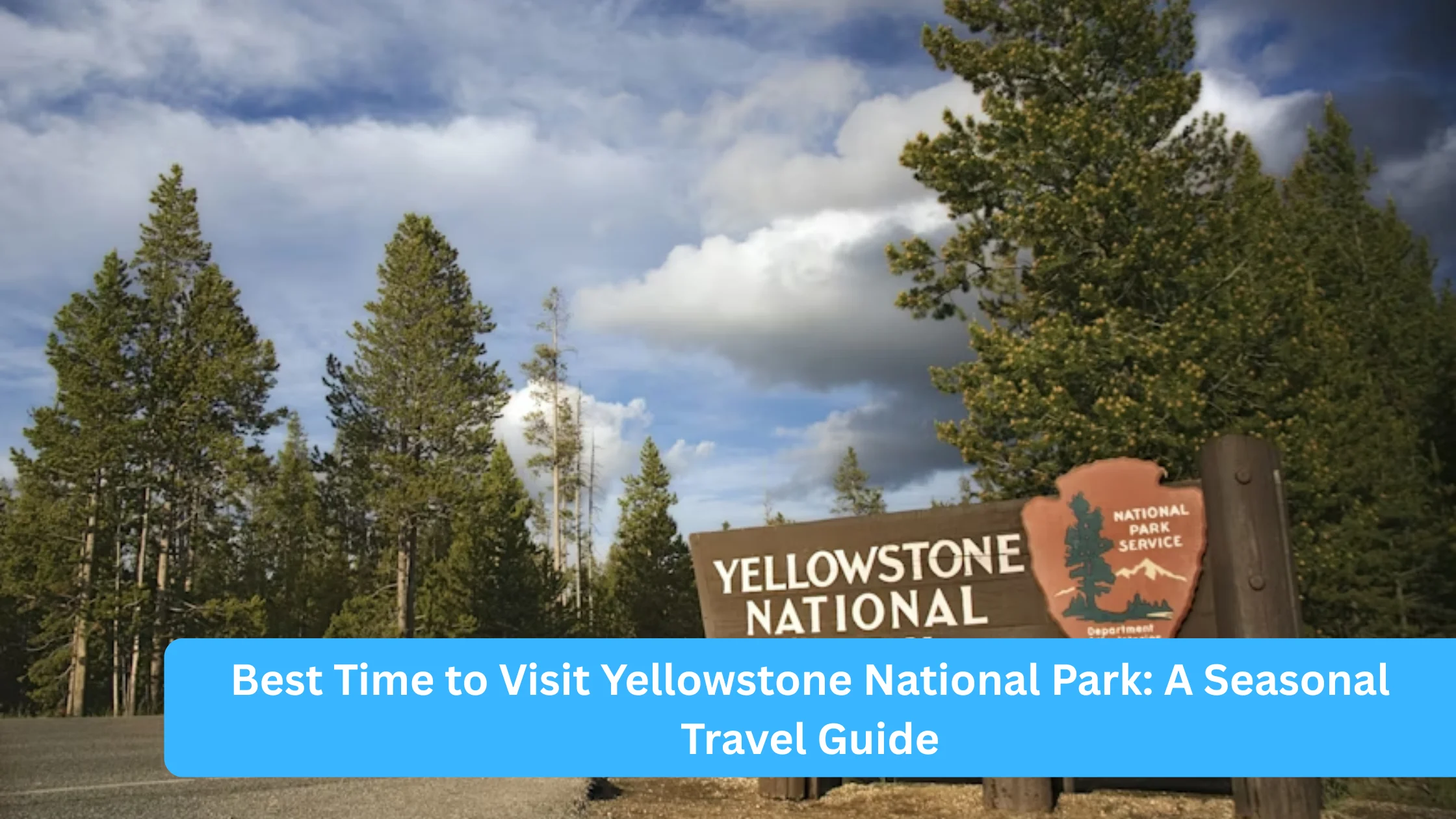
You know that fantasy where you quit your job, toss your laptop, and just “find yourself” in nature? Yeah, Yellowstone is where that dream either blooms beautifully or gets mauled by a bison. America’s oldest national park and possibly its pettiest landscape — Yellowstone doesn’t change for you, bud. It’s been around since 1872 and has watched generations of overconfident tourists underestimate elk and overestimate their tolerance for cold. You want to know the best time to visit? Spoiler: there is no best. Every season’s a vibe — some beautiful, some brutal, all unforgettable in the “oh my God I should’ve stayed home” sense. Welcome to your chaotic [Guide].

Spring: Nature’s Middle Finger With a Smile
Spring at Yellowstone is basically Mother Nature rebooting her chaos. April to June means melting snow, muddy trails, and animals deciding whether to be cute or threatening. It’s the transitional mess we call “rebirth,” but really, it’s just wet socks and unpredictable weather wrapped in optimism.
Truth bomb: Spring’s also the season where overly confident hikers meet the phrase “Closed due to bear activity.”
The park slowly thaws from its winter coma. You’ll see geysers steaming dramatically like they’re auditioning for a breathy TikTok thirst trap. Waterfalls roar back to life — absolutely Insta-worthy, until your phone freezes mid-snap because you thought a hoodie counted as “cold-weather gear.”
Rhetorical moment: What kind of masochist plans spring hikes here? You, apparently. But hey, it’s less crowded — a miracle for introverts who still want bragging rights. Pro tip: Pack waterproof boots, not your sneakers from college. Mud here doesn’t care about brand loyalty.
- Spring attractions worth the drama:
- Yellowstone Falls (volume levels unmatched).
- Lamar Valley for baby bison galas.
- Mammoth Hot Springs being hot and messy, as usual.
Spring’s your best bet for wildlife spotting and intro-level existential crises. But beware: Roads open late, bears wake early. Coincidence? Doubt it.
One word for spring? Gorgeous chaos. Or, “why did I bring the kids.”
Summer: Crowds, Sweat, and Questionable Life Choices
Summer (June–August) is Yellowstone’s social experiment: 2 million visitors all convinced they’re “escaping civilization” by joining civilization in the same parking lot. You’ll find pure magic — and melting patience.
Bold reality: Summer in Yellowstone feels like Coachella, but with fanny packs and dead mosquitoes instead of flower crowns.
Sunset hikes? Gorgeous. Midday? You’re fried like park asphalt. The geysers look divine — Old Faithful does her thing, erupting on schedule while mass crowds record her like she’s Taylor Swift performing for the 100th time. Side comment: If you clap after Old Faithful erupts, you deserve your own park fee.
Camping? Prepare to bond with insomnia and relatives who packed granola like it’s currency. Every trail feels like a group project. Wildlife sightings get replaced with spotting tourists in neon. The upside: You can swim (sort of) and actually see things without losing toes.
- What summer in Yellowstone gifts you (and takes):
- Clear weather and open roads (yay!).
- Swarms of tourists asking dumb questions like “Where’s the Wi-Fi?”
- Traffic jams caused by bison, which still move faster than RVs.
Rhetorical punch: Why endure it? Because Yellowstone in summer is alive. The grass is greener, the rivers sparkle, and the collective vacation chaos feels like an American rite of passage.
Food tip — pack your snacks like you’re rationing for the apocalypse. Hotel food’s overpriced, and no one enjoys explaining s’mores economics to a toddler who thinks marshmallows grow on trees. It’s way too hot to argue, trust me.
This [Guide] declares summer as peak gorgeous-pain combo. Come for the beauty; stay for the regret.

Fall: Mood, Foliage, and Your Inner “I’m an Outdoorsy Adult” Delusion
September–October brings the park’s glow-up: warm earth tones, fewer humans, and that crisp air that makes you whisper “I could live like this” before your car battery dies. Fall is for the chill traveler — the one who thinks hiking counts as therapy and “autumn energy” fixes their burnout.
Honest appraisal: Fall is Yellowstone’s soft-launch back into sanity.
Trails open, weather behaves, elk bugle like they’re auditioning for National Geographic’s dating segment. Yes, that sound is real — and terrifyingly horny. The crowds fade, but the views don’t. It’s that short, golden stretch before winter eats everything.
- Fall wins at Yellowstone:
- Fewer tourists, more squirrels pretending to work.
- Roads still open — enjoy them before “seasonal closure” becomes your nemesis.
- Epic photography lighting for your “deep thoughts” captions.
Temperature ranges from “ah, nice sweater weather” to “why did I forget gloves?” The foliage hits hard — like a cinematic filter you didn’t need to pay for. Every turn feels like a TikTok reel waiting for lo-fi music overlay.
Fall’s the best-kept secret for soul-searchers and introverts who need proof they “did something outdoorsy.” Spoiler: Listening to leaves crunch doesn’t cure existential dread, but it helps a little.
Health-wise? Perfect hiking weather, zero humidity, crisp oxygen that feels like a cleanse without a juice subscription. This [Guide] votes fall as “most likely to make you believe in peace.”
Winter: Isolation, Frostbite, and That “Main Character Energy”
Yellowstone in winter (November–March) is what happens when nature decides she’s done entertaining tourists. Snow-covered geysers, silent valleys, pure cinematic isolation. It’s majestic, dangerous, and exactly what your moody inner poet needs — until frostbite reminds you you’re mortal.
Blunt take: Only go if “I like pain” is part of your personality.
Imagine the park’s 2 million summer visitors… gone. The silence? Divine. You look around: steam rises from icy rivers, wolves roam in packs, bison look like ancient gods. It’s ethereal and terrifying. So yes, every photo you see of “winter Yellowstone” is stunning because no one survived long enough to ruin the frame.
Snowmobiles replace cars, guided tours take over, and temperatures make your eyelashes freeze. Perfect for everyone who thought “off-grid living” was romantic, until they realized coffee shops don’t deliver here.
- Winter dos and don’ts:
- Do go to Lamar Valley — wolves = rare Instagram flex.
- Don’t wander off trail unless your life insurance’s pre-approved.
- Do stay at Old Faithful Snow Lodge — cozy fireplace, hot cocoa, quiet existential crisis.
Winter’s tough-love therapy. It’s the park’s purge, reminding you nature doesn’t care about your comfort zone. You see true beauty — and realize your Patagonia jacket isn’t survival gear, it’s decoration.
It’s raw, wild, and perfect for bragging rights or people escaping seasonal depression creatively. This [Guide] calls winter the “soul recalibration” season. Just pack thermal everything.
So… Which Season Wins This Dysfunctional Game?
Each Yellowstone season offers its own flavor of chaos. Spring’s muddy rebirth, summer’s dehydration Olympics, fall’s golden chill, winter’s poetic suffering. You can pick your poison, but here’s the secret: the real winner is whoever doesn’t expect perfection.
Hard truth delivered gently: Yellowstone isn’t Disneyland. It’s a 3,500-square-mile wonderland full of animals, lava, and existential metaphors. It doesn’t care if you have matching jackets — it will humble you either way.
So when’s the best time to visit? When you’re ready for it. When “wifi outage” feels like a blessing, and when a bison staring you down feels life-affirming. Don’t obsess over weather charts — just show up, survive, and let the park bully you into awe.
Congrats, you reached the end. You’re officially ready (or deluded enough) to plan your Yellowstone trip. Bring layers, snacks, sarcasm, and maybe a therapist on speed dial. Good luck, explorer. You earned it.
Rubie Rose is the founder of Park Trails Guide. As a USA resident and nature lover, she is dedicated to creating helpful national park guides using official sources and real visitor experiences. Her mission is to make planning trips to places like Yosemite, Grand Canyon, and Zion easier for families, beginners, and travelers.