
Best National Parks in the Southwest USA (Complete Visitor Guide 2026)
Exploring the Southwest USA feels completely different from visiting other parts of the country. The landscapes here are bold, dramatic, and often unforgettable — from red rock deserts to deep canyons and unique rock formations you won’t see anywhere else.
If you’re planning a trip in 2026, this guide will walk you through the best national parks in the Southwest USA, along with practical travel tips, hiking details, and real insights to help you plan confidently.
Many visitors say the Southwest parks feel almost “otherworldly,” and once you visit, you’ll understand exactly why.
Overview of Southwest National Parks
The Southwest USA typically includes Arizona, Utah, Nevada, and parts of New Mexico and Colorado. This region is known for:
- Red rock landscapes
- Deep canyons and cliffs
- Desert ecosystems
- Scenic drives and iconic viewpoints
These parks are popular because they offer both easy sightseeing and challenging adventures. Whether you’re a casual traveler or a serious hiker, there’s something for everyone.
Based on typical park conditions, most Southwest parks are best explored with a mix of driving, short walks, and a few planned hikes.
Best National Parks in the Southwest USA
1. Grand Canyon National Park (Arizona)
The Grand Canyon is one of the most famous natural landmarks in the world — and for good reason.
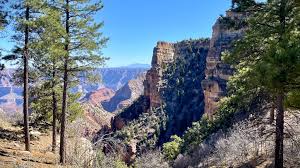
You’ll notice that photos don’t fully capture its scale. Standing at the rim, the canyon feels endless.
Why it’s popular:
- Massive canyon views
- Sunrise and sunset viewpoints
- Rim trails for easy walking
Key details:
- Best time to visit: March–May, September–November
- Entry fee: ~$35 per vehicle (7 days)
- Main area: South Rim (open year-round)
Top activities:
- Rim Trail (easy, scenic)
- Bright Angel Trail (moderate to hard)
- Desert View Drive
Tip:
If you’re visiting for the first time, stick to the South Rim. It has better facilities and easier access.
2. Zion National Park (Utah)
Zion offers towering canyon walls and some of the most exciting hikes in the USA.
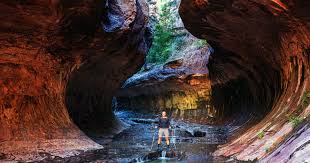
Many visitors say Zion feels more immersive because you’re walking inside the canyon rather than looking at it from above.
Why it’s popular:
- Narrow slot canyons
- Scenic shuttle route
- Iconic hikes
Key details:
- Best time to visit: Spring and fall
- Entry fee: ~$35 per vehicle
- Transport: Shuttle required in peak season
Top hikes:
- Angels Landing (challenging, permit required)
- The Narrows (walk through water)
- Riverside Walk (easy)
Safety note:
Flash floods can occur in The Narrows. Always check weather conditions before entering.
3. Bryce Canyon National Park (Utah)
Bryce Canyon is known for its unique rock formations called hoodoos — tall, thin spires formed by erosion.
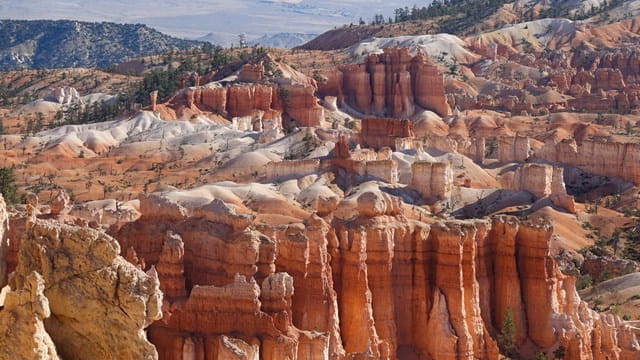
You’ll notice that the landscape looks almost like a natural amphitheater filled with orange and red rock columns.
Why it’s popular:
- Unique geological formations
- Easy viewpoints
- Great for sunrise
Key details:
- Best time to visit: May–October
- Entry fee: ~$35 per vehicle
Top hikes:
- Navajo Loop Trail (moderate)
- Queen’s Garden Trail (easy to moderate)
- Rim Trail (easy)
Tip:
Start early in the morning — the light makes a big difference here.
4. Arches National Park (Utah)
Arches is famous for having over 2,000 natural stone arches.
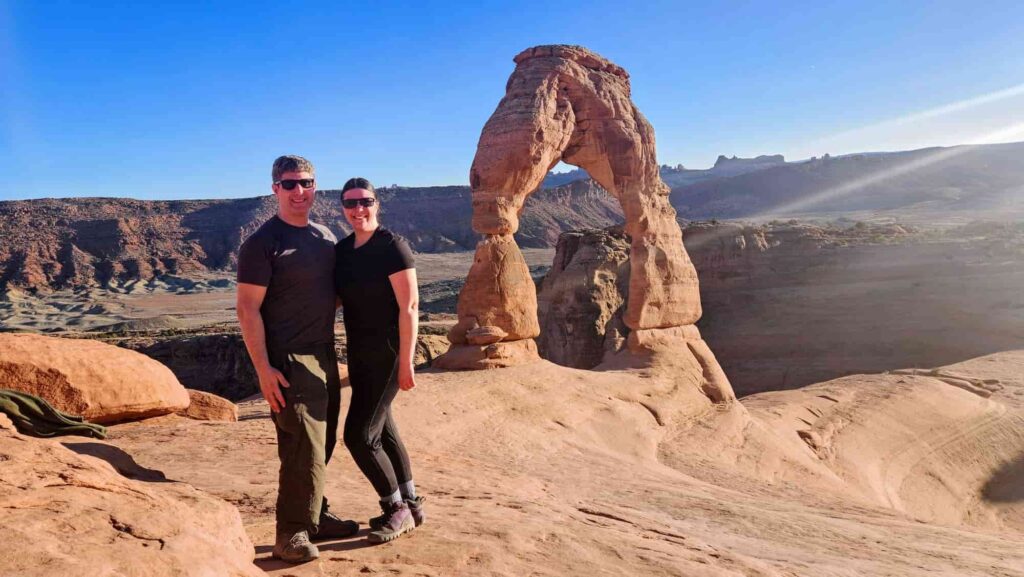
Many visitors say this park is perfect for short hikes with big rewards.
Why it’s popular:
- Iconic rock arches
- Easy-to-access viewpoints
- Great photography spots
Key details:
- Best time to visit: Spring and fall
- Entry fee: ~$30 per vehicle
- Timed entry may be required in peak season
Top hikes:
- Delicate Arch (moderate, 3 miles round trip)
- Landscape Arch (easy)
- Double Arch (short and easy)
What to carry:
- Plenty of water
- Sun protection (very little shade)
5. Canyonlands National Park (Utah)
Canyonlands is less crowded but equally impressive.
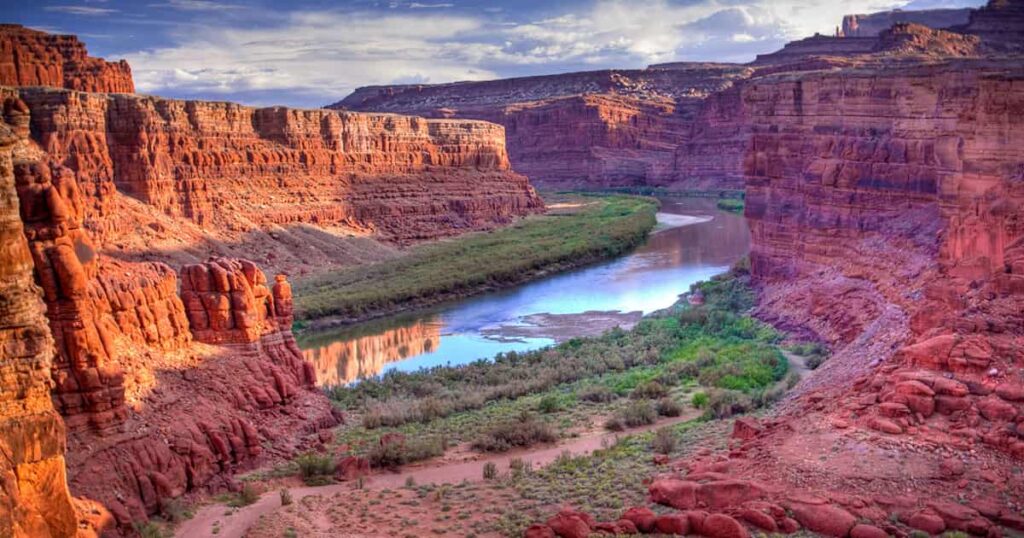
It’s divided into districts, with Island in the Sky being the most accessible.
Why it’s popular:
- Wide canyon views
- Quiet, less crowded experience
- Scenic overlooks
Key details:
- Best time to visit: Spring and fall
- Entry fee: ~$30 per vehicle
Top activities:
- Mesa Arch sunrise
- Grand View Point
- Short scenic trails
Insight:
One thing many people overlook is how peaceful this park feels compared to others nearby.
6. Capitol Reef National Park (Utah)
Capitol Reef is often underrated, but it offers a mix of cliffs, canyons, and historical sites.
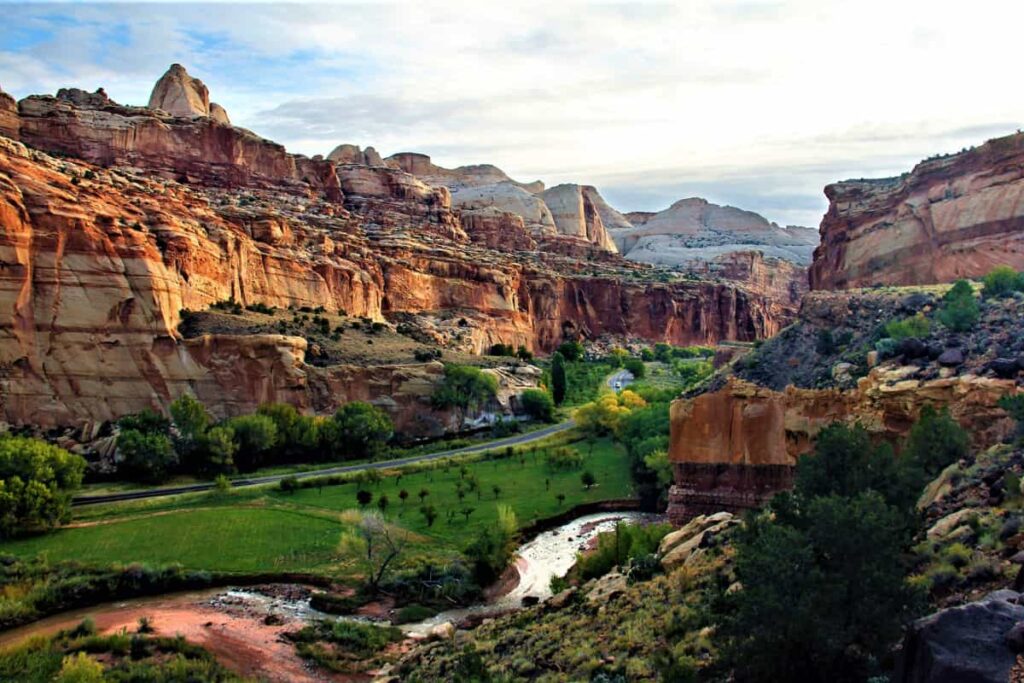
Why it’s popular:
- Less crowded
- Scenic drives
- Historic orchards
Key details:
- Best time to visit: Spring and fall
- Entry fee: Mostly free, small fee for scenic drive
Top activities:
- Scenic Drive
- Hickman Bridge hike
- Fruit picking (seasonal)
Best Time to Visit Southwest Parks
Based on typical weather patterns:
Spring (March–May):
- Comfortable temperatures
- Wildflowers in some areas
Fall (September–November):
- Ideal weather
- Fewer crowds than summer
Summer (June–August):
- Very hot (often above 35°C / 95°F)
- Best for early morning hikes only
Winter (December–February):
- Fewer crowds
- Snow possible in higher elevation parks
Entry Fees & Pass Options
Most parks charge:
- $30–$35 per vehicle (valid for 7 days)
If you plan to visit multiple parks, consider:
- America the Beautiful Pass (~$80/year)
This pass covers entry to all national parks and can save money if you visit 3 or more parks.
Hiking & Activity Guide
Here’s a quick breakdown:
Easy hikes:
- Rim Trail (Grand Canyon)
- Riverside Walk (Zion)
- Landscape Arch (Arches)
Moderate hikes:
- Delicate Arch (Arches)
- Navajo Loop (Bryce Canyon)
Challenging hikes:
- Angels Landing (Zion)
- Bright Angel Trail (Grand Canyon descent)
General hiking tips:
- Start early (especially in summer)
- Carry at least 2–3 liters of water
- Wear proper footwear
Practical Travel Tips
These tips can make a big difference during your trip:
- Book accommodations early (especially near Zion and Grand Canyon)
- Fuel up often — gas stations can be far apart
- Download offline maps (signal is limited)
- Respect park rules — stay on marked trails
⚡ Pro Tips for First-Time Visitors
- Visit popular viewpoints early morning or sunset
- Avoid midday hiking in summer
- Carry snacks — food options are limited inside parks
- Check shuttle systems before arrival
- Plan 2–3 parks per trip instead of rushing all
Many regular visitors say that slowing down and spending more time in fewer parks leads to a better experience.
Read Also: Rocky Mountain National Park Complete Guide for First-Time Visitors
Quick Summary
- Southwest parks are best known for desert landscapes and canyon views
- Top parks include Grand Canyon, Zion, Bryce Canyon, and Arches
- Spring and fall are the best seasons
- Hiking ranges from easy walks to challenging climbs
- Planning ahead is essential for a smooth trip
FAQs
1. Which Southwest national park is best for first-time visitors?
Grand Canyon and Zion are great starting points because they offer easy access and iconic views.
2. How many days do I need for a Southwest road trip?
Ideally, 7–10 days to comfortably visit 3–4 parks.
3. Are Southwest parks suitable for beginners?
Yes, many parks have easy trails and scenic viewpoints that don’t require intense hiking.
4. Do I need permits for hiking?
Some hikes like Angels Landing require permits, but most trails do not.
5. Is it safe to visit during summer?
Yes, but you must plan carefully. Avoid midday heat and stay hydrated.
About the Author
Rubie Rose is a travel writer who focuses on USA national parks, hiking trails, and practical travel planning. She shares easy-to-follow guides to help visitors explore parks safely and confidently.
Conclusion
The Southwest USA is one of the best regions in the country for national park travel. Each park offers something unique — whether it’s the vast scale of the Grand Canyon or the narrow canyon hikes in Zion.
If you’re planning your 2026 trip, focus on timing, preparation, and realistic planning. Don’t try to rush everything. Instead, choose a few parks, explore them properly, and enjoy the experience.
With the right approach, your Southwest national parks trip can easily become one of your most memorable travel experiences.
Also See: Best Hikes in Zion National Park Ranked by Difficulty (2026 Guide)

Rubie Rose is a travel writer who focuses on USA national parks, hiking trails, and practical travel planning. She shares easy-to-follow guides to help visitors explore parks safely and confidently. Her work on parktrailsguide.com is built on deep research, firsthand accounts from park visitors, and a commitment to giving readers information they can actually use on the trail.