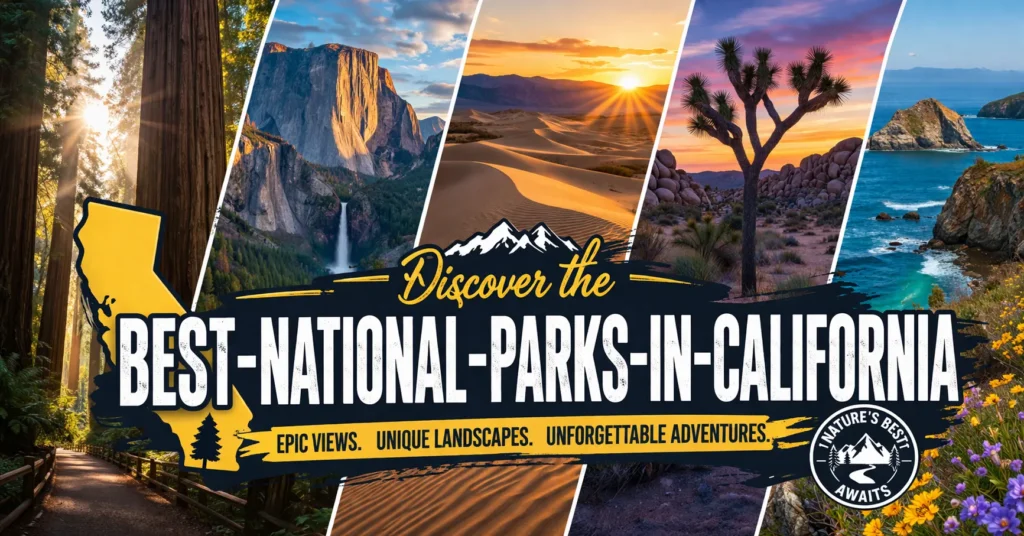
California is home to nine incredible national parks—more than any other U.S. state—offering everything from towering granite cliffs and ancient giant sequoias to otherworldly deserts and remote islands. Whether you’re planning a family road trip, a solo hiking adventure, or a photography getaway, there’s a perfect national park in California for every type of traveler.
In this comprehensive guide, we rank and recommend the best national parks in California tailored to specific traveler preferences. We’ve drawn from visitor experiences, scenic variety, accessibility, and unique features to help you choose. From the iconic Yosemite Valley to the fog-shrouded redwoods of the north, these parks showcase the Golden State’s unmatched natural diversity. Ready to plan your 2026 California national parks itinerary? Let’s dive in.
Why California’s National Parks Are So Special
California has 9 official national parks, more than any other U.S. state. Each park offers a completely different experience:
- Alpine mountains and glaciers
- Coastal cliffs and marine ecosystems
- Giant trees and ancient forests
- Vast deserts and unique geology
This diversity means you can tailor your trip based on your interests—whether it’s hiking, photography, family travel, or adventure.
California’s 9 National Parks: A Quick Overview
California’s national parks span deserts, mountains, forests, and coastlines. Here’s a snapshot:
- Yosemite National Park: Iconic granite domes and waterfalls.
- Sequoia & Kings Canyon National Parks: Home to the world’s largest trees.
- Redwood National Park: Towering coastal redwoods and pristine beaches.
- Death Valley National Park: Extreme landscapes and vast dunes.
- Joshua Tree National Park: Surreal desert with unique trees and boulders.
- Lassen Volcanic National Park: Geothermal wonders and volcanic peaks.
- Channel Islands National Park: Remote islands with marine life.
- Pinnacles National Park: Dramatic rock spires and California condors.
Each park requires an entrance fee (or America the Beautiful Pass), and many need reservations during peak season. Now, let’s rank them by traveler type.
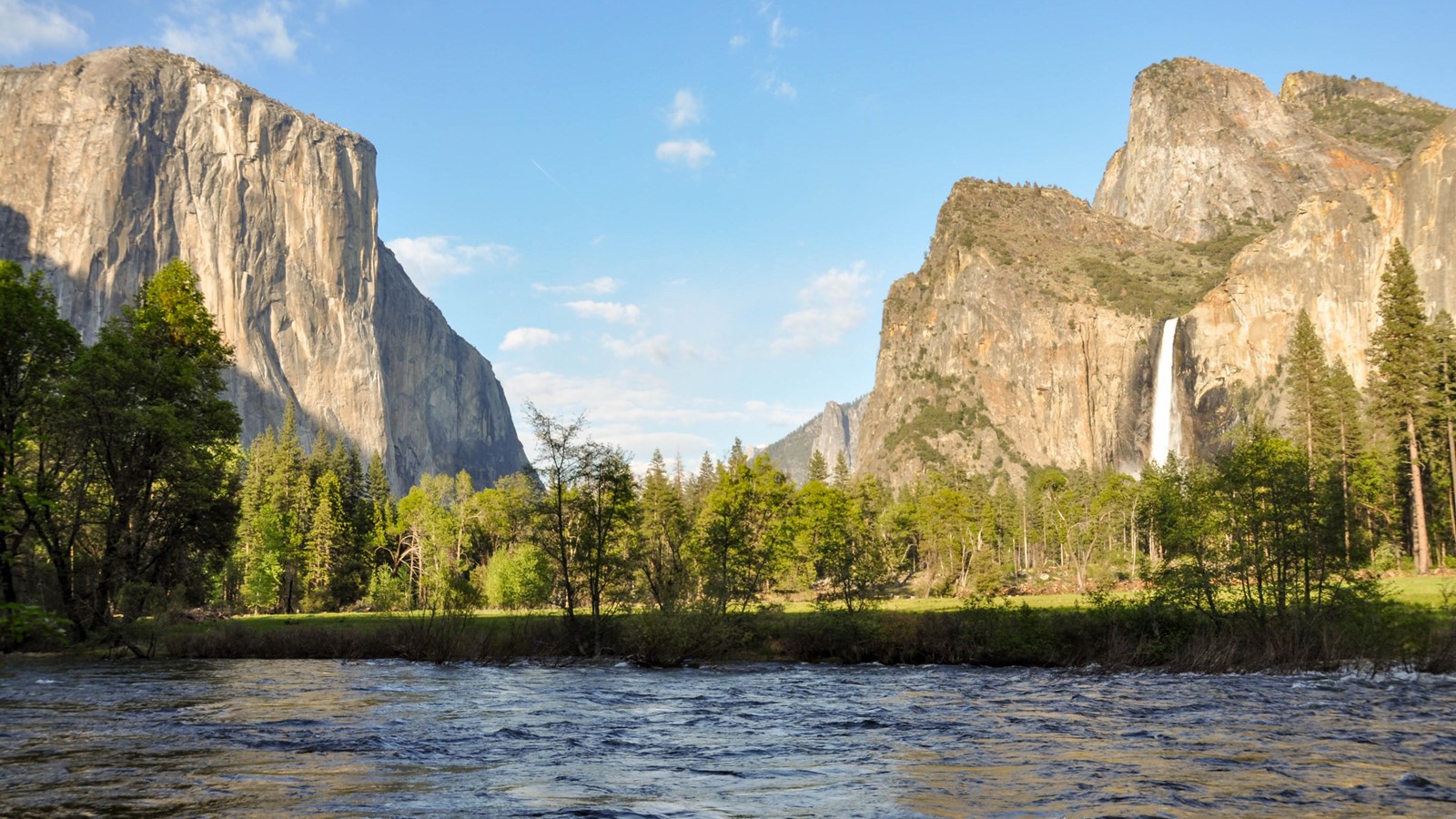
1. Best for Epic Scenery & Adventure Seekers: Yosemite National Park (Top Overall Pick)
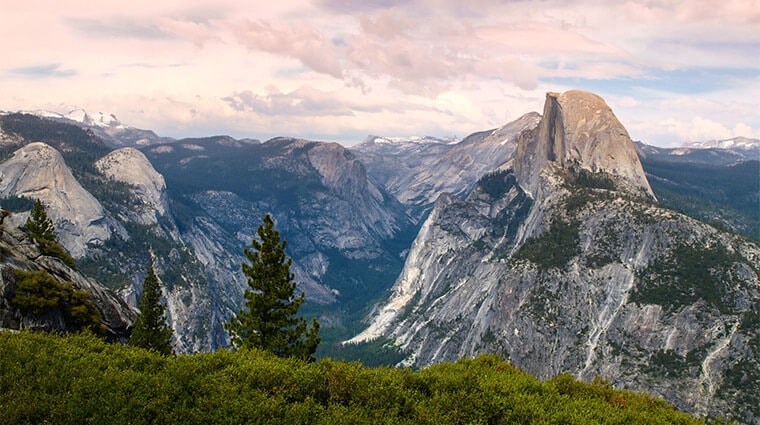
If you crave jaw-dropping vistas and world-class hiking, Yosemite National Park ranks #1 for adventure travelers. Its glacier-carved valley, soaring waterfalls, and granite monoliths like El Capitan and Half Dome define “California national park wow factor.”
Must-do highlights:
- Hike the Mist Trail to Vernal Fall (easy-to-moderate, 3 miles round-trip).
- Tackle Half Dome (permit required, 14-16 miles) for epic views.
- Drive Tioga Road for high-country panoramas in summer.
Yosemite shines in spring (April-June) when waterfalls roar at peak flow. Summer brings crowds but longer days; fall offers fewer people and golden foliage. Winter snow transforms it into a quiet wonderland. With over 4 million annual visitors, book lodging or campsites early via Recreation.gov.
Pro tip for adventurers: Rent e-bikes in the valley or join a guided rock-climbing tour. Yosemite suits fit travelers seeking multi-day backpacking but offers shuttle access for day-trippers. This is the ultimate “best national park in California” for bucket-list scenery.
2. Best for Families & Giant Tree Lovers: Sequoia & Kings Canyon National Parks
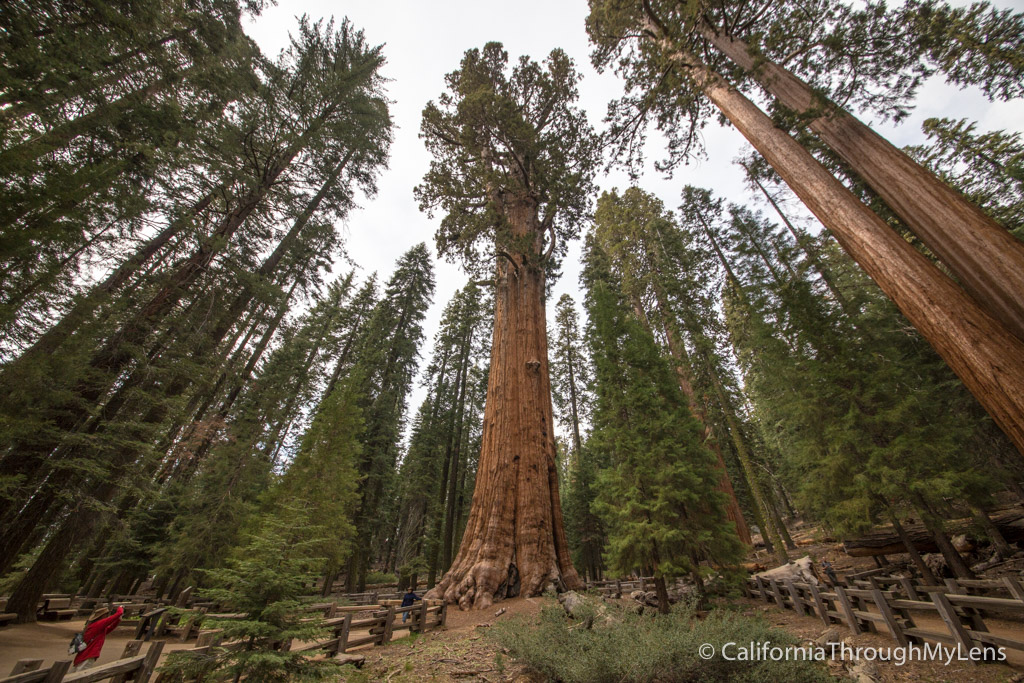
Families and nature enthusiasts rank Sequoia National Park (and adjacent Kings Canyon) as the top choice for accessible wonder and kid-friendly trails. These twin parks protect the planet’s largest trees by volume, including the General Sherman Tree—275 feet tall and over 2,000 years old.
Family-friendly features:
- Easy paved trails like the General Sherman Grove Loop (0.5 miles).
- Crystal Cave tours (seasonal, book ahead).
- Kings Canyon’s Zumwalt Meadow and roaring rivers for picnics.
Visit in summer for warm weather and open roads (Generals Highway connects both parks). Winter snow closes some areas but creates magical scenes. Less crowded than Yosemite, these parks offer a relaxed pace ideal for all ages. Pair them for a 2-3 day trip from Central California.
Sequoia and Kings Canyon deliver that “wow” without extreme hikes, making them perfect for multi-generational trips and one of the best national parks in California for families.
3. Best for Serenity & Towering Forests: Redwood National Park
For travelers seeking peaceful immersion in nature, Redwood National Park (and surrounding state parks) ranks highest. Home to the world’s tallest trees—some over 370 feet—the misty coastal redwood forests feel otherworldly and rejuvenating.
Top experiences:
- Hike the Lady Bird Johnson Grove or Stout Memorial Grove.
- Spot Roosevelt elk and banana slugs along the coast.
- Combine with scenic drives like Newton B. Drury Scenic Parkway.
Best visited in summer or early fall for drier weather; spring brings wildflowers. The park’s northern location means fewer crowds than Yosemite, appealing to solitude seekers and photographers chasing fog-shrouded canopies.
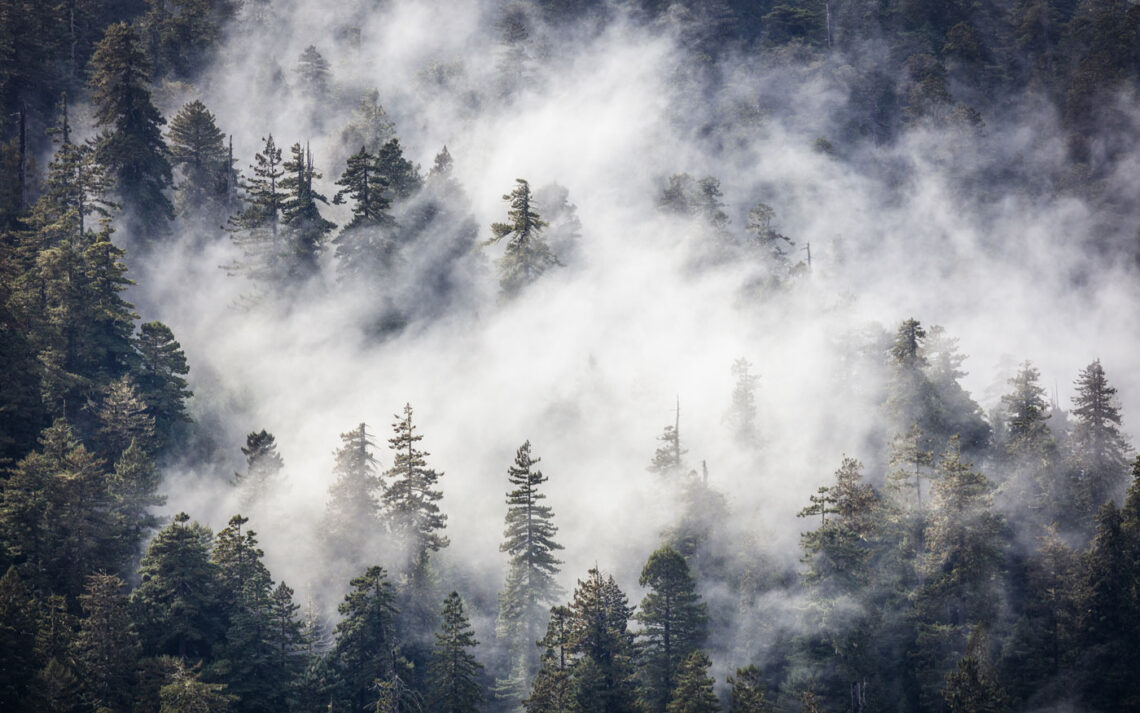
This park excels for mindful travelers, couples, and anyone craving the ultimate forest bathing experience among California’s ancient giants.
4. Best for Extreme Landscapes & Desert Adventurers: Death Valley National Park
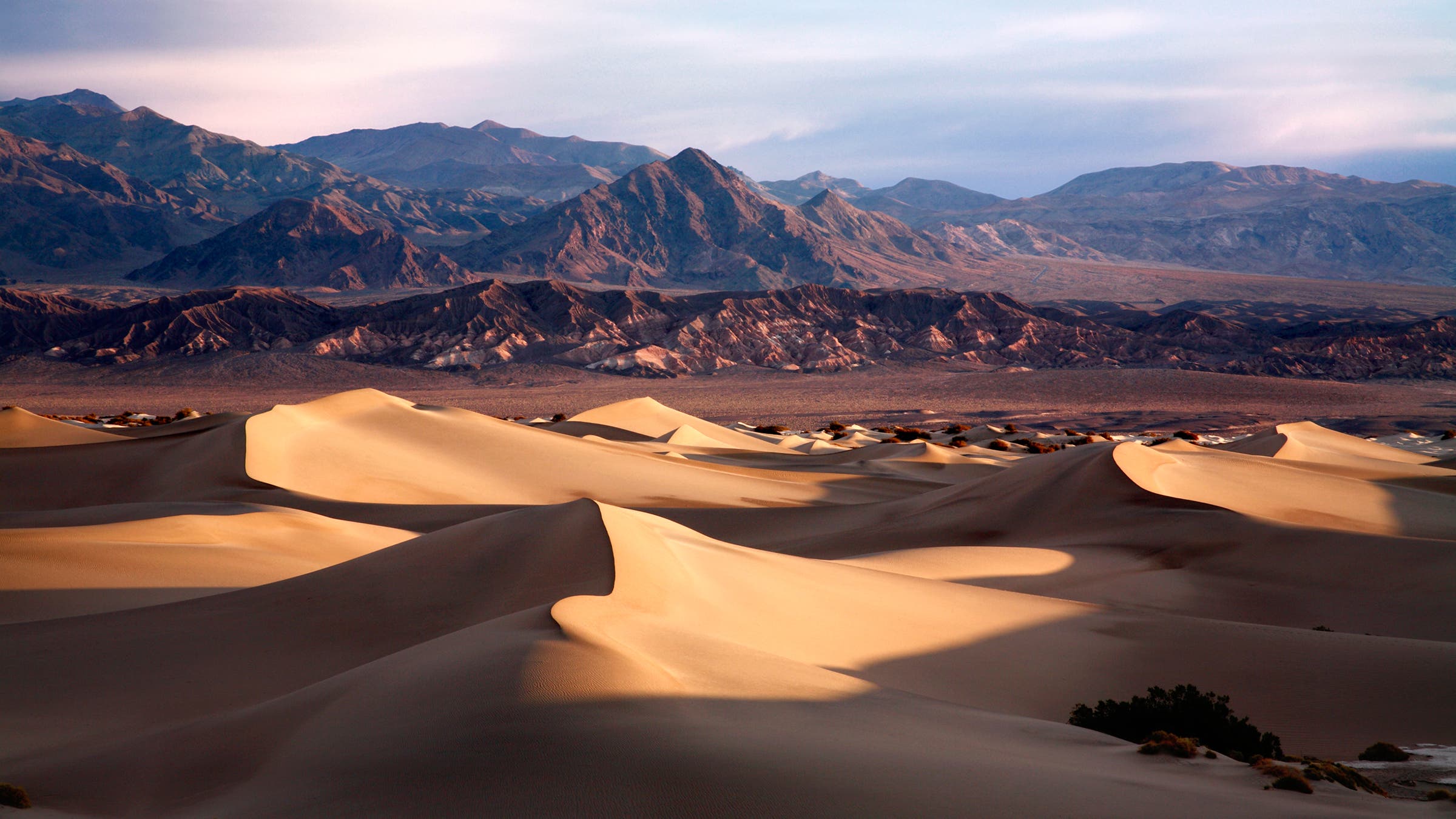
Death Valley National Park dominates for thrill-seekers who love stark, otherworldly beauty. As the hottest and driest place in North America, it features salt flats, sand dunes, and colorful badlands.
Signature spots:
- Hike Mesquite Flat Sand Dunes at sunrise.
- Visit Badwater Basin (lowest point in North America).
- Drive Artist’s Drive for rainbow-colored canyons.
Winter (November-March) is ideal—daytime highs hover in the 70s°F, avoiding lethal summer heat (often 120°F+). It’s one of the best national parks in California for road-trippers and stargazers, with some of the darkest skies in the U.S.
5. Best for Unique Vibes & Rock Climbing: Joshua Tree National Park
Joshua Tree National Park ranks #1 for desert dreamers and climbers. Its twisted Joshua trees, massive boulders, and Mojave-Colorado desert meeting point create a surreal playground.
Highlights:
- Climb or scramble at Hidden Valley.
- Hike Barker Dam or Ryan Mountain for panoramas.
- Stargaze—Joshua Tree is an International Dark Sky Park.
Spring wildflower blooms (March-April) and fall (October-November) are prime. It’s highly accessible from Los Angeles or Palm Springs, making it perfect for weekend getaways and one of the most Instagram-worthy California national parks.

6. Best for Volcanic Wonders & Fewer Crowds: Lassen Volcanic National Park
Underrated Lassen Volcanic National Park is ideal for geothermal enthusiasts and off-the-beaten-path explorers. It features all four volcano types, bubbling mud pots, and Lassen Peak.
Don’t miss:
- Bumpass Hell Trail (hydrothermal area).
- Manzanita Lake for kayaking and views.
- Summit Lassen Peak (moderate 5-mile hike).
Summer offers full access; snow lingers into June. With far fewer visitors than Yosemite, it’s perfect for peaceful hikes and photography.

7. Best for Remote Islands & Marine Adventures: Channel Islands National Park
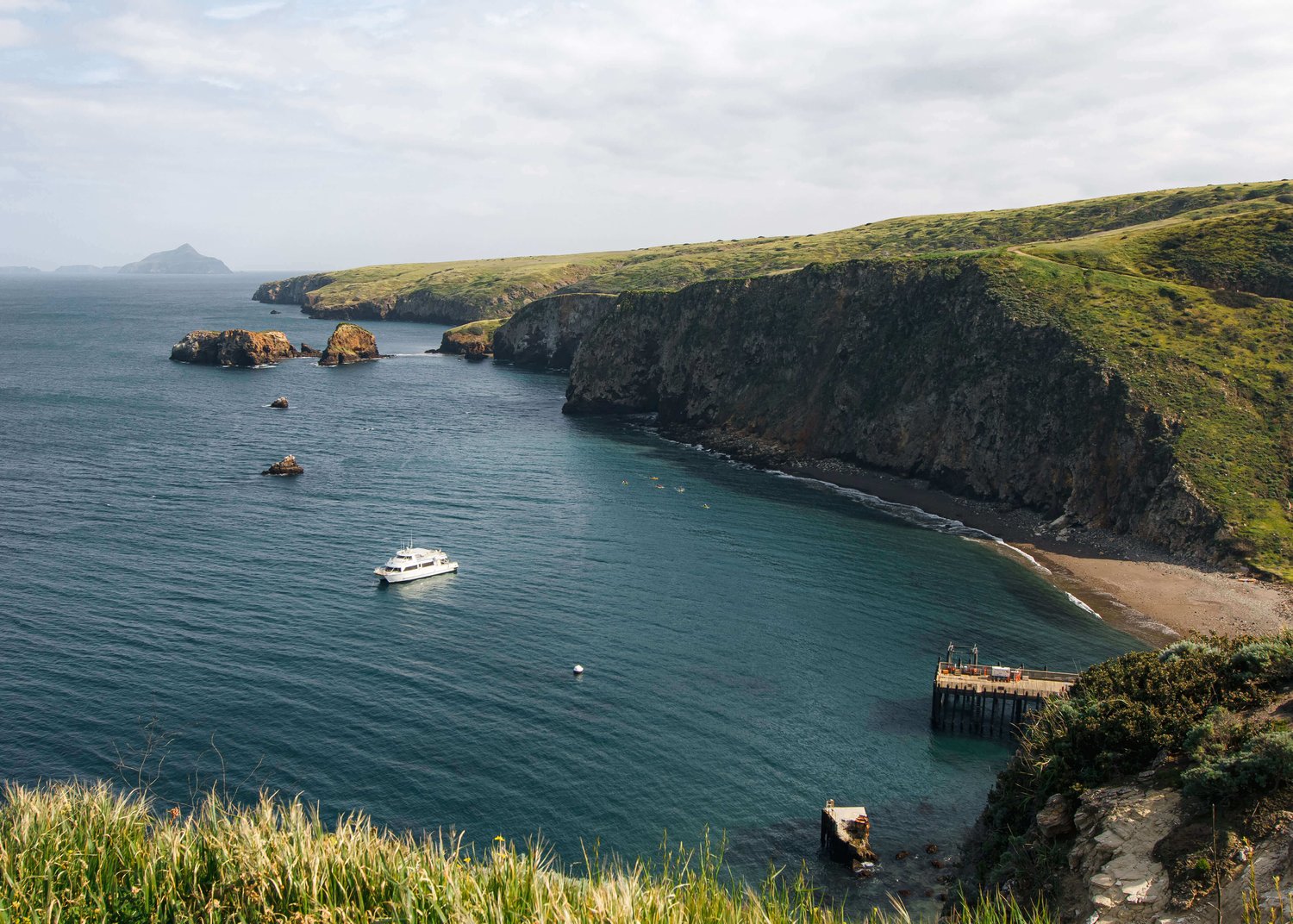
For water lovers and solitude seekers, Channel Islands National Park is unmatched. Often called the “Galápagos of California,” these five islands offer kayaking, hiking, and wildlife viewing without crowds.
Key activities:
- Boat or kayak to see seals, dolphins, and foxes.
- Hike the Potato Harbor Trail on Santa Cruz Island.
- Camp under star-filled skies.
Access is by boat or plane from Ventura or Santa Barbara—plan ahead. Spring and fall avoid rough seas. This is the top pick for eco-travelers seeking untouched wilderness.
8. Best for Rock Formations & Condor Spotting: Pinnacles National Park
Pinnacles National Park shines for climbers and birdwatchers. Its volcanic spires, caves, and endangered California condors make it a hidden gem near San Francisco.
Highlights:
- Explore talus caves with headlamps.
- Hike the High Peaks Trail.
- Spot condors soaring overhead.
Best in spring for wildflowers or fall for mild temps. It’s small and manageable in one day but rewards repeat visits.

Quick Ranking by Travel Style
| Travel Type | Best Park |
|---|---|
| First-Time Visitors | Yosemite National Park |
| Families | Sequoia & Kings Canyon |
| Adventure Seekers | Death Valley |
| Coastal Lovers | Channel Islands |
| Unique Landscapes | Lassen Volcanic |
| Photography | Joshua Tree |
| Forest Lovers | Redwood Parks |
| Quiet Escapes | Pinnacles |
Best Time to Visit California National Parks
- Spring (March–May): Waterfalls in Yosemite, mild weather
- Summer (June–August): Best for high-elevation parks
- Fall (Sept–Nov): Fewer crowds, great weather
- Winter (Dec–Feb): Ideal for Death Valley & Joshua Tree
Travel Tips for 2026
- Book accommodations early—especially for Yosemite
- Start your day early to avoid crowds
- Carry plenty of water, especially in desert parks
- Check park alerts before visiting
Final Thoughts
California’s national parks offer something for every type of traveler—from iconic bucket-list destinations to underrated hidden gems.
If you’re planning your first trip, start with Yosemite. If you want something quieter, explore Lassen or Pinnacles. And if you’re chasing unique landscapes, Death Valley and Joshua Tree won’t disappoint.
No matter which park you choose, you’ll experience some of the most incredible natural beauty in the world.
FAQs
1. How many national parks are in California?
California has 9 national parks—the most in any U.S. state.
2. Which is the most visited national park in California?
Yosemite National Park is the most popular and visited.
3. What is the best park for first-time visitors?
Yosemite offers the most iconic and accessible experience.
4. Which park is least crowded?
Lassen Volcanic and Pinnacles are typically less crowded.
Read Also This: Best National Parks in the Southwest USA (Complete Visitor Guide 2026)

Rubie Rose is a travel writer who focuses on USA national parks, hiking trails, and practical travel planning. She shares easy-to-follow guides to help visitors explore parks safely and confidently. Her work on parktrailsguide.com is built on deep research, firsthand accounts from park visitors, and a commitment to giving readers information they can actually use on the trail.