
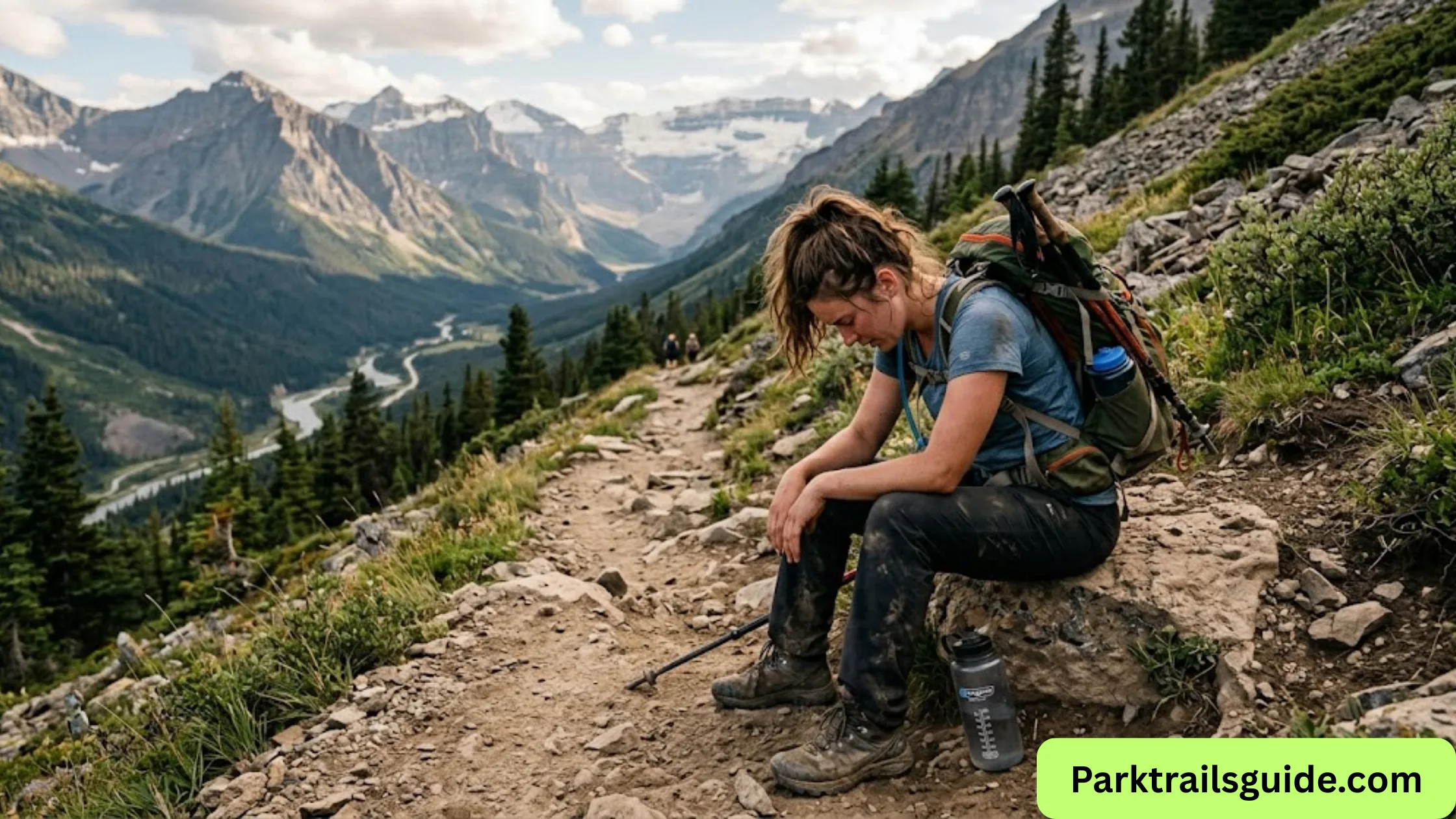
Hiking in a national park can be an amazing experience. You get beautiful views, fresh air, wildlife sightings, and peaceful nature all around you. But sometimes things do not go as planned. You may become too tired, lost, injured, dehydrated, or trapped by bad weather before finishing the hike.
Many visitors search online asking questions like:
- What should I do if I cannot finish a hike?
- Can rangers rescue hikers?
- Who do you call if stuck on a trail?
- What happens if you get lost in a national park?
- Can you stay overnight on a trail?
- What should you carry during a hike?
This detailed guide answers all those questions in simple and easy language so you know exactly what to do during a hiking emergency.
Why Some Hikers Cannot Finish a Trail
Even experienced hikers sometimes fail to complete a hike. National parks can have difficult terrain, changing weather, and long walking distances.
Here are the most common reasons:
1. Physical Exhaustion
Many people underestimate how difficult hiking can be. Long trails, steep climbs, heat, and carrying backpacks can quickly drain your energy.
Signs of exhaustion include:
- Heavy breathing
- Leg cramps
- Dizziness
- Weakness
- Trouble walking
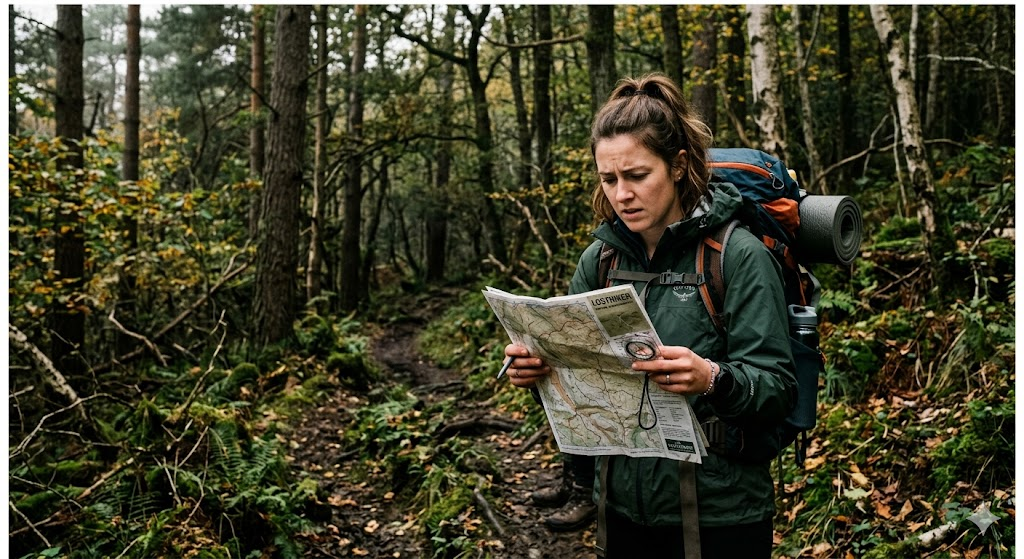
2. Getting Lost
It is easier to lose the trail than most visitors think. Missing a trail sign or taking the wrong turn can lead you far away from the main path.
This usually happens when:
- Trails are poorly marked
- Hiking after sunset
- Using unofficial shortcuts
- Ignoring trail maps
3. Injury During the Hike
Small injuries can become serious in remote areas.
Common hiking injuries include:
- Twisted ankles
- Knee pain
- Falls
- Cuts and bruises
- Heatstroke
- Blisters
4. Sudden Weather Changes
Weather in national parks can change very fast.
Problems may include:
- Heavy rain
- Snow
- Thunderstorms
- Fog
- Extreme heat
- Flash floods
Bad weather can make trails slippery and dangerous.
5. Wildlife Encounters
Some hikers panic after seeing wild animals such as:
- Bears
- Snakes
- Mountain lions
- Wild boars
Most animals avoid humans, but fear can make hikers leave the trail or become confused.
What to Do Immediately If You Cannot Finish a Hike
Staying calm is the most important thing. Panic makes situations worse.
Follow these steps carefully.
1. Stop and Stay Calm
Do not continue walking randomly. Sit down, breathe slowly, and think clearly.
Many lost hikers become harder to find because they keep moving without direction.
2. Check Your Physical Condition
Ask yourself:
- Are you injured?
- Are you dehydrated?
- Can you walk safely?
- Is someone else in your group hurt?
Drink water and eat small snacks to regain energy.
3. Use Your Phone Carefully
If you have signal:
- Call park rangers
- Contact emergency services
- Share your GPS location
- Inform family members
Save battery by:
- Lowering screen brightness
- Turning on battery saver
- Avoiding unnecessary apps
4. Stay on the Main Trail
If possible, remain near the official trail.
Rescue teams usually search:
- Main hiking routes
- Trailheads
- Campsites
- Water sources
Leaving the trail makes rescue much harder.
5. Find Safe Shelter if Needed
If darkness or dangerous weather arrives, find a safe location.
Look for:
- Dry ground
- Protected areas away from cliffs
- Safe distance from rivers
- Natural cover from rain or wind
Avoid sleeping directly under unstable rocks or trees.
Who Should You Call If You Are Stuck in a National Park?
This is one of the most searched hiking emergency questions online.
Call Park Rangers First
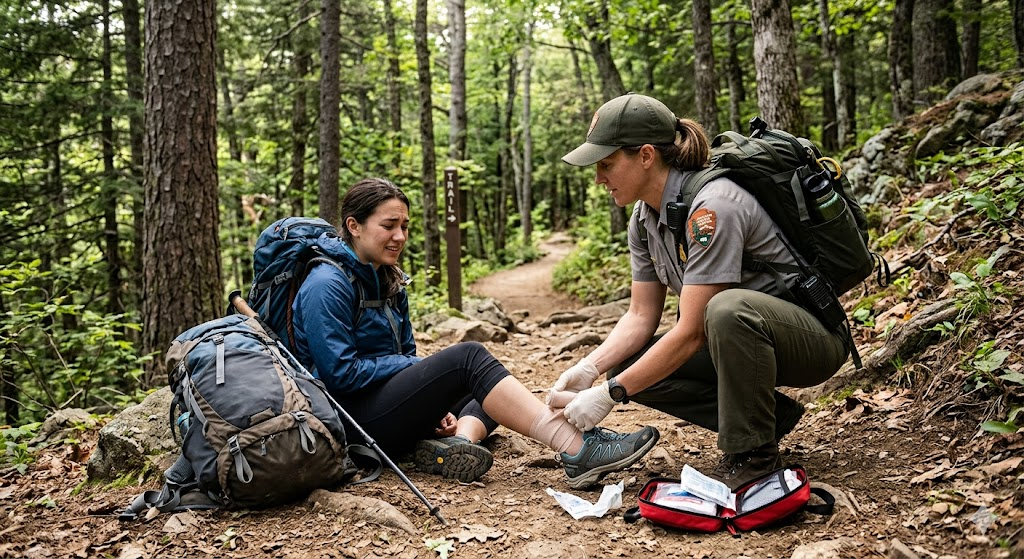
National park rangers are trained for:
- Search and rescue
- Medical emergencies
- Wildlife situations
- Lost hikers
Most parks have emergency numbers posted at:
- Visitor centers
- Trailheads
- Campgrounds
- Official park maps
Call Emergency Services (911 in the USA)
If the situation is serious, call emergency services immediately.
Examples include:
- Broken bones
- Severe bleeding
- Missing person
- Heart problems
- Dangerous weather exposure
Provide:
- Your name
- Park name
- Trail name
- GPS coordinates if possible
- Number of people with you
Use Emergency SOS Features
Modern smartphones often include emergency satellite or SOS systems.
Some devices can contact rescue services even without regular mobile signal.
Examples include:
- iPhone Emergency SOS via Satellite
- Garmin inReach devices
- Satellite communicators
These tools are extremely useful in remote hiking areas.
What Happens After You Call for Help?
Many visitors wonder how national park rescue operations work.
Rangers Will Try to Locate You
They may ask:
- What trail you started from
- Your last known location
- Clothing colors
- Water and food supplies
- Health conditions
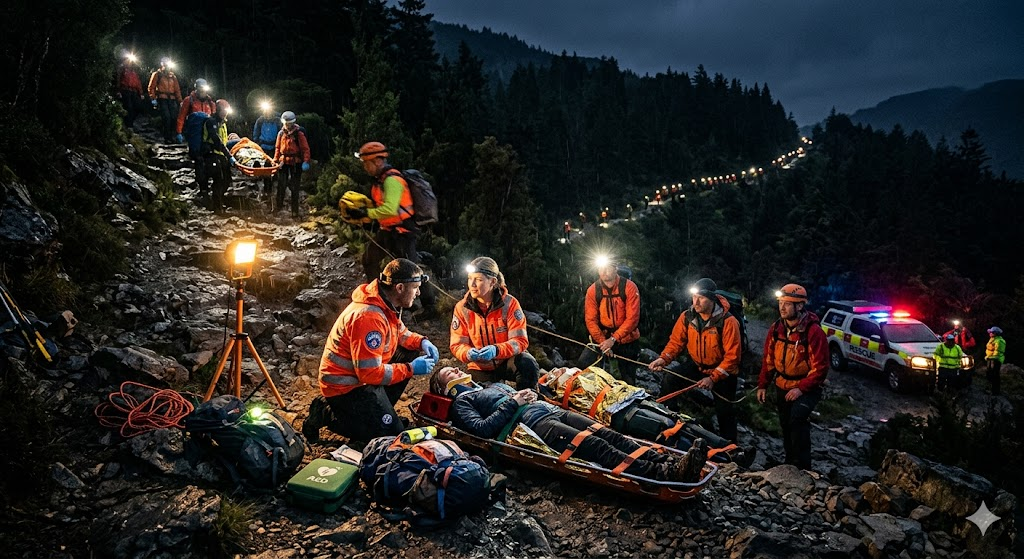
Search and Rescue Teams May Be Sent
Depending on the emergency, rescue teams may include:
- Park rangers
- Medical staff
- Volunteer rescue groups
- Helicopters
- Search dogs
You May Need to Stay in Place
Rescuers often tell hikers to remain where they are.
This helps rescue teams find you faster and reduces risk.
What If You Have No Phone Signal?
Many national parks have weak or no mobile coverage.
Here is what you should do.
Stay Visible
Use bright clothing or reflective items.
You can also:
- Blow a whistle
- Use a flashlight
- Create visible ground signals
Three whistle blasts are often used as a distress signal.
Conserve Energy
Avoid unnecessary walking.
Save your strength for survival and possible rescue movement later.
Look for Higher Ground Carefully
Sometimes higher areas provide better phone signal.
But do not risk climbing dangerous cliffs or unstable terrain.
Can You Stay Overnight on a Trail?
Sometimes hikers cannot return before sunset.
In emergencies, staying overnight may become necessary.
Important Safety Tips
If stranded overnight:
- Stay warm
- Keep dry
- Avoid wandering in darkness
- Use extra clothing layers
- Share body heat in groups if very cold
Do Not Continue Hiking Blindly at Night
Many hiking accidents happen after dark.
Trails become difficult to see, and falls are more likely.
Unless you know the trail very well, it is usually safer to wait until daylight.
What Should You Carry on Every National Park Hike?
Preparation prevents most hiking emergencies.
Essential Hiking Items
Always carry:
- Water
- Snacks
- Map
- Fully charged phone
- Power bank
- Flashlight
- First-aid kit
- Extra clothing
- Whistle
- Rain jacket
The 10 Essentials for Hiking Safety
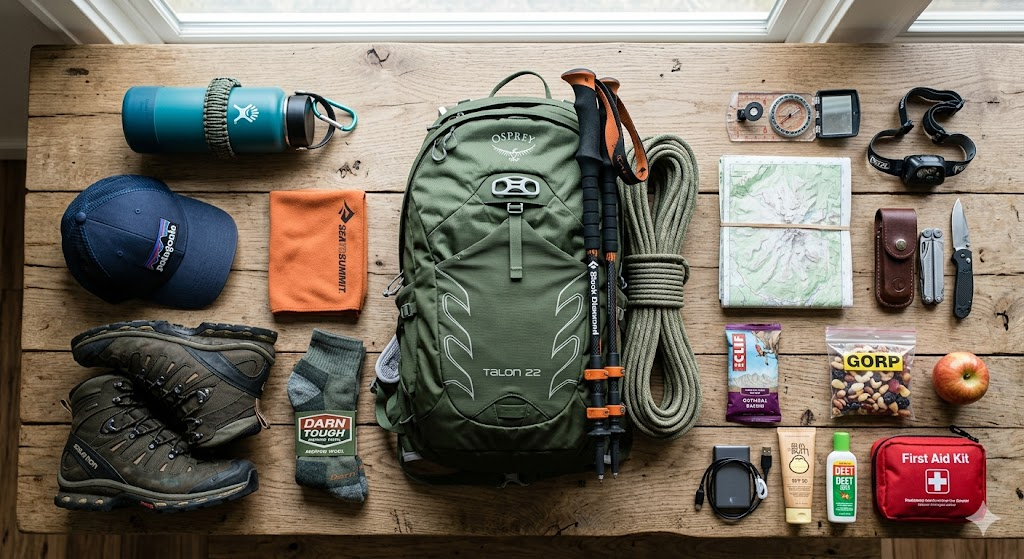
Many hiking experts recommend these items:
- Navigation tools
- Sun protection
- Extra clothing
- Flashlight or headlamp
- First-aid kit
- Fire starter
- Repair tools
- Extra food
- Extra water
- Emergency shelter
These simple items can save lives.
How to Avoid Hiking Emergencies
Start Early
Begin hikes in the morning so you have enough daylight.
Check Weather Before the Hike
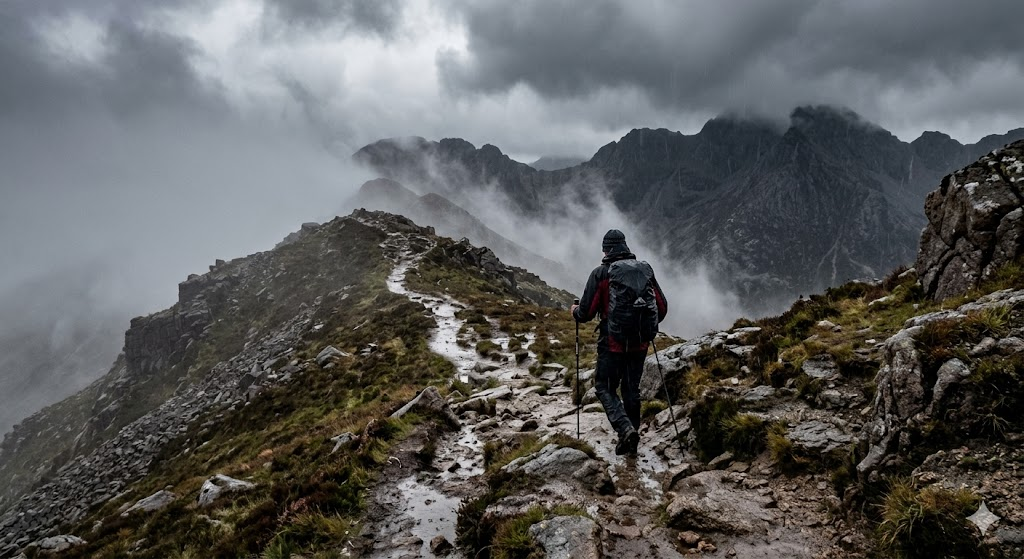
Never ignore weather warnings.
Avoid hiking during:
- Storms
- Extreme heat
- Heavy snowfall
- Flood warnings
Tell Someone Your Plans
Always share:
- Trail name
- Start time
- Expected return time
This helps rescuers if you go missing.
Know Your Fitness Level
Choose trails that match your experience and health condition.
Do not attempt difficult hikes without preparation.
Stay Hydrated
Dehydration is one of the biggest hiking problems.
Drink water regularly even if you do not feel thirsty.
What Happens If You Get Officially Lost in a National Park?
If you are reported missing:
- Rangers begin search operations
- Trails and nearby areas are checked
- Rescue teams use GPS and maps
- Helicopters may assist
In some parks, search operations can continue for days depending on weather and terrain.
Are National Park Rescues Free?
This depends on the country and location.
In many US national parks:
- Rescue itself is often free
- Medical transport may cost money
- Helicopter evacuation can be expensive in some situations
Travel insurance or outdoor insurance may help cover costs.
Can You Be Fined for Unsafe Hiking?
Sometimes yes.
You may face penalties if you:
- Ignore park closures
- Enter restricted areas
- Hike without permits where required
- Break safety rules intentionally
Always follow official park regulations.
Best Safety Tips for Beginner Hikers
If you are new to hiking, remember these simple tips:
- Never hike alone on difficult trails
- Carry more water than you think you need
- Wear proper hiking shoes
- Keep checking trail markers
- Turn back if conditions become dangerous
- Do not push yourself too hard
There is no shame in stopping a hike early.
Frequently Asked Questions
What should I do if I cannot finish a hike?
Stop, stay calm, assess your condition, conserve energy, and contact park rangers or emergency services if needed.
Who rescues lost hikers in national parks?
Park rangers and search-and-rescue teams usually handle hiking emergencies.
Can park rangers track your phone?
Sometimes emergency responders can use phone data or GPS information, but this depends on signal availability and emergency systems.
Is it safe to hike after sunset?
Hiking at night is more dangerous because trails become difficult to see and accidents are more likely.
What is the most common hiking emergency?
Dehydration, exhaustion, getting lost, and ankle injuries are among the most common problems.
Not finishing a national park hike is more common than many people think. Weather changes, exhaustion, injuries, and navigation mistakes can happen to anyone.
The most important things are:
- Stay calm
- Stay safe
- Do not panic
- Contact help when needed
- Prepare properly before every hike
Good planning and smart decisions can prevent most hiking emergencies and help you enjoy nature safely.
Read Also: Solo Hiking in the USA: Safety Tips, Best Trails & Trip Planning Checklist

Rubie Rose is the founder of Park Trails Guide. As a USA resident and nature lover, she is dedicated to creating helpful national park guides using official sources and real visitor experiences. Her mission is to make planning trips to places like Yosemite, Grand Canyon, and Zion easier for families, beginners, and travelers.