
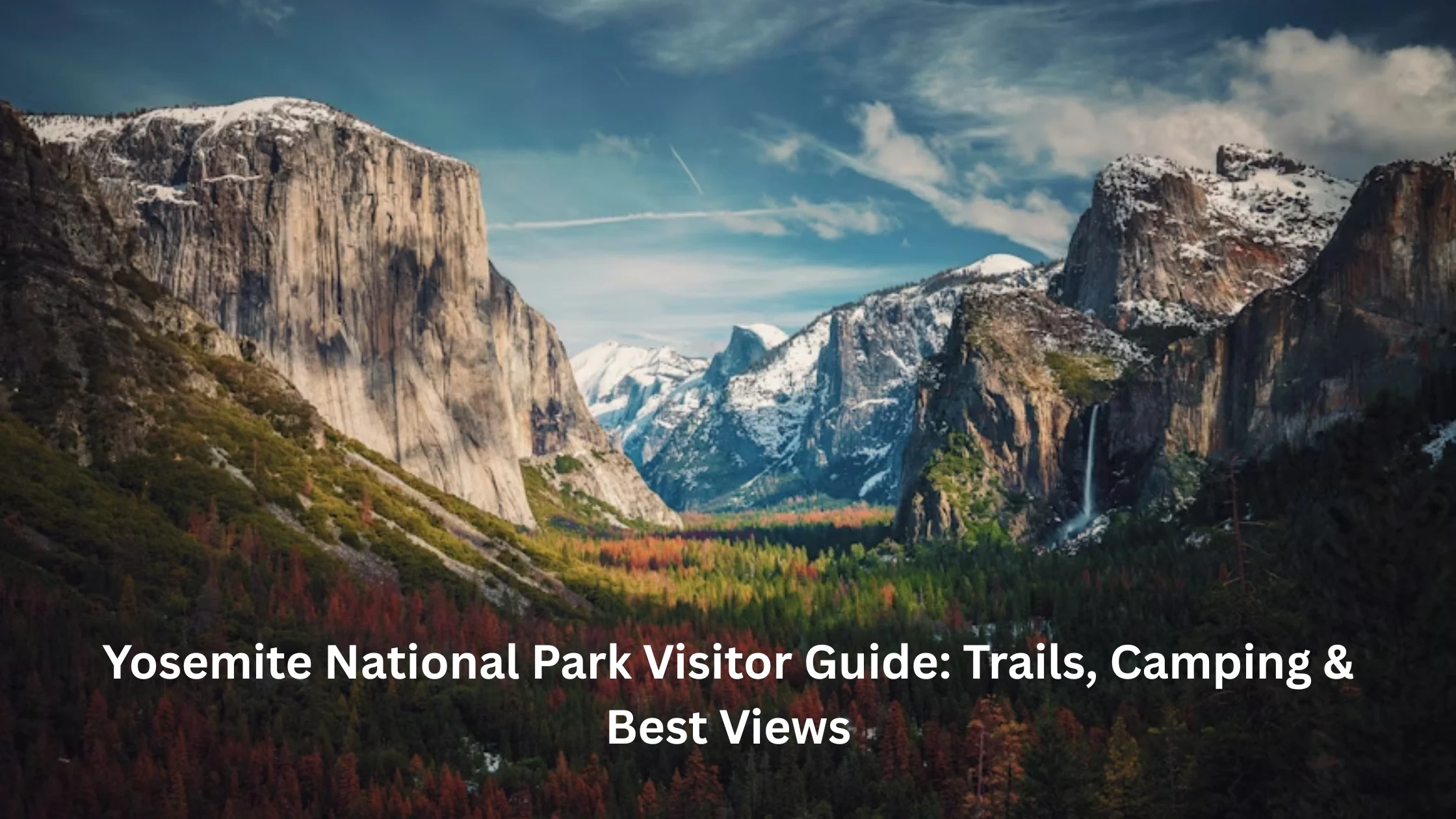
So you’ve decided to “get in touch with nature.” Brave. And trendy, honestly. Yosemite National Park — 1,200 square miles of rock, waterfalls, and regret — is where people go to pretend they’re chill and spiritual while secretly Googling “nearest coffee shop.” It’s America’s granite cathedral, Instagram paradise, and the nearest thing we have to therapy without a copay. If fresh air, questionable camping hygiene, and sweeping vistas sound like your vibe, welcome. This [Guide] will tell you everything you need to know, minus the sugarcoating. Because hiking here? It’s equal parts magic and mild trauma.

Section One: So…What Even Is Yosemite and Why Are People Obsessed?
Before you start packing overpriced hiking gear, let’s talk about Yosemite’s power flex. Located in California’s Sierra Nevada, it’s the Beyoncé of national parks. Waterfalls taller than your attention span, sequoias older than your student loan debt, and sunsets that make your phone camera sob.
Yosemite’s been iconic since forever. John Muir wrote poetry about it, Ansel Adams photographed it, and now every influencer filters it into oblivion. It’s a UNESCO World Heritage site — translation: nature’s red carpet.
Fun fact nobody asked for: Yosemite was established as a national park in 1890, mainly because humans kept showing up and saying, “Wow,” followed by, “Let’s not ruin this.”
Bold truth: Yosemite doesn’t care about your Lululemon vibe or Fitbit goals. It’s nature in full diva mode — awe-inspiring, moody, dangerous, and occasionally inconvenient.
You’ll find towering cliffs (hi, El Capitan), lush valleys, and trails that oscillate between spiritual awakening and leg-day hell. No matter how fit you think you are, Yosemite’s granite doesn’t care.
Rhetorical question: Why visit? Because it’s one of those places where complaining feels worth it.
Section Two: Yosemite Trails — Aka the Stairway to Regret and Revelation
Okay, hiker. Whether you’re “active” or “moderately allergic to walking,” Yosemite’s trails range from cute strolls to existential crises in motion. This [Guide] breaks it down:
Mist Trail
Rainbows, waterfalls, and slippery stone stairs that look innocent until they make you question gravity. It leads to Vernal and Nevada Falls — both dramatic, wet, and selfie-friendly. Perfect for when you want your photos to scream, “I’m athletic and damp.”
Half Dome Trail
So you think you’re brave? This is the Himalaya starter pack. A 16-mile roundtrip up cables that’ll make your soul exit your body. Permit required, fear guaranteed. Every step is cardio and therapy combined.
Yosemite Falls Trail
The classic. Seven miles of steep vertical progress and pain, but at the top, you see North America’s tallest waterfall. It’s majestic enough to justify the sweat. Maybe.
Mirror Lake Trail
Perfect for when you just want to chill. It’s basically Yosemite’s answer to a spa walk. Flat terrain, reflective water, and space for pondering why you thought camping was a vacation.
Four-Mile Trail
Spoiler: it’s longer than four miles. A relentless ascent to Glacier Point that’ll make you feel superior and dehydrated at once.
Bold reality: Every trail looks “easy” on paper. Then your calves start writing protest letters.
Pack water. Not the emotional kind. Real hydration matters when you’re ascending terrain that mocks your gym membership.
Trail tip: Start early. Like “why am I awake before sunrise” early. Yosemite mornings are pure poetry until the crowds arrive and someone blocks your photo with a GoPro.
Section Three: Camping — How to Sleep Outside Without Crying
You’re not really doing Yosemite until you’ve camped. Or at least pretended to. There are over a dozen campsites ranging from peaceful forest hideouts to crowded human zoos, depending on your luck and tolerance for snoring strangers.
Upper Pines Campground
Near all the iconic spots — waterfalls, trails, and noise. Great for beginners who want easy access to civilization and bathroom privileges.
Tuolumne Meadows
Yosemite’s high-altitude secret. Think alpine lakes and stellar views — plus thin air that ruins your confidence. It’s open during summer only, so plan before you disappoint yourself.
North Pines and Lower Pines
Same valley energy, lots of families, less peace and quiet. Crowds get intense mid-season, so book early unless you love chaos.
Wawona Campground
Close to the park’s south entrance and Mariposa Grove’s legendary trees. A chill spot for forest fans who prefer “less iconic, more hammock.”
Camping rule of thumb: Respect the wildlife (they existed first), keep food locked, and don’t be that person leaving protein bar wrappers around. Bears will judge you.
This [Guide] reminds you: Yosemite’s campsites are booked months in advance. If you wait, you’ll end up sleeping in your car, calling it “adventure living.”
Side note: Bringing a camper van? Cool. Until you realize you forgot to charge all your devices and you’re suddenly Edward Scissorhands in the dark.
Section Four: Views that Ruin Reality Forever
Even cynics cry here. Yosemite’s views hit hard — like nature personally flexing on your city life.
Glacier Point: Imagine standing 7,214 feet up, staring at Half Dome like it’s God’s rock star moment. Sunset here feels illegal—it’s that beautiful.
Tunnel View: The postcard shot. El Capitan, Bridalveil Fall, Half Dome — all visible in one glorious frame. Even people who “don’t do hiking” stop here and pretend it’s their favorite place.
Taft Point: This one’s photo gold with vertigo risk included. Just don’t get cocky near the ledge. Influencers take alarming risks for likes—don’t join that club.
Sentinel Dome: Climb up for a 360-degree view that slaps. It’s Yosemite condensed into one dramatic panorama.
Mariposa Grove: Tall, quiet, ancient. You’ll feel small. It’s exactly the humility your ego needed after parking your Subaru in selfie mode.

Rhetorical moment: Will it change you? Maybe. Or maybe you’ll just get heatstroke. Either way, the pictures will look divine.
Bold observation: Yosemite doesn’t need filters. It filters you — strips away vanity, comfort, and self-delusion until all that’s left is “wow.”
Section Five: Survival Tips for Clueless Explorers
You want wisdom? Here it is. These [Guide] essentials protect your sanity, ego, and possibly bones.
- Hydrate obsessively. Mountain dehydration creeps up faster than burnout after holiday season.
- Invest in trail shoes. Flip-flops are not rebellion—they’re stupidity.
- Bring layers. Yosemite’s weather has commitment issues. Cold at dawn, fiery by noon, dramatic by dusk.
- Start at sunrise. Nature looks better when tourists are unconscious.
- Carry snacks. Hunger turns you mean, and squirrels don’t share.
- Respect rangers. They’ve seen it all—like that guy who tried climbing El Capitan in Crocs.
- Plan ahead. Park entry reservations often sell out faster than concert tickets.
Practical truth: Yosemite rewards effort and punishes laziness. You can’t half-ass exploration here—it notices.
Bears wander, cliffs tempt, and trails laugh at those who underestimate distance. So yes, double-check maps and pretend you’re in control.
You’ll survive fine if you accept two realities: sunscreen is your religion, and your car smells like trail mix forever.
Section Six: The Yosemite Aftermath
You thought you’d just hike, snap, sleep, and leave? Nope. Yosemite latches onto your brain — turns “I should get back to work” into “maybe I’ll move to a cabin and commune with moss.”
When you emerge from the park, dust-covered and sunburned, you’ll feel different. Briefly inspired. Distinctly broke. Emotionally reborn. Laundry will seem trivial after climbing past waterfalls screaming your own name.
Of course, you’ll tell yourself, “I’m doing this again.” You won’t — not until next summer’s existential crisis hits. But hey, it’s nice pretending.
Bold truth: Yosemite doesn’t “heal” you—it exposes you. You realize your problems are tiny compared to ancient granite. And somehow that helps.
This [Guide] swears every tedious step, every sore muscle, every overpriced granola pack was worth it. You went, you saw, you complained—and you loved it anyway.
Final Thought: Congrats, You’re Now 75% Dirt and 25% Enlightenment
If you’ve made it to the end—wow. Either you genuinely care about Yosemite or you’re procrastinating laundry. Either way, proud of you.
Yosemite is colossal, humbling, and just chaotic enough to make life feel fresh again. It doesn’t care who you are—it just dares you to show up.
So go. Book the camp, fake the cardio, chase waterfalls. And when you return, pretend it changed your life. That’s part of the charm.
You survived nature, sarcasm, and probably mild dehydration. Welcome to the club.

Rubie Rose is the founder of Park Trails Guide. As a USA resident and nature lover, she is dedicated to creating helpful national park guides using official sources and real visitor experiences. Her mission is to make planning trips to places like Yosemite, Grand Canyon, and Zion easier for families, beginners, and travelers.