Rocky Mountain National Park Complete Guide for First-Time Visitors
Are you planning your first trip to Rocky Mountain National Park? You are in for an unforgettable adventure. With towering peaks, crystal-clear alpine lakes, open meadows full of wildlife, and hundreds of miles of trails, this park is one of the most beautiful places in the United States.
Rocky Mountain National Park is located in northern Colorado, just a short drive from Denver. Every year, more than four million people visit the park, making it one of the most visited national parks in the country. Whether you love hiking, wildlife watching, photography, or simply enjoying the fresh mountain air, this park has something special for everyone.
This complete guide will walk you through everything you need to know — from how to get there and what to pack, to the best hikes, where to stay, and tips to make the most of your visit. Let’s get started!
Rocky Mountain National Park: Basic Facts You Should Know
Before you pack your bags, here are some important facts about the park:
- Location: Northern Colorado, USA. Near the towns of Estes Park (east entrance) and Grand Lake (west entrance).
- Established: January 26, 1915.
- Size: About 415 square miles (1,075 sq km) — roughly the size of Los Angeles.
- Elevation: Ranges from 7,860 feet (2,395 m) to 14,259 feet (4,346 m) at Longs Peak summit.
- Best Known For: Alpine tundra, Trail Ridge Road, elk herds, and over 355 miles of trails.
- Annual Visitors: Around 4–4.5 million people per year.
- Park Website: nps.gov/romo
Best Time to Visit Rocky Mountain National Park
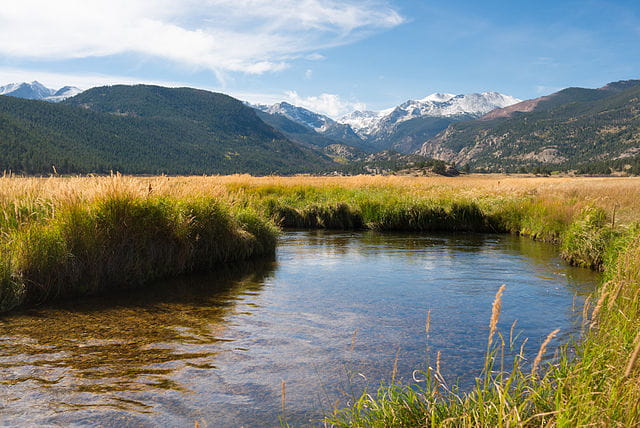
One of the most common questions first-time visitors ask is: when is the best time to go? The honest answer is — it depends on what you want to experience. Here is a simple breakdown of each season:
Summer (June – August) — Peak Season
Summer is the most popular time to visit. The weather is warm, most trails are open, and all park facilities are running. However, the park gets very crowded during this time. Expect traffic, full parking lots, and long lines at entrance gates. The good news is that the wildflowers are blooming, wildlife is active, and Trail Ridge Road (the highest continuous paved road in the US) is fully open.
Tip: Arrive before 9 AM or after 3 PM to avoid the worst crowds.
Fall (September – October) — Best Season for Many Visitors
Many experienced visitors say fall is the absolute best time to visit Rocky Mountain National Park. The crowds are smaller, the temperatures are comfortable, and the golden aspen trees create some of the most stunning scenery of the year. September is also elk rut season, when large bull elk can be seen (and heard!) throughout the park, especially in Moraine Park and Horseshoe Park.
Winter (November – March) — Quiet and Magical
Winter brings a peaceful, snow-covered landscape to the park. Many roads close, including most of Trail Ridge Road, but the lower elevations are still accessible. Popular winter activities include snowshoeing and cross-country skiing. The park is nearly empty in winter, which is a treat for visitors who love solitude. Just be prepared for cold temperatures and icy roads.
Spring (April – May) — Unpredictable but Rewarding
Spring is unpredictable in the Rockies. You might get warm sunny days or sudden snowstorms. Higher trails may still be covered in snow. However, spring is great for spotting newborn wildlife, and the waterfalls are roaring with snowmelt. It is a quieter time to visit, and prices for lodging are generally lower.
How to Get to Rocky Mountain National Park
From Denver (Most Common Route)
The park is about 70–80 miles (1.5 to 2 hours) from Denver, Colorado. Most visitors fly into Denver International Airport (DEN), rent a car, and drive to the park. The most popular route goes through Boulder and then up Highway 36 to Estes Park, which is the main gateway town on the east side.
Park Entrances
- Beaver Meadows Entrance (East) — Most popular; leads to popular hikes like Bear Lake and Emerald Lake.
- Fall River Entrance (East) — Also near Estes Park; provides access to Old Fall River Road.
- Grand Lake Entrance (West) — Less crowded; great access to the western side of the park, Colorado River trailhead, and Kawuneeche Valley.
Is there public transportation to Rocky Mountain National Park? Yes! The Estes Park Shuttle connects Denver and Boulder to Estes Park. From Estes Park, the park’s free shuttle system (called the Park & Ride Shuttle) runs in summer and takes you to key trailheads without the parking headaches.
Rocky Mountain National Park Entrance Fees and Permits
You need to pay an entrance fee to get into the park. Here are the current fee options (always check nps.gov/romo for the most up-to-date pricing):
- Private Vehicle Pass: Valid for 7 days. Best option for families or groups driving in.
- Individual Pass: For visitors arriving on foot, bicycle, or motorcycle (per person).
- Annual Pass (ROMO): Valid for 12 months at Rocky Mountain National Park only.
- America the Beautiful Pass: Annual pass that covers entry to ALL US national parks and federal recreation lands — the best deal if you plan to visit multiple parks in a year.
Timed Entry Permit (Very Important!)
During peak summer months (late May through mid-October), Rocky Mountain National Park requires a Timed Entry Permit in addition to your entrance fee. This is a reservation you must make in advance through the recreation.gov website. Permits are released months ahead and sell out very quickly — sometimes within minutes of being released. Do not skip this step if you plan to visit during summer! Without a permit, you may be turned away at the entrance gate.
Top Things to Do in Rocky Mountain National Park
Drive Trail Ridge Road
Trail Ridge Road is the highest continuous paved highway in the United States, reaching an elevation of 12,183 feet. The 48-mile road crosses the Continental Divide and offers jaw-dropping views of the alpine tundra, mountain valleys, and distant peaks. You can see the entire landscape from your car window, making this perfect even for visitors who do not hike. The road is open from around late May to mid-October, depending on snowfall. Do not miss the Alpine Visitor Center at the top!
Hike to Emerald Lake
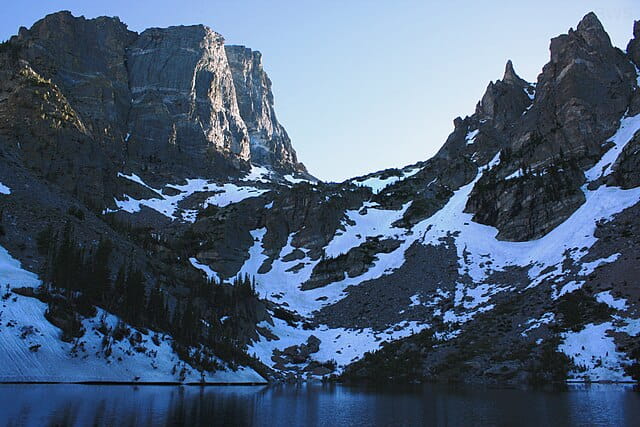
The Emerald Lake Trail is one of the most popular and rewarding hikes in the park. Starting from the Bear Lake Trailhead, this 3.6-mile round-trip hike passes three beautiful lakes — Nymph Lake, Dream Lake, and Emerald Lake — all surrounded by stunning mountain scenery. The trail is well-maintained and suitable for beginners, though the altitude can make it more challenging than it looks. Dream Lake especially offers views that look like they belong in a painting.
Watch Wildlife
Rocky Mountain National Park is home to incredible wildlife. The park has one of the largest elk herds in the country. Other animals you might spot include mule deer, bighorn sheep, moose (especially near Kawuneeche Valley on the west side), black bears, coyotes, marmots, and pikas. Early morning and evening are the best times to see wildlife. Binoculars are highly recommended!
Visit Bear Lake
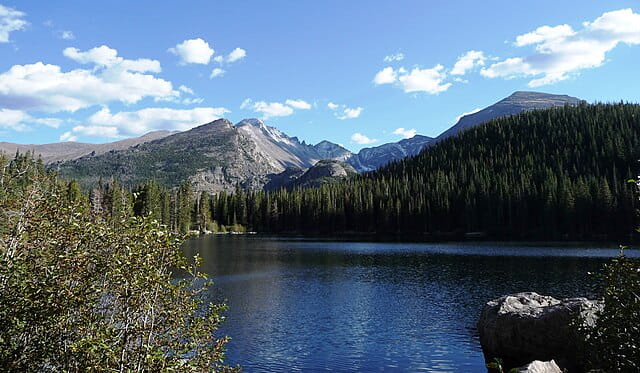
Bear Lake is one of the most iconic spots in the entire park. It is a beautiful mountain lake surrounded by tall trees and reflected peaks. The easy 0.8-mile loop around the lake is perfect for all ages, including young children and older visitors. Even if you are not planning to hike further, Bear Lake is worth a visit just to take in the scenery.
Explore Horseshoe Park During Elk Rut Season
If you visit in September or early October, head to Horseshoe Park or Moraine Park at dawn or dusk. During elk rut season, male elk (called bulls) gather large herds of females and bugle loudly to attract mates. Hearing hundreds of elk bugling in the mountains is a truly unforgettable experience. Keep a safe distance of at least 75 feet from all wildlife.
Stargaze at Night
The park has very little light pollution, which means the night sky is absolutely spectacular. On a clear night, you can see thousands of stars, the Milky Way, and even meteor showers. The park regularly hosts ranger-led stargazing programs in summer. This is something most first-time visitors do not expect — and end up saying it was one of the highlights of their trip!
Best Hikes in Rocky Mountain National Park for First-Timers
Here is a selection of trails sorted by difficulty level, so you can choose the best one for your fitness level and time:
Easy Hikes (Great for Beginners and Families)
- Bear Lake Loop — 0.8 miles, flat, paved, accessible. Perfect for all ages.
- Sprague Lake — 0.5 miles, nearly flat, stunning reflections of the mountains.
- Alberta Falls — 1.7 miles round trip, easy trail to a beautiful waterfall. Great for kids.
- Cub Lake — 4.6 miles round trip, peaceful meadows, wildlife, and a small lake.
Moderate Hikes
- Emerald Lake Trail — 3.6 miles round trip. Passes three gorgeous lakes. Most popular hike in the park.
- Sky Pond — 9 miles round trip. Passes Timberline Falls and a series of beautiful alpine lakes.
- Flattop Mountain — 8.8 miles round trip. One of the best ways to reach the alpine tundra on foot.
- Ouzel Falls — 5.4 miles round trip (Wild Basin area, west side). Less crowded and incredibly scenic.
Challenging Hikes (For Experienced Hikers)
- Longs Peak — 15 miles round trip. The only 14,000+ ft summit in the park. Very strenuous, requires an early (2–3 AM) start and is not recommended for beginners.
- Hallett Peak — 10 miles round trip. Stunning 360-degree views from the summit.
- Andrews Glacier — 8.2 miles round trip. Reaches a permanent glacier high in the mountains.
Important Hiking Note: All hikes in Rocky Mountain National Park are at high elevation. Even easy trails will feel harder than they do at sea level because the air is thinner. Take it slow, drink plenty of water, and watch for symptoms of altitude sickness (headache, nausea, dizziness). If you feel unwell, descend immediately.
Where to Stay Near Rocky Mountain National Park
Camping Inside the Park
Camping is the most immersive way to experience the park. Rocky Mountain National Park has five campgrounds:
- Moraine Park Campground — The largest and most popular. Open year-round. Great location near meadows and wildlife.
- Glacier Basin Campground — Near the Bear Lake Road. Open in summer. Also offers group sites.
- Aspenglen Campground — Near the Fall River entrance. Quiet and wooded.
- Longs Peak Campground — Tent-only, near the Longs Peak trailhead. Good for climbers.
- Timber Creek Campground — On the west side of the park near Grand Lake. Less crowded.
All campgrounds require reservations through recreation.gov, and they fill up months in advance in summer. Book as early as possible!
Staying in Estes Park (East Side)
Estes Park is the main gateway town and offers a wide range of accommodations — from budget motels and vacation rentals to boutique hotels and the famous Stanley Hotel (yes, the inspiration for Stephen King’s The Shining). Estes Park also has great restaurants, shops, and is very family-friendly. It is just a few miles from the east entrance of the park.
Staying in Grand Lake (West Side)
Grand Lake is a charming small town on the west side of the park. It is much less crowded than Estes Park and has a quiet, cozy atmosphere. It is perfect if you want a more relaxed experience and access to the less-visited western trails. The town also sits on the edge of Grand Lake — Colorado’s largest natural lake — which is beautiful in its own right.
What to Pack for Rocky Mountain National Park
Packing the right gear can make or break your visit, especially at high altitude. Here is what every first-time visitor should bring:
Clothing
- Layered clothing — Mountain weather changes fast. It can be warm at noon and cold by 3 PM.
- Waterproof rain jacket — Afternoon thunderstorms are very common in summer.
- Warm fleece or insulating layer — Temperatures at high elevation can drop suddenly.
- Sturdy, broken-in hiking boots — Ankle support is important on rocky trails.
- Warm hat and gloves — Even in summer, higher elevations can be cold.
- Sun hat or cap — UV radiation is stronger at high altitude.
Gear and Supplies
- Water — Bring at least 2 liters per person per day. There are no water fountains on most trails.
- High-SPF sunscreen — Skin burns faster at altitude.
- Sunglasses — UV protection for your eyes.
- Snacks and lunch — Food options inside the park are very limited.
- Trekking poles — Very helpful on steep or rocky hikes.
- Headlamp or flashlight — Essential if you start hikes early or return late.
- Bear canister or bear spray — Required for backcountry camping; good to have on trails.
- Paper map or downloaded offline map — Cell service is unreliable inside the park.
- First aid kit — Including blister care and ibuprofen.
- Camera and binoculars — You will want these for wildlife and scenery!
Safety Tips for First-Time Visitors
Altitude Sickness
Altitude sickness is the number one health issue for visitors to Rocky Mountain National Park. Symptoms include headache, dizziness, nausea, shortness of breath, and fatigue. The best way to prevent it is to drink lots of water, take it slow on your first day, avoid alcohol, and rest if you feel unwell. If symptoms are severe, descend to lower elevation immediately.
Afternoon Thunderstorms
Summer afternoons in the Rockies bring frequent and powerful thunderstorms, often with lightning. Being above treeline during a lightning storm is extremely dangerous. The golden rule is: start hikes early (by 6–7 AM), and be below treeline by noon or 1 PM. If you hear thunder, descend immediately.
Wildlife Safety
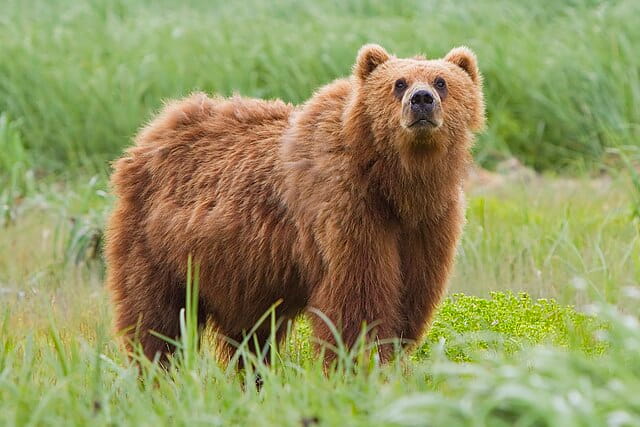
Keep a safe distance from all animals. National Park rules require at least 75 feet (about 23 meters) from most wildlife and 100 yards from bears and wolves. Never feed animals — it harms them and puts you at risk. During elk rut in September and October, bulls can be aggressive. Give them lots of space.
Leave No Trace
Please help protect this incredible place by following Leave No Trace principles. Pack out all trash, stay on marked trails, do not pick wildflowers or disturb rocks and plants, and use designated restrooms. If you are in the backcountry, use a WAG bag to pack out human waste. The park belongs to everyone — let’s keep it beautiful!
Must-See Spots in Rocky Mountain National Park
Even if you only have one or two days, make sure to visit these top spots:
- Bear Lake: The most iconic and accessible spot. Beautiful at any time of year.
- Dream Lake: Just a short hike from Bear Lake, with a reflection view that looks like a postcard.
- Emerald Lake: The reward at the end of the most popular trail in the park.
- Trail Ridge Road: The 48-mile scenic drive over the Continental Divide. Do not miss the Alpine Visitor Center.
- Moraine Park: A broad valley great for wildlife spotting, especially elk in the morning and evening.
- Horseshoe Park: Famous for elk and a great place to enjoy the open meadow landscape.
- Kawuneeche Valley (West Side): Beautiful river valley with moose sightings, wildflowers, and fewer crowds.
- Loch Vale and Sky Pond: For hikers looking for remote alpine scenery beyond the typical crowds.
- Wild Basin: A quieter corner of the park with waterfalls, streams, and forests.
- Milner Pass: The point where Trail Ridge Road crosses the Continental Divide. A truly memorable stop.
Insider Tips for First-Time Visitors
- Book your campsite or hotel at least 3–6 months ahead for summer visits. Demand is extremely high.
- Get your Timed Entry Permit as soon as they are released on recreation.gov — they sell out in minutes.
- Take the free park shuttle instead of driving. It eliminates parking stress and lets you relax and enjoy the views.
- Download an offline map before entering the park. Cell service is very limited or nonexistent in many areas.
- Drink water constantly. You will need more water than usual at high altitude.
- Start hiking early — by 6 or 7 AM. You’ll avoid crowds, catch the best light for photos, and be off exposed ridges before afternoon storms.
- Check the park’s official website the day before your visit for any road closures or permit changes.
- Visit the west side of the park (Grand Lake entrance). It is less crowded and equally beautiful. Most tourists stick to the east side.
- Carry cash. Some facilities inside the park may not accept cards.
- Acclimatize before hiking. If possible, spend your first night in Denver or Boulder before heading to the park.
- Visit during shoulder seasons (late September or early June) to enjoy smaller crowds and stunning scenery.
Suggested 3-Day Itinerary for First-Time Visitors
Day 1 — Arrival and East Side Highlights
- Arrive early, pick up your park map at the Beaver Meadows Visitor Center.
- Take the Bear Lake shuttle and walk the easy Bear Lake Loop.
- Hike to Nymph Lake and Dream Lake (moderate, 2.2 miles round trip).
- Drive to Moraine Park in the evening to watch for elk.
- Dinner in Estes Park.
Day 2 — Trail Ridge Road and Alpine Tundra
- Start your morning with the full Trail Ridge Road drive (allow 3–4 hours with stops).
- Stop at the Alpine Visitor Center and walk the short Tundra Communities Trail.
- Cross the Continental Divide at Milner Pass.
- Drive down to Grand Lake for lunch and a walk along the lake.
- Head back toward Estes Park in the afternoon.
Day 3 — Longer Hike and Wildlife
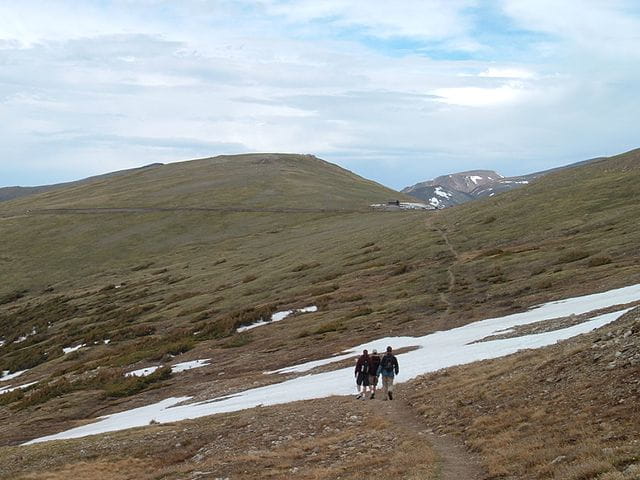
- Early morning hike to Sky Pond or Emerald Lake (choose based on energy level).
- Afternoon rest and explore Estes Park town.
- Return to Horseshoe Park at dusk for one final wildlife watching session.
- Stargaze before bed if the sky is clear.
Frequently Asked Questions (FAQs)
Q: How many days do you need at Rocky Mountain National Park?
A: A minimum of 2–3 days is recommended for first-time visitors. This gives you enough time to do Trail Ridge Road, at least one or two hikes, and experience the wildlife. If you can stay 4–5 days, you will have time to explore more trails and visit both the east and west sides.
Q: Is Rocky Mountain National Park good for beginners?
A: Absolutely! The park has plenty of easy, well-maintained trails for beginners. Bear Lake, Sprague Lake, and Alberta Falls are all great for first-timers. Just remember to take altitude seriously and go slow on your first day.
Q: Can you see bears in Rocky Mountain National Park?
A: Yes, black bears live in the park. They are generally shy and rarely seen, but you should always store food properly, never leave food in your car, and use bear-proof containers when camping.
Q: Is Rocky Mountain National Park worth visiting?
A: Without a doubt, yes. It is one of the most spectacular national parks in the United States. The combination of high alpine scenery, abundant wildlife, and accessible trails makes it worthwhile for families, solo travelers, and outdoor enthusiasts of all skill levels.
Q: Do I need a reservation to visit Rocky Mountain National Park?
A: During peak season (late May through mid-October), yes — you need both an entrance fee and a Timed Entry Permit. Permits must be reserved in advance at recreation.gov. Outside peak season, no permit is required, only the entrance fee.
Q: What is the best easy hike in Rocky Mountain National Park?
A: The Bear Lake Loop (0.8 miles) is the best easy hike for absolute beginners. Alberta Falls (1.7 miles round trip) is slightly longer but still easy, and rewards hikers with a beautiful waterfall.
Final Thoughts
Rocky Mountain National Park is truly one of the crown jewels of America’s national park system. From the moment you pass through the entrance gate and see the mountains rising above the tree line, you will understand why millions of people return year after year.
As a first-time visitor, the most important things to remember are: plan ahead, book early, respect the altitude, and take your time. This park rewards those who slow down, look carefully, and soak in the incredible natural world around them.
Whether you end up sitting quietly by Dream Lake watching the mountains reflect in the water, hearing an elk bugle at sunrise in Moraine Park, or standing breathless at the top of Trail Ridge Road looking out at a hundred miles of wilderness — Rocky Mountain National Park will leave a mark on your heart that lasts a lifetime.
Happy hiking, and enjoy every moment of your adventure.
Read Also: Acadia National Park 3-Day Itinerary: What to See and Do
Rubie Rose is a travel writer who focuses on USA national parks, hiking trails, and practical travel planning. She shares easy-to-follow guides to help visitors explore parks safely and confidently. Her work on parktrailsguide.com is built on deep research, firsthand accounts from park visitors, and a commitment to giving readers information they can actually use on the trail.