How to Get a National Park Permit: Complete Guide for Popular Trails
You’ve been dreaming about hiking The Wave in Arizona for years. You finally clear your schedule, book flights, pack your gear — and then realize you needed to enter a lottery months ago. Permit denied. Trip over before it began.
It happens more than you’d think. And it’s entirely avoidable.
Getting a national park permit doesn’t have to feel like cracking a secret code. Once you understand how the system works — which trails require permits, when to apply, and where to do it — you’ll stop missing out and start actually going.
This guide breaks it all down clearly, from the basics to the fine print that most hikers overlook.
What Is a National Park Permit and Why Do You Need One?
A national park permit is an official authorization that allows you to access a specific trail, wilderness area, campsite, or backcountry zone within a protected public land.
The National Park Service (NPS) introduced timed entry permits and trail-specific quotas to manage the surge in visitor numbers that has grown significantly over the past decade. In 2023 alone, national parks across the U.S. received over 325 million recreation visits, according to NPS data — a number that puts enormous pressure on fragile ecosystems and trail infrastructure.
Permits aren’t about gatekeeping the outdoors. They’re about preserving it.
Without a permit system, trails like Angels Landing in Zion or the Half Dome cables in Yosemite would be dangerously overcrowded. The permit system protects both the environment and the experience.
Types of Permits You Might Encounter
Not all permits work the same way. Here’s a quick breakdown:
- Day-use permits — Required just to hike a specific trail (e.g., Angels Landing, The Wave)
- Timed entry permits — Required to enter a park during peak hours (e.g., Glacier, Rocky Mountain)
- Backcountry/wilderness permits — Required for overnight camping in the backcountry
- Vehicle/parking permits — Required for specific lots or road access (e.g., Muir Woods, Acadia’s Cadillac Summit Road)
- Lottery permits — Awarded randomly through an application process, not first-come-first-served
Knowing which type applies to your destination is the first step to actually getting one.
Where to Get National Park Permits: The Main Platforms
Recreation.gov — Your Primary Hub
The vast majority of federal land permits in the United States are issued through Recreation.gov. This is the official booking platform for the NPS, U.S. Forest Service, Bureau of Land Management, and other agencies.
You’ll create a free account and from there you can search by location, activity, or permit type. The platform handles both lottery applications and standard reservations.
Pro tip: Set up email notifications on Recreation.gov for your target permit. When cancellations happen — and they do — you’ll be among the first to know.
Park-Specific Websites
Some parks run their own permit systems outside of Recreation.gov. For example:
- Havasupai Falls in the Grand Canyon region uses its own tribal reservation portal through the Havasupai Tribe’s website
- Mount Whitney day-use permits are managed through Recreation.gov but have their own unique lottery windows
- Enchantments in Washington State (managed by the Okanogan-Wenatchee National Forest) uses Recreation.gov but with a very specific lottery window each spring
Always check the official park website directly, not just Recreation.gov, to confirm you’re using the right system.
How the Permit Lottery System Works
If a trail uses a lottery, it means demand far exceeds supply. Applications are collected during a specific window, and winners are selected randomly — not on a first-come basis.
Step-by-Step: How to Enter a Permit Lottery
Step 1 — Find the lottery window. Each trail publishes its application dates. These are usually months in advance. For The Wave, for example, there is both an advance lottery (four months ahead) and a daily lottery for the following day.
Step 2 — Submit your application. On Recreation.gov, navigate to your target permit and select “Apply for Lottery.” You’ll choose your preferred dates and group size. Most lotteries allow alternate dates to improve your odds.
Step 3 — Wait for results. Lottery outcomes are typically announced within a few days of the window closing. You’ll receive an email notification.
Step 4 — Accept and pay. If selected, you’ll have a limited window — usually 48 hours — to confirm and pay. Miss that window and your permit is forfeited.
Step 5 — If you don’t win, try again. Daily lotteries (like The Wave’s “walk-up” option) give you another chance. Show up at the permit office in person or apply online the night before for next-day slots.
Increasing Your Lottery Odds
Here’s what experienced hikers know that first-timers often don’t:
- List multiple alternate dates. This significantly improves your selection probability.
- Apply as a smaller group. Smaller parties are statistically easier to accommodate.
- Target shoulder seasons. Fewer applicants in spring and fall means better odds — and often better trail conditions.
- Enter every year. Some hikers apply to The Wave lottery every season for years before winning. Persistence pays off.
Permit Requirements for the Most Popular Trails
Angels Landing — Zion National Park, Utah
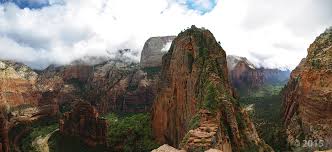
One of the most iconic hikes in the American Southwest, Angels Landing requires a permit for the chains section above Scout Lookout. The permit is a seasonal lottery run through Recreation.gov.
There are two lottery windows: a spring lottery (typically opens in January for March–May permits) and a day-before lottery for walk-up chances. Permits are non-transferable and tied to the named permit holder.
Group size: Up to 6 people per permit Cost: $6 per person Key tip: The seasonal lottery fills up fast. Set a calendar reminder the moment applications open.
Half Dome — Yosemite National Park, California
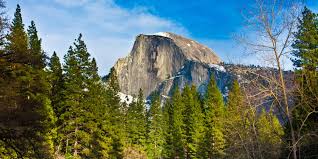
Half Dome’s permit season runs from late May through mid-October, covering the period when the famous cables are up. There’s a preseason lottery in March and a daily lottery during the hiking season.
Daily lottery applications open at midnight and close at 1:00 AM Pacific Time for the following day. Results are posted by 10:00 AM.
Group size: Up to 6 people per permit Cost: $10 per person, plus a $2 non-refundable application fee Key tip: The preseason lottery in March is your best chance — apply for multiple weekdays, not just weekends.
The Wave — Vermilion Cliffs National Monument, Arizona

Perhaps the most sought-after day-hike permit in the U.S., The Wave limits access to just 64 people per day — 48 through the advance lottery, 16 through the walk-up lottery.
The advance lottery opens four months before your target date. The walk-up lottery is done online (as of recent years) and applications are submitted the day before for the following morning.
Cost: $9 per person (application fee) Key tip: Apply for weekdays. Weekend demand is significantly higher.
Enchantments — Washington State
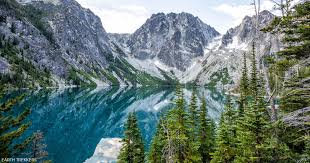
The Enchantments core zone permit is one of the hardest to get in the Pacific Northwest. The main lottery runs in February through Recreation.gov.
There are five permit zones of varying difficulty. The core zone (most scenic) has the highest demand, but applying for the outer zones or Snow Lakes trailhead can still get you into a spectacular landscape.
Cost: $6 per person per night Key tip: Don’t skip the outer zones — Stuart Lake and Colchuck Lake are stunning in their own right and far easier to get into.
Backcountry Permit Essentials
If you’re planning an overnight wilderness trip, the permit process gets a bit more involved. Here’s what you need to know.
Leave No Trace and Group Size Rules
Most backcountry permits cap group size at 12 people (some zones limit to 8). You’ll also be assigned specific campsites or zones, and fire restrictions vary by season.
Understanding Leave No Trace principles isn’t just ethical — it’s often a requirement stated on your permit. Rangers do check, especially in high-traffic areas.
When Permits Become Available
For popular backcountry areas like the Grand Canyon’s inner canyon or the Boundary Waters Canoe Area Wilderness (BWCAW), permits open months in advance and sell out quickly.
A general rule: book backcountry permits as soon as the booking window opens, which is often 6 months ahead of your entry date.
Walk-Up Permits
Don’t count yourself out if you missed the advance window. Many parks hold back a percentage of daily permits for walk-up applicants who show up at the visitor center in person, often as early as sunrise.
Grand Canyon, Yosemite, and Glacier all have walk-up permit systems that reward early risers and flexible schedules.
Common Permit Mistakes to Avoid
Even experienced hikers make these errors. Here’s how to sidestep them.
Booking the wrong permit type. A timed entry permit to Muir Woods doesn’t cover the Dipsea Trail or Muir Beach. Read the permit description carefully before you pay.
Not checking ID requirements. Many permits require photo ID matching the reservation. The permit holder must be present at the trailhead.
Ignoring cancellation policies. Permits are often non-refundable, but some can be transferred or cancelled within a window. Know the rules before you commit.
Forgetting to print or download. Some ranger stations in remote areas have no cell service. Download your permit to your phone offline, or print a physical copy.
Assuming permit = parking. In many parks, a trail permit doesn’t guarantee a parking spot. Check shuttle schedules and parking logistics separately.
Quick Reference: Key Permit Websites
| Park / Trail | Permit Platform | Lottery? |
|---|---|---|
| Zion (Angels Landing) | Recreation.gov | Yes |
| Yosemite (Half Dome) | Recreation.gov | Yes |
| Vermilion Cliffs (The Wave) | Recreation.gov | Yes |
| Havasupai Falls | Havasupaisupai-nsn.gov | No (First-come reservation) |
| Enchantments | Recreation.gov | Yes |
| Grand Canyon Backcountry | NPS.gov/grca | No (First-come + advance) |
| Mount Whitney | Recreation.gov | Yes |
| Glacier (Timed Entry) | Recreation.gov | No (Timed reservation) |
Final Thoughts: Plan Early, Go Often
Here’s the honest truth: the permit process can feel frustrating, especially after your third lottery loss. But it exists for good reason — and the trails that require permits are almost always worth the effort.
The hikers who consistently get into coveted spots aren’t necessarily lucky. They plan months ahead, apply for multiple dates, target shoulder seasons, and keep showing up.
Start with Recreation.gov. Bookmark the NPS page for every park on your list. Set reminders for lottery windows. And if you miss one, enter the daily lottery — people cancel more often than you’d think.
The mountains aren’t going anywhere. With the right preparation, neither are you.
Read Also: Best Time to Visit Yellowstone National Park (Month-by-Month Guide)
Rubie Rose is a travel writer who focuses on USA national parks, hiking trails, and practical travel planning. She shares easy-to-follow guides to help visitors explore parks safely and confidently. Her work on parktrailsguide.com is built on deep research, firsthand accounts from park visitors, and a commitment to giving readers information they can actually use on the trail.