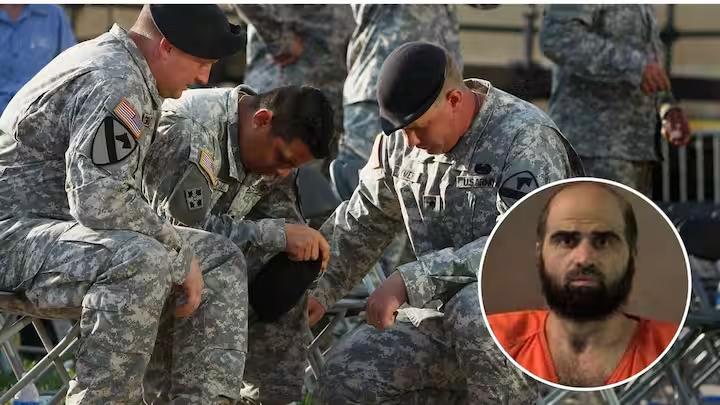
Fort Hood Shooter Nidal Malik Hasan: Pentagon Says Execution Will Be Livestreamed
Published: October 9, 2026
The Fort Hood shooter, Nidal Malik Hasan, is scheduled to be executed by firing squad on December 3, 2026, following a decision approved by President Donald Trump, according to recent reports. The Pentagon has also confirmed that the execution will be livestreamed, although officials have not yet provided details about where the broadcast will be available.
The announcement has renewed national attention on the 2009 Fort Hood shooting in Texas, in which Hasan killed 13 people and wounded 32 others. Hasan, a former U.S. Army psychiatrist, was convicted by a military jury in 2013 and sentenced to death. The planned execution has also raised questions about military execution procedures, legal challenges and the unprecedented decision to broadcast the event publicly.
Fort Hood Shooter: What Happened in the Latest Update?
The latest development concerns the U.S. military’s plan to carry out Hasan’s death sentence more than 17 years after the shooting.
On October 8, 2026, Reuters reported that a Pentagon official confirmed the execution would be livestreamed. Defense Secretary Pete Hegseth also publicly confirmed the plan, saying that further details would follow.
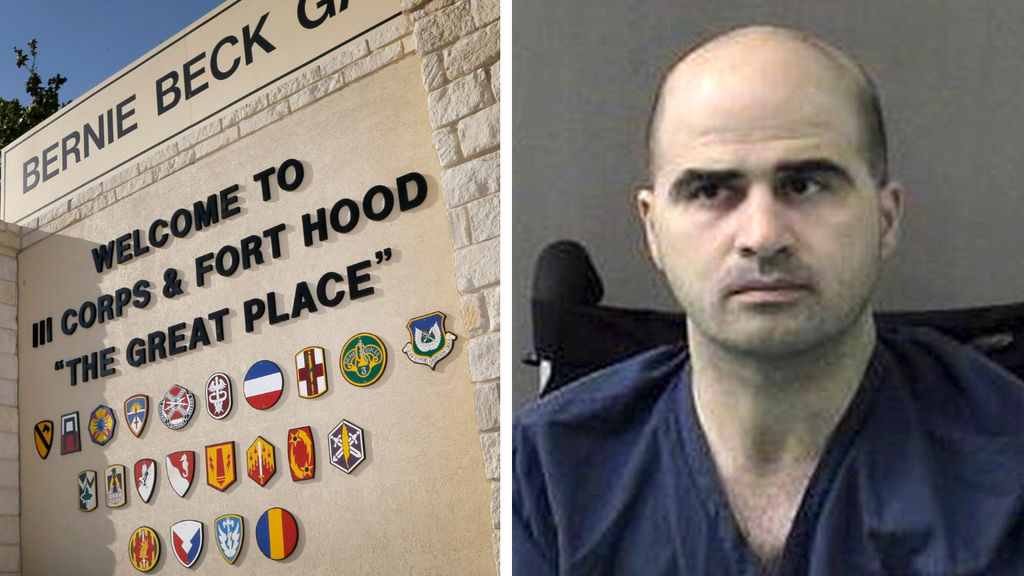
The execution is scheduled for December 3 at Fort Hood, the Texas military installation where the shooting occurred. Acting Secretary of the Army Adam Telle previously announced the date and said the execution would be carried out by firing squad.
The planned execution would mark the first U.S. military execution since 1961 and the first execution by a U.S. military firing squad since 1945, according to Reuters reporting.
However, several details remain unresolved. Officials have not announced the platform that would carry the livestream or released a complete explanation of the arrangements. Legal proceedings could also affect the scheduled date.
Who Is Nidal Malik Hasan?
Nidal Malik Hasan is a former U.S. Army major and psychiatrist who was convicted of carrying out the November 5, 2009, shooting at Fort Hood, now known as Fort Cavazos.
Hasan worked as an Army psychiatrist before the attack. He opened fire inside the Soldier Readiness Processing Center, a medical facility where military personnel were preparing for deployment.
The attack killed 13 people and injured 32 others. The incident became one of the deadliest shootings at a U.S. military installation.
A military jury convicted Hasan in August 2013 of 45 counts of premeditated murder and attempted premeditated murder. The jury sentenced him to death.
Hasan represented himself during much of his court-martial proceedings. His case has remained significant in discussions about military justice, security procedures and the death penalty.
What Happened in the 2009 Fort Hood Shooting?
The shooting took place on November 5, 2009, at Fort Hood in central Texas. Military personnel were present at the installation when Hasan entered a medical processing facility and opened fire.
Authorities responded to the attack, and Hasan was shot by responding law enforcement officers during his apprehension. He survived but was left partially paralyzed.
Thirteen people died, while 32 others were wounded. The victims included military personnel preparing for deployment.
The attack led to extensive investigations and renewed scrutiny of how potential threats are identified and handled within the military.
Hasan was subsequently prosecuted through the military justice system. His conviction and death sentence followed a lengthy legal process, including disputes over his defense and the proceedings at his court-martial.
Why Is the Fort Hood Shooter Trending in 2026?
The phrase “Fort Hood shooter” has drawn renewed attention because of the recent announcement about Hasan’s scheduled execution.
Three developments are central to the latest coverage:
- Execution date announced: The Army has scheduled Hasan’s execution for December 3, 2026.
- Firing squad confirmed: The planned method has drawn attention because military executions are exceptionally rare.
- Livestream announcement: The Pentagon’s confirmation that the execution will be livestreamed has raised additional questions about transparency, public access and the treatment of death-penalty cases.
The broadcast decision is particularly notable because executions in the United States have generally not been televised publicly. Legal experts have questioned the implications of making the event available to a wider audience.
The announcement has also prompted debate over whether the military has adequately addressed the procedures required before carrying out a death sentence.
Why Will Hasan Be Executed by Firing Squad?
Hasan received a death sentence after his 2013 military court-martial conviction. The firing squad is the method announced for the scheduled execution.
According to Reuters, the execution was approved by President Donald Trump on the recommendation of Defense Secretary Pete Hegseth. Under the relevant military rules, presidential approval is required for a military execution by firing squad.
The decision is unusual because the U.S. military has not carried out an execution since 1961. The last known U.S. military executions by firing squad took place in 1945.
The Army has not publicly explained all the practical arrangements for Hasan’s execution. Questions remain about the specific procedures, personnel and location within the installation.
The announced method also comes amid broader debate in the United States about execution methods and the administration of capital punishment.
Could Legal Challenges Delay the Execution?
Although the execution date has been announced, December 3 should not be treated as an unconditional guarantee that the execution will take place that day.
The Associated Press reported on October 7 that legal experts had raised questions about whether all required military procedures were followed when Hasan was notified of the execution.
John Galligan, a retired Army colonel and former attorney who has represented Hasan in civil matters, questioned whether the required notification procedure was followed. His comments reflect concerns raised by a lawyer familiar with the case, rather than a final judicial determination that the Army violated its rules.
Legal experts have also noted that Hasan could seek relief in federal civilian court through a habeas corpus petition. Such proceedings could potentially delay the execution.
The Army has not publicly provided every detail of the planned firing squad procedure. The extent to which legal challenges may affect the scheduled date remains uncertain.
As of October 9, 2026, the announced execution date remains December 3, but further legal or administrative developments could change the timeline.
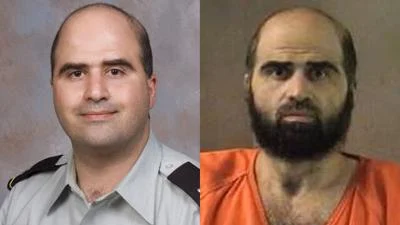
What Does the Livestream Announcement Mean?
The Pentagon’s announcement means officials intend to broadcast the scheduled execution live. However, the government has not yet announced where viewers would be able to access the broadcast or how public access would be managed.
The proposal has prompted questions about the purpose and consequences of making a military execution publicly viewable.
Supporters of public access may frame the decision as an issue of transparency and accountability. Critics and legal commentators have raised concerns about dignity, the potential spectacle surrounding an execution and the legal questions associated with broadcasting it.
These questions are separate from Hasan’s conviction and sentence. The latest announcement concerns how the military intends to carry out the sentence, not a new verdict in the underlying criminal case.
Further official details will be needed before the public can know exactly how the livestream would operate.
What Happens Next?
The next major date currently announced is December 3, 2026. Before then, the Army and Pentagon may release additional information about the arrangements and any developments affecting the execution schedule.
The principal issues to watch are:
- Whether the Pentagon announces a platform or access rules for the livestream.
- Whether Hasan files new legal challenges that could affect the execution date.
- Whether the Army provides further details about its execution procedures.
- Whether officials clarify questions surrounding notification and other required steps.
For the latest confirmed information, readers should check official U.S. Army and Pentagon statements alongside established news organizations such as Reuters and the Associated Press.
Frequently Asked Questions
Who was the Fort Hood shooter?
Nidal Malik Hasan, a former U.S. Army psychiatrist and major, was convicted of the 2009 shooting at Fort Hood, Texas, that killed 13 people and injured 32 others.
Is the Fort Hood shooter scheduled to be executed?
Yes. Hasan’s execution has been scheduled for December 3, 2026, by firing squad. The date could change if legal or administrative developments intervene.
Will Nidal Malik Hasan’s execution be livestreamed?
The Pentagon confirmed on October 8, 2026, that the execution is intended to be livestreamed. Officials have not yet announced the broadcast platform or access arrangements.
How many people died in the Fort Hood shooting?
Thirteen people were killed and 32 were wounded in the November 5, 2009, attack.
When was Nidal Hasan convicted?
A military jury convicted Hasan in August 2013 and sentenced him to death.
Could the execution be delayed?
Yes. Potential legal challenges and questions about military procedures could affect the schedule. No final outcome of any future challenge should be assumed in advance.
Conclusion
The Fort Hood shooter case has returned to national headlines following the announcement that Nidal Malik Hasan is scheduled to be executed by firing squad on December 3, 2026. The Pentagon’s decision to livestream the planned execution has added a new dimension to a case that has remained significant in American military and criminal justice history.
Although the execution date has been announced, questions about legal procedures, possible court challenges and broadcast arrangements remain unresolved. The next developments will determine whether the scheduled date proceeds as planned and how the Pentagon intends to make the broadcast available.