Cornell 7 Case: Latest Update as New York Attorney General Takes Over Investigation
October 2, 2026
The Cornell 7 case has taken a new turn after New York Gov. Kathy Hochul appointed Attorney General Letitia James as a special prosecutor to oversee the investigation into allegations involving a 2024 incident at a Cornell University fraternity house.
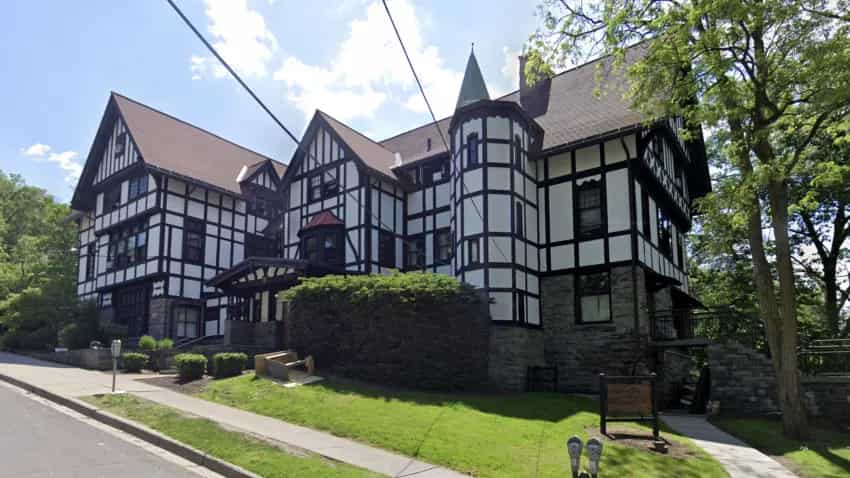
The case centers on a former Cornell student, identified in court documents as Jane Doe, who alleges that she was sexually assaulted by several members of the Chi Phi fraternity after consuming alcohol and drugs at a fraternity house in October 2024.
The allegations have resurfaced nationally following a civil lawsuit filed in September 2026 and the release of additional information about Cornell’s internal investigation and the original police investigation.
Importantly, the allegations in the civil lawsuit have not been established as criminal findings, and the seven men named as defendants have not been criminally convicted in connection with the allegations.
What Is the Cornell 7 Case?
The term “Cornell 7” refers to the seven Chi Phi fraternity members named as defendants in a civil lawsuit filed by Jane Doe in New York in September 2026.
According to the lawsuit, Doe was a 20-year-old Cornell student when she went to the Chi Phi fraternity house on October 19, 2024. The complaint alleges that she consumed alcohol, marijuana and ketamine and later became incapacitated before being sexually assaulted by multiple fraternity members.
The lawsuit also alleges that a message was sent to other fraternity members during the incident.
The seven men named in the lawsuit have been accused of participating in the alleged assault, but the allegations remain contested. Attorneys representing some of the men have denied that their clients participated in a sexual assault.

Why Was the Investigation Reopened?
The Tompkins County District Attorney’s Office initially did not bring criminal charges following the 2024 investigation.
That decision came under renewed scrutiny after the civil lawsuit was filed and additional documents and reports became public.
Tompkins County District Attorney Matthew Van Houten later announced that his office was reopening the investigation and considering whether criminal charges should be pursued. He said the case could be presented to a grand jury.
The DA has said that the information his office initially received differed significantly from the allegations later presented in the civil lawsuit.
One major issue involves the information provided to prosecutors by Cornell University Police.
According to CNN’s reporting, a November 2024 interview transcript reportedly contained a more explicit allegation of rape from Jane Doe. Van Houten said his office did not receive that transcript before deciding not to bring charges. Cornell, meanwhile, has said that it shared its investigative information with the DA’s office.
That discrepancy is now one of the central questions surrounding the case.
New York Attorney General Letitia James Takes Over
On October 1, Gov. Kathy Hochul signed an executive order appointing the New York Attorney General’s Office as special prosecutor in the case.
Hochul said newly released information had raised serious questions about the Cornell Police investigation and the Tompkins County District Attorney’s earlier decision not to prosecute.
Attorney General Letitia James said her office would conduct the investigation based on the facts and applicable law.
The move means the investigation will now be handled at the state level rather than remaining solely under the Tompkins County district attorney.
If prosecutors determine that the evidence supports criminal charges, the case could proceed through the grand-jury process.
What Did Cornell University Find?
Cornell conducted its own internal investigation after the woman reported the incident.
According to court documents and reporting on the university’s investigation, the process involved dozens of witnesses and extensive documentary evidence. The university’s investigation was separate from the criminal investigation.
Cornell has said that disciplinary action was taken against students and that the Chi Phi chapter involved was closed in 2024 and remains barred from campus.
Recent reporting based on unsealed documents indicates that Cornell’s internal process involved more than 50 interviews with 32 witnesses, along with hearings and extensive records.
Cornell has also said that federal student-privacy requirements prevent it from publicly disclosing detailed disciplinary records for individual students.
According to a recent Cornell explanation reported by CBS News, two of the seven students were expelled, two were suspended for at least two semesters, one had graduated before a sanction could be imposed, and two were found not responsible for sexual misconduct. Individual sanctions remain subject to privacy restrictions.
Why Are the Police Records Important?
One of the most significant developments in the Cornell 7 case concerns what investigators and prosecutors knew about the student’s account in 2024.
The district attorney has said that the initial sworn statement available to prosecutors did not contain the same allegations later described in the civil lawsuit.
However, subsequent reporting has highlighted additional statements that the woman reportedly made during interviews with Cornell police.
CNN reported that the woman described feeling unable to make decisions because of intoxication and described parts of the encounter as coercive. CNN also reported that a separate November interview contained a more explicit allegation of rape, although the outlet said it had not independently reviewed that transcript itself.
The disagreement over which documents were provided to prosecutors is therefore likely to be an important part of the new investigation.
Cornell Agrees to an Outside Review
The controversy has also prompted scrutiny of Cornell University’s own handling of the allegations.
Cornell has agreed to an external investigation into its response to the case.
The university has maintained that it conducted an extensive internal investigation and imposed disciplinary sanctions. At the same time, students, alumni and other members of the Cornell community have questioned how the university handled the allegations and communicated the outcome.
A student assembly forum held this week drew calls for greater transparency and changes to how sexual-assault allegations are handled on campus.
What Happens Next in the Cornell 7 Case?
The investigation is now entering a new phase under the New York Attorney General’s Office.
The key questions include:
- What evidence will the special prosecutor obtain from Cornell and local investigators?
- What information was available to prosecutors in 2024?
- Why was the November 2024 interview transcript reportedly not provided to the district attorney?
- Will investigators determine that criminal charges are supported by the evidence?
- Will the matter ultimately be presented to a grand jury?
- What will Cornell’s external review conclude about the university’s handling of the allegations?
At this point, no criminal conviction has been entered against the seven men named in the civil lawsuit. The allegations remain subject to the ongoing criminal investigation and civil litigation.
The appointment of a special prosecutor does not itself establish that a crime occurred or determine the guilt of any individual. It means that New York’s attorney general has been given responsibility for conducting the investigation and determining what action, if any, should follow from the evidence.
Cornell 7 Case: Latest Status
As of October 2, 2026, the major developments are:
2024: The alleged incident occurred at a Chi Phi fraternity house, and the woman later reported the incident to Cornell police.
2024–2025: Cornell conducted an internal disciplinary investigation and imposed sanctions on some students. The fraternity chapter was closed.
September 2026: Jane Doe filed a civil lawsuit naming seven fraternity members, Cornell University and other parties.
Late September 2026: The Tompkins County District Attorney announced that the criminal investigation was being reopened.
October 1, 2026: Gov. Kathy Hochul appointed New York Attorney General Letitia James as special prosecutor.
October 2, 2026: The state-level investigation is the latest major development, while Cornell’s handling of the case is also facing an external review.
Bottom Line
The Cornell 7 case is still an active and developing investigation. The appointment of New York Attorney General Letitia James as special prosecutor represents the most significant development so far in October 2026.
The central issues now concern the evidence available to investigators, differences between accounts and records from 2024, Cornell’s internal response, and whether prosecutors ultimately determine that criminal charges are warranted.
Because the investigation is ongoing, claims made in the civil lawsuit, statements from the university, and statements from prosecutors should be distinguished from facts that have been established in court.