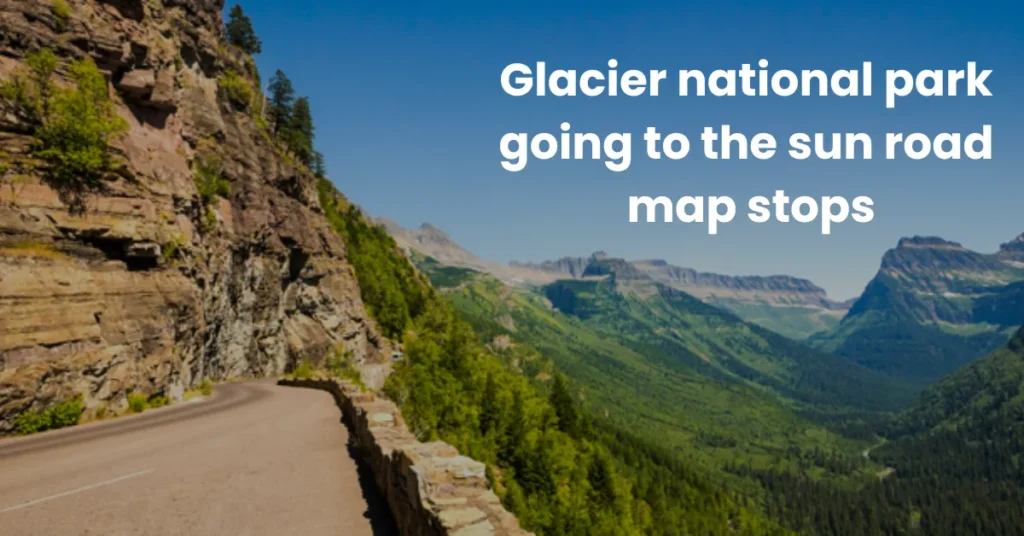
Going-to-the-Sun Road Map: Every Stop, Viewpoint & Hidden Pullout You Shouldn’t Miss (2026 Guide)
Going-to-the-Sun Road is one of those drives you genuinely cannot forget. The road cuts through Glacier National Park, winding past cliffs, waterfalls, old cedar forests, and mountain views that honestly seem too good to be real. Most people hit the popular spots and keep moving. But there are quieter pullouts, lesser-known viewpoints, and small roadside trails that most visitors simply drive right past.
This guide walks you through the whole route, stop by stop. You’ll know where to pull over, what’s actually worth your time, and where the crowds thin out enough to enjoy the place properly.
First timer or returning visitor planning a full day out, either way this guide helps you get more out of every mile.
What Is Going-to-the-Sun Road?
Going-to-the-Sun Road is the main scenic highway that cuts across Glacier National Park in Montana. The road stretches roughly 50 miles from West Glacier to St. Mary and crosses the Continental Divide at Logan Pass.
The drive itself is the attraction.
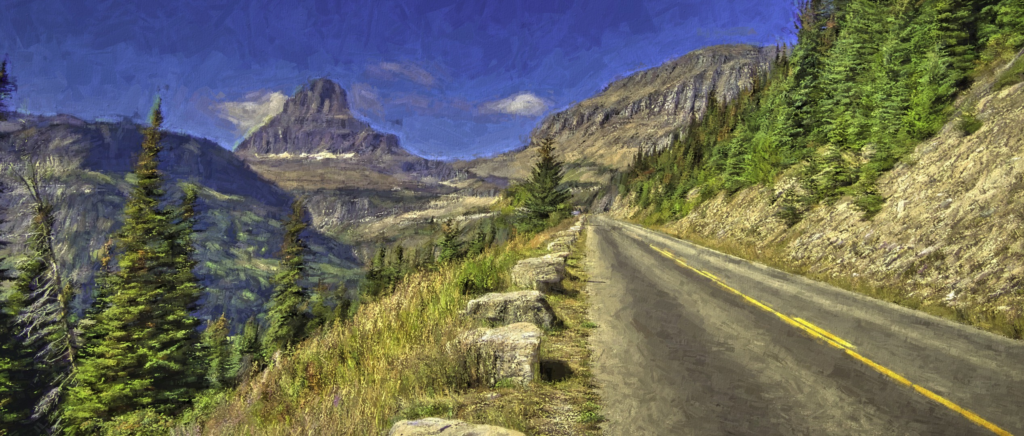
Unlike many scenic roads where viewpoints are spread far apart, Going-to-the-Sun Road constantly changes scenery. One moment you are driving beside turquoise lakes and thick cedar forests, and the next you are climbing narrow cliffside roads with waterfalls crashing beside your car.
Because the road sits at high elevation, it is usually open only seasonally, typically from late June through mid-October depending on snow conditions.
Quick Overview of the Route
West Entrance to East Entrance
Main Route:
- West Glacier
- Lake McDonald
- Avalanche Creek
- The Loop
- Logan Pass
- Jackson Glacier Overlook
- St. Mary Lake
- St. Mary
Total Driving Time
Without stopping, the drive takes around 2 hours.
Realistically, most visitors spend:
- 6–8 hours for a sightseeing day
- Full day if hiking
- Sunrise to sunset for photography
Best Direction to Drive Going-to-the-Sun Road
Most travelers prefer driving:
West Glacier → St. Mary
Why?
- Easier pullouts on the passenger side
- Better gradual scenery buildup
- Less stressful mountain driving for many visitors
However, driving east to west gives dramatic first views of the mountains near Logan Pass.
If possible, drive it both ways.
Going-to-the-Sun Road Map Stops (West to East)
1. Apgar Village
Apgar Village is the first major area after entering from West Glacier. It is a good place to grab coffee, snacks, fuel up nearby, or rent kayaks before starting the scenic drive.
What to See
- Lake McDonald shoreline
- Mountain reflections at sunrise
- Visitor center
- Easy lakeside walking paths
Hidden Tip
Most people rush through Apgar. Walk a few minutes away from the main parking area toward quieter shoreline sections for better photos and fewer crowds.
2. Lake McDonald
Lake McDonald is the largest lake in Glacier National Park and one of the most photographed spots along the road.
The colorful rocks beneath the crystal-clear water are famous for a reason.
Best Pullouts
- Lake McDonald Lodge area
- Small roadside turnouts along North Lake McDonald Road
- Sunset viewpoints near Apgar
Best Time to Visit
Early morning for calm reflections.
3. Lake McDonald Lodge
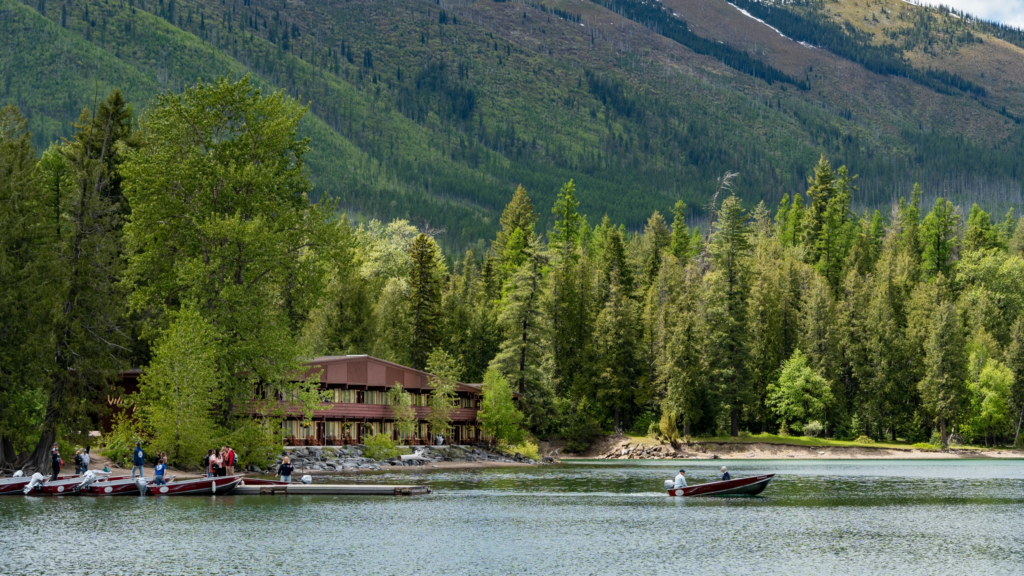
Built in 1913, Lake McDonald Lodge has a classic national park atmosphere with massive timber architecture and historic charm.
Even if you are not staying overnight, it is worth stopping to:
- Explore the lobby
- Relax near the lakeshore
- Grab food or coffee
- Watch red tour boats on the lake
4. Sacred Dancing Cascade
This smaller roadside stop is often skipped because tourists focus on the bigger waterfalls ahead.
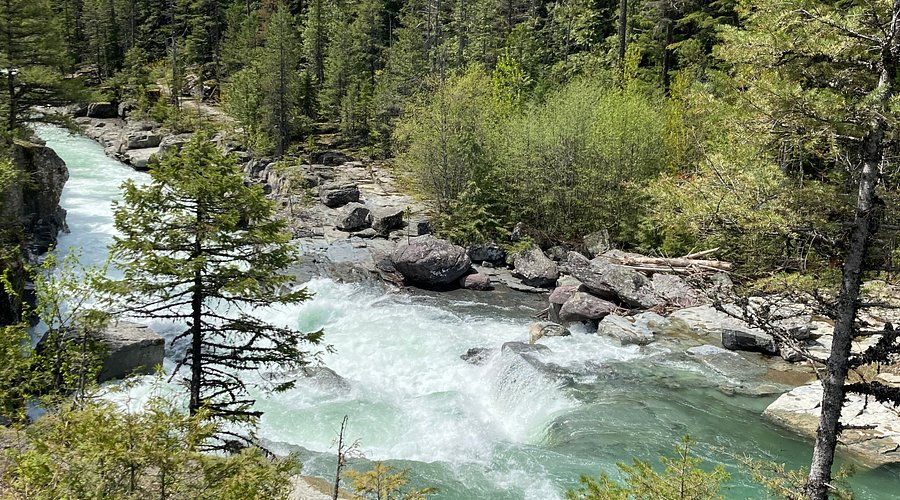
But it is one of the easiest quick scenic stops along the drive.
A short boardwalk leads to flowing water and forest scenery that feels peaceful compared to busier areas.
5. Avalanche Creek & Trail of the Cedars
This is one of the best family-friendly stops on Going-to-the-Sun Road.
Trail of the Cedars
An easy boardwalk trail through ancient cedar forest.
Avalanche Lake Trail
A moderate hike leading to a stunning lake surrounded by waterfalls and cliffs.
Hiking Distance
About 5.9 miles round trip.
If you only do one hike on the west side, many visitors choose Avalanche Lake.
6. Hidden Pullouts Between Avalanche and The Loop
This section of road contains several underrated roadside stops where you can pull over safely and enjoy quieter mountain views.
Look For:
- Waterfall runoff crossing rock walls
- Glacier-carved valleys
- Small unnamed viewpoints
These spots usually have:
- Less traffic
- Easier parking
- Better chances for wildlife sightings
Mountain goats are occasionally seen higher along the cliffs.
7. The Weeping Wall
During peak snowmelt season, water pours directly onto the roadway from the cliffs above.
In early summer, it feels like driving through a waterfall.
This is one of the most unique roadside features on Going-to-the-Sun Road, but many people stop too briefly here.
8. Bird Woman Falls Overlook
One of the best classic Glacier National Park viewpoints.
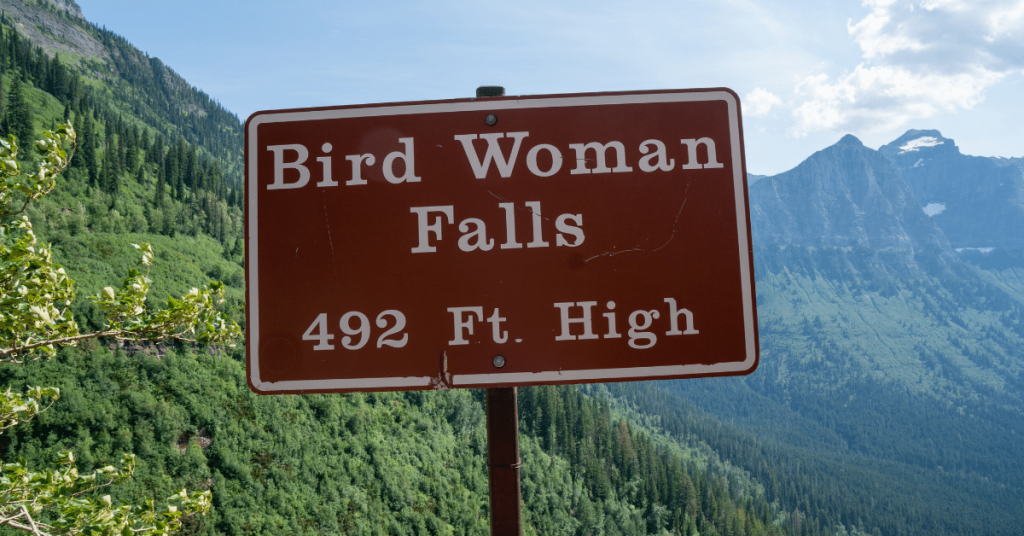
The overlook gives incredible views of:
- Bird Woman Falls
- Hanging valleys
- Massive cliff walls
- Deep mountain canyons
Photography Tip
Late afternoon lighting often works better here than midday.
9. Haystack Falls
Haystack Falls crashes directly beside the road and is one of the easiest waterfall stops in Glacier.
During summer snowmelt, the flow becomes especially powerful.
Because parking is limited, many visitors simply slow down rather than stop fully.
10. The Loop
The Loop is a sharp switchback section and a major shuttle stop.
It is also the starting point for:
- Highline Trail access (alternative route)
- Granite Park hikes
Good Reason to Stop
You get wide valley views without needing a long hike.
Parking fills quickly during peak season.
11. Logan Pass (Most Important Stop)
Logan Pass is the highest point on Going-to-the-Sun Road and the heart of the entire drive.
Elevation:
Approximately 6,646 feet.
This area has:
- Alpine meadows
- Mountain goats
- Bighorn sheep
- Wildflowers
- Glacier views
- Famous hiking trails
Essential Hikes
Hidden Lake Overlook
One of the best short hikes in Glacier National Park.
Distance:
About 2.7 miles round trip.
Highline Trail
Often considered Glacier’s most iconic hike.
Even hiking just the first mile gives incredible views.
Hidden Logan Pass Tip
Most visitors crowd near the visitor center.
Walk slightly farther along the boardwalk sections during sunrise or evening hours and the area becomes dramatically quieter.
Wildlife activity is also often better early in the morning.
12. Big Bend
Big Bend is one of the easiest panoramic pullouts on the entire road.
The curve in the road opens massive views of:
- Multi-layered mountains
- Glacier valleys
- Waterfalls
- Logan Pass area cliffs
This stop works especially well for:
- Sunset light
- Wide-angle photography
- Quick scenic breaks
13. Siyeh Bend
Siyeh Bend is another overlooked area that many drivers pass without realizing its hiking value.
It provides access to:
- Siyeh Pass Trail
- Piegan Pass routes
Even without hiking, the surrounding mountain scenery feels dramatic and less crowded.
14. Jackson Glacier Overlook
This is one of the few roadside places where you can still easily see an active glacier.
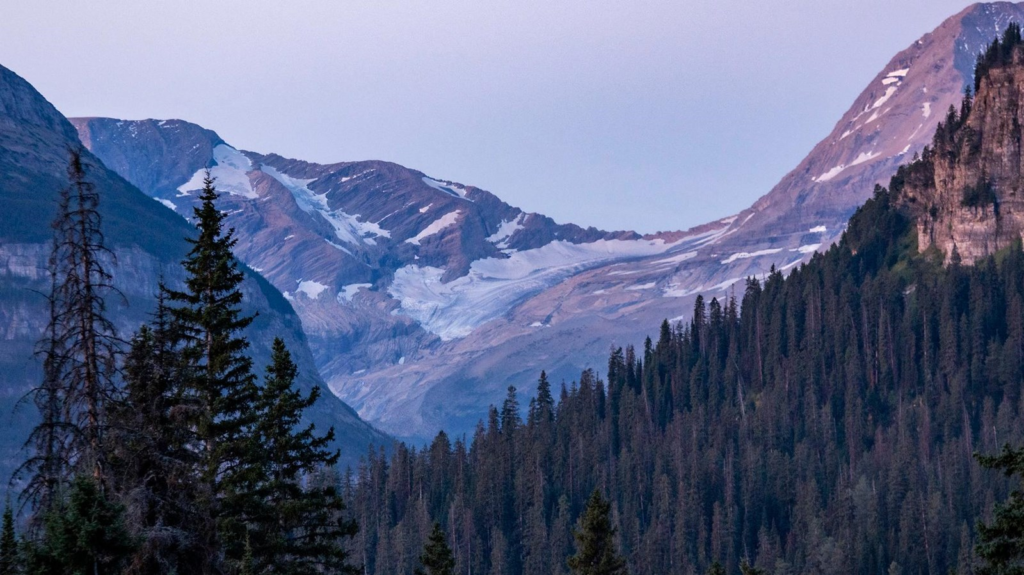
Jackson Glacier has shrunk over time, but the overlook remains historically important because it helps visitors understand Glacier National Park’s changing landscape.
Bring binoculars if possible.
15. Sunrift Gorge
Sunrift Gorge is a quick but worthwhile stop with rushing water cutting through narrow rock formations.
A short walk leads to the gorge itself.
This stop takes only 10–20 minutes but adds variety to the drive.
16. St. Mary Lake
The eastern side of Going-to-the-Sun Road feels more open and dramatic compared to the forested west side.
St. Mary Lake is famous for:
- Wild Goose Island
- Blue water
- Sunrise photography
- Windy open landscapes
Best Viewpoint
Wild Goose Island Overlook.
This is one of the most photographed spots in Glacier National Park.
Hidden Pullouts Along St. Mary Lake
Several unnamed roadside pullouts offer incredible views without major crowds.
Look for:
- Small gravel turnouts
- Reflection spots near shoreline areas
- Evening wildlife activity
Many visitors rush straight toward the east exit and miss these quieter viewpoints.
17. St. Mary Visitor Area
This is usually the final stop when driving eastbound.
Good place for:
- Restrooms
- Park information
- Food nearby
- Trip planning
- Fuel outside the park
The mountain scenery near St. Mary during sunrise is incredible if you stay overnight nearby.
Best Hidden Stops Most Tourists Miss
Oberlin Bend
Excellent mountain overlook with fewer crowds than Logan Pass.
Small Waterfall Pullouts
Several unnamed waterfalls appear seasonally between The Loop and Logan Pass.
Evening Lake McDonald Shoreline
Sunset colors and calmer crowds make this area feel completely different in the evening.
Early Morning Big Bend
One of the best quiet sunrise viewpoints on the road.
Wildlife You May See Along the Road
Going-to-the-Sun Road is one of the best wildlife-driving routes in the United States.
Possible sightings include:
- Mountain goats
- Bighorn sheep
- Marmots
- Black bears
- Grizzly bears
- Moose (rare)
- Bald eagles
Wildlife Safety Tips
- Never approach animals
- Stay at least 100 yards from bears
- Use zoom lenses instead of walking closer
- Do not block traffic for wildlife photos
Best Time to Drive Going-to-the-Sun Road
Best Overall Months
- July
- August
- September
Best Time of Day
Sunrise
- Fewer crowds
- Better wildlife chances
- Softer lighting
Evening
- Golden mountain light
- Easier parking at some pullouts
- Less traffic
Midday is usually the busiest period.
Important Driving Tips
Road Conditions
The road is narrow in some sections with steep drop-offs.
Drive slowly and avoid distractions.
Parking Tips
Parking at Logan Pass often fills before 8 AM during peak season.
Fuel
There are no gas stations directly on Going-to-the-Sun Road.
Fill up before entering the park.
Vehicle Restrictions
Large vehicles and RVs have size restrictions on portions of the road.
Always check current park regulations before visiting.
Is Going-to-the-Sun Road Worth It?
Absolutely.
Even people who have visited other famous scenic drives often consider Going-to-the-Sun Road one of the best in North America.
The combination of:
- Alpine scenery
- Glacier views
- Waterfalls
- Wildlife
- Historic engineering
- Accessible viewpoints
makes the experience unforgettable even if you never leave your car for a long hike.
Sample One-Day Going-to-the-Sun Road Itinerary
Morning
- Sunrise at Lake McDonald
- Trail of the Cedars
- Avalanche Creek
Midday
- Bird Woman Falls
- The Loop
- Logan Pass
Afternoon
- Hidden Lake Overlook hike
- Jackson Glacier Overlook
- St. Mary Lake
Evening
- Wild Goose Island sunset
- Return drive or overnight near St. Mary
Frequently Asked Questions
Do You Need a Reservation for Going-to-the-Sun Road?
Vehicle reservation requirements can change by season and year. Always check current Glacier National Park rules before visiting.
How Long Does It Take to Drive Going-to-the-Sun Road?
Without stops:
Around 2 hours.
With scenic stops and short walks:
6–10 hours.
Which Side of Going-to-the-Sun Road Is Better?
Both are beautiful.
The west side has:
- Forests
- Lakes
- Waterfalls
The east side has:
- Open mountain landscapes
- Dramatic valleys
- Glacier viewpoints
Is Going-to-the-Sun Road Scary to Drive?
Some sections are narrow with steep drop-offs, especially near Logan Pass.
However, most drivers handle it comfortably by driving slowly and staying focused.
Final words
Glacier National Park has a lot to offer, but Going-to-the-Sun Road is something else. The famous spots are great, sure — but the little moments in between are what you will actually remember. Plan ahead, start your drive early, and keep stopping even when you think you have seen enough.
Read Also: Best Parking Areas Near Grand Canyon South Rim Map Guide
Pingback: Going-to-the-Sun Road (2026): Map, Stops, Opening Dates, Shuttle & Driving Guide - Park Trails Guide