
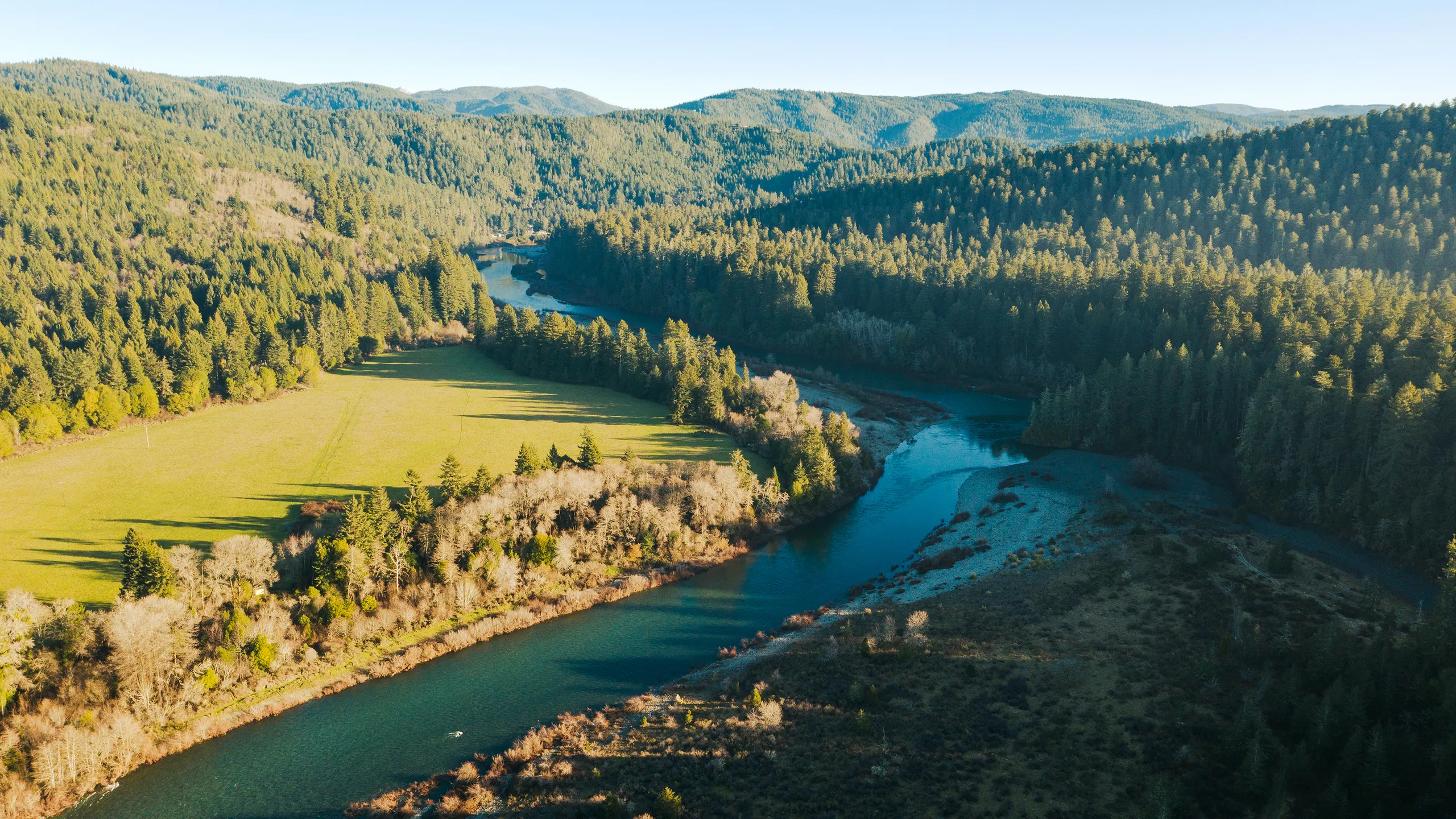
Redwood National and State Parks is one of the coolest places in the United States. It is home to some of the tallest trees in the whole world. People from many different countries travel far just to see these giant redwood trees, walk through foggy forests, look at the rocky coastline, and enjoy quiet nature trails.
But even though this park looks calm and beautiful, it has some big problems. Things like climate change, wildfires, too many visitors, and plants and animals that do not belong there are making it harder to keep the forest healthy.
Most visitors who come to the park only see how pretty and peaceful it is. What they do not know is that park workers, scientists, volunteers, and nature groups are working hard every single day of the year to keep this forest safe.
In this article, we are going to learn about the biggest problems Redwood National Park is facing right now. We will also find out why these problems are important and what people are doing to protect this amazing and special place.
The Importance of Redwood National Park
Before understanding the challenges, it helps to know why this park is so important.
Located along the northern coast of California, Redwood National Park protects old-growth coast redwood forests, rivers, wildlife habitats, and Pacific coastline ecosystems. Some of the redwood trees here are more than 2,000 years old and can grow taller than a 35-story building.
The park is also home to:
- Roosevelt elk
- Black bears
- Salmon streams
- Fern-covered canyons
- Rare plants and wildlife
- Coastal ecosystems
Because these forests absorb massive amounts of carbon dioxide, they also play an important role in helping reduce climate change impacts.
However, protecting such a large and sensitive ecosystem is becoming more difficult every year.
1. Climate Change Is One of the Biggest Threats
Climate change is perhaps the most serious long-term challenge facing Redwood National Park today.
Redwood trees survive best in cool, moist environments. They depend heavily on coastal fog and steady rainfall. But rising temperatures and changing weather patterns are beginning to affect the delicate balance that these forests rely on.
Reduced Fog Levels
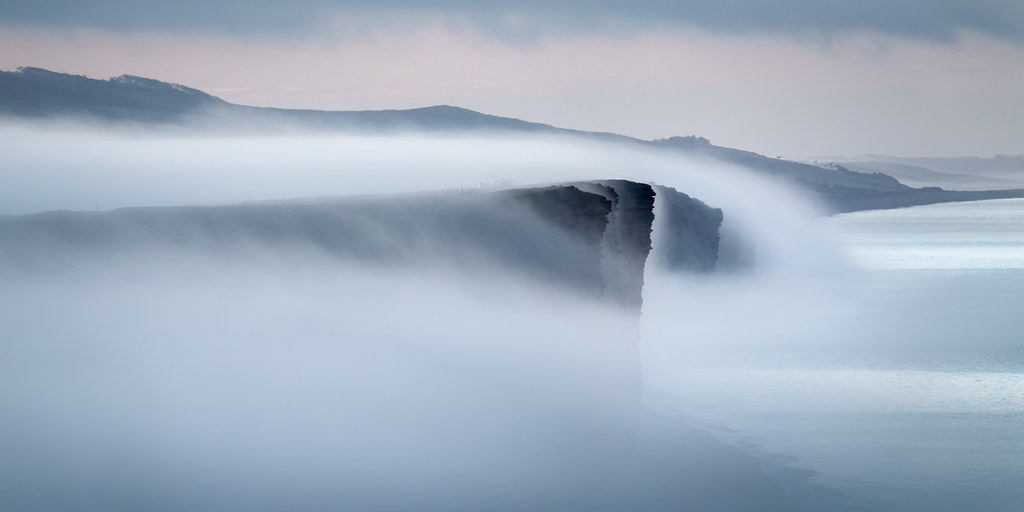
Coastal fog acts almost like a natural water system for redwoods. During dry summers, trees collect moisture directly from the fog.
Scientists have observed changes in fog patterns along the California coast. If fog levels continue to decline over time, redwood forests could struggle to get enough moisture during hotter months.
Longer Dry Seasons
California has experienced more drought years in recent decades. Drier conditions increase stress on trees and surrounding vegetation.
Even though redwoods are resilient, prolonged drought can weaken forests and make them more vulnerable to disease and fire.
Rising Temperatures
Warmer temperatures may slowly shift ecosystems in the region. Certain plant species and wildlife that depend on cool forest environments may struggle to survive.
Climate change also affects rivers and streams inside the park, which can impact salmon populations and aquatic habitats.
2. Wildfire Risk Is Increasing
For many years, people believed redwood forests were mostly protected from major fires because of their moist environment. While mature redwoods have thick bark that helps them survive low-intensity fires, extreme modern wildfires create new dangers.
California’s wildfire seasons have become longer and more severe due to:
- Hotter temperatures
- Drought conditions
- Dry vegetation
- Strong winds
Although redwoods evolved with natural fire cycles, unusually intense fires can damage ecosystems, destroy young trees, and threaten nearby communities.
Smoke Damage and Visitor Safety
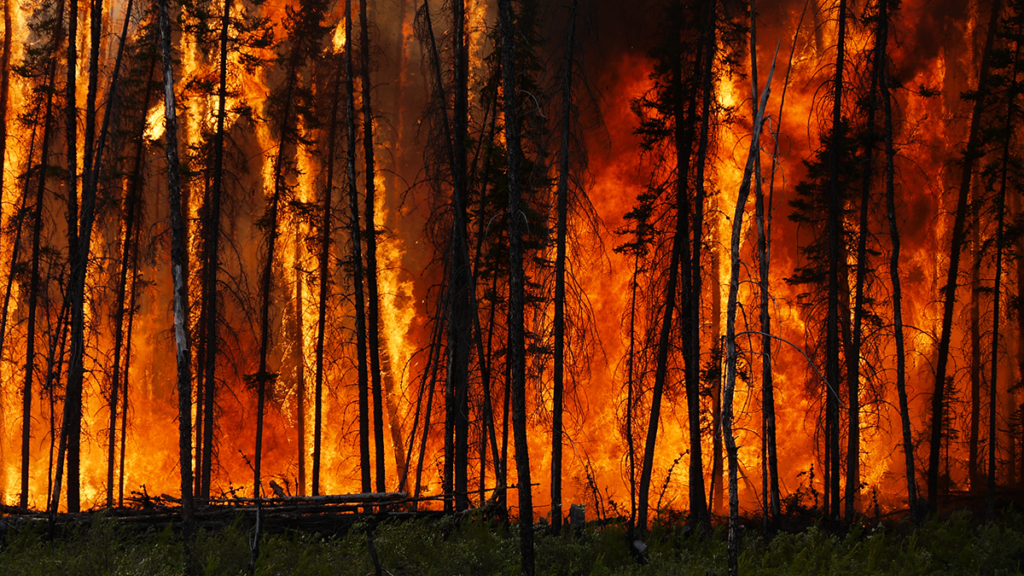
Wildfires do not only threaten forests directly. Smoke from nearby fires can reduce air quality inside the park and create dangerous conditions for visitors and wildlife.
During severe fire seasons, some park areas may temporarily close because of safety concerns.
Fire Management Challenges
Park officials must balance fire prevention with ecological protection. Controlled burns are sometimes used to reduce excess vegetation, but these operations require careful planning and resources.
3. Overcrowding and Tourism Pressure
Redwood National Park has become increasingly popular in recent years, especially through social media travel content.
While tourism helps local economies, too many visitors can create problems for fragile ecosystems.
Trail Erosion
Heavy foot traffic damages trails over time. Popular hiking routes may experience soil erosion, widening paths, and damage to nearby plants.
Some visitors also leave designated trails to take photographs, which harms sensitive vegetation and forest floors.
Litter and Waste
Even though most visitors respect the park, litter remains a challenge in busy areas. Plastic waste, food packaging, and illegal dumping can affect wildlife and spoil natural scenery.
Traffic and Parking Issues
Small roads and parking lots inside the park were not designed for extremely high visitor numbers. During peak seasons, traffic congestion becomes common near major attractions.
This can reduce the peaceful experience many travelers expect from a national park visit.
4. Illegal Logging and Historical Forest Loss
One of the most significant historical challenges facing redwoods has been logging.
Before conservation efforts expanded, much of California’s original old-growth redwood forest was cut down during the 19th and 20th centuries.
Today, only a small percentage of ancient redwood forests remain.
Effects of Past Logging
Even areas now protected inside the park still show the impact of earlier logging activities. Some forests contain younger trees growing in previously disturbed land rather than untouched old-growth ecosystems.
Restoring these damaged habitats takes decades or even centuries.
Ongoing Conservation Pressure
Although major logging inside protected areas is prohibited, nearby land development and resource use can still affect surrounding ecosystems.
Conservation organizations continue working to protect remaining redwood habitats from future damage.
5. Invasive Species Are Affecting Native Ecosystems
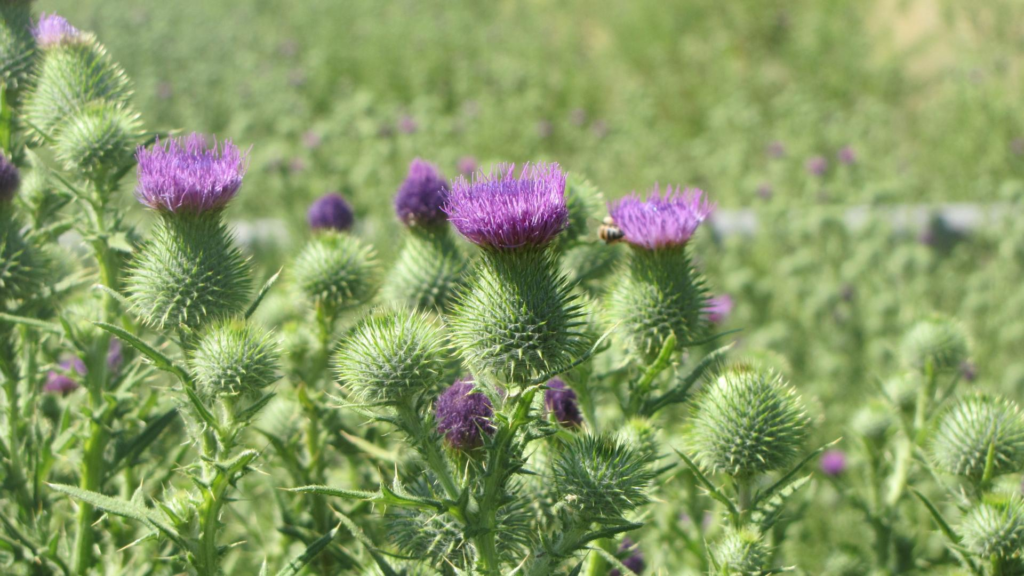
Invasive plant and animal species create another major challenge for the park.
Non-native species can compete with local plants, spread disease, and disrupt natural ecosystems.
Examples include invasive weeds that crowd out native vegetation or aquatic species that affect river ecosystems.
Why Invasive Species Are Dangerous
Redwood ecosystems evolved over thousands of years with a delicate natural balance. Introducing foreign species can quickly change soil conditions, water systems, and wildlife behavior.
Park staff regularly monitor invasive species and remove harmful plants when possible, but controlling them across large forest areas is difficult and expensive.
6. Protecting Wildlife Habitats
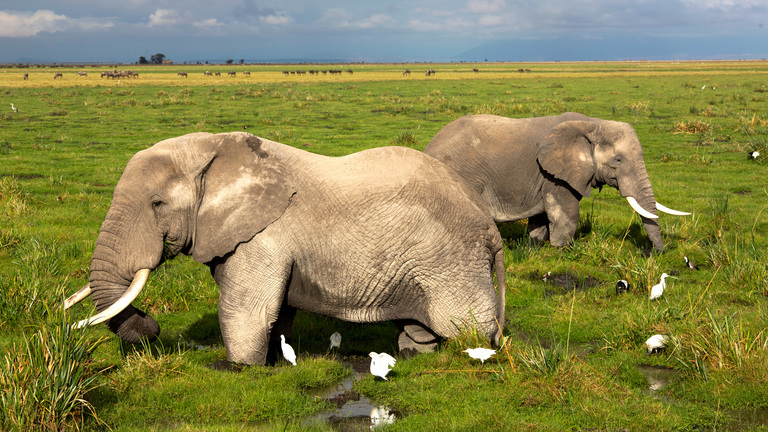
Redwood National Park supports a wide range of wildlife species, many of which depend on healthy forests and clean waterways.
Animals living in the park include:
- Roosevelt elk
- Mountain lions
- Bobcats
- Bald eagles
- Northern spotted owls
- Salmon
Habitat Fragmentation
Roads, nearby development, and environmental changes can fragment wildlife habitats. This makes it harder for animals to migrate, find food, or reproduce safely.
Threats to Salmon Populations
Streams and rivers inside the park support salmon populations, but climate change, warmer water temperatures, and habitat disruption continue to threaten these fish.
Healthy salmon populations are extremely important because they support entire ecosystems and local biodiversity.
7. Coastal Erosion and Sea Level Rise

The park’s coastline faces growing environmental pressure from erosion and rising sea levels.
Storms and stronger ocean activity can damage coastal habitats, trails, roads, and scenic viewpoints.
Why This Matters
Coastal ecosystems are connected to forest ecosystems in complex ways. Damage to beaches, cliffs, and estuaries can affect birds, marine life, and nearby plant communities.
As sea levels continue rising globally, park officials may need to redesign infrastructure or relocate vulnerable areas in the future.
8. Funding and Staffing Challenges
Like many national parks in the United States, Redwood National Park must operate with limited funding and staff resources.
Maintaining trails, protecting wildlife, restoring ecosystems, and managing visitor safety all require significant financial support.
Growing Responsibilities
Modern park management involves far more than simply maintaining hiking trails. Staff members must handle:
- Emergency response
- Search and rescue operations
- Environmental restoration
- Wildlife monitoring
- Visitor education
- Fire prevention
- Infrastructure repairs
As visitor numbers increase, these responsibilities also grow.
What Is Being Done to Protect Redwood National Park?
Despite these challenges, many important conservation efforts are helping protect the park for future generations.
Forest Restoration Projects
Scientists and conservation groups are restoring previously logged areas by removing artificial roads, replanting native vegetation, and improving natural habitats.
Controlled Fire Programs
Park officials use carefully managed prescribed burns to reduce wildfire risks and maintain healthier ecosystems.
Visitor Education
Educational programs teach visitors how to reduce environmental impacts through responsible tourism practices such as:
- Staying on trails
- Packing out trash
- Respecting wildlife
- Avoiding sensitive areas
Scientific Research
Ongoing research helps experts better understand climate impacts, forest health, and ecosystem changes.
This information supports long-term conservation planning.
How Visitors Can Help Protect the Park
Every visitor can play a role in protecting Redwood National Park.
Simple actions make a big difference:
- Stay on designated trails
- Never leave trash behind
- Avoid feeding wildlife
- Respect park rules
- Support conservation organizations
- Travel responsibly
Visitors who appreciate the beauty of the redwoods also share responsibility for helping preserve them.
Final Thoughts
Redwood National Park is one of the most amazing places on Earth. These giant trees are truly special, but they need our help to stay healthy.
There are many problems that could hurt the redwood forests. The weather is changing, and that makes things harder for the trees. Wildfires can burn them down. Too many visitors can damage the land. Animals and plants that don’t belong there can cause trouble too. Even the coastline is slowly washing away.
That’s why scientists, park workers, and nature lovers work really hard every single day to protect these trees. And more and more people are learning why that matters — which is great news.
If we all do our part — like being careful when we visit, following rules that protect nature, and helping to fix damaged areas — then kids in the future can still see these giant trees too.
The redwoods have been around for thousands of years. Now it’s our turn to make sure they’re still standing for thousands more. 🌲
READ ALSO: Can You Bring Dogs to Grand Canyon National Park? What Pet Owners Should Know
FAQs
Why are redwood trees important to the environment?
Redwood trees store huge amounts of carbon dioxide, help regulate ecosystems, improve air quality, and provide habitat for wildlife species.
Is climate change affecting Redwood National Park?
Yes. Rising temperatures, changing fog patterns, droughts, and wildfire risks are all affecting the park’s ecosystems.
Can wildfires destroy redwood forests?
Mature redwoods are naturally fire-resistant, but extremely intense modern wildfires can still damage forests and surrounding ecosystems.
Why is overcrowding a problem in national parks?
Large visitor numbers can cause trail erosion, litter, habitat damage, and traffic congestion that negatively affect natural environments.
What wildlife lives in Redwood National Park?
The park is home to Roosevelt elk, black bears, mountain lions, salmon, spotted owls, bald eagles, and many other species.
How can visitors help protect Redwood National Park?
Visitors can help by staying on trails, avoiding littering, respecting wildlife, and following park guidelines during their trip.

Rubie Rose is the founder of Park Trails Guide. As a USA resident and nature lover, she is dedicated to creating helpful national park guides using official sources and real visitor experiences. Her mission is to make planning trips to places like Yosemite, Grand Canyon, and Zion easier for families, beginners, and travelers.