
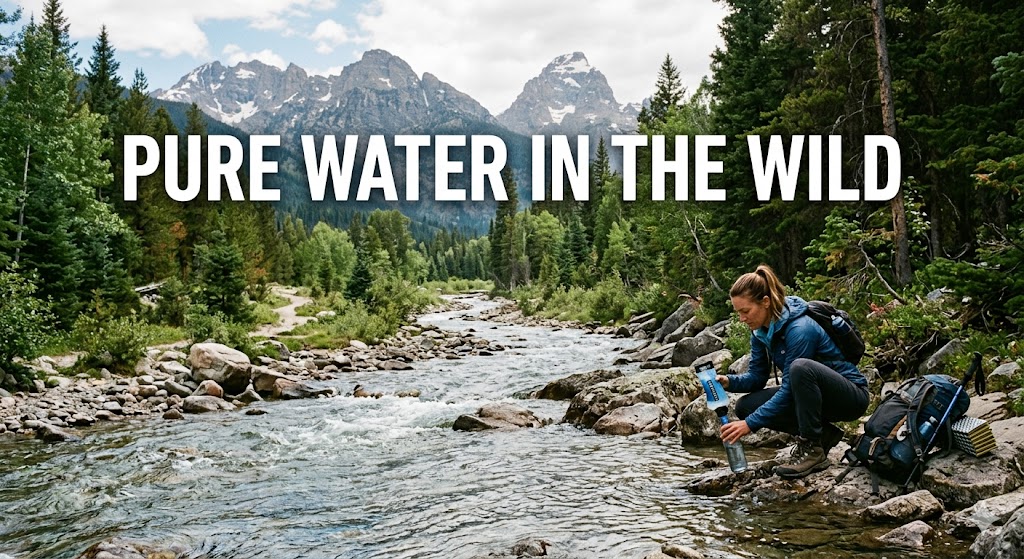
Lots of people who visit mountains think the streams in national parks are safe to drink from. The water might look really clean, super cold, and fresh, but that is actually not true. Even if a stream looks totally clear and pretty, it can still have really bad germs, tiny bugs, and viruses hiding inside it that can make you very, very sick.
So, is it safe to drink stream water in national parks?
The short answer is: No, you should never drink untreated stream water in national parks.
In this guide by Park and Trail, you will learn why stream water can be dangerous, what risks hikers face, how to purify water safely, and the best ways to stay healthy during your outdoor trip.
Why Do People Think Stream Water Is Safe?
Many hikers believe natural water is cleaner than city water because it comes from mountains, forests, or glaciers. Movies, survival videos, and social media also make drinking directly from streams look normal.
But national park experts and outdoor safety organizations strongly warn against this practice.
Wild animals, human activity, rain runoff, and bacteria can contaminate water almost anywhere in nature.
Even remote wilderness areas are not always safe.
What Can Be Found in Stream Water?
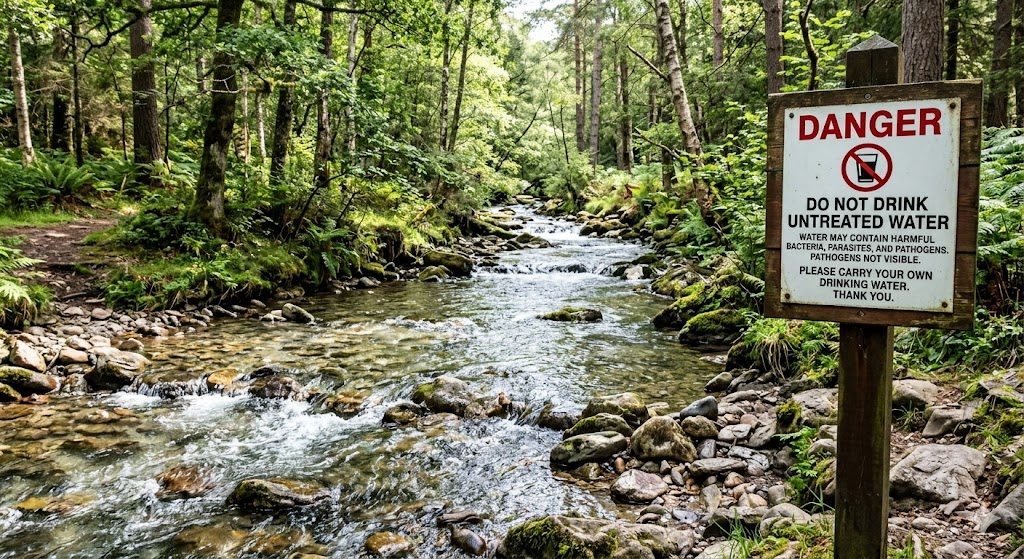
Untreated stream water may contain dangerous microorganisms and pollutants.
Common Contaminants Found in Stream Water
1. Giardia
Giardia is one of the most common parasites found in wilderness water.
It can cause:
- Diarrhea
- Stomach pain
- Vomiting
- Fatigue
- Dehydration
Many hikers call it “beaver fever.”
Symptoms may appear days after drinking contaminated water.
2. Cryptosporidium
This parasite is highly resistant and can survive in cold mountain water.
It causes:
- Severe diarrhea
- Stomach cramps
- Fever
- Nausea
3. Bacteria
Harmful bacteria such as E. coli and salmonella may enter streams through animal waste or human contamination.
These bacteria can cause serious stomach infections.
4. Viruses
Some water sources near camping areas may contain viruses from human waste contamination.
Viruses are smaller than bacteria and harder to remove without proper filtration or boiling.
5. Chemical Pollution
In some areas, water may contain:
- Pesticides
- Heavy metals
- Mining pollution
- Agricultural runoff
This is more common near developed areas.
Can You Drink Clear Mountain Stream Water?
No. Clear water does not always mean safe water.
A stream may look crystal clear while still containing invisible parasites and bacteria.
Cold temperature also does not kill harmful organisms.
Even fast-moving water can be contaminated.
Is Glacier Water Safe to Drink?
Many people assume glacier water is pure because it comes from ice and snow.
However, glacier water can still contain:
- Animal waste
- Bacteria
- Sediment
- Parasites
In some cases, glacier water also contains fine rock particles that may upset your stomach.
It is still safest to purify glacier water before drinking.
What Happens If You Drink Untreated Stream Water?
Some people drink untreated water and feel fine. Others become very sick.
Symptoms may include:
- Diarrhea
- Vomiting
- Fever
- Stomach cramps
- Weakness
- Dehydration
Illness may start within hours or several days later.
Severe dehydration can become dangerous during hiking trips, especially in remote areas.
How to Safely Drink Water in National Parks
The safest option is to always treat or filter water before drinking.
Here are the best methods.
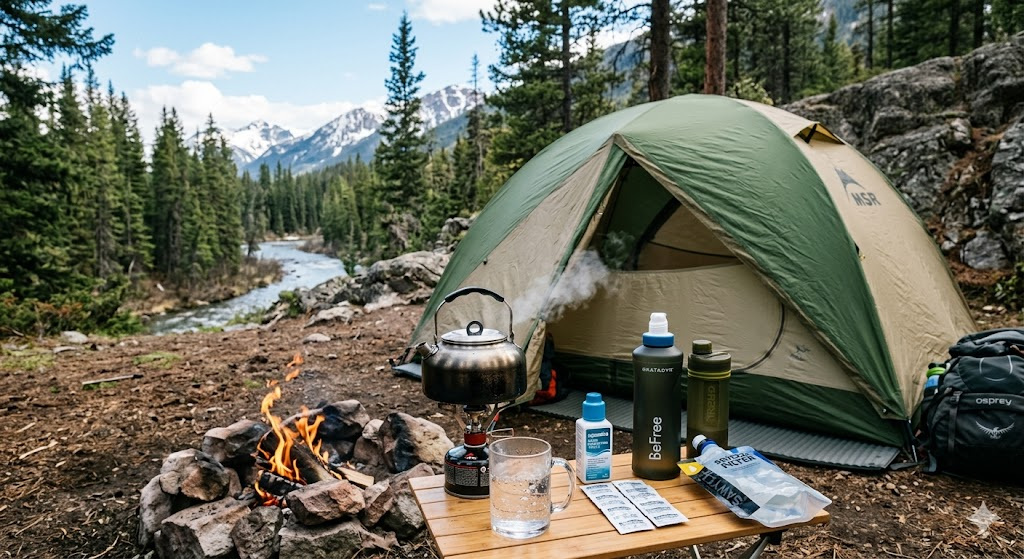
1. Boiling Water
Boiling is one of the safest ways to kill harmful organisms.
How to Boil Stream Water
- Bring water to a rolling boil
- Boil for at least 1 minute
- At high elevations, boil for 3 minutes
Boiling kills:
- Bacteria
- Parasites
- Viruses
The downside is that boiling takes time and fuel.
2. Using a Water Filter
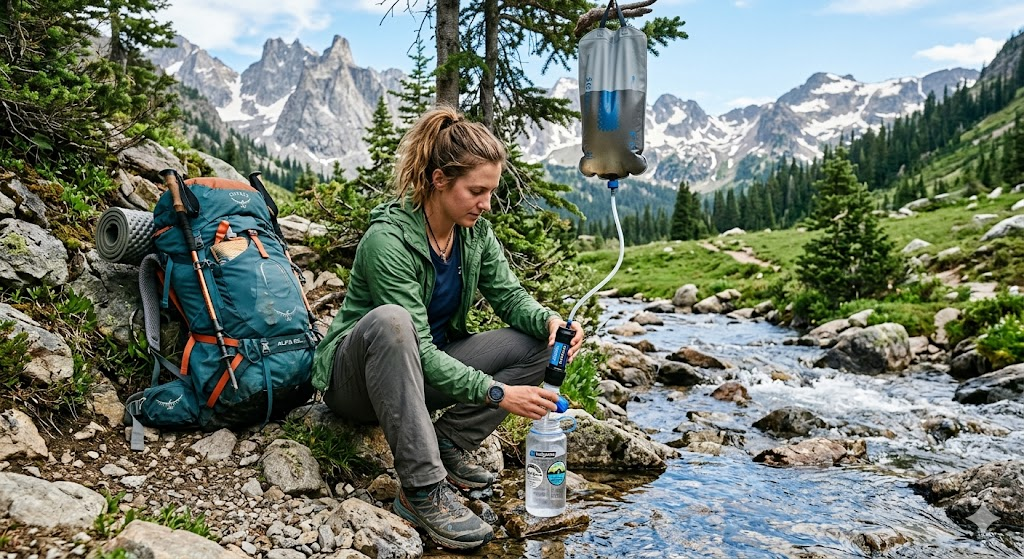
Portable water filters are very popular among hikers.
Good filters remove:
- Giardia
- Cryptosporidium
- Most bacteria
Some advanced filters also remove viruses.
Popular Types of Water Filters
- Pump filters
- Squeeze filters
- Gravity filters
- Straw filters
Always check the filter rating before use.
3. Water Purification Tablets
Chemical tablets can disinfect water.
They are lightweight and useful for emergencies.
Common chemicals include:
- Iodine
- Chlorine dioxide
However, tablets may leave an unusual taste.
4. UV Water Purifiers
UV devices use ultraviolet light to kill microorganisms.
These devices work well with clear water but require batteries.
Which Water Treatment Method Is Best?
The best method depends on your trip.
| Method | Best For | Removes Viruses | Easy to Carry |
|---|---|---|---|
| Boiling | Camping | Yes | No |
| Water Filter | Hiking | Sometimes | Yes |
| Tablets | Emergencies | Yes | Very Yes |
| UV Purifier | Backpacking | Yes | Moderate |
Many experienced hikers carry both a filter and backup purification tablets.
Are Water Fountains in National Parks Safe?
Most official drinking fountains and visitor center refill stations are treated and safe.
However:
- Always read warning signs
- Some remote taps may not be treated
- Seasonal water systems may close during winter
When unsure, ask park staff.
Can Animals Contaminate Streams?
Yes. Wildlife is one of the biggest reasons stream water becomes unsafe.
Animals such as:
- Deer
- Elk
- Beavers
- Bears
- Birds
can spread parasites and bacteria through waste near water sources.
Even in untouched wilderness, contamination is possible.
Is Running Water Safer Than Standing Water?
Generally, fast-moving water is safer than stagnant water, but it is still not guaranteed safe.
Avoid drinking from:
- Small ponds
- Stagnant pools
- Muddy water
- Water near campsites
- Water downstream from livestock
Choose cleaner, flowing water when collecting water for filtration.
Tips for Collecting Safer Water
Here are some smart hiking safety tips:
Choose Water Carefully
- Collect from flowing streams
- Avoid water with strong odors
- Avoid areas with animal activity
Filter Before Drinking
Even clear water should be treated.
Carry Backup Water
Never depend completely on finding stream water.
Read Park Advisories
Some parks issue warnings about contaminated water sources.
National Parks Where Water Safety Is Important
Water treatment is strongly recommended in many famous parks, including:
- Yellowstone National Park
- Yosemite National Park
- Grand Canyon National Park
- Rocky Mountain National Park
- Glacier National Park
Park authorities in these areas advise visitors not to drink untreated natural water.
Do Survival Experts Drink Untreated Stream Water?
Most experienced survival experts avoid drinking untreated water unless it is an emergency.
Television survival shows often edit scenes for entertainment.
In real outdoor survival situations, untreated water is considered risky.
Frequently Asked Questions
Can you drink stream water if it looks clean?
No. Harmful microorganisms are invisible and may still be present.
Is boiling water enough?
Yes. Proper boiling kills most dangerous organisms.
Can a LifeStraw make stream water safe?
Many straw filters remove parasites and bacteria, but some do not remove viruses. Always check product details.
What is the safest water source in the wild?
No natural water source is completely safe without treatment. Flowing spring water is often cleaner, but purification is still recommended.
How long after drinking bad water do symptoms appear?
Symptoms can appear within hours or several days depending on the contaminant.
Final words: Should You Drink Stream Water in National Parks?
The real answer is simple:
You should never drink untreated stream water in national parks.
Even beautiful mountain streams may contain harmful bacteria, parasites, or viruses that can ruin your trip and damage your health.
The safest approach is to:
- Filter water
- Boil water
- Use purification tablets
- Carry safe backup drinking water
A few minutes of water treatment can prevent days of illness.
When exploring nature, safe hydration should always be part of your hiking plan.
Conclusion
National parks are some of the most amazing and beautiful places you can ever visit! But even though the water in streams and rivers might look really clean and pretty, it is not always safe to drink straight from it. Sometimes water can have tiny germs inside that you cannot see, even when it looks totally clear.
It does not matter if you are going on a big camping trip, a long backpacking adventure, or just a short walk on a trail for the day. You should always clean your water before you drink it. When you do that, you are keeping yourself safe from getting sick from bad germs that can hide in the water.
Staying safe on a hike is easy when you remember one simple thing — always make sure your water is safe before you drink it!
Read Also: What Happens If You Can’t Finish a National Park Hike? What to Do and Who to Call
Rubie Rose is the founder of Park Trails Guide. As a USA resident and nature lover, she is dedicated to creating helpful national park guides using official sources and real visitor experiences. Her mission is to make planning trips to places like Yosemite, Grand Canyon, and Zion easier for families, beginners, and travelers.