
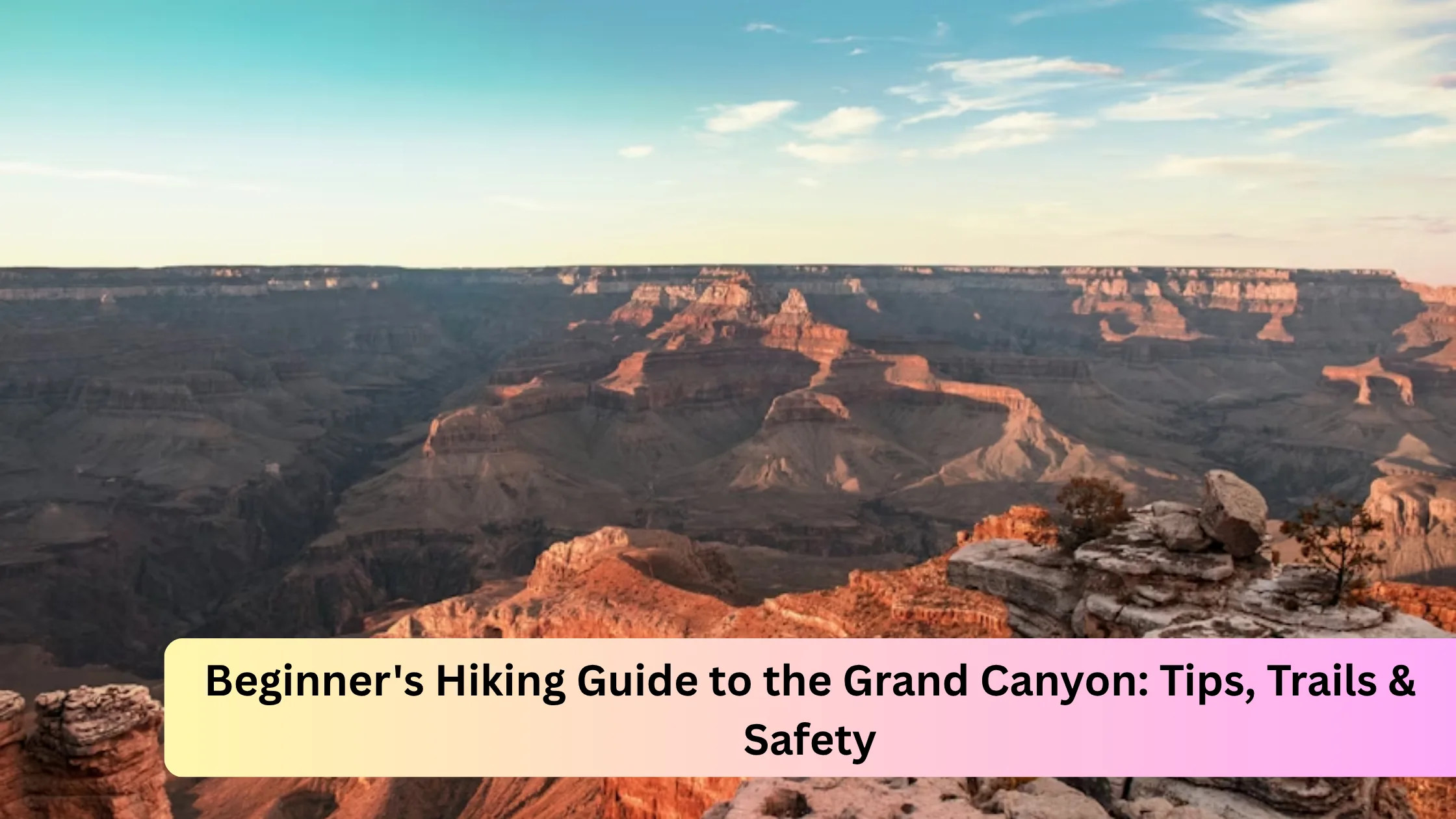
Let’s face it. You didn’t search for “Beginner’s Hiking Guide to the Grand Canyon” on Google because you’re an athlete. You looked it up on Google because you’re lying on your couch right now, dreaming about perspiration and sunsets while drinking iced coffee and pretending you love nature. But trekking in the Grand Canyon isn’t a “cute outing.” Your confidence and your cardiovascular system are in a full-blown fight.
It’s a huge, humbling rock playground that stretches for 277 kilometers. The temperature can reach 115°, your thighs will scream betrayal, and the phrase “easy trail” will become psychological warfare. You wanted to have fun, right? This is your snarky [Guide] to trekking one of America’s most famous sights without ending up in a YouTube cautionary tale.

Step One: Understand What You’re Actually Signing Up For
Before we get carried away with the idea of “finding yourself in nature,” let’s clarify—this canyon doesn’t care about your journey. It’s a giant hole. A majestic one, sure, but still a big hole in the ground that demands respect. You stand at the rim, all confident, thinking, “I can totally hike to the bottom and back in one day.” You can’t. Seriously, unless your name is Bear Grylls or you’re powered by sheer delusion, do not try that.
Bold truth: The Grand Canyon isn’t a hike; it’s a psychological thriller starring you, gravity, and dehydration.
It’s not just steep—it’s extreme cardio disguised as scenery. Once you descend even a few miles, you realize the climb back up is the real horror movie. Every step burns. Every breeze mocks. Every tourist in flip-flops makes you question humanity.
Question to self: Do you enjoy heat exhaustion? Do you crave blisters as spiritual metaphors? Then congrats—you’re ready.
[Guide] for beginners starts with logistics. Choose the right rim: South Rim is popular, accessible, and friendly to first-timers. North Rim? Stunning but seasonal and higher elevation—translation: snow, fewer snacks, and limited mercy.
If you’re just starting, South Rim is your playground. You’ll get paved viewpoints, shuttle buses, and emergency benches perfect for dramatic gasping.
Step Two: Pick a Trail That Doesn’t Ruin Your Spirit
Everyone wants that epic panoramic view—the one that screams I’m outdoorsy now. But the Grand Canyon is big. As in, it could swallow your enthusiasm whole. Choose your trail wisely or prepare to hate everything.
Bold advice: Don’t let Instagram pick your hike.
The top beginner-friendly trails include:
- Bright Angel Trail: Well-maintained, has shade, water stations, and a gentle slope until it doesn’t. Great for people who call hiking “walking with emotion.”
- South Kaibab Trail: Steeper and exposed like your bad decisions. Epic views, zero water refills. Bring endurance and questionable optimism.
- Rim Trail: Basically a scenic sidewalk with unlimited photo ops and minimal dying. Perfect for beginners who want the “experience” without actual suffering.
If you’re here for pictures, Rim Trail wins. If you’re here to test your [Guide]-level grit, Bright Angel’s the move. South Kaibab? That’s for people who say they “like challenges” but secretly cry into trail mix halfway down.
Reality check: There’s no Wi-Fi. You’ll be forced to look inward or, worse, talk to strangers.
Step Three: Packing—The Spiritual Prequel to Your Breakdown
Packing for a Grand Canyon hike is simple—pack everything. Everything you think you’ll need, then double it. If your backpack doesn’t look unreasonably stuffed, you’re doing it wrong.
Bold necessity list:
- Water, water, and more water. You’ll need at least a gallon. Hydrate like a desperate cactus.
- Snacks. Protein bars, nuts, jerky—basically anything edible that won’t melt or make you cry later.
- Sunscreen. The desert sun doesn’t “kiss.” It punches.
- Hat and sunglasses. You’re not cool; you’re surviving.
- First-aid kit. Because you will trip.
- Map. Yes, an actual paper map. Phones die, and the Wi-Fi gods are absent down there.
And for the love of all things sweaty—don’t wear brand-new shoes. This isn’t the time to “break them in.” There is no forgiveness for blisters out here.
Food tip: Salty snacks save lives. Heat and salt loss do bad things. You’ll thank your future self when your body feels like expired French fries.
Mental tip: Accept that your cute selfie plans will dissolve into survival mode by mile three.
Step Four: Learn How Not to Die (Minor Detail)
You’d think hiking safety is common sense, but park rangers exist for a reason. They deal with people who hike in flip-flops holding Starbucks cups and saying things like, “We didn’t realize the canyon goes down so far.”
Bold reality: Heatstroke kills ambition and hikers faster than bad breakups.
Stay safe. This [Guide] doesn’t glamorize dehydration culture. The canyon’s microclimate changes fast—cool rim, boiling trails, random monsoons that appear just to mock you.
Safety commandments for beginners:
- Start early. Like sunrise early. Beat heat and crowds.
- Know your turnaround time. If you go down two hours, save double that to come up.
- Take breaks. It’s hiking, not penance.
- Don’t pet wildlife. They don’t like you.
- Be humble. The canyon doesn’t owe you a good time.
Carry a reusable bottle and electrolyte mix. You’ll look like a hiking pro even if you cry halfway. Don’t push too far your first trip. The goal isn’t conquering—it’s surviving gracefully enough to brag later.
Fun fact: Rangers call rescues “self-corrections.” Translation: people who ignored gravity. Don’t be that person.
Step Five: Embrace the Pain, Then the Beauty
Every hike through the Grand Canyon starts with disbelief and ends with spiritual clarity—or heat exhaustion. Somewhere between those, you’ll get it. The slow rhythm of footsteps, the immensity of rock layers, how tiny you actually are.
You’ll grumble about the climb, curse your snack choices, and briefly wish you stayed home scrolling TikToks in bed. But then, boom—it hits you. The view. That endless sweep of reds, golds, and ancient earth staring back like cosmic art. And for one absurd second, you feel peace.
Bold observation: The canyon doesn’t change you; it reminds you you’re small. Funny how that helps.
The Grand Canyon has no bad angles, no filters, no performative “wellness.” It’s raw and real. All it asks is effort. You sweat, ache, and earn perspective. That’s the trade. This [Guide] isn’t here to preach; it’s here to taunt you until you show up.
You’ll take that selfie at the rim, pretending it was easy. It wasn’t. But no likes could ever capture it.

Step Six: The Post-Canyon Glow (Or Limp)
When you finally make it out—alive and maybe delirious—you’ll feel everything. Pride, exhaustion, disbelief. Your legs will hate you, your face will hurt from the sun, and your body will demand 48 hours of horizontal recovery.
You did it. You hiked the Grand Canyon—not just viewed it from behind a railing like a casual tourist. You earned that overpriced sticker at the gift shop that says “I survived.”
Now go post your photos with poetic captions like “Earth healed me,” knowing full well you sobbed halfway down the switchbacks.
The Grand Canyon breaks you and rebuilds you—one step, one bead of sweat, one sarcastic internal monologue at a time.
So yeah, this beginner [Guide] works if you trust it. Show up, hydrate, laugh at your pain, soak up the view, and accept that no wilderness trek will ever humble you more.
Congrats for reading to the end—you’re either actually planning your trip or procrastinating laundry. Either way, go touch sandstone. The canyon’s waiting.

Rubie Rose is the founder of Park Trails Guide. As a USA resident and nature lover, she is dedicated to creating helpful national park guides using official sources and real visitor experiences. Her mission is to make planning trips to places like Yosemite, Grand Canyon, and Zion easier for families, beginners, and travelers.