
Beginner Hiking Guide for the US: Everything You Need to Know Before You Hit the Trail
One of the simplest and most satisfying adventures in nature available in the US is hiking. The nation has thousands of hiking options for people of all ages and fitness levels, covering everything from deserts and seaside walks to mountain trails and forests.
Many beginners want to go hiking but don’t know where to begin. First-time hikers frequently feel stressed by concerns about equipment, safety, path difficulties, and proper preparation. The good news is that you don’t need expensive equipment or expert abilities to start hiking.
This beginner hiking guide covers everything you need to know before hitting the trail. Whether you are planning your first short hike in a local park or exploring a famous national park, this guide will help you stay safe, comfortable, and confident.
What Is Hiking?
Understanding the Basics
Hiking is the activity of walking on trails, paths, or natural terrain for recreation, exercise, or exploration. Hikes can range from short one-mile walks to challenging full-day adventures.

Many people confuse hiking with other outdoor activities, but there are important differences:
Hiking
Walking on established trails for a few hours or a day.
Trekking
Long-distance journeys that may last several days or weeks.
Backpacking
Multi-day hiking trips where you carry camping gear and supplies.
Walking
Usually takes place on sidewalks, roads, or paved surfaces rather than natural trails.
For beginners, hiking is the best place to start because it requires minimal equipment and can be adapted to any fitness level.
Why Hiking Is a Great Outdoor Activity
Physical Health Benefits
Hiking helps improve:
- Heart health
- Muscle strength
- Balance and coordination
- Endurance
- Weight management
Even moderate hikes provide an excellent full-body workout.
Mental Health Benefits
Spending time outdoors can reduce stress and improve mood. Many hikers report feeling more relaxed and refreshed after spending time in nature.
Connecting With Nature
Hiking allows you to experience forests, mountains, lakes, waterfalls, and wildlife in ways that are impossible from a car or city environment.
How to Choose Your First Hiking Trail
Understanding Trail Difficulty Levels
Choosing the right trail is one of the most important decisions for beginners.
Easy Trails
Easy trails are ideal for first-time hikers. They usually feature:
- Well-maintained paths
- Gentle slopes
- Short distances
- Clear trail markings
Most beginners should start with easy trails under five miles.
Moderate Trails
Moderate trails often include:
- Steeper sections
- Longer distances
- Uneven terrain
- Greater elevation gain
These trails are suitable once you gain basic hiking experience.
Difficult Trails
Difficult trails may involve:
- Significant elevation changes
- Rocky terrain
- Long distances
- Advanced navigation skills
New hikers should avoid difficult trails until they build experience and fitness.
Trail Length and Elevation Explained
What Mileage Means
Distance is usually measured in miles. A beginner-friendly hike often ranges between 2 and 5 miles round trip.
Remember that trail conditions can make a short hike feel much longer.
Understanding Elevation Gain
Elevation gain measures how much climbing you will do during the hike.
General guidelines:
- 0–500 feet: Easy
- 500–1,000 feet: Moderate
- 1,000+ feet: Challenging
A trail with significant elevation gain will require more energy than a flat trail of the same distance.
Best Beginner-Friendly Hiking Trails in the US
Some excellent beginner trails include:
Hidden Lake Overlook Trail – Montana
A scenic trail with mountain views and wildlife opportunities.
Bear Lake Loop – Colorado
A short and easy hike located in a beautiful alpine setting.
Emerald Lake Trail – Colorado
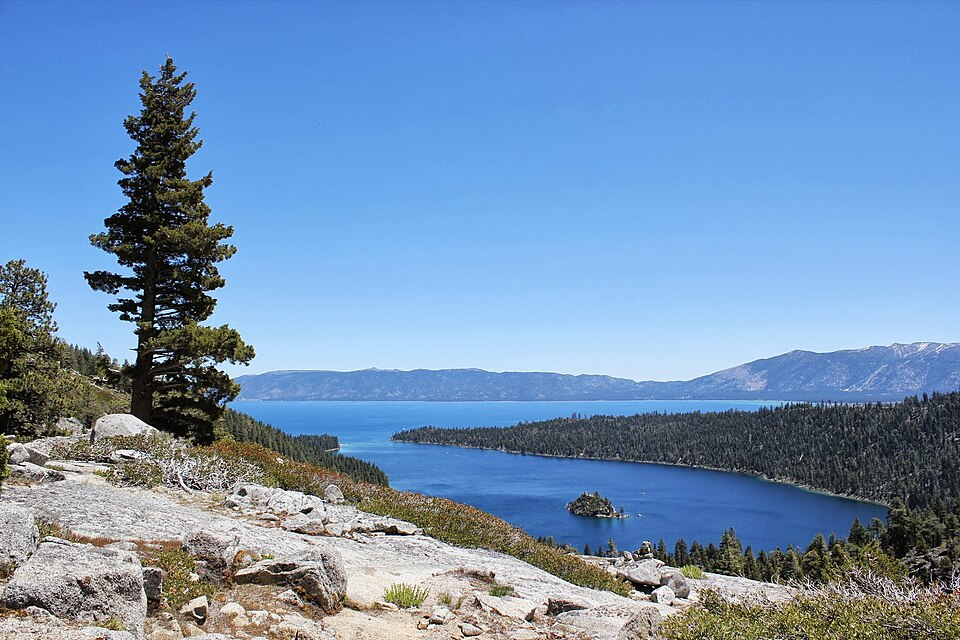
One of the most popular beginner-friendly hikes in the country.
Trail of Time – Arizona
An educational trail offering stunning canyon views.
Laurel Falls Trail – Tennessee
A paved trail leading to one of the most beautiful waterfalls in the region.
Essential Hiking Gear for Beginners
Proper Hiking Footwear
Hiking Shoes vs Hiking Boots
Hiking shoes are:
- Lighter
- More flexible
- Comfortable for short hikes
Hiking boots offer:
- Better ankle support
- Greater protection
- Improved durability
For most beginners, quality hiking shoes are usually sufficient.
Choosing the Right Footwear
When buying hiking footwear:
- Ensure a comfortable fit
- Leave room for toes
- Wear hiking socks during fitting
- Break them in before long hikes
Never wear brand-new footwear on a challenging trail.
Clothing for Different Weather Conditions
The Layering System
Layering helps regulate body temperature.
Base Layer
Moves sweat away from your skin.
Mid Layer
Provides insulation and warmth.
Outer Layer
Protects against rain and wind.
Rain Gear and Sun Protection
Always carry:
- Lightweight rain jacket
- Hat
- Sunglasses
- Sunscreen
Weather conditions can change quickly outdoors.
Must-Have Hiking Equipment
Backpack
A small daypack is ideal for carrying supplies.
Water Bottles or Hydration Packs
Staying hydrated is critical on every hike.
Navigation Tools
Bring:
- Trail maps
- GPS devices
- Smartphone navigation apps
First-Aid Kit
A basic kit should include:
- Bandages
- Antiseptic wipes
- Pain relievers
- Blister treatment
Trekking Poles
Helpful for:
- Balance
- Stability
- Reducing joint strain
Especially useful on uneven terrain.
The 10 Essentials Every Hiker Should Carry
Experienced hikers follow a simple rule known as the “10 Essentials.”
Navigation Tools
Maps, GPS devices, and compasses help prevent getting lost.
Sun Protection
Carry sunscreen, sunglasses, and protective clothing.
Insulation and Extra Clothing
Unexpected weather changes can cause temperatures to drop rapidly.
Illumination
Bring a flashlight or headlamp even for daytime hikes.
First-Aid Supplies
Treat minor injuries quickly before they become serious problems.
Fire Starter
Waterproof matches or a lighter can be useful during emergencies.
Repair Kit and Tools
A multi-tool can solve many trail-related problems.
Extra Food
Bring more food than you think you’ll need.
Extra Water
Dehydration is one of the most common hiking issues.
Emergency Shelter
A lightweight emergency blanket can be lifesaving in unexpected situations.
How to Prepare for Your First Hike
Research the Trail Before You Go
Never start a hike without learning about the trail.
Check:
- Distance
- Elevation gain
- Difficulty rating
- Current conditions
- Closures or restrictions
Reading recent trail reports can provide valuable information.
Build Basic Fitness for Hiking
Walking Routines
Start with regular walks around your neighborhood.
Gradually increase distance and pace.
Strength Exercises
Focus on:
- Legs
- Core muscles
- Balance training
Squats, lunges, and step-ups are excellent choices.
Endurance Training
Activities such as cycling, jogging, or swimming help improve stamina for longer hikes.
Tell Someone Your Hiking Plan
Always inform a trusted friend or family member about:
- Your trail location
- Planned route
- Expected return time
If an emergency occurs, rescuers will have a better chance of locating you quickly.
Hiking Safety Tips for Beginners
Safety should always be your top priority when hiking. Most hiking accidents happen because people underestimate trail conditions, ignore weather warnings, or fail to prepare properly.
Stay on Marked Trails
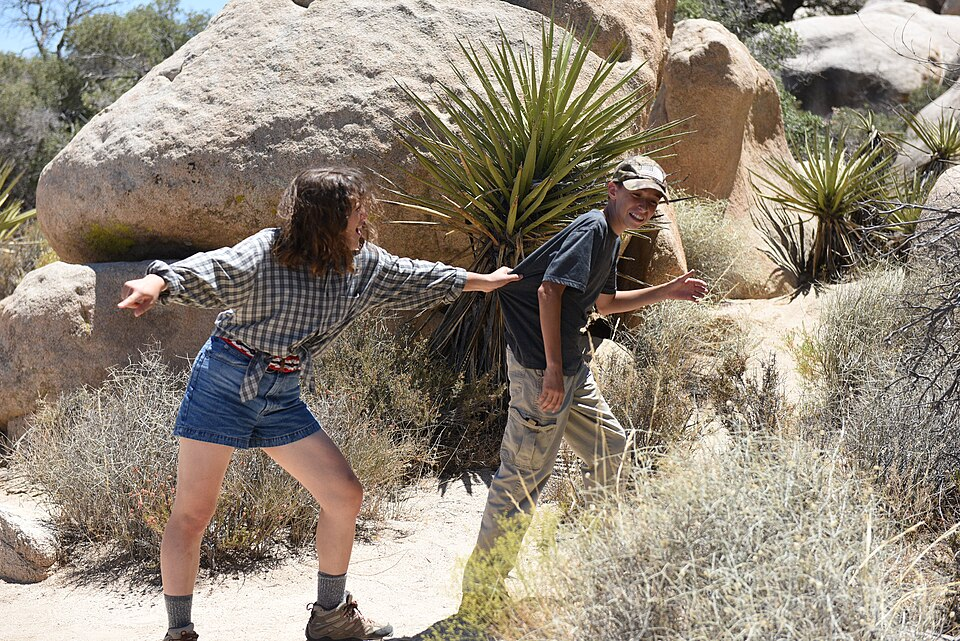
One of the simplest ways to stay safe is to remain on designated trails.
Benefits of staying on marked trails include:
- Easier navigation
- Reduced risk of getting lost
- Protection of natural habitats
- Lower chance of encountering dangerous terrain
Creating your own path may seem tempting, but it often leads to injuries and environmental damage.
Understand Trail Markers and Signs
Trail systems use various markers to guide hikers.
Common markers include:
- Colored blazes painted on trees
- Directional signs
- Trail posts
- Distance markers
Take time to understand trail signs before starting your hike.
Be Aware of Wildlife
Wildlife encounters are often a highlight of hiking, but they require caution.
General wildlife safety tips:
- Observe animals from a distance.
- Never feed wildlife.
- Store food securely.
- Make noise while hiking in areas known for larger animals.
- Keep pets under control.
Remember that wild animals should always remain wild.
Avoid Common Hiking Mistakes
Many beginner problems can be prevented through preparation.
Avoid:
- Starting late in the day
- Wearing improper footwear
- Ignoring weather forecasts
- Hiking without enough water
- Overestimating your abilities
Begin with easier hikes and gradually build experience.
What to Do If You Get Lost
Even experienced hikers can occasionally lose their way.
If you become lost:
- Stop moving.
- Stay calm.
- Check your map or GPS.
- Retrace your steps only if you are confident.
- Stay visible.
- Use emergency communication devices if available.
Panicking often makes situations worse.
Understanding Hiking Etiquette
Good trail etiquette helps everyone enjoy the outdoors safely and respectfully.
Leave No Trace Principles
The Leave No Trace philosophy is based on protecting nature for future visitors.
Key principles include:
- Plan ahead and prepare.
- Stay on durable surfaces.
- Dispose of waste properly.
- Leave natural objects where they are.
- Minimize campfire impacts.
- Respect wildlife.
- Be considerate of others.
Following these principles helps preserve hiking areas.
Respect Wildlife and Nature
Nature should be enjoyed without disturbance.
Avoid:
- Picking flowers
- Damaging plants
- Chasing animals
- Removing rocks or natural features
Take photos instead of souvenirs.
Trail Right-of-Way Rules
Knowing trail courtesy improves everyone’s experience.
Common guidelines:
- Uphill hikers generally have the right of way.
- Cyclists should yield to hikers.
- Everyone should yield to horses.
- Step aside when necessary.
Friendly communication goes a long way on busy trails.
Keeping Trails Clean
Always pack out what you pack in.
This includes:
- Food wrappers
- Water bottles
- Tissues
- Pet waste
A clean trail benefits all visitors.
Best Seasons for Hiking in Different Parts of the US
The ideal hiking season varies depending on location.
Spring Hiking
Spring offers:
- Comfortable temperatures
- Wildflowers
- Flowing waterfalls
- Green landscapes
However, some trails may be muddy due to melting snow and seasonal rain.
Summer Hiking
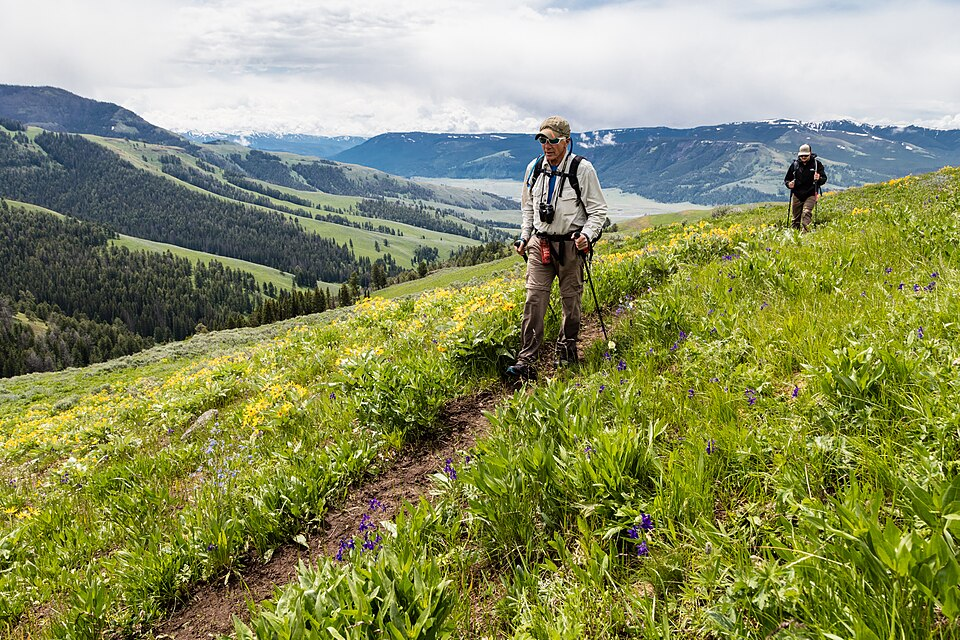
Summer provides:
- Longer daylight hours
- Access to high-elevation trails
- Family vacation opportunities
Challenges include:
- Heat
- Crowded trails
- Increased dehydration risk
Start hikes early in the morning during hot weather.
Fall Hiking
Many hikers consider fall the best hiking season.
Advantages include:
- Cooler temperatures
- Fewer crowds
- Beautiful autumn colors
- Comfortable hiking conditions
Fall is especially popular in mountain and forest regions.
Winter Hiking Considerations
Winter hiking can be rewarding but requires additional preparation.
Potential hazards include:
- Snow
- Ice
- Short daylight hours
- Extreme cold
Beginners should stick to easy winter trails and check conditions carefully.
National Park Hiking Tips for Beginners
The United States has some of the world’s most impressive hiking destinations.
Understanding Park Rules
Every park has unique regulations.
Rules may cover:
- Trail access
- Wildlife interactions
- Camping restrictions
- Fire regulations
- Food storage requirements
Always review park information before visiting.
Permits and Reservations
Some popular destinations require permits or reservations.
These systems help:
- Protect natural resources
- Reduce overcrowding
- Improve visitor experiences
Plan ahead, especially during peak seasons.
Popular Beginner-Friendly National Parks
Yellowstone National Park
Offers boardwalks, short trails, and geothermal features.
Great Smoky Mountains National Park
Known for easy waterfall hikes and scenic views.
Rocky Mountain National Park
Features numerous beginner-friendly alpine trails.
Acadia National Park
Provides coastal scenery and accessible hiking routes.
Grand Canyon National Park
Several rim trails are suitable for beginners and provide incredible views.
Common Beginner Hiking Mistakes to Avoid
Learning from others’ mistakes can make your first hiking experiences more enjoyable.
Wearing the Wrong Shoes
Poor footwear often leads to:
- Blisters
- Foot pain
- Reduced stability
Invest in comfortable hiking shoes before attempting longer trails.
Carrying Too Much or Too Little Gear
Heavy backpacks can cause fatigue, while insufficient supplies create safety risks.
Pack thoughtfully and focus on essentials.
Ignoring Weather Conditions
Weather can change rapidly in many regions.
Always:
- Check forecasts
- Carry rain protection
- Prepare for temperature changes
Never assume conditions will remain the same throughout the day.
Starting With Difficult Trails
Many beginners choose trails that exceed their current abilities.
Build confidence on easier routes before attempting more challenging hikes.
Not Bringing Enough Water
Dehydration affects performance and safety.
Carry sufficient water for the entire hike and drink regularly.
Hiking With Kids, Friends, or Pets
Hiking can be a wonderful social activity.
Family Hiking Tips
When hiking with children:
- Choose short trails
- Take frequent breaks
- Bring snacks
- Keep expectations realistic
- Make the experience fun
Positive first experiences encourage lifelong outdoor interests.
Group Hiking Safety
When hiking with friends:
- Stay together
- Set a comfortable pace
- Communicate regularly
- Agree on meeting points
Never leave slower hikers behind.
Hiking With Dogs
Many trails welcome dogs, but preparation is important.
Bring:
- Water for your pet
- Waste bags
- A leash
- Basic pet first-aid supplies
Always follow trail regulations regarding pets.
Useful Hiking Apps and Resources
Modern technology can make hiking safer and more enjoyable.
Trail Navigation Apps
Popular hiking apps can help you:
- Find trails
- Download maps
- Track routes
- Monitor distance and elevation
Offline maps are especially useful in remote areas.
Weather Apps
Weather applications provide:
- Forecasts
- Storm alerts
- Temperature updates
- Wind information
Always review weather conditions before hiking.
Emergency and Safety Tools
Useful tools may include:
- GPS communicators
- Emergency beacon devices
- Offline navigation systems
These tools are especially valuable in remote areas with limited cell service.
How to Progress From Beginner to Experienced Hiker
Hiking skills develop over time through experience and learning.
Increasing Distance Gradually
Avoid sudden increases in mileage.
A gradual approach helps:
- Build endurance
- Reduce injury risk
- Improve confidence
Add distance slowly as your fitness improves.
Trying More Challenging Trails
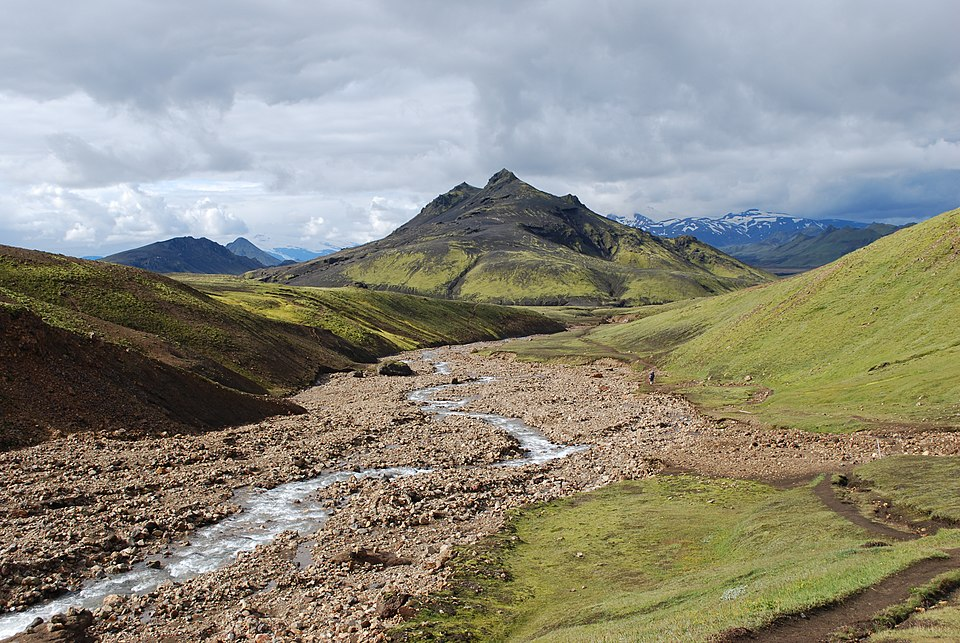
After gaining experience:
- Explore longer hikes
- Attempt moderate elevation gains
- Visit new environments
Progress gradually rather than rushing into difficult routes.
Learning Basic Outdoor Skills
Useful skills include:
- Map reading
- Compass navigation
- Weather awareness
- First aid
- Wilderness safety
These abilities increase both safety and confidence.
Joining Hiking Communities
Local hiking groups offer:
- Guidance from experienced hikers
- Social opportunities
- New trail recommendations
- Valuable learning experiences
Many beginners find group hikes helpful when starting out.
Also See: Best National Park Waterfall Hikes Under 2 Miles
Frequently Asked Questions (FAQs)
Is hiking safe for beginners?
Yes. Hiking is generally very safe when you choose appropriate trails, prepare properly, and follow basic safety guidelines.
How many miles should a beginner hike?
Most beginners should start with hikes between 2 and 5 miles. As fitness and confidence improve, longer hikes can be attempted.
What should I bring on my first hike?
Bring water, snacks, a map, sunscreen, proper footwear, a small first-aid kit, and weather-appropriate clothing.
Do I need hiking boots as a beginner?
Not always. Many beginners can comfortably use quality hiking shoes for easy and moderate trails.
What is the best time of year to start hiking?
Spring and fall are often ideal because of comfortable temperatures and favorable trail conditions.
How much water should I carry while hiking?
The amount varies based on distance, weather, and activity level. Carry enough water to stay hydrated throughout your hike and bring extra when possible.
Can beginners hike in national parks?
Absolutely. Many national parks offer easy, well-maintained trails that are perfect for first-time hikers.
Conclusion
Hiking is one of the best ways to explore the natural beauty of the United States while improving your physical health, mental well-being, and outdoor skills. The key to a successful first hike is preparation. Choosing the right trail, wearing proper gear, carrying essential supplies, and understanding basic safety practices can make your experience both enjoyable and safe.
Start with easy trails, learn from each hike, and gradually build your confidence. Over time, you will discover new landscapes, develop valuable outdoor skills, and gain a deeper appreciation for nature. Whether you are exploring a local trail, visiting a national park, or planning future adventures, every experienced hiker started exactly where you are now.
The most important step is simply getting outside and taking that first hike.
Read Also: Can a Beginner Hike the Grand Canyon Easily?