Hidden Gem Hikes in US National Parks You’ve Never Heard Of (But Should Do)
Millions of tourists visit America’s national parks every year because of their main attractions, such as the Bright Angel Trail in the Grand Canyon or Angels Landing in Zion. However, there are hidden treasure walks that offer incredible views, deep isolation, and the uncommon sense of having the natural world to yourself that can be found beyond the crowded position sites and permit auctions. These less popular paths in US national parks allow you to forego the crowds of people taking selfies in favor of wildlife sightings, old woods, and incredible views that seem unexplored.

These underrated walks in national parks are just what you need if you want real adventure without trouble. They include challenging alpine lake adventures, intermediate jungle treks, and simple rim walks with stunning views. For day hiking, the majority don’t need special permits, and many are located in more peaceful areas of well-known parks or in lesser-known treasures like Redwood and Crater Lake. Are you prepared to put on your boots? These are seven undiscovered treasures in US national parks that you should definitely do but have probably never heard of.
Why Choose Hidden Gem Hikes in US National Parks?
Popular trails often mean long lines, parking shortages, and filtered photos. Hidden gems offer the opposite: fewer people, more wildlife, and a deeper connection to nature. You’ll spot moose instead of tour buses, hear only birdsong instead of chatter, and leave with stories that feel truly yours. Plus, these trails help distribute visitor impact, preserving the parks for future generations. Whether you’re a beginner seeking easy wins or an experienced hiker chasing solitude, these lesser-known hikes deliver big rewards with less hassle. Always check the National Park Service (NPS) website for current conditions, weather, and any seasonal closures.
1. Timber Creek Overlook Trail, Zion National Park
Tucked in Zion’s lesser-visited Kolob Canyons district, the Timber Creek Overlook Trail is a 1.2-mile round-trip moderate hike that punches way above its weight. From the parking area at the end of the Kolob Canyons Road, the trail climbs gently through pinyon-juniper woodland before opening to sweeping 360-degree panoramas. On clear days, you can see more than 100 miles—including the North Rim of the Grand Canyon.
What makes it a true hidden gem? Most visitors never make the 45-minute drive from the main canyon, so you’ll often have the overlook to yourself. The trail gains only about 300 feet, making it accessible yet rewarding. Best time: spring for wildflowers or fall for golden light. Pro tip: Time your hike for sunset—the red-rock cliffs glow like fire. Bring binoculars for distant bighorn sheep.
2. Sand Dune Arch Trail, Arches National Park
Just a 0.3-mile easy stroll from the main park road, Sand Dune Arch Trail feels like stepping into a secret desert playground. You squeeze between towering sandstone fins into a sandy alcove where a graceful arch frames rust-red dunes and blue sky. Unlike the famous Delicate Arch (which sees thousands daily), this short loop stays blissfully quiet.
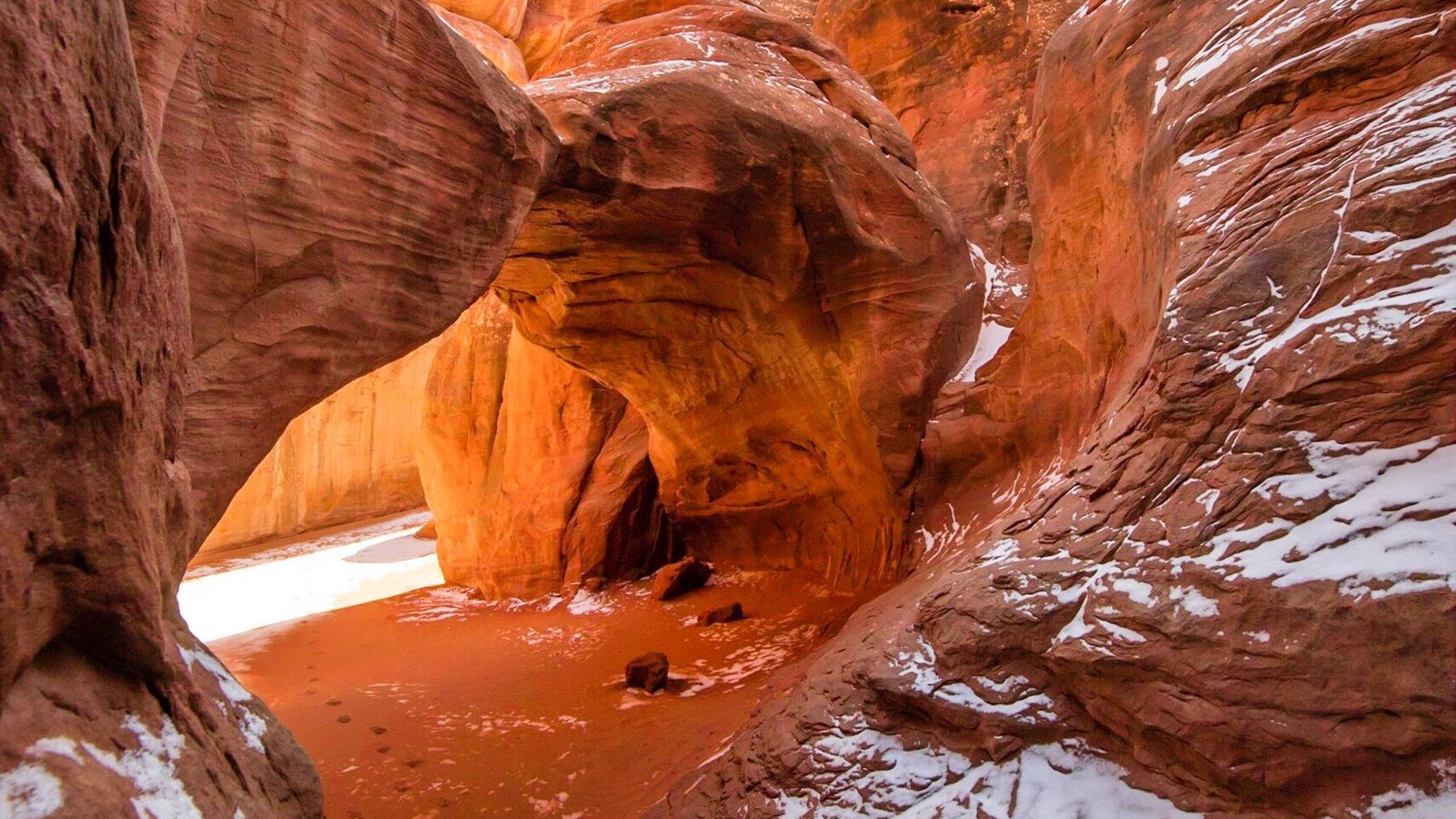
The soft sand and sheltered feel make it perfect for families or anyone wanting a quick, Instagram-worthy escape without the effort. Early morning or late afternoon light turns the walls golden. Pair it with nearby Broken Arch for a longer 1.5-mile loop. Best in spring or fall to avoid summer heat. Remember: stay on the trail to protect the fragile cryptobiotic soil crust.
3. Discovery Point Trail, Crater Lake National Park
Crater Lake’s rim trails are stunning, but Discovery Point Trail (2.2 miles round-trip, easy to moderate) offers some of the best views with far fewer boots on the ground. Starting near the Rim Village, the mostly level path hugs the caldera edge, revealing the impossibly blue lake and Wizard Island in all its glory. At 7,000+ feet elevation, the air is crisp and the reflections on the water otherworldly.
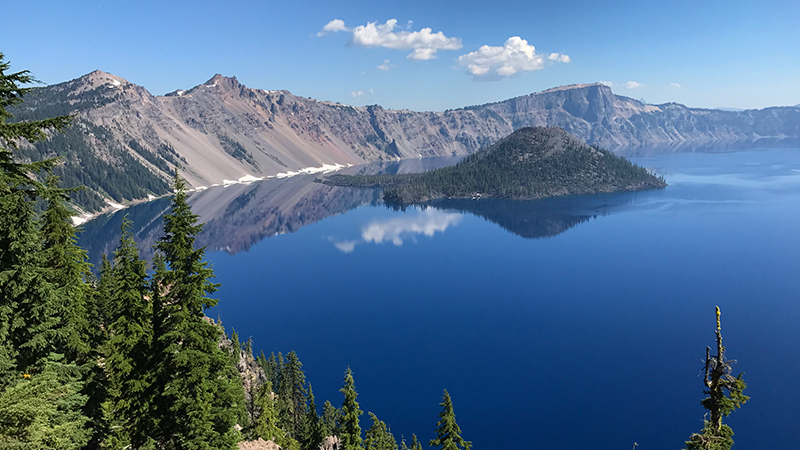
This trail connects with the longer Rim Trail system but stands alone as a perfect short hike. Altitude can sneak up on you, so hydrate and go slow. Summer is ideal; winter snow closes the road. It’s one of those hidden gem hikes in US national parks that feels like a national secret—pure magic with minimal effort.
4. Karl Knapp to Foothill Trail Loop, Redwood National and State Parks
Redwood National Park’s tallest trees steal the spotlight, but the Karl Knapp to Foothill Trail Loop (2.9 miles, moderate) delivers an intimate, ethereal experience. Winding through old-growth redwoods, massive ferns, and a bubbling creek, the trail glows green under a dense canopy. The salty Pacific breeze mixes with the earthy forest scent, creating a sensory feast.
Few visitors venture beyond the famous Grove of Titans, so you’ll likely hike in near-silence. Look for banana slugs and listen for the distant roar of the ocean. Best in spring or fall when the understory pops with color. This loop proves why Redwood is one of the most underrated national parks for hidden gem hikes.
5. South Fork Skokomish Trail, Olympic National Park
Olympic’s Hoh Rainforest gets all the love, but the South Fork Skokomish Trail offers a quieter rainforest masterpiece. Starting in adjacent national forest land and entering the park, this out-and-back (or backpacking extension) winds along a rushing river through colossal old-growth trees, moss-draped maples, wildflower meadows, and mountain views.
The trail features forested wetlands and dramatic peaks—perfect for a day hike or multi-day adventure via the Six Ridge connector. Expect solitude, possible elk sightings, and that signature Olympic mist. It’s strenuous in spots but worth every step. Best May–October; check for river crossings. This is classic Pacific Northwest wilderness at its finest.
6. Timber Lake Trail, Rocky Mountain National Park
For a bigger challenge, head to Timber Lake Trail in Rocky Mountain National Park (10.4 miles round-trip, hard). Starting on the quieter west side, the trail climbs through dense lodgepole pine forests, crosses alpine meadows bursting with wildflowers, and ends at a crystal-clear snowmelt lake ringed by peaks. Moose, elk, and pika are frequent companions.
Because it’s farther from the busy Estes Park entrance, even peak weekends feel peaceful. Elevation gain exceeds 2,000 feet, so train beforehand and start early. Late summer offers the best wildflower show and fewer mosquitoes. This hike proves that hidden gems can still deliver high-alpine drama.
7. Grand View Point Trail, Canyonlands National Park
In Canyonlands’ Island in the Sky district, the short Grand View Point Trail (1.8 miles round-trip, easy) delivers some of the Southwest’s most dramatic vistas with almost no effort. The flat path skirts sheer cliffs, revealing 360-degree views of the White Rim, Needles district, and endless red-rock canyons carved by the Colorado and Green rivers.
It’s a quick win that feels like standing on the edge of the world—minus the crowds at nearby Mesa Arch. Sunrise or sunset turns the landscape into a painter’s palette. Best spring or fall; bring a windbreaker. Pair it with a drive along the scenic road for a full day of underrated exploration.
Essential Tips for Hiking These Hidden Gem Trails
- Preparation is key: Pack the Ten Essentials, check NPS apps for alerts, and download offline maps (cell service is spotty). Tell someone your plans.
- Season and weather: Many trails shine in shoulder seasons (spring/fall) to avoid summer heat or winter snow. Always check forecasts—mountain weather changes fast.
- Leave No Trace: Stick to established paths, pack out everything, and respect wildlife. These trails stay pristine because visitors treat them right.
- Accessibility note: Most are suitable for fit hikers; Timber Creek and Sand Dune Arch work well for beginners. Check for accessibility updates on NPS.gov.
- Permits and fees: Day hikes are generally free beyond park entrance fees. Backcountry camping requires permits—reserve early.
Conclusion
America’s national parks hold thousands of miles of trails, but the real magic happens when you step off the beaten path. These hidden gem hikes in US national parks prove that the best experiences often come with the fewest crowds. Whether you’re chasing solitude in a rainforest, epic lake views, or desert arches framed by silence, these underrated trails will renew your sense of wonder. So skip the famous lines next time—lace up, explore responsibly, and discover why these lesser-known hikes are the ones you’ll remember forever.
Ready to plan your next adventure? Grab your hiking boots and head to the NPS website for the latest trail reports. Which hidden gem will you tackle first?
FAQs About Hidden Gem Hikes in US National Parks
What are the easiest hidden gem hikes for beginners?
Sand Dune Arch (Arches) and Discovery Point (Crater Lake) are short, low-effort options with huge payoffs.
Do I need a permit for these trails?
Most day hikes do not require permits. Check individual park pages for backcountry rules.
When is the best time to hike these lesser-known trails?
Spring and fall generally offer ideal weather and fewer visitors across most parks.
Are these hikes family-friendly?
Several (Sand Dune Arch, Grand View Point) are great for kids. Always match difficulty to your group’s fitness level.
How do I find more underrated hikes in national parks?
Explore lesser-visited districts (like Kolob Canyons in Zion) and use AllTrails or NPS resources with filters for “low traffic.”
Read Also: Hiking in Joshua Tree for Beginners: Trails, Tips & Mistakes to Avoid (2026)