
The Grand Canyon National Park is one of those places that feels unreal until you actually stand on the edge and look down. Photos never fully capture the scale. The canyon stretches for miles, layered with red rock formations, ancient geology, and viewpoints that change color every hour of the day.
Among all the hiking options inside the park, the Rim Trail remains one of the best for beginners, families, photographers, and even experienced hikers who simply want unforgettable views without exhausting elevation changes.
If you are planning a visit in 2026, this complete Grand Canyon Rim Trail guide covers everything you need to know — trail sections, distance, difficulty, shuttle access, best viewpoints, hidden tips, safety advice, and how to avoid common mistakes visitors make.
Why the Grand Canyon Rim Trail Is So Popular
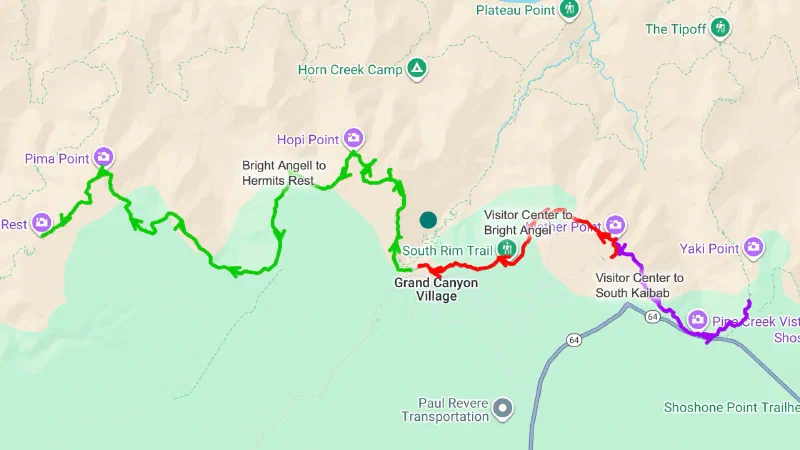
Unlike steep canyon hikes that descend deep below the rim, the Rim Trail mostly follows the edge of the canyon. That means you get dramatic panoramic views without the brutal climbs back up.
This trail is perfect for:
- First-time Grand Canyon visitors
- Families with kids
- Casual hikers
- Senior travelers
- Sunrise and sunset photographers
- Visitors with limited time
- Travelers avoiding strenuous hikes
The best part?
You can hike as little or as much as you want. Some visitors walk only one mile, while others spend an entire day exploring the full route.
What Is the Grand Canyon Rim Trail?
The Rim Trail is a mostly paved and relatively flat walking trail along the South Rim of the Grand Canyon.
It stretches roughly 13 miles from:
- South Kaibab Trailhead (east side)
to - Hermits Rest (west side)
Not every section is paved, but most areas are easy to navigate.
Quick Trail Facts
| Feature | Details |
|---|---|
| Location | South Rim, Grand Canyon National Park |
| Trail Length | Up to 13 miles one way |
| Difficulty | Easy to moderate |
| Elevation | Mostly flat |
| Best For | Scenic walking and viewpoints |
| Time Needed | 1 hour to full day |
| Best Seasons | Spring and Fall |
| Family Friendly | Yes |
| Wheelchair Accessible | Partially |
Best Sections of the Rim Trail
One of the biggest mistakes travelers make is assuming they must complete the entire trail.
You do not.
The Rim Trail works best when broken into sections.
1. Mather Point to Yavapai Point
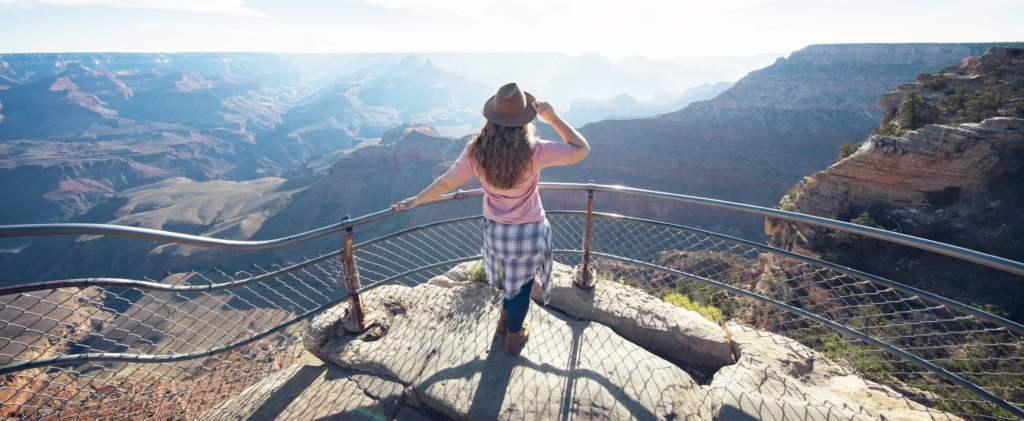
This is the classic beginner section.
Why It’s Popular
- Easy walking
- Incredible first views
- Visitor center nearby
- Excellent sunrise photography
- Educational geology exhibits
Distance
About 1 mile round trip
This area is usually the first stop for many visitors entering the park.
If you only have a few hours at the Grand Canyon, start here.
2. Village Area to Hopi Point
This is arguably the best scenic stretch.
Highlights
- Multiple canyon overlooks
- Historic buildings
- Shuttle access
- Fantastic sunset views
Best For
- Casual walkers
- Families
- Sunset photography
- First-time visitors
The lighting during late afternoon here is spectacular. The canyon walls glow orange, red, and gold.
3. Hermit Road Section
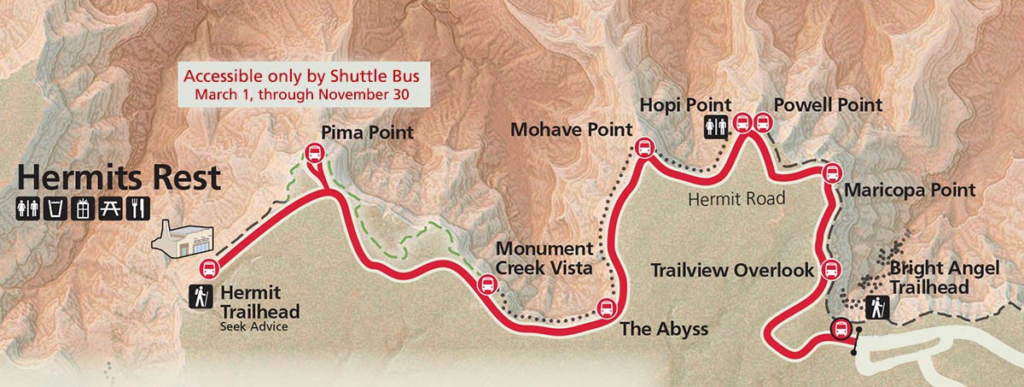
This quieter stretch offers fewer crowds and more peaceful scenery.
Why Experienced Travelers Love It
- Less crowded
- Better wildlife spotting
- Deeper canyon perspectives
- Excellent photography opportunities
You can walk sections of Hermit Road and use the shuttle system to return.
How Difficult Is the Rim Trail?
Most of the Rim Trail is considered easy.
Unlike Bright Angel Trail or South Kaibab Trail, you are not descending thousands of feet into the canyon.
However, there are still a few things visitors underestimate.
Challenges You Should Know
High Elevation
The South Rim sits around 7,000 feet above sea level.
Many travelers feel:
- Shortness of breath
- Mild dizziness
- Faster fatigue
Even easy walking can feel harder than expected.
Dry Climate
The desert air causes dehydration quickly.
Many visitors do not realize how much water they lose simply walking along the rim.
Bring:
- Refillable water bottles
- Electrolyte packets
- Sunscreen
- Lip balm
Summer Heat
Even though the Rim Trail is easier than inner canyon hikes, summer temperatures can still be intense.
Morning hikes are much safer from June through September.
Best Time to Hike the Rim Trail (2026)
Timing can completely change your experience.
Spring (March to May)
This is one of the best seasons overall.
Advantages
- Mild temperatures
- Wildflowers
- Comfortable hiking conditions
- Smaller crowds than summer
Average daytime temperatures range from 50°F to 70°F.
Summer (June to August)
Summer is the busiest season.
Pros
- Long daylight hours
- Shuttle systems fully operational
- Great sunrise photography
Cons
- Crowded viewpoints
- Afternoon thunderstorms
- Heat exhaustion risk
If visiting in summer:
- Start hiking before 9 AM
- Avoid midday walking
- Carry extra water
Fall (September to November)
Many experienced travelers consider fall the perfect season.
Why Fall Is Excellent
- Cooler temperatures
- Fewer crowds
- Beautiful golden light
- Crisp mornings
September and October are especially ideal.
Winter (December to February)
Winter transforms the canyon into something magical.
Snow dusting the red rocks creates incredible contrast.
Benefits
- Quiet trails
- Dramatic photography
- Easier parking
- Peaceful atmosphere
Downsides
- Ice on trail sections
- Cold mornings
- Occasional snowstorms
Traction shoes are helpful during winter visits.
Sunrise vs Sunset: Which Is Better?
Visitors debate this constantly.
Truthfully, both are incredible — but they feel very different.
Sunrise
Best viewpoints:
- Mather Point
- Yaki Point
- Yavapai Point
Why Sunrise Is Special
- Fewer crowds
- Cooler temperatures
- Soft golden lighting
- Peaceful atmosphere
You hear birds, wind, and silence instead of crowds.
Sunset
Best viewpoints:
- Hopi Point
- Mohave Point
- Pima Point
Why Sunset Is Famous
- Dramatic colors
- Long shadows
- Vibrant canyon layers
- Iconic photography moments
Sunset is more crowded but visually stunning.
Read Also: Grand Canyon Admission Charge Guide for Visitors 2026
Grand Canyon Shuttle System Explained
The shuttle buses make the Rim Trail extremely convenient.
You can:
- Walk one direction
- Ride the shuttle back
- Skip crowded parking areas
- Explore more viewpoints efficiently
Main Shuttle Routes
Village Route
Connects lodges, restaurants, and visitor services.
Kaibab/Rim Route
Useful for eastern viewpoints.
Hermits Rest Route
One of the best scenic shuttle routes.
Many visitors combine shuttle rides with short hikes between viewpoints.
This is often the smartest strategy.
What to Pack for the Rim Trail
Packing correctly makes a huge difference.
Essential Items
Water
The number one priority.
Even easy hikes become dangerous without hydration.
Sun Protection
Bring:
- Hat
- Sunglasses
- Sunscreen SPF 30+
- Lightweight long sleeves
The canyon sun is stronger than many visitors expect.
Comfortable Shoes
You do not need heavy hiking boots for most Rim Trail sections.
Good walking shoes or trail runners work well.
Layers
Weather changes quickly at the South Rim.
Morning temperatures can feel cold even in summer.
Camera or Smartphone
The viewpoints are genuinely world-class for photography.
Sunrise and sunset lighting changes rapidly, so keep your device ready.
Wildlife You Might See
The Rim Trail is not just about canyon views.
Wildlife sightings are surprisingly common.
Common Animals
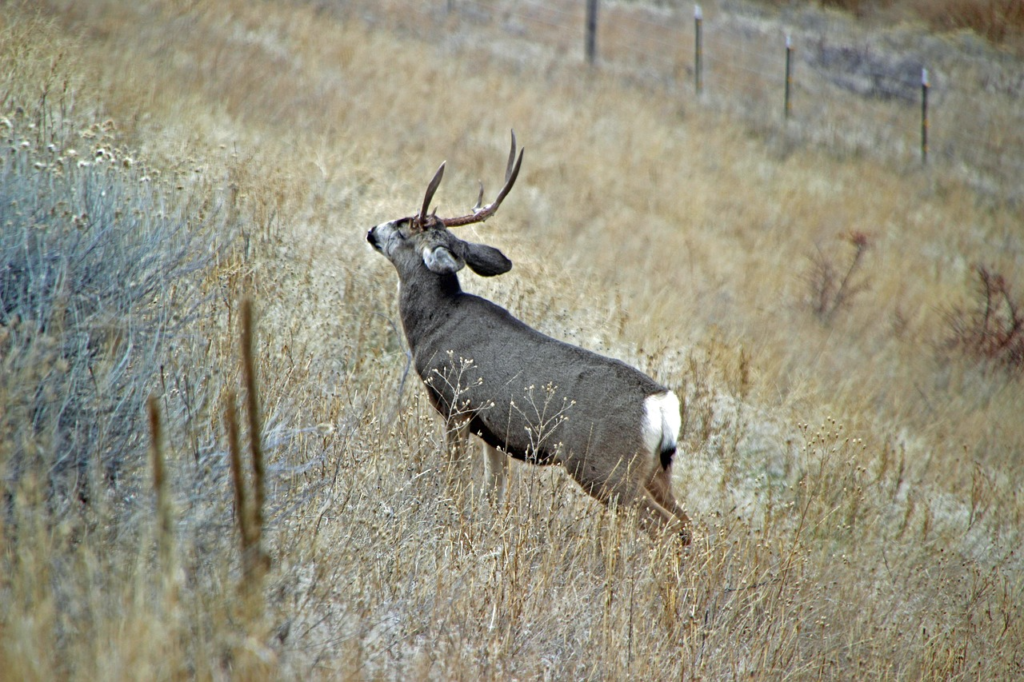
You may spot:
- Elk
- Mule deer
- Ravens
- California condors
- Rock squirrels
The California condor is especially exciting because it is one of the rarest birds in North America.
Also See: Can a Beginner Hike the Grand Canyon Easily?
Important Safety Tips
Many visitors underestimate the Grand Canyon.
Every year, park rangers respond to heat illness, falls, dehydration, and rescue incidents.
Stay Away From Edges
Some viewpoints have railings, but many areas do not.
Loose gravel near cliff edges can be dangerous.
Never step backward while taking photos.
Do Not Feed Wildlife
Especially squirrels.
Squirrels at the Grand Canyon may bite and can carry disease.
Hydrate Constantly
Even during short walks.
A common mistake is waiting until you feel thirsty.
Watch Afternoon Storms
Summer thunderstorms can develop quickly.
Lightning near exposed viewpoints is dangerous.
Best Photo Spots on the Rim Trail
The entire trail is photogenic, but some viewpoints stand out.
Mather Point
Perfect for first-time visitors.
Huge panoramic canyon views.
Hopi Point
Excellent sunset photography location.
One of the widest visible sections of the canyon.
Yavapai Point
Great geological views and layered canyon formations.
Ideal for sunrise.
Mohave Point
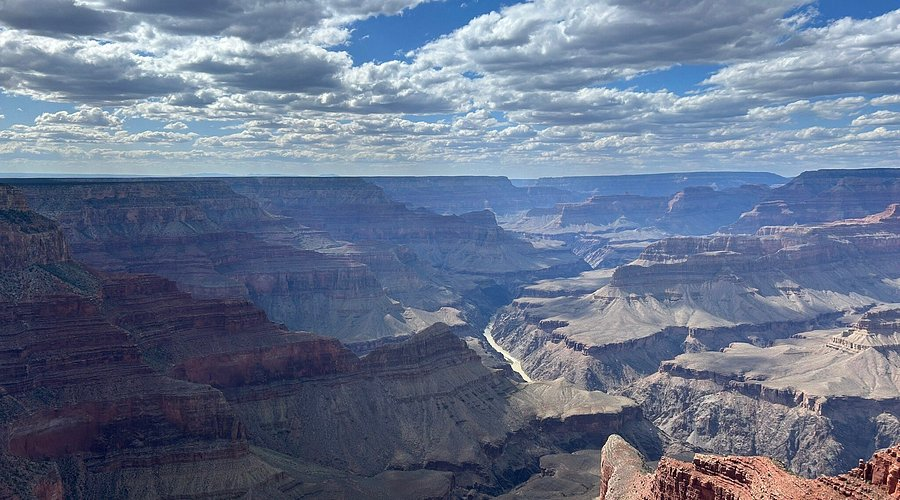
Fantastic dramatic depth and Colorado River glimpses.
Less crowded than Hopi Point.
Accessibility on the Rim Trail
One reason the Rim Trail is so loved is accessibility.
Several sections are:
- Paved
- Wheelchair friendly
- Stroller accessible
The Grand Canyon also offers accessible shuttle buses and viewpoints.
Travelers with mobility limitations can still experience spectacular canyon scenery.
Rim Trail vs Bright Angel Trail
Many first-time visitors confuse these trails.
They are completely different experiences.
| Rim Trail | Bright Angel Trail |
|---|---|
| Mostly flat | Very steep |
| Scenic walking | Serious hiking |
| Easy to moderate | Strenuous |
| Family friendly | Physically demanding |
| Rim views | Inner canyon descent |
If you want relaxing scenery, choose the Rim Trail.
If you want a major physical challenge, Bright Angel is the better option.
Can You Hike the Entire Rim Trail in One Day?
Yes.
Many hikers complete the full Rim Trail in a single day.
Full Trail Distance
Depending on route variations:
- Around 13 miles one way
Most people:
- Walk part of the trail
- Use shuttle buses strategically
A full-day Rim Trail adventure usually takes:
- 5 to 8 hours with stops
Where to Stay Near the Rim Trail
Staying inside the park saves time and reduces stress.
Popular lodging areas include:
- Grand Canyon Village
- Tusayan
- Historic lodges near the rim
Booking early for 2026 is highly recommended because accommodations fill quickly.
Food and Water Availability
You can find:
- Cafes
- Restaurants
- Snack shops
- Water refill stations
Main services are concentrated around:
- Grand Canyon Village
- Visitor Center areas
Still, always carry backup water.
Is the Rim Trail Worth It?
Absolutely.
For many travelers, the Rim Trail becomes the highlight of their entire Arizona trip.
You do not need advanced hiking skills to experience some of the most spectacular landscapes in the United States.
The trail offers:
- Flexibility
- Accessibility
- Incredible scenery
- Safer hiking conditions
- Memorable photography
- Family-friendly exploration
Whether you walk for 30 minutes or spend the entire day exploring viewpoints, the experience is unforgettable.
Sample Half-Day Rim Trail Itinerary
Here is a simple beginner-friendly plan.
Morning
7:00 AM — Sunrise at Mather Point
Arrive early for soft lighting and smaller crowds.
8:00 AM — Walk to Yavapai Point
Easy scenic walking with amazing overlooks.
9:00 AM — Breakfast in Grand Canyon Village
Relax and refuel.
Late Morning
Shuttle to Hopi Point
Enjoy canyon overlooks without long walking.
Walk Between Viewpoints
Take your time with photos and scenery.
Afternoon
Hermits Rest Exploration
Relaxed scenic walking and quieter viewpoints.
Return by Shuttle
Avoid unnecessary fatigue.
This itinerary works especially well for first-time visitors.
Frequently Asked Questions
How long does it take to hike the Grand Canyon Rim Trail?
Most visitors spend between 2 and 6 hours depending on distance and sightseeing stops.
Is the Rim Trail difficult?
No. Most sections are easy and relatively flat.
Can beginners hike the Rim Trail?
Yes. It is one of the best beginner-friendly hikes in the Grand Canyon.
Is the Rim Trail safe for children?
Yes, but parents should closely supervise children near cliff edges.
Do you need hiking boots for the Rim Trail?
Not necessarily. Comfortable walking or trail shoes are usually enough.
What is the best month to visit the Grand Canyon Rim Trail?
September and October are often considered ideal because of pleasant weather and smaller crowds.
Final Thoughts
The Grand Canyon Rim Trail proves you do not need an extreme backcountry expedition to experience one of the world’s greatest natural wonders.
That is what makes it special.
You can walk at your own pace, stop at overlooks whenever you want, and enjoy constantly changing canyon views without exhausting yourself physically.
For 2026 travelers, the smartest approach is simple:
- Start early
- Stay hydrated
- Use the shuttle system
- Explore multiple viewpoints
- Take your time
The Grand Canyon rewards slow travel.
And once you stand quietly at the rim during sunrise, watching sunlight slowly reach the canyon walls, you will understand why millions of visitors return here again and again.
Check also: Best Parking Areas Near Grand Canyon South Rim Map Guide

Rubie Rose is the founder of Park Trails Guide. As a USA resident and nature lover, she is dedicated to creating helpful national park guides using official sources and real visitor experiences. Her mission is to make planning trips to places like Yosemite, Grand Canyon, and Zion easier for families, beginners, and travelers.